Your cutting board is more than just a kitchen tool—it’s where you prepare meals for your loved ones every day. Keeping it in top shape means choosing the right oil to protect, nourish, and extend its life.
But with so many options out there, which oil is truly the best for your cutting board? You’ll discover the simple secret to maintaining a beautiful, long-lasting board that feels smooth to the touch and resists cracks and stains. Ready to give your cutting board the care it deserves?
Keep reading to find out exactly which oil will make all the difference.
Why Oil Your Cutting Board
Oiling your cutting board keeps it in good shape for a long time. It helps protect the wood from damage and makes cleaning easier.
Regular oiling also keeps the board safe for food use. It stops the wood from drying out and breaking.
Preventing Cracks And Warping
Wood can dry out and crack if it is not oiled. Oiling adds moisture back into the wood. This stops the board from splitting or bending.
When wood stays moist, it keeps its shape and strength. Oiling helps the board last longer and stay flat.
Enhancing Food Safety
Oiling fills tiny gaps in the wood. This stops bacteria from hiding inside the board. A well-oiled board is easier to clean.
Using the right oil can keep your board safe for food contact. It creates a barrier that keeps germs away from food.
Maintaining Appearance
Oiling brings out the natural color and grain of the wood. It makes the board look fresh and new.
Regular oiling prevents the wood from looking dry and dull. It also stops stains from soaking in.

Credit: www.amazon.ca
Types Of Oils For Cutting Boards
Oiling cutting boards helps keep them in good shape. It prevents cracks and warping.
Different oils work well for cutting boards. Some are safer and last longer than others.
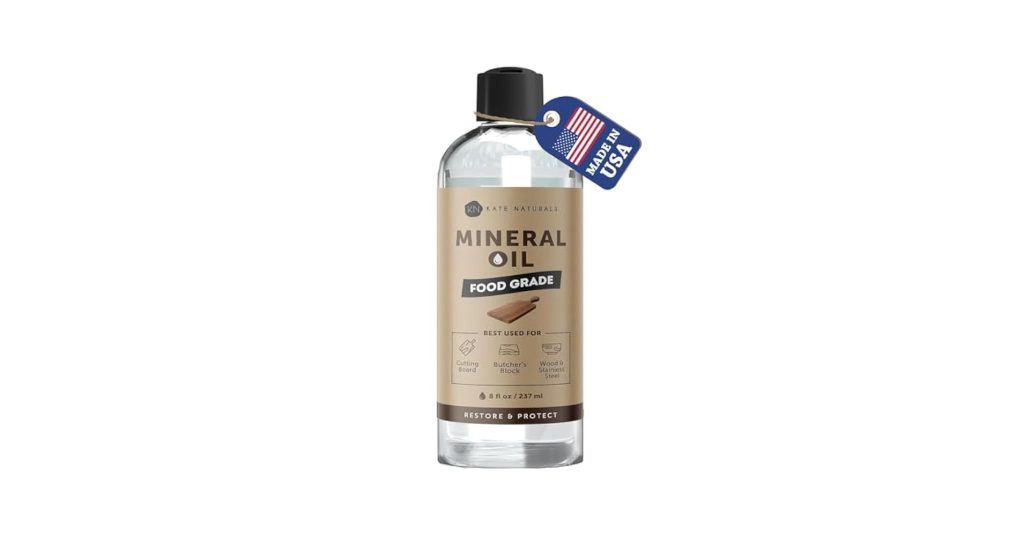
Mineral Oil
Mineral oil is a common choice for treating cutting boards. It is colorless and odorless. It soaks into the wood and protects it from moisture. Mineral oil is safe for food contact and easy to apply.
Beeswax Blends
Beeswax blends combine mineral oil with beeswax. This mix adds a protective layer on the surface. It helps keep the board smooth and water-resistant. Many people like this option for longer-lasting protection.
Food-grade Walnut Oil
Walnut oil is a natural oil that many prefer. It dries well and creates a hard finish. This oil is safe for food and does not go rancid quickly. People with nut allergies should avoid it.
Coconut Oil
Coconut oil is a natural and food-safe option. It has a pleasant smell and good moisture resistance. Some coconut oils may go rancid over time. Choose refined coconut oil for longer use.
Olive Oil And Other Cooking Oils
Olive oil and other cooking oils are easy to find. They soak into wood but can go rancid. This causes bad smells and sticky surfaces. Most experts do not recommend these oils for cutting boards.
- Mineral Oil: Safe, odorless, does not spoil
- Beeswax Blends: Adds surface protection, water-resistant
- Walnut Oil: Hard finish, natural, allergy caution
- Coconut Oil: Moisture-resistant, may spoil if unrefined
- Olive & Cooking Oils: Can go rancid, not ideal
Benefits And Drawbacks Of Each Oil
Choosing the right oil for your cutting board helps keep it in good shape. Different oils have unique benefits and drawbacks. This guide explains what to expect from common oils.
Oils protect wood by soaking in and preventing water damage. The best oil depends on how you use the board and your personal needs.
Durability And Absorption
Oils vary in how well they soak into wood and how long they protect the surface. Some oils penetrate deeply, while others sit on top.
Mineral oil is popular because it absorbs well and lasts longer. It helps prevent cracking and warping. Coconut oil can leave a sticky residue and may not absorb as deeply.
- Mineral oil:High absorption, good durability
- Coconut oil:Moderate absorption, risk of stickiness
- Tung oil:Strong protection, takes longer to absorb
- Walnut oil:Good absorption, may cause allergies
Safety And Allergies
Safety is important since cutting boards touch food. Some oils are food safe and others may cause allergies.
Mineral oil is food safe and does not cause allergies. Nut oils like walnut can cause allergic reactions for some people. Avoid using oils that can go rancid and spoil.
- Mineral oil:Food safe, hypoallergenic
- Coconut oil:Food safe, rare allergies
- Walnut oil:Risk of nut allergies
- Tung oil:Food safe after curing, low allergy risk
Drying Time And Maintenance
Oils differ in how fast they dry and how often you need to reapply them. Some oils need hours to dry, others take days.
Mineral oil does not dry but soaks in quickly. It requires regular reapplication. Tung oil dries and hardens, so it lasts longer but takes more time to cure.
- Mineral oil:No drying, reapply monthly
- Coconut oil:Slow drying, may need frequent care
- Tung oil:Dries hard, reapply yearly
- Walnut oil:Dries slowly, moderate maintenance

Credit: www.howardproducts.com
How To Apply Oil To Your Cutting Board
Oiling your cutting board helps keep it strong and clean. It stops the wood from drying out and cracking.
Using the right oil and applying it well protects your board for a long time.
Cleaning Before Oiling
Clean the cutting board well before applying oil. Remove all food and dirt to avoid trapping bacteria.
Use warm water and mild soap. Scrub the surface gently with a sponge or brush.
- Rinse thoroughly with warm water
- Dry the board completely with a clean towel
- Let it air dry for at least an hour
Application Techniques
Use a clean cloth or paper towel to apply the oil. Pour a small amount on the board’s surface.
Rub the oil evenly in a circular motion. Cover all sides, including edges and ends.
- Apply oil in thin, even layers
- Let the oil soak in for a few hours
- Wipe off any extra oil with a dry cloth
- Repeat if the board looks dry
Frequency Of Oiling
Oil your cutting board regularly to keep it in good shape. How often depends on how much you use it.
If you use the board daily, oil it once a week. For less use, oil once a month.
- Check for dryness or cracks before oiling
- Oiling prevents wood from splitting
- Regular care extends your board’s life
Common Mistakes To Avoid
Choosing the right oil for cutting boards is important. Using the wrong oil can damage the board. It can also make the board unsafe for food.
Many people make simple mistakes that shorten the life of their cutting boards. Avoid these to keep your board in good shape.
Using Non-food Safe Oils
Some oils look like good options but can harm your cutting board and your health. Oils like vegetable oil or olive oil can go rancid and smell bad. They can also attract bacteria.
- Do not use cooking oils that are not meant for wood care.
- Avoid mineral oils that are not labeled food safe.
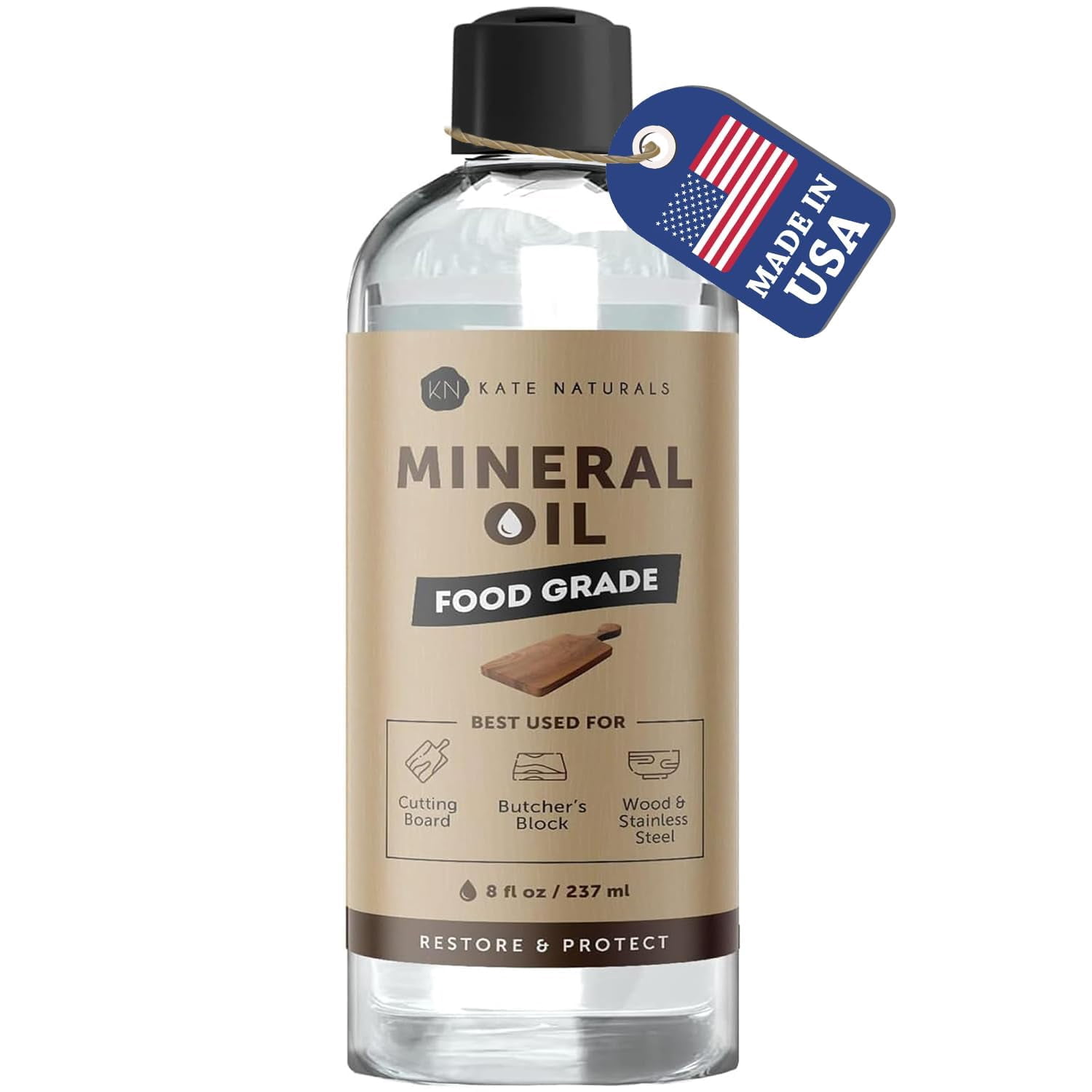
- Use only oils that are safe for food contact, such as food-grade mineral oil.
Over-oiling Or Under-oiling
Putting too much or too little oil on your cutting board can cause problems. Over-oiling can leave the surface sticky and soft. Under-oiling lets the wood dry and crack.
| Oiling Problem | Effect on Board |
| Too Much Oil | Sticky surface, attracts dirt |
| Too Little Oil | Wood dries out, cracks form |
| Right Amount | Protects wood, keeps surface smooth |
Neglecting Regular Maintenance
Many people forget to oil their cutting boards regularly. This neglect causes the wood to dry out and weaken. Regular care keeps the board strong and safe to use.
- Clean the board after each use.
- Oil the board once a month or as needed.
- Store in a dry place away from sunlight.
Credit: www.walmart.com
Choosing The Right Oil For Your Needs
Oiling your cutting board keeps it safe and looking good. The right oil protects wood from drying out and cracking.
Different oils have different features. Choose one that fits your budget, allergies, and environmental values.
Budget Considerations
Oils vary in price. Some natural oils cost more but last longer. Others are cheaper but need more frequent use.
Think about how often you will oil your board. A low-cost oil might be better for occasional use. A pricier oil can be better for regular care.
- Mineral oil is affordable and easy to find.
- Walnut oil costs more but absorbs well.
- Coconut oil is mid-priced and has a nice scent.
Allergy Concerns
Some oils come from nuts or seeds. This can cause allergic reactions for some people.
Mineral oil is safe for those with nut allergies because it is petroleum-based. Plant oils like walnut or almond may cause issues.
- Check if anyone using the board has allergies.
- Choose mineral oil for allergy safety.
- Use nut oils only if you are sure no allergies exist.
Environmental Impact
Some oils come from natural, renewable sources. Others are made from petroleum. This affects the environment.
Plant-based oils like flaxseed and coconut are eco-friendly. Mineral oil is less natural but often refined for safety.
- Choose plant oils for renewable sources.
- Look for oils with sustainable harvesting.
- Check if the oil is biodegradable.
Frequently Asked Questions
What Oil Is Best For Cutting Boards?
Mineral oil is often recommended for cutting boards. It’s food-safe and prevents wood from drying. It penetrates the wood and helps in maintaining its condition. Always choose food-grade mineral oil for best results. It’s affordable and easily available in most stores.
Can I Use Olive Oil On Cutting Boards?
It’s not recommended to use olive oil on cutting boards. Olive oil can turn rancid over time. This may cause an unpleasant smell and affect the wood. Instead, use food-grade mineral oil for better results. It’s more effective and ensures longevity.
How Often Should I Oil My Cutting Board?
You should oil your cutting board once a month. Frequent use might require more oiling. This keeps the wood conditioned and prevents cracking. Regular maintenance enhances its lifespan and functionality. Always clean the board before applying oil.
Is Coconut Oil Safe For Cutting Boards?
Coconut oil is not ideal for cutting boards. It can go rancid and isn’t as effective. Food-grade mineral oil is a better choice. It doesn’t spoil and keeps the board in good condition. Always ensure the oil used is food-safe.
Conclusion
Choosing the right oil keeps your cutting board safe and clean. Mineral oil is a popular choice. It soaks in well and protects the wood. Food-grade oils help stop cracks and stains. Avoid cooking oils that go bad quickly. Regular oiling extends your board’s life.
Your cutting board stays smooth and strong. Care is simple and worth the effort. Use the best oil to keep your board ready. A little care goes a long way.