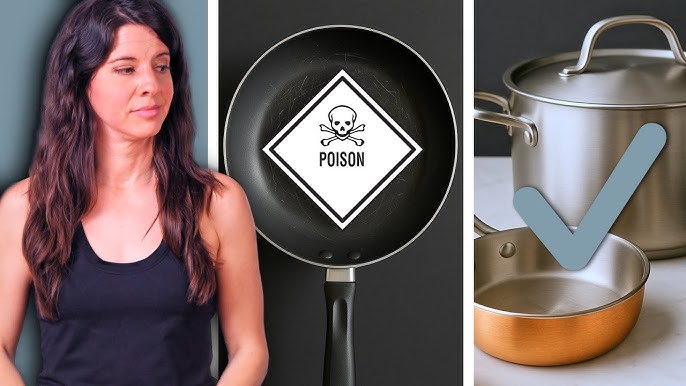
Have you ever wondered if the pans you use every day could be harming your health? What if the very tools you trust to cook your meals are secretly releasing toxic chemicals?
Choosing the right pan isn’t just about convenience or style—it’s about keeping you and your family safe. You’ll discover which pans might be toxic and learn how to spot the safest options for your kitchen. Keep reading to protect your health and make smarter cooking choices.
Common Toxic Materials In Cookware
Many pans contain materials that can be harmful to health. It is important to know which ones may release toxins.
This guide looks at common toxic materials found in cookware and their possible risks.
Aluminum And Its Risks
Aluminum pans are lightweight and cheap. But they may leach aluminum into food, especially acidic dishes.
High aluminum intake can affect the brain and bones. People with kidney problems should avoid it.
Nonstick Coatings And Chemicals
Nonstick pans often have chemicals that create a smooth surface. These chemicals can break down when heated.
Heating damaged coatings may release toxic fumes. These fumes can cause flu-like symptoms called “polymer fume fever.”
Teflon And Pfoa Concerns
Teflon is a popular nonstick coating. It used to be made with PFOA, a harmful chemical linked to health risks.
Many manufacturers stopped using PFOA. Still, overheated Teflon pans can release toxic gases harmful to birds and humans.
Copper Cookware Hazards
Copper pans conduct heat well but can release copper into food. Too much copper can cause poisoning.
Most copper pans have a lining to prevent this. Damaged linings increase the risk of copper exposure.

Credit: www.youtube.com
Health Effects Of Toxic Pans
Toxic pans can release harmful chemicals when heated. These chemicals can affect your health in many ways.
It is important to know the symptoms and risks of using unsafe cookware. This helps you protect yourself and your family.
Short-term Symptoms
Using toxic pans may cause quick health problems. These include headaches, dizziness, and nausea. Some people may also have skin or eye irritation.
- Headaches
- Dizziness
- Nausea
- Skin irritation
- Eye irritation
Long-term Health Risks
Long use of toxic pans can lead to serious health issues. Chemicals may build up in the body and cause damage over time. These risks include cancer, liver damage, and hormone problems.
| Health Risk | Description |
| Cancer | Certain chemicals in pans can increase cancer risk. |
| Liver Damage | Some toxins harm liver function and cause disease. |
| Hormone Problems | Exposure can disrupt hormone balance and cause illness. |
Vulnerable Groups
Certain people face higher risks from toxic pans. These groups include children, pregnant women, and people with weak immune systems.
Vulnerable groups:
- Children
- Pregnant women
- People with weak immune systems
These groups should avoid using toxic pans to stay safe.
How Toxicity Occurs During Cooking
Some pans release harmful chemicals while cooking. This happens under certain conditions. Knowing how toxicity occurs helps you cook safely.
Toxic substances can come from pan materials or coatings. Heat, scratches, and food types affect this release.
High Heat And Chemical Release
Using very high heat can cause pans to release toxic chemicals. Non-stick pans often break down above 500°F (260°C).
When coatings break down, they release fumes or particles. These can be harmful if inhaled or ingested.
- Non-stick coatings may emit toxic fumes at high heat
- Aluminum pans can leach metal when overheated
- Cast iron is safe but can rust if overheated and left wet
Scratches And Wear Effects
Scratches damage pan surfaces and coatings. This damage can release particles and chemicals into food.
Worn pans lose their protective layers. Metals or toxic chemicals may mix with food more easily.
- Scratched non-stick pans release flakes and chemicals
- Exposed metals in worn pans can react with food
- Replacing damaged pans reduces risk of toxicity
Interaction With Acidic Foods
Acidic foods like tomatoes or lemon juice can react with some pans. This reaction may cause metals or chemicals to leach into food.
Aluminum and copper pans often react with acids. This can change the food taste and safety.
- Acidic foods speed metal leaching from aluminum pans
- Copper pans can release toxic copper when cooking acids
- Stainless steel resists acid but can still react if damaged

Credit: www.youtube.com
Safe Alternatives To Toxic Pans
Many pans can release harmful chemicals when heated. Choosing safe cookware helps protect your health.
This guide explains safe pan options that do not leach toxins into your food.
Stainless Steel Benefits
Stainless steel pans do not react with food or release harmful substances. They are strong and last a long time.
These pans heat evenly and work well for many cooking styles. They are also easy to clean.
- Non-reactive with acidic or alkaline foods
- Durable and resistant to rust
- Safe for use at high heat
Cast Iron Advantages
Cast iron pans are natural and free from synthetic coatings. They add a small amount of iron to your food, which can be healthy.
These pans hold heat well and can last for generations with proper care. They need seasoning to keep a non-stick surface.
- Provides good heat retention
- Can improve iron intake from food
- Becomes more non-stick over time
Ceramic And Glass Options
Ceramic and glass cookware are free from harmful chemicals like PFOA and PTFE. They are safe for cooking and easy to clean.
These pans heat well but may be less durable than metal options. They do not release toxins even if scratched.
- Non-toxic and chemical free
- Good for low to medium heat cooking
- Dishwasher safe and easy to maintain
Tips For Choosing Safe Cookware
Choosing safe cookware helps keep your food healthy. Some pans can release harmful chemicals when heated.
Knowing which pans are toxic and which are safe is important for your kitchen.
Labels And Certifications To Look For
Look for labels that show your pan is free from harmful chemicals. Certifications prove the cookware meets safety standards.
- PTFE-free or PFOA-free labels indicate safer non-stick coatings.
- FDA-approved means the material is safe for food contact.
- “BPA-free” labels show no harmful plastics were used.
- Certification from SGS or NSF shows tested quality.
Proper Usage And Maintenance
Use your pans as the maker suggests. Overheating or scratching can release toxins.
Clean your pans carefully. Avoid harsh scrubbing or metal utensils that damage coatings.
- Do not heat empty non-stick pans.
- Use wooden or silicone utensils to protect surfaces.
- Hand wash pans to extend their life.
- Follow temperature guidelines on labels.
When To Replace Old Pans
Old pans with scratches or peeling coatings can be toxic. Replace them to stay safe.
Check pans often for damage. If non-stick surfaces peel or metal rusts, it is time to buy new cookware.
- Replace pans with deep scratches or chips.
- Throw away pans with peeling coatings.
- Discard rusty or warped pans.
- Consider replacing after 3-5 years of use.
Myths About Cookware Toxicity
Many people worry about toxins in the pans they use for cooking. Some claims say certain pans release harmful chemicals. It is important to separate facts from myths to make safe choices.
This guide looks at common myths about cookware toxicity. It explains what is true and what is not about popular pans.
Popular Misconceptions
People often think all non-stick pans are toxic. They believe chemicals in these pans cause health problems. Another myth is that cast iron pans always release iron in unsafe amounts.
Some say aluminum pans cause Alzheimer’s disease. Others fear that ceramic pans can break down and release poisons. These ideas are common but not always true.
- Non-stick pans release dangerous chemicals when heated
- Cast iron pans release too much iron into food
- Aluminum pans cause brain diseases
- Ceramic coatings can release toxic metals
Facts Versus Fiction
Non-stick pans use a chemical called PTFE. It is safe if the pan is not overheated. Burning the pan can release fumes, but normal cooking is fine. Cast iron pans release iron, but it is usually safe and healthy for most people.
Aluminum pans do not cause brain diseases. Studies show no clear link between aluminum cookware and Alzheimer’s. Ceramic pans are safe if they have proper food-grade coatings. Low-quality ceramic may chip, but it does not usually release poisons.
- PTFE in non-stick pans is safe below 500°F (260°C)
- Iron from cast iron pans is beneficial for many people
- No strong evidence links aluminum pans to brain diseases
- Food-grade ceramic coatings are non-toxic and stable

Credit: www.reddit.com
Frequently Asked Questions
Are Non-stick Pans Toxic?
Non-stick pans are generally safe but can release harmful fumes if overheated. It’s important to use them at low to medium heat. Always ensure proper ventilation when cooking with non-stick pans. Avoid using metal utensils to prevent scratching the surface.
Can Aluminum Pans Be Harmful?
Aluminum pans can be harmful if they leach into food. Acidic foods can increase this risk. Anodized aluminum pans are a safer option as they are coated to prevent leaching. Always avoid using aluminum pans with scratched surfaces.
Are Cast Iron Pans Safe To Use?
Cast iron pans are safe and often considered a healthy cooking option. They can add beneficial iron to your diet. Ensure they are well-seasoned to prevent rust and improve non-stick properties. Regular maintenance ensures their longevity and safety.
Is Ceramic Cookware Non-toxic?
Ceramic cookware is generally non-toxic and safe for cooking. It is free from harmful chemicals like PTFE and PFOA. Always choose high-quality ceramic cookware to avoid potential lead contamination. Proper care and usage can ensure their safety over time.
Conclusion
Choosing safe pans matters for your health and cooking quality. Avoid pans with harmful chemicals like PFOA and lead. Cast iron, stainless steel, and ceramic are safer options. Clean and maintain your pans well to keep them safe. Always check product labels before buying new cookware.
Safe pans help you cook healthy meals every day. Keep your kitchen free from toxic materials for peace of mind. Small changes make a big difference in your health.