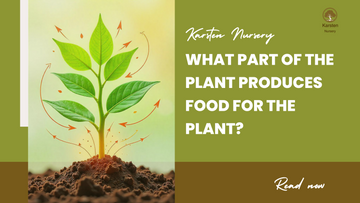
Have you ever wondered how plants make their own food? Understanding which part of a plant is responsible for this amazing process can change the way you see the green world around you.
Knowing this not only satisfies your curiosity but also helps you appreciate nature’s incredible design. You’ll discover the key part of a plant that works like a tiny kitchen, turning sunlight into nourishment. Keep reading, and you’ll unlock the secret behind how plants feed themselves every day.
Plant Parts Involved In Food Production
Plants make food through a process called photosynthesis. Different parts of a plant work together to create and move food.
Understanding these parts helps us learn how plants grow and stay healthy.
Leaves As Primary Food Makers
Leaves are the main parts of a plant that make food. They use sunlight to turn water and air into food.
Leaves contain a green pigment called chlorophyll. This helps capture sunlight for photosynthesis.
Role Of Stems In Food Transport
Stems carry water and nutrients from the roots to the leaves. They also move food made in the leaves to other parts.
Stems have tubes called xylem and phloem. Xylem carries water up, and phloem carries food down.
Roots And Nutrient Absorption
Roots absorb water and minerals from the soil. These are essential for food production in the leaves.
Roots also hold the plant firmly in the ground, helping it stay stable while growing.

Credit: www.youtube.com
How Leaves Create Food
Leaves are the main parts of a plant that make food. They use sunlight, air, and water to create energy.
This process happens inside the leaf cells and helps the plant grow and live.
Chlorophyll And Green Pigments
Leaves have a green pigment called chlorophyll. This pigment absorbs sunlight. It gives leaves their green color.
- Chlorophyll captures light energy
- It helps change light into food
- It works best in bright sunlight
Photosynthesis Process
Photosynthesis is how leaves make food. They use water from roots and carbon dioxide from air.
| Input | Source |
| Water (H2O) | Roots absorb from soil |
| Carbon dioxide (CO2) | Air enters through leaf pores |
| Sunlight | Absorbed by chlorophyll |
These ingredients mix inside the leaf to create glucose, a type of sugar the plant uses as food.
Sunlight’s Role In Food Making
Sunlight provides the energy leaves need to start making food. Without sunlight, photosynthesis cannot happen.
- Sunlight energy hits the leaf
- Chlorophyll absorbs the light
- Energy breaks water into oxygen and hydrogen
- Oxygen leaves the plant
- Hydrogen helps make sugar
Factors Affecting Food Production
Plants make food through a process called photosynthesis. This happens mainly in the leaves. Several factors affect how much food a plant can make.
The environment plays a key role in food production. Light, water, and carbon dioxide are crucial.
Light Intensity And Duration
Plants need light to make food. The amount and duration of light affect photosynthesis.
Bright light speeds up food production. Shorter days may reduce it.
- High light intensity increases food production.
- Longer daylight hours help plants make more food.
- Too much light can damage plant cells.
Water Supply Importance
Water is vital for plants to make food. It helps in transporting nutrients and maintaining structure.
Without enough water, plants cannot perform photosynthesis well.
- Water keeps plant cells healthy.
- It helps in nutrient transportation.
- Drought can reduce food production.
Carbon Dioxide Contribution
Carbon dioxide is a key ingredient in photosynthesis. Plants take it from the air.
More carbon dioxide can lead to more food production.
- High carbon dioxide levels boost photosynthesis.
- It helps plants grow faster.
- Insufficient carbon dioxide limits food production.
Credit: tasweeb.medium.com
Food Storage In Plants
Plants make food through photosynthesis in their leaves. They store this food in different parts to use later. Food storage helps plants survive when they cannot make food.
Storing food also helps plants grow new parts and reproduce. Roots, seeds, and fruits are common places where plants keep food reserves.
Storing Food In Roots And Tubers
Roots and tubers store extra food made by the plant. These parts hold starch and sugars for later use. The plant uses this food during winter or dry seasons.
Examples include carrots, sweet potatoes, and potatoes. These underground parts swell because of stored food. They also help the plant grow new shoots.
- Carrots store food in their roots.
- Potatoes store food in tubers.
- Stored food provides energy for new growth.
Seeds As Food Reserves
Seeds contain stored food to feed the young plant inside. This food helps the seedling grow until it can make its own food. The stored food is usually in the form of starch or oils.
Seeds are important for plant reproduction. They protect the food and the baby plant during dry or cold times. This stored food supports the seedling in early growth stages.
- Seeds store energy for seedling growth.
- Food inside seeds is starch, oils, or proteins.
- Stored food supports the plant before photosynthesis starts.
Fruits And Food Distribution
Fruits develop from flowers and carry seeds inside them. Fruits store sugars and other nutrients to protect seeds. The food in fruits also attracts animals that spread seeds.
Fruits help move food and seeds to new places. This spreads the plant to new areas. The sugars in fruit also provide energy for animals that eat them.
- Fruits store sugars and nutrients.
- They protect seeds inside them.
- Fruits help spread seeds by attracting animals.
Why Food Production Matters
Plants make food through a process called photosynthesis. This food is vital for their growth and survival. Understanding why food production matters helps us see its role in nature.
Food made by plants supports many living things. It keeps ecosystems balanced and helps energy flow through life forms.
Energy For Plant Growth
Plants use sunlight to create food in their leaves. This food gives them the energy to grow strong and healthy.
- Leaves capture sunlight
- Plants turn sunlight into sugar
- Sugar fuels growth and repair
- Energy helps plants make seeds and flowers
Foundation Of The Food Chain
Plants are the base of the food chain. They provide food to animals and insects that eat them.
| Organism | Food Source |
| Herbivores | Plants |
| Carnivores | Herbivores |
| Omnivores | Plants and Animals |
Impact On Ecosystems
Plant food production affects many parts of an ecosystem. It supports animals and keeps the air clean.
Here are some ways plant food production helps ecosystems:
- Provides oxygen through photosynthesis
- Feeds many animal species
- Maintains soil health and prevents erosion
- Supports biodiversity and habitats
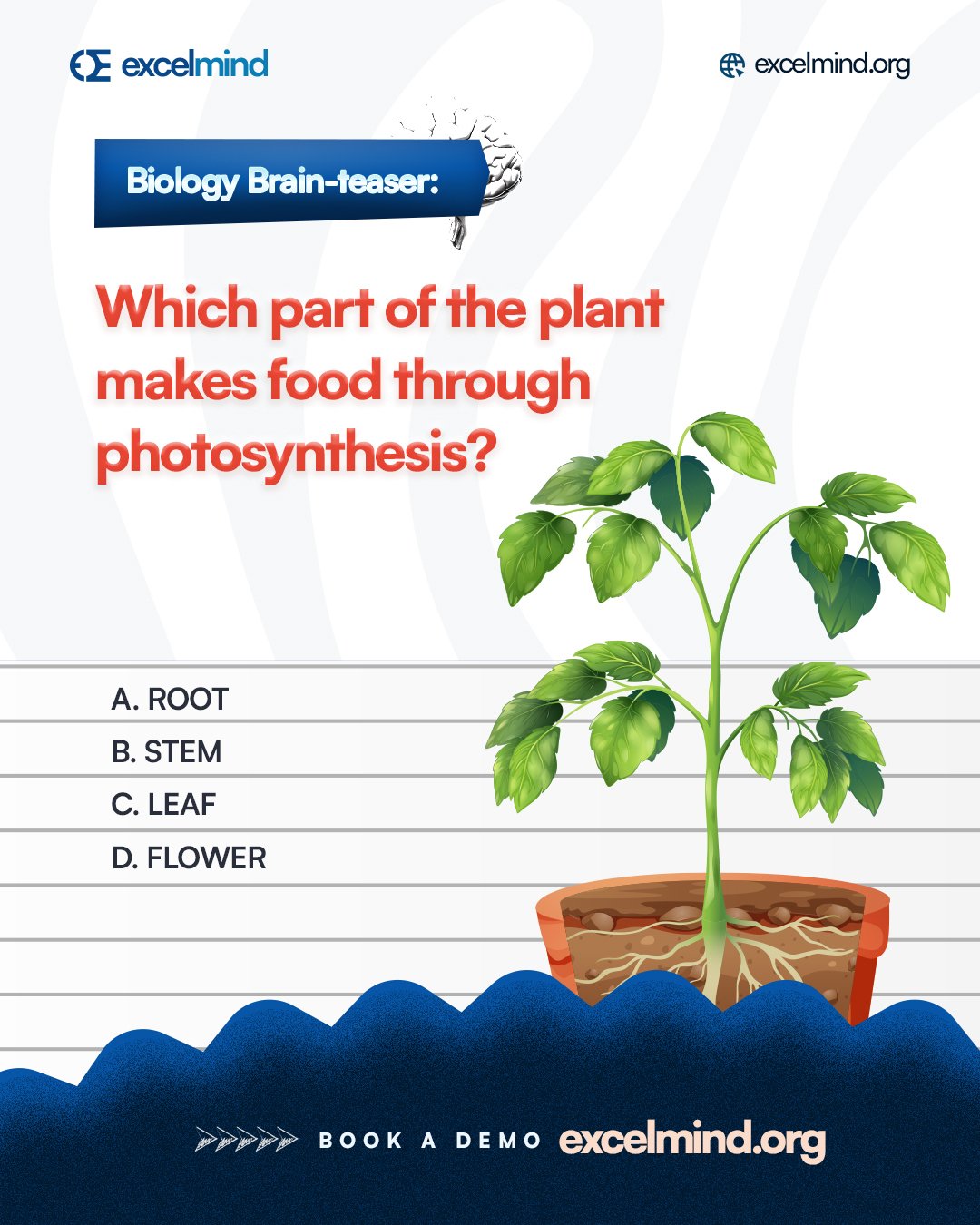
Credit: x.com
Frequently Asked Questions
Which Part Of A Plant Makes Food?
The leaves are the main food-making part of a plant. They use sunlight, water, and carbon dioxide to create food through photosynthesis.
How Do Leaves Make Food For Plants?
Leaves convert sunlight into energy using chlorophyll. This energy helps turn water and carbon dioxide into glucose, which feeds the plant.
What Role Does Chlorophyll Play In Food Production?
Chlorophyll absorbs sunlight, which powers photosynthesis. It gives leaves their green color and helps plants produce energy-rich food.
Can Other Plant Parts Make Food Besides Leaves?
Mostly, leaves make food. However, some green stems also perform photosynthesis but at a much lower rate than leaves.
Conclusion
Plants make their own food through their leaves. Leaves capture sunlight and turn it into energy. This process is called photosynthesis. Water and air also help leaves create food. Roots bring water from the soil to the leaves. Without leaves, plants cannot make food or grow.
So, leaves play a very important role in a plant’s life. Understanding this helps us appreciate how plants live and thrive. Simple yet amazing!