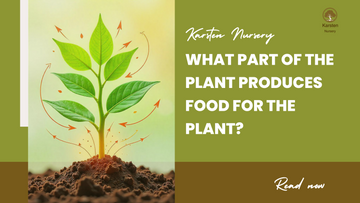
Have you ever wondered how plants feed themselves? You see them grow tall and strong, but do you know which part of the plant actually makes the food that keeps it alive?
Understanding this can change the way you look at every leaf, stem, and root. You’ll discover the secret process that powers plants and learn exactly which part is responsible for making food. Keep reading—you’re about to unlock a simple yet fascinating truth about the green world around you.
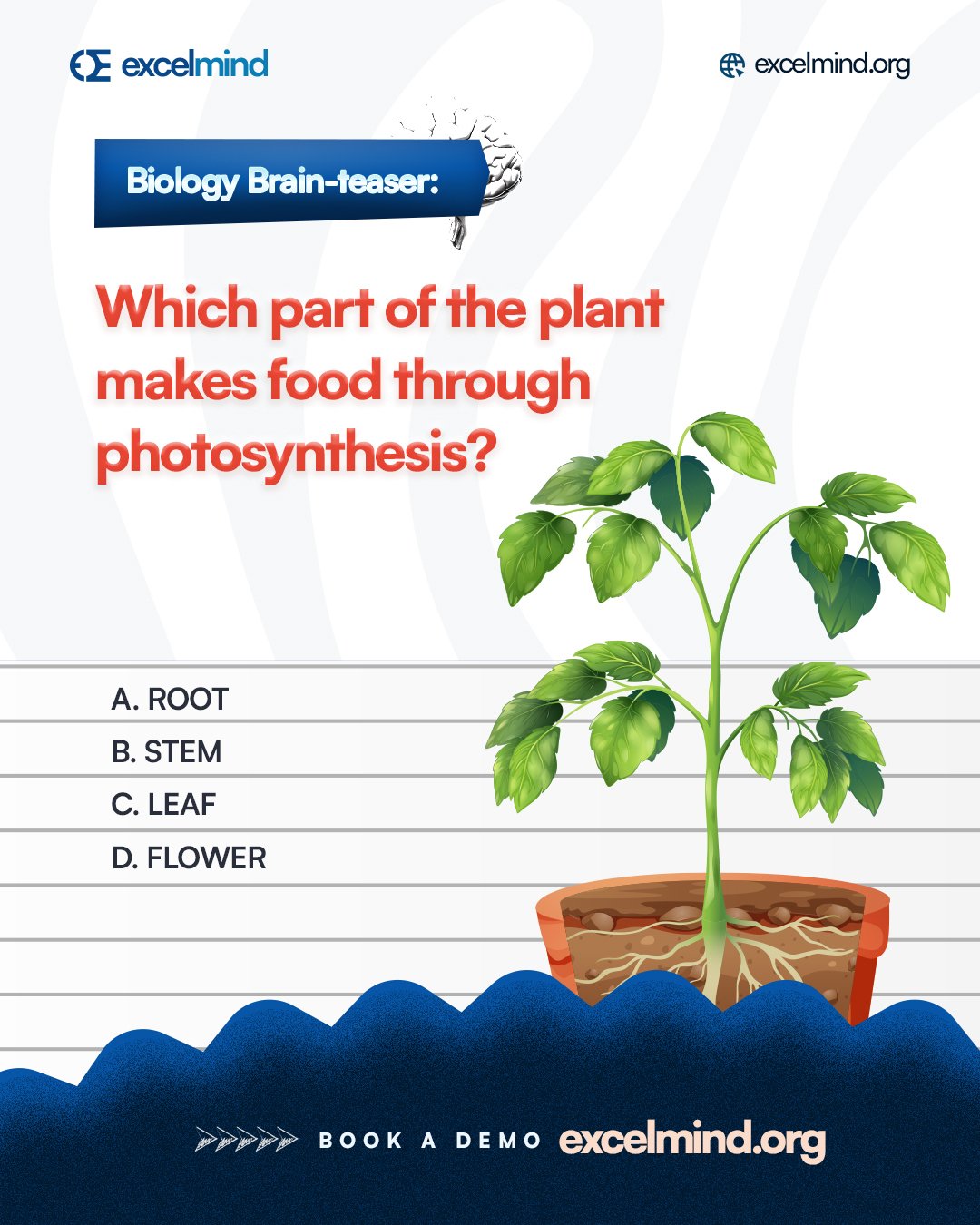
Credit: x.com
Photosynthesis And Food Production
Plants make their own food through a process called photosynthesis. This process happens mainly in the leaves.
Photosynthesis helps plants turn sunlight into energy. This energy is stored as food for growth.
Chlorophyll’s Role
Chlorophyll is the green pigment in leaves. It captures sunlight needed for photosynthesis.
Without chlorophyll, plants cannot absorb sunlight well. It is essential for making food.
Sunlight Conversion
Sunlight provides energy for photosynthesis. Plants convert light energy into chemical energy.
This energy helps change carbon dioxide and water into glucose, a type of sugar.
- Light energy is absorbed by chlorophyll
- Energy is used to split water molecules
- Energy helps form glucose and oxygen
Carbon Dioxide And Water Use
Plants take in carbon dioxide from the air through tiny holes in leaves. They absorb water through roots.
These two ingredients combine with sunlight energy to make food and release oxygen.
- Carbon dioxide enters leaves
- Water moves from roots to leaves
- Both join to form glucose and oxygen
Credit: tasweeb.medium.com
Leaves As Food Factories
Leaves are the main parts of a plant that make food. They use sunlight to create energy. This process is called photosynthesis.
In this process, leaves work like factories. They have special parts that help them catch sunlight and make food for the plant.
Structure Supporting Photosynthesis
Leaves have many parts that help photosynthesis. The flat shape gives a large surface to catch sunlight. Inside, cells have chloroplasts, which hold chlorophyll. Chlorophyll makes the leaf green and traps light energy.
- Flat and thin shape for more sunlight
- Chloroplasts to capture light
- Cells arranged to allow light and air flow
Stomata And Gas Exchange
Stomata are tiny holes on the leaf surface. They open and close to let gases in and out. Carbon dioxide enters for photosynthesis. Oxygen, a byproduct, leaves through stomata.
| Gas | Function |
| Carbon Dioxide (CO2) | Enters leaf for making food |
| Oxygen (O2) | Leaves leaf as waste gas |
| Water Vapor (H2O) | Exits during transpiration |
Veins Transporting Nutrients
Veins are like tiny tubes inside the leaf. They carry water from roots to the leaf. Veins also move food made in the leaf to other parts of the plant. This keeps the plant healthy and growing.
- Xylem moves water and minerals up to the leaf
- Phloem carries food from leaf to stem and roots
- Veins give strength to the leaf
Other Plant Parts Involved
Plants have many parts that help them survive and grow. Each part plays a role in making or storing food.
Besides leaves, the stem, roots, and flowers also help in different ways.
Stem’s Supportive Role
The stem holds the plant upright and moves water and nutrients. It connects roots to leaves. This helps leaves get what they need to make food.
Roots And Nutrient Uptake
Roots absorb water and minerals from the soil. They store food and keep the plant steady in the ground.
- Absorb water from soil
- Take in minerals and nutrients
- Store extra food
- Anchor the plant firmly
Flowers And Food Storage
Flowers can store food in the form of nectar or pollen. They attract insects that help plants reproduce.
| Flower Part | Food Role |
| Nectar | Stores sugar for pollinators |
| Pollen | Contains nutrients for reproduction |

Credit: www.youtube.com
Factors Affecting Food Production
Plants make food through photosynthesis, mainly in their leaves. Many things affect how well they produce food.
Light, water, and temperature all play important roles. Each factor changes how plants grow and make food.
Light Intensity Impact
Light is the energy source for photosynthesis. If light is too low, food production slows down.
- Bright light increases the rate of photosynthesis.
- Too much light can damage leaves.
- Plants need the right amount of light for best growth.
Water Availability
Water is essential for photosynthesis and nutrient transport in plants. Without enough water, plants cannot make enough food.
| Water Condition | Effect on Food Production |
| Plenty of water | High food production |
| Moderate water | Normal food production |
| Low water | Low food production |
| No water | No food production |
Temperature Effects
Temperature affects the speed of chemical reactions in plants. If it is too cold or too hot, food production decreases.
Optimal temperature range for photosynthesis:
- 15°C to 35°C
- Below 15°C slows photosynthesis
- Above 35°C can damage enzymes
Importance Of Plant Food Making
Plants make their own food through a process called photosynthesis. This process happens mainly in the leaves.
Plant food making is very important for life on Earth. It supports many living things and keeps the environment healthy.
Ecosystem Balance
Plants produce food that feeds many animals and insects. This helps keep the food chain working well.
When plants make food, they also support soil health and water cycles. This keeps ecosystems strong and balanced.
Human Food Sources
Plants are the main source of food for humans. Fruits, vegetables, and grains come from plants.
Without plant food making, we would not have enough food to eat every day.
Oxygen Production
Plants release oxygen into the air as they make food. This oxygen is essential for animals and humans to breathe.
Without plants making food, the air would not have enough oxygen to support life on Earth.
Frequently Asked Questions
What Part Of The Plant Produces Food?
The leaves of a plant are responsible for producing food. Through a process called photosynthesis, leaves convert sunlight, carbon dioxide, and water into glucose and oxygen. This process occurs in the chlorophyll-containing cells of the leaves, making them the primary site for food production in plants.
How Do Leaves Make Food For The Plant?
Leaves make food through photosynthesis. They capture sunlight using chlorophyll. This energy helps convert carbon dioxide and water into glucose. Glucose is a sugar that serves as food. Oxygen, a byproduct, is released into the air. This process is vital for the plant’s survival and growth.
Why Are Chlorophyll And Sunlight Important For Plants?
Chlorophyll and sunlight are crucial for photosynthesis. Chlorophyll, found in leaves, absorbs sunlight. This energy drives the conversion of carbon dioxide and water into glucose. Without chlorophyll and sunlight, plants couldn’t produce the food they need to grow and thrive.
They are essential for plant survival.
Can Stems Or Roots Produce Food?
Stems and roots cannot produce food. Only leaves contain chlorophyll necessary for photosynthesis. Stems support the plant and transport nutrients. Roots absorb water and minerals from the soil. While crucial for plant health, they don’t participate in the food-making process like leaves do.
Conclusion
Plants make food in their leaves through photosynthesis. Leaves use sunlight, water, and air to create energy. This process helps plants grow and live. Roots and stems support the plant but do not make food. Understanding this helps us appreciate how plants survive.
Next time you see a plant, remember its leaves work hard every day. Simple yet powerful—nature’s food factory at work.