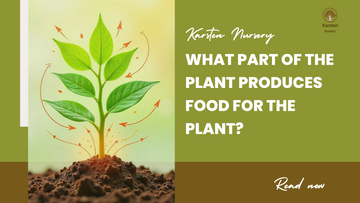
Have you ever wondered how plants feed themselves? You see them growing tall and green, but where exactly does their food come from?
Understanding which part of the plant makes food can unlock the secret behind their amazing ability to survive and thrive. This knowledge isn’t just for science lovers—it can change how you see the world around you every day. Keep reading, and you’ll discover the fascinating process plants use to create their own nourishment, right before your eyes.

Credit: www.youtube.com
Photosynthesis Basics
Plants make their own food using sunlight, water, and air. This process is called photosynthesis.
Leaves are the main parts of plants that make food by capturing sunlight and turning it into energy.
How Plants Capture Light
Leaves catch sunlight through tiny openings called stomata. Light energy helps plants make food.
- Leaves have flat surfaces to catch more light
- Cells in leaves contain chloroplasts that absorb sunlight
- Sunlight energy is used to turn water and air into food
Role Of Chlorophyll
Chlorophyll is a green pigment in leaves. It helps plants absorb sunlight needed for food production.
| Function | Details |
| Color | Green |
| Location | Inside chloroplasts of leaf cells |
| Purpose | Absorbs sunlight for photosynthesis |
Carbon Dioxide And Water Intake
Plants take in carbon dioxide from the air and water from the soil. These are raw materials for making food.
The process includes:
- Roots absorb water from the soil
- Leaves take in carbon dioxide through stomata
- Water and carbon dioxide combine inside the leaf
- Sunlight energy converts them into glucose and oxygen
Leaves As Food Factories
Leaves are the main parts of plants that make food. They use sunlight to change water and air into energy.
This process helps plants grow and gives us oxygen to breathe.
Structure Of A Leaf
A leaf has many parts that help it make food. The flat surface catches sunlight. Inside, there are layers that hold cells.
The top layer protects the leaf. The middle has cells full of chloroplasts. The bottom layer has tiny openings.
- Cuticle: a waxy layer that stops water loss
- Upper epidermis: thin layer that protects
- Palisade cells: packed with chloroplasts for sunlight
- Spongy cells: allow air to flow inside
- Lower epidermis: contains stomata for gas exchange
Stomata And Gas Exchange
Stomata are small holes on the leaf’s underside. They open and close to let gases in and out.
Leaves take in carbon dioxide and release oxygen through stomata. Water vapor also leaves here in a process called transpiration.
- Carbon dioxide enters through stomata
- Oxygen leaves as a waste gas
- Water vapor exits during transpiration
Chloroplasts’ Function
Chloroplasts are tiny green parts inside leaf cells. They capture sunlight to make food for the plant.
They use light, water, and carbon dioxide to create glucose and oxygen. This process is called photosynthesis.
- Contain chlorophyll, the green pigment
- Convert sunlight into chemical energy
- Produce glucose as food for the plant
- Release oxygen into the air
Other Plant Parts Involved
Plants use various parts to make and transport food. Each part plays a unique role in this process. Let’s explore these plant parts and their functions.
Understanding these roles helps us appreciate the complexity of plants. Here, we focus on stems, roots, and green stems.
Stem’s Role In Transport
The stem is like a highway for plants. It moves water and nutrients from roots to leaves. Leaves use these to make food through photosynthesis.
Stems have tubes called xylem and phloem. Xylem carries water and minerals. Phloem moves food from leaves to other parts.
- Xylem: Transports water and minerals
- Phloem: Carries food made in leaves
- Supports plant structure
Roots And Nutrient Absorption
Roots anchor the plant and absorb nutrients. They take in water and minerals from the soil. These are vital for making food in the leaves.
Roots have tiny hairs that increase surface area. This helps them absorb more water and nutrients efficiently.
- Anchor the plant in the soil
- Absorb water and minerals
- Store food for later use
Green Stems And Photosynthesis
Some stems are green and can perform photosynthesis. Green stems contain chlorophyll, like leaves. They help make food using sunlight.
These stems are especially important in young plants. They provide extra energy by making food directly.
- Contain chlorophyll
- Help in photosynthesis
- Provide extra energy for growth
Credit: tasweeb.medium.com
Energy Storage And Distribution
Plants make their own food using sunlight. This food is a type of sugar called glucose. The plant stores and moves this sugar to parts that need energy.
Energy storage and distribution keep the plant healthy. Different plant parts help with this process.
Sugar Production And Movement
Leaves produce sugar through photosynthesis. They capture sunlight and turn it into glucose.
The sugar moves through tubes called phloem. It travels to parts like roots and fruits that need energy.
- Leaves make sugar using sunlight
- Phloem tubes carry sugar around
- Sugar moves to growing and storage parts
Storage In Fruits And Roots
Fruits and roots store extra sugar as starch. This stored energy helps the plant grow later.
Roots keep energy to survive winter or dry times. Fruits use stored sugar to help seeds grow.
- Fruits store sugar for seed growth
- Roots save energy for tough seasons
- Starch is the stored form of sugar
Plant Energy Usage
Plants use stored energy to build new cells. This helps them grow taller and make flowers or seeds.
Energy also powers repair and defense. Plants keep moving sugar to where it is needed most.
Environmental Factors Affecting Food Production
Plants make food through photosynthesis, a process influenced by the environment. Different factors like light, water, and temperature affect how well plants produce food.
Understanding these factors helps us learn how plants grow and make food in nature and farms.
Light Intensity And Duration
Light is essential for photosynthesis. Plants need enough light to make food. The intensity and length of light each day affect how much food plants produce.
- High light intensity increases food production.
- Longer daylight hours help plants make more food.
- Too little light slows down photosynthesis.
- Very strong light can damage plant leaves.
Water Availability
Water is a key ingredient in photosynthesis. Plants absorb water through their roots. Water helps transport nutrients and keeps the plant cells healthy.
| Water Condition | Effect on Food Production |
| Enough water | Supports healthy photosynthesis |
| Too little water | Stomata close; photosynthesis slows |
| Too much water | Roots may rot; plant growth stops |
Temperature And Climate Effects
Temperature affects how enzymes work in plants. Ideal temperatures help plants make food efficiently. Extreme temperatures can harm the process.
Here are common temperature effects on food production:
- Low temperatures slow down photosynthesis.
- High temperatures can cause enzymes to stop working.
- Plants in moderate climates usually produce more food.

Credit: askabiologist.asu.edu
Adaptations In Different Plants
Plants make food through photosynthesis using their leaves. Different plants have special features to survive in various places. These changes help them get enough light, water, and nutrients.
We will look at three kinds of plants and how they adapt to their environments. These are succulents, shade plants, and aquatic plants.
Succulents And Water Conservation
Succulents store water in their thick leaves or stems. This helps them live in dry places with little rain. Their leaves are often thick and waxy to keep water inside.
- Thick, fleshy leaves or stems to hold water
- Waxy coating to reduce water loss
- Small or no leaves to lower surface area
- Shallow but wide roots to catch rain quickly
Shade Plants And Low Light
Shade plants grow under trees or in places with little sunlight. Their leaves are larger and thinner to catch more light. They also have more chlorophyll to make food in low light.
| Feature | Purpose |
|---|---|
| Large leaves | Capture more sunlight |
| Thin leaves | Let light pass through easily |
| High chlorophyll | Improve photosynthesis in low light |
Aquatic Plants’ Photosynthesis
Aquatic plants live in water and face different challenges. They have adaptations to get carbon dioxide and light underwater. Some have floating leaves to access air and sunlight.
| Adaptation | Description |
|---|---|
| Floating leaves | Stay on water surface to absorb sunlight and air |
| Thin cuticle | Allows gas exchange directly with water |
| Air spaces in tissues | Help float and transport gases inside the plant |
Frequently Asked Questions
Which Part Of The Plant Is Responsible For Making Food?
The leaves are the main part of the plant that makes food. They use sunlight, water, and carbon dioxide to produce glucose through photosynthesis. This process provides energy for the plant to grow and develop.
How Do Leaves Make Food For The Plant?
Leaves contain chlorophyll, which captures sunlight. This energy helps convert water and carbon dioxide into glucose. Oxygen is released as a byproduct during photosynthesis, which occurs primarily in the leaf cells.
Why Are Leaves Essential For Plant Food Production?
Leaves have specialized cells with chloroplasts that perform photosynthesis. This process produces glucose, the plant’s food, and oxygen. Without leaves, plants cannot create the energy needed for survival.
Can Other Plant Parts Make Food Besides Leaves?
Generally, leaves are the primary food-making parts. However, some green stems can perform photosynthesis too. Roots and flowers usually do not make food but support the plant in other ways.
Conclusion
Plants make their own food using their leaves. Leaves catch sunlight and turn it into energy. This process is called photosynthesis. Water and air help leaves create food for the plant. Without leaves, plants cannot survive. Roots and stems support the plant but do not make food.
Understanding this helps us appreciate how plants grow. Next time you see a green leaf, remember its important job. Leaves keep plants alive and healthy every day. Simple, natural, and amazing.