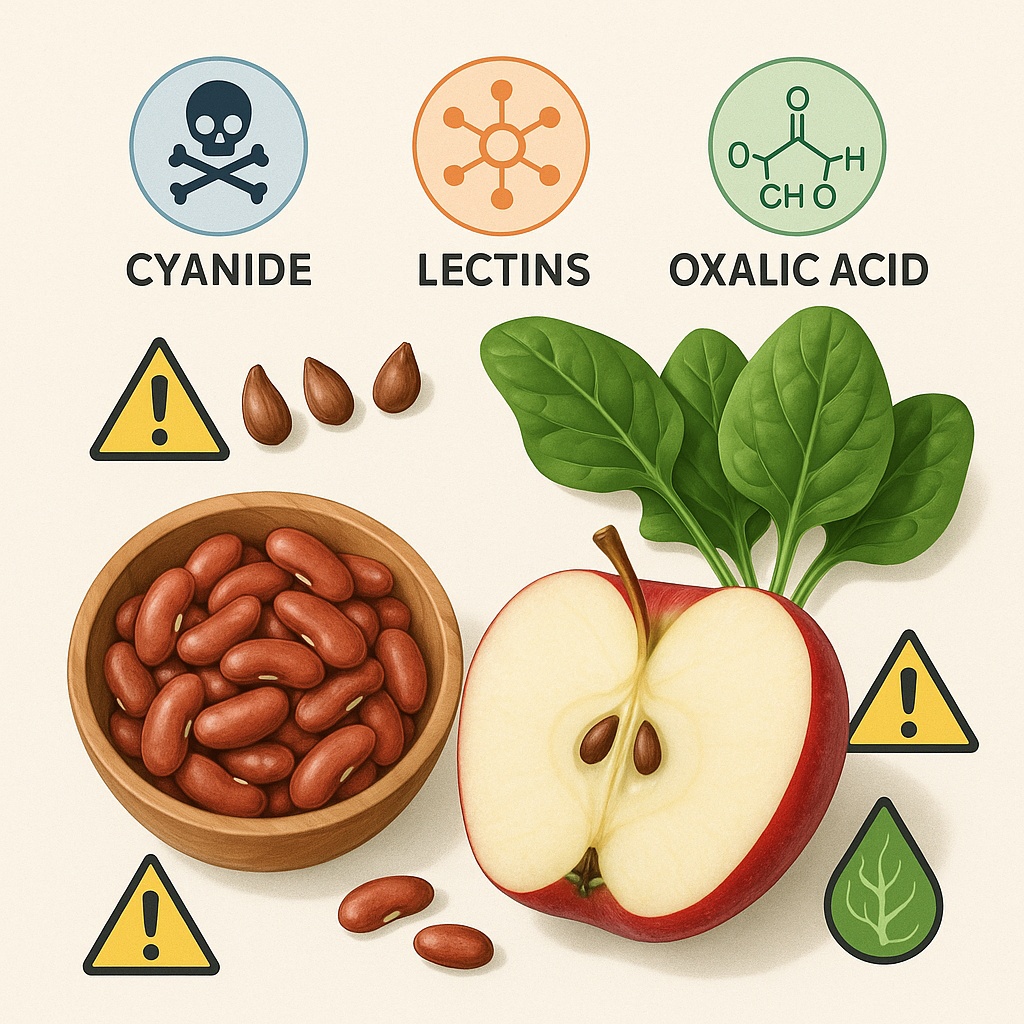
Have you ever wondered if the plant foods on your plate could be harmful when not cooked properly? It might surprise you to learn that some common plant foods can become toxic if undercooked.
This isn’t just about taste or texture—your health could be at risk. Knowing which foods need careful cooking can protect you and your loved ones from unpleasant, even dangerous, side effects. Keep reading to discover the hidden dangers in everyday plants and how to prepare them safely.
Your next meal might depend on it.

Credit: www.discovermagazine.com
Common Toxic Plant Foods
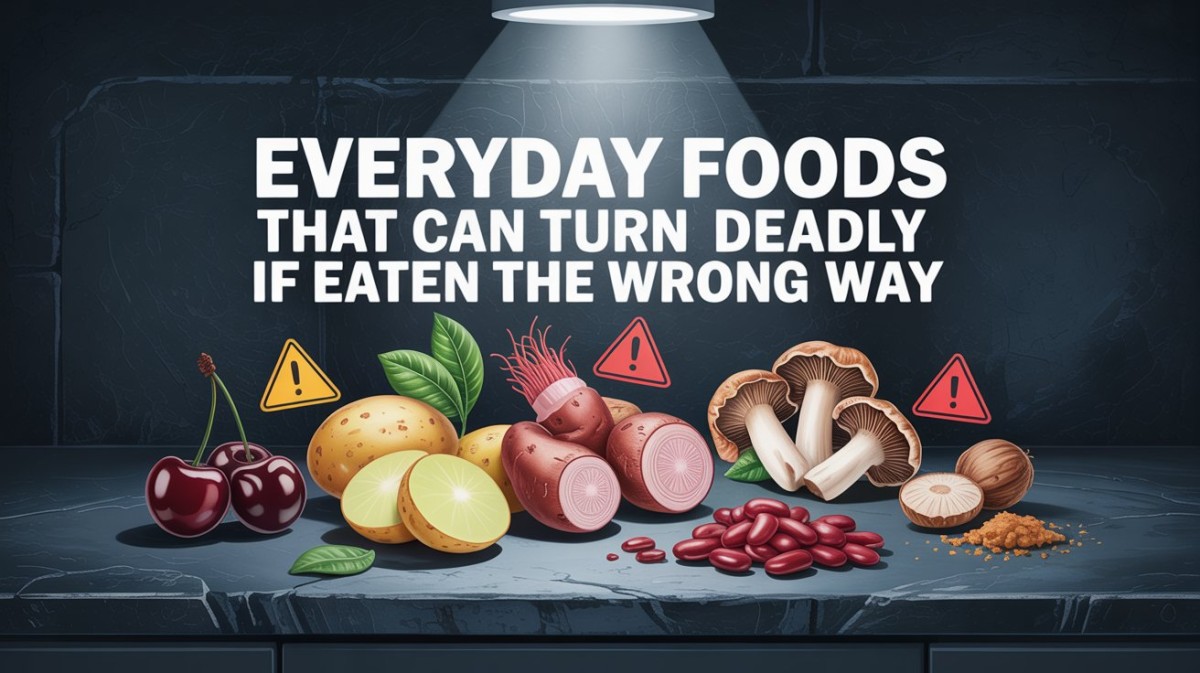
Some plant foods can be harmful if they are not cooked properly. Eating them raw or undercooked may cause sickness.
Knowing which plants are toxic helps keep you safe. Cooking these foods well removes most of the toxins.
Beans And Legumes
Many beans contain natural toxins called lectins. Raw or undercooked beans can cause stomach pain or vomiting.
Red kidney beans are the most toxic if not cooked right. Boiling them for at least 10 minutes destroys the toxins.
- Red kidney beans
- Fava beans
- Broad beans
- Lima beans
Potatoes And Nightshades
Potatoes and some other nightshades contain solanine, a natural poison. Green or sprouted potatoes have more solanine.
Eating raw or green potatoes can cause nausea, headaches, and dizziness. Cooking reduces solanine but does not remove it all.
- Potatoes (especially green or sprouted)
- Tomatoes (unripe)
- Eggplants (in large amounts)
Cassava And Root Vegetables
Cassava contains cyanogenic glycosides that release cyanide. Eating raw or undercooked cassava can be deadly.
Proper peeling, soaking, and cooking remove most toxins. Other root vegetables like taro also need cooking to be safe.
- Cassava
- Taro
- Yam (some varieties)

Credit: dailydish.co.uk
Toxins In Undercooked Plants
Some plants have natural toxins that can harm people if not cooked well. Cooking breaks down these toxins and makes the plants safe to eat.
Eating undercooked plants with toxins can cause stomach pain, nausea, or worse health problems. It is important to know which plants need careful cooking.
Lectins In Beans
Lectins are proteins found in many beans. Raw or undercooked beans have high levels of lectins, which can cause sickness.
Red kidney beans have especially strong lectins. Eating just a few raw beans can cause nausea and vomiting.
- Soak beans in water for several hours
- Boil beans for at least 10 minutes
- Do not eat beans that are still hard or undercooked
Solanine In Potatoes
Solanine is a natural poison in potatoes, especially in green or sprouted parts. It can cause headaches and stomach problems.
Cooking reduces solanine but does not remove it completely if the potato is green or sprouted. Avoid eating those parts.
- Remove green skins and sprouts before cooking
- Cook potatoes thoroughly until soft
- Do not eat potatoes that taste bitter
Cyanogenic Glycosides In Cassava
Cassava contains cyanogenic glycosides, which release cyanide when eaten raw or undercooked. Cyanide is very toxic to humans.
Proper processing like peeling, soaking, and cooking removes most of the toxin. Eating raw cassava can cause serious poisoning.
- Peel cassava roots before cooking
- Soak peeled cassava in water for several hours
- Boil cassava well until soft
Health Risks Of Consumption
Some plant foods can be harmful if not cooked well. These foods may contain toxins that pose health risks.
Eating undercooked plant foods can lead to serious health problems. It is important to cook them properly to avoid risks.
Symptoms Of Poisoning
Consuming toxic plant foods can cause immediate symptoms. These symptoms can be mild or severe.
- Nausea and vomiting
- Stomach cramps
- Diarrhea
- Dizziness
- Difficulty breathing
Long-term Health Effects
Repeated exposure to toxins can lead to long-term effects. These effects may impact overall health and well-being.
It is crucial to avoid these foods when undercooked to prevent lasting damage.
At-risk Groups
Some people are more at risk when consuming undercooked plant foods. Their bodies may react more severely to toxins.
| Group | Reason for Risk |
| Children | Developing immune systems |
| Elderly | Weaker immune defenses |
| Pregnant Women | Risk to the unborn child |
| People with chronic illnesses | Compromised health status |
Credit: www.healu360.com
Safe Cooking Methods
Some plant foods contain toxins that can harm you if not cooked well. These toxins break down only with proper heat and preparation. Cooking them safely keeps your food tasty and healthy.
Plants like kidney beans have natural poisons. Eating them undercooked may cause stomach pain or worse. Learning safe cooking methods helps you enjoy these foods without risk.
Proper Boiling Techniques
Boiling is the best way to remove toxins from many plant foods. Use plenty of water and keep the heat high. This stops the poisons from staying active.
Start boiling beans or other plants in fresh water. Bring the water to a strong boil and let it bubble for the right time. Avoid slow cooking without boiling first.
- Use a large pot with lots of water
- Boil at a rolling boil, not just simmer
- Discard water used for soaking before boiling
- Keep pot covered to maintain heat
Soaking And Preparing
Soaking plant foods like beans helps reduce toxins before cooking. Soak them in fresh water for several hours or overnight. Change the water once or twice during soaking.
Rinse the soaked food well before cooking. This removes leftover toxins and dirt. Preparing plants this way lowers cooking time and improves safety.
- Use clean water for soaking
- Soak for 8 to 12 hours
- Change water at least once
- Rinse thoroughly before cooking
Cooking Times To Avoid Toxicity
Under cooking plant foods can leave toxins active. Follow recommended cooking times to make food safe. Some plants need longer boiling to remove poisons fully.
Do not eat plants like kidney beans until boiled for at least 10 minutes. Slow cooking without boiling first can increase toxin risk. Use a timer to cook for the right time.
- Kidney beans: boil for at least 10 minutes
- Lima beans: boil for 15 to 20 minutes
- Other beans: check package instructions
- Avoid slow cooking without initial boiling
Preventive Tips For Home Cooks
Some plant foods can be harmful if they are not cooked well. Eating undercooked plants may cause stomach pain or other health issues. Home cooks should know how to prepare these foods safely.
This guide shares simple tips to avoid risks. It covers how to pick, store, and check plant foods to keep your meals safe and healthy.
Selecting Safe Plant Foods
Choose plant foods that are known to be safe and easy to cook. Some plants have natural toxins that need heat to break down. Know which ones require full cooking before eating.
- Beans like kidney beans contain toxins unless boiled properly.
- Green potatoes have solanine, which is toxic if eaten raw or undercooked.
- Rhubarb leaves contain oxalic acid and must not be eaten.
- Always buy fresh, undamaged produce to reduce risk.
Storage And Handling
Store plant foods in the right way to keep them safe. Poor storage can increase toxins or cause spoilage. Handle food with clean hands and tools to avoid contamination.
- Keep beans dry and store in a cool, dark place.
- Do not eat potatoes that are green or sprouting.
- Wash vegetables thoroughly before cooking.
- Use separate cutting boards for raw plants and cooked food.
Recognizing Unsafe Food
Learn to spot signs of unsafe plant foods. Some look normal but can cause harm. Check for changes in color, smell, or texture before cooking.
- Discard beans that are shriveled or moldy.
- Avoid potatoes with green skin or bitter taste.
- Do not eat rhubarb leaves or any parts that look damaged.
- If food smells bad or looks unusual, do not use it.
Myths And Misconceptions
Many people worry about eating plant foods that might be toxic if undercooked. Some plants do have natural toxins, but cooking usually makes them safe. This article clears up common myths.
Knowing which raw plant foods are safe and understanding cultural cooking habits helps avoid confusion. It also prevents unnecessary fear of healthy foods.
Raw Plant Foods That Are Safe
Many fruits and vegetables are safe to eat raw. People often think all raw plants can be harmful, but this is not true. Here are some examples of safe raw plants.
- Carrots
- Tomatoes
- Cucumbers
- Apples
- Berries
Common Cooking Mistakes
Some plants need proper cooking to remove toxins. Cooking mistakes can keep harmful substances in the food. Avoid these errors for safety.
- Not boiling beans long enough
- Using too low heat
- Skipping soaking steps
- Eating wild plants without proper preparation
- Ignoring signs of spoilage
Cultural Practices And Safety
Different cultures have safe ways to prepare plants that might seem risky raw. These traditions show how to make plants safe to eat.
| Plant | Common Cultural Preparation | Purpose |
| Cassava | Soaking and boiling | Remove cyanide toxins |
| Lima Beans | Boiling thoroughly | Destroy lectins |
| Kidney Beans | Soaking and boiling | Reduce harmful proteins |
| Eggplant | Salting and cooking | Reduce bitterness and toxins |
| Spinach | Cooking lightly | Lower oxalate levels |
Frequently Asked Questions
Which Plant Foods Are Toxic If Undercooked?
Certain plant foods like kidney beans contain toxins harmful if undercooked. Proper cooking destroys these toxins, making them safe to eat.
Why Are Some Plant Foods Toxic When Raw Or Undercooked?
Raw or undercooked plant foods may contain natural toxins or antinutrients that cause digestive issues or poisoning if not cooked thoroughly.
How Can I Safely Prepare Toxic Plant Foods?
Soak, boil, or pressure cook toxic plant foods well to neutralize toxins. Follow recommended cooking times to ensure safety.
What Symptoms Indicate Poisoning From Undercooked Plant Food?
Symptoms include nausea, vomiting, diarrhea, and abdominal pain. Immediate medical attention is advised if these occur after eating undercooked plants.
Conclusion
Some plant foods can be harmful if not cooked well. Beans, potatoes, and cassava need proper heat to be safe. Eating them raw or undercooked may cause stomach pain or worse. Cooking breaks down toxins and makes food safe to eat.
Always follow cooking instructions carefully. Stay safe and enjoy your meals without worry. Understanding which plants need full cooking helps protect your health. Simple steps can prevent serious problems. Remember, good cooking keeps food tasty and safe.