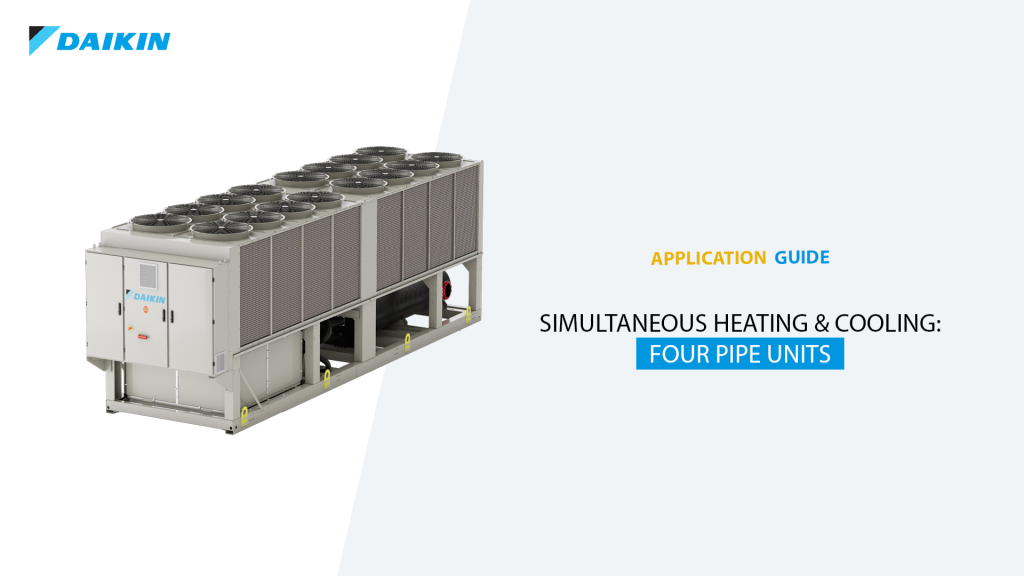
Have you ever wished your home could heat one room while cooling another at the same time? Imagine the comfort and energy savings you could enjoy without constantly adjusting your thermostat.
Understanding which system allows simultaneous heating or cooling can change the way you manage your indoor climate. If you want to take control of your comfort and reduce energy bills, keep reading—this could be the solution you’ve been searching for.
Types Of Hvac Systems
HVAC systems control heating, ventilation, and air conditioning in buildings. Different systems have different ways to heat or cool spaces.
Some systems only heat or cool at one time. Others can do both at the same time. This depends on the system type.
Single-function Systems
Single-function HVAC systems either heat or cool a space, but not both at the same time. These systems switch between modes.
Examples include traditional furnaces for heating and air conditioners for cooling. They work one at a time depending on the need.
- Furnaces provide heat only
- Air conditioners provide cooling only
- Heat pumps switch between heating and cooling but not simultaneously
Multi-function Systems
Multi-function HVAC systems can heat and cool different areas at the same time. They use advanced technology to control zones.
These systems allow simultaneous heating and cooling, making them flexible for homes or buildings with varied needs.
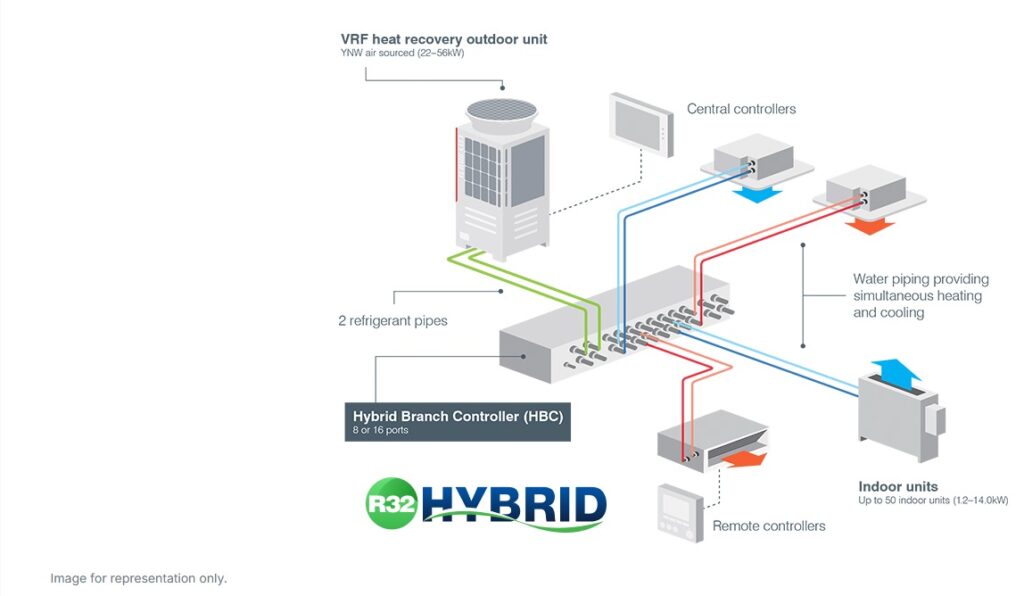
- Variable Refrigerant Flow (VRF) systems can heat one zone and cool another
- Dual fuel systems combine heat pumps with furnaces for efficient heating and cooling
- Central HVAC with zone control uses dampers to manage different temperatures in rooms

Credit: evroprom.com
Simultaneous Heating And Cooling Systems
Simultaneous heating and cooling systems provide comfort in different areas at the same time. These systems are useful in buildings with varying temperature needs.
They allow one zone to be heated while another is cooled. This helps save energy and increases indoor comfort.
Dual-zone Hvac Systems
Dual-zone HVAC systems control temperatures in two separate areas. Each zone can be set independently for heating or cooling.
- Uses separate thermostats for each zone
- Allows heating in one zone and cooling in another
- Improves energy efficiency by avoiding over-conditioning
- Works well in homes and offices with different needs
Heat Recovery Ventilators
Heat recovery ventilators (HRVs) exchange heat between incoming and outgoing air. They recover heat from warm air leaving the building.
| Feature | Description |
| Function | Transfers heat from exhaust air to fresh air |
| Energy Savings | Reduces heating and cooling loads |
| Indoor Air Quality | Improves ventilation without energy loss |
| Use | Works in all seasons for heating and cooling support |
Variable Refrigerant Flow Systems
Variable refrigerant flow (VRF) systems use refrigerant to heat or cool zones simultaneously. They adjust refrigerant flow based on each zone’s need.
These systems combine heating and cooling in one system. They can save energy and provide precise temperature control.
- Allows simultaneous heating and cooling in different zones
- Uses inverter-driven compressors for efficiency
- Offers flexible installation options
- Common in commercial and large residential buildings
How Simultaneous Systems Work
Some heating and cooling systems can work at the same time. This means they can heat one area while cooling another. These systems are useful in buildings with different temperature needs.
Simultaneous systems use special technology to balance heating and cooling. They help keep all spaces comfortable without wasting energy.
Basic Operating Principles
Simultaneous systems use heat pumps and heat recovery units. Heat pumps move heat from one place to another. Heat recovery units capture heat from one area and reuse it in another.
These systems have separate zones for heating and cooling. They can send warm air to some rooms and cool air to others at the same time. Controls help manage the temperature in each zone.
- Heat pumps transfer heat instead of creating it
- Heat recovery reuses heat from cooling to warm other areas
- Zoning allows different temperatures in different rooms
- System controls balance heating and cooling needs
Energy Efficiency Benefits
Simultaneous systems save energy by reusing heat. They lower the need for extra heating or cooling. This reduces electricity and fuel use.
These systems also reduce energy waste. They do not heat or cool unused spaces. This makes them more efficient than traditional systems.
- Reuses heat from cooling to reduce energy use
- Heats and cools only needed areas
- Improves comfort with less energy
- Lowers utility bills
Applications Of Simultaneous Heating And Cooling
Simultaneous heating and cooling systems can provide both heating and cooling at the same time. This feature helps save energy and maintain comfort. Many buildings and industries use these systems for different needs.
These systems work by transferring heat from one area to another. This way, some spaces get heated while others get cooled without extra energy use. Below are common applications of such systems.
Commercial Buildings
In commercial buildings, heating and cooling needs vary by zone. Offices, conference rooms, and server rooms often require different temperatures. Simultaneous systems help balance these demands efficiently.
- Office areas receive heating during cold weather
- Server rooms stay cool to protect equipment
- Conference rooms can be cooled or heated as needed
- Energy savings reduce operational costs
Residential Use
Homes can also benefit from simultaneous heating and cooling. Different rooms may need different temperatures at once. This system keeps all rooms comfortable without wasting energy.
| Room Type | Typical Need |
| Living Room | Heating in winter |
| Bedroom | Cooling at night |
| Kitchen | Cooling while cooking |
| Bathroom | Heating for comfort |
Industrial Settings
Industries often require strict temperature control for processes and worker comfort. Simultaneous systems provide heating and cooling in different zones. This improves productivity and energy use.
Common industrial uses include:
- Cooling machinery while heating work areas
- Maintaining constant temperatures in production lines
- Reducing energy costs with heat recovery
- Improving air quality and comfort for employees
Advantages And Disadvantages
Systems that allow simultaneous heating and cooling can control temperatures in different areas at once. This means one room can be warm while another stays cool. These systems offer flexibility but also have some downsides.
Understanding the benefits and challenges helps decide if this system fits your needs. Let’s look at key points like energy savings, cost, and maintenance.
Energy Savings
These systems can save energy by targeting only rooms that need heating or cooling. They avoid wasting energy on empty spaces. This can lower overall energy use.
Still, running heating and cooling at the same time may increase energy use in some cases. The system must be efficient to balance this well.
- Heats or cools only needed areas
- Reduces energy waste in unused rooms
- May use more energy if not managed well
Cost Implications
Systems that handle heating and cooling together can be more expensive to install. The equipment is often more complex than single-function systems. This means higher upfront costs.
Operating costs can vary. Saving energy in some areas might lower bills. But running two functions at once may increase costs if the system is not efficient.
- Higher installation costs due to complex parts
- Possible savings from targeted temperature control
- Costs depend on system efficiency and use
Maintenance Needs
These systems need regular maintenance to work well. Their complexity means more parts to check and service. Keeping filters and components clean is important.
Maintenance may cost more than simpler systems. Skilled technicians are often needed to handle repairs. Proper upkeep helps avoid breakdowns and saves money long-term.
- More parts require frequent checks
- Cleaning filters and coils is essential
- Repairs may need specialized technicians
Credit: coolnrest.com
Choosing The Right System
Many homes need heating and cooling at the same time in different rooms. Some systems can do both at once. Choosing the right system helps save energy and money.
This guide explains which systems allow simultaneous heating or cooling. It also covers important factors to consider before buying.
Factors To Consider
Look at how many rooms need heating or cooling at the same time. Check if the system can handle different temperatures in each room. Also, think about your home size and layout.
- Number of zones to heat or cool
- System’s ability to control zones independently
- Home insulation and window quality
Budget And Efficiency
Systems that heat and cool at once may cost more upfront. But they often save money on energy bills. Check the system’s energy rating to find efficient models.
- Compare initial cost and long-term savings
- Look for Energy Star or similar certifications
- Consider maintenance and repair costs
Installation Requirements
Some systems need special ducts or wiring to heat and cool simultaneously. Make sure your home can support the installation. Hiring a professional can ensure proper setup.
- Check if existing ducts are compatible
- Evaluate space for system components
- Plan for installation time and disruption
Future Trends In Hvac Technology
Heating and cooling systems are changing fast. New technology helps control temperature better and saves energy.
One important trend is systems that can heat and cool at the same time. These systems improve comfort and efficiency.
Smart Controls
Smart controls let users manage heating and cooling easily. They adjust settings based on room use and time of day.
These controls use sensors and apps to keep the right temperature. They reduce energy waste by only heating or cooling when needed.
- Remote control via smartphone
- Automatic temperature adjustments
- Integration with home automation systems
Sustainable Solutions
Sustainable HVAC uses less energy and lowers carbon emissions. These systems use eco-friendly refrigerants and better insulation.
Solar-powered and geothermal systems are growing. They provide heating and cooling with minimal impact on the environment.
- Use of natural refrigerants
- Energy recovery ventilation
- Renewable energy integration
Innovations In Simultaneous Systems
Simultaneous heating and cooling systems work in different zones at once. This saves energy and improves comfort in large buildings.
These systems use heat recovery technology. They move heat from warm areas to cool areas without extra energy use.
- Heat recovery ventilators
- Variable refrigerant flow systems
- Multi-zone temperature control

Credit: evroprom.com
Frequently Asked Questions
What System Enables Simultaneous Heating And Cooling?
A VRF (Variable Refrigerant Flow) system allows simultaneous heating and cooling. It uses refrigerant flow control to serve different zones with heating or cooling as needed.
How Does A Heat Recovery System Work?
Heat recovery systems transfer heat from one zone to another. This process allows some areas to be heated while others are cooled simultaneously, improving efficiency.
Which Hvac Systems Support Simultaneous Heating And Cooling?
VRF and heat recovery HVAC systems support simultaneous heating and cooling. They provide flexible temperature control for multi-zone buildings, enhancing comfort and energy savings.
Why Choose Simultaneous Heating And Cooling Systems?
These systems improve energy efficiency by recycling heat. They offer personalized comfort in different zones, reducing overall energy costs and environmental impact.
Conclusion
Choosing a system for simultaneous heating or cooling is crucial. It ensures comfort in your home all year round. Consider your specific needs and budget. Explore options that offer efficiency and control. Systems like heat pumps or dual HVAC units are popular.
They balance temperature effectively. Research and compare different brands and models. Consult with professionals for personalized advice. An informed decision saves energy and costs. Prioritize your comfort and peace of mind. Investing in the right system enhances your living experience.
Stay comfortable, regardless of the season outside.