Are you concerned about your carbon footprint and want to make smarter choices for your air conditioning or refrigeration systems? Choosing the right refrigerant can make a big difference in reducing environmental impact.
But with so many options out there, how do you know which type of refrigerant has the lowest Global Warming Potential (GWP)? This article will guide you through the best choices, helping you protect the planet without sacrificing performance. Keep reading to discover the refrigerants that are kinder to the environment and better for your future.
Gwp And Its Impact
Understanding GWP and its impact is key to choosing the right refrigerant. GWP affects the environment and climate change. Lower GWP refrigerants help reduce harm and protect the planet.
This section explains what GWP means, why low GWP matters, and the environmental consequences of high GWP refrigerants.
What Is Gwp
GWP stands for Global Warming Potential. It measures how much heat a gas traps in the atmosphere. The higher the GWP, the more heat the gas holds.
Carbon dioxide has a GWP of 1. Other gases have values relative to CO2. For example, some refrigerants can have a GWP thousands of times higher.
Why Low Gwp Matters
Choosing refrigerants with low GWP reduces greenhouse gas emissions. Lower emissions slow down global warming. It supports climate goals and cleaner air.
Regulations often require using low GWP refrigerants. This helps companies meet environmental standards and avoid penalties.
Environmental Consequences
High GWP refrigerants contribute to climate change. They increase global temperatures and cause extreme weather. Ice caps melt, sea levels rise, and ecosystems suffer.
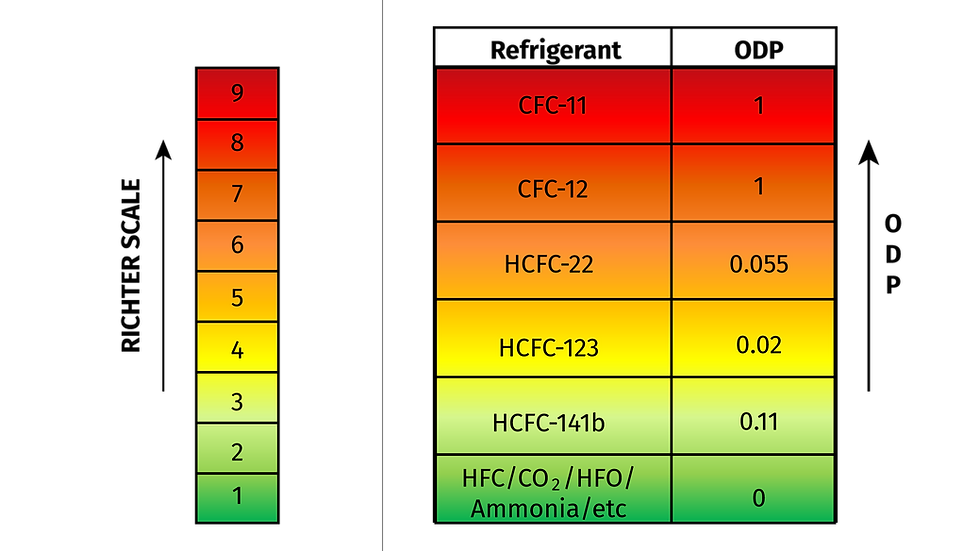
Using low GWP refrigerants helps protect wildlife and natural resources. It reduces damage to the ozone layer and promotes a healthier planet.

Credit: medium.com
Common Refrigerant Types
Low global warming potential (GWP) refrigerants include natural options like ammonia and CO2. These types reduce environmental impact compared to traditional refrigerants. Choosing the right one helps lower greenhouse gas emissions effectively.
Refrigerants play a crucial role in cooling systems, but their environmental impact varies significantly. Understanding the different types of refrigerants can help you make informed choices for eco-friendly cooling solutions. Let’s explore some common refrigerant types and their Global Warming Potential (GWP).Hydrofluorocarbons (hfcs)
Hydrofluorocarbons, or HFCs, are a popular choice in many cooling applications. They emerged as alternatives to ozone-depleting substances. However, HFCs have a high GWP, contributing significantly to global warming. Consider R-134a, a common HFC, which has a GWP of 1,430. While effective for cooling, their environmental impact is substantial. Are you using HFCs in your systems?Hydrochlorofluorocarbons (hcfcs)
Hydrochlorofluorocarbons were once the go-to for many refrigeration needs. They were seen as an improvement over older substances. However, HCFCs still pose a threat to the ozone layer and have a higher GWP compared to natural refrigerants. For instance, R-22 has a GWP of 1,810. As a result, their phase-out is well underway globally. What alternatives are you considering for your existing HCFC systems?Natural Refrigerants
Natural refrigerants are gaining attention for their low GWP and minimal environmental impact. Options like ammonia (R-717), carbon dioxide (R-744), and hydrocarbons (like propane R-290) are leading the charge. Ammonia and carbon dioxide have GWPs close to zero, making them an eco-friendly choice. While they require specific handling and safety measures, their benefits are undeniable. Have you considered switching to natural refrigerants for a greener footprint? Choosing the right refrigerant not only impacts your cooling efficiency but also the planet’s health. What steps will you take to ensure your cooling solutions align with environmental goals?Natural Refrigerants With Low Gwp
Natural refrigerants offer a compelling solution for those seeking to reduce the environmental impact of cooling systems. These substances occur naturally and typically have very low Global Warming Potential (GWP), making them an eco-friendly alternative to synthetic refrigerants. Understanding their properties can help you make informed choices that benefit both your equipment and the planet.
Ammonia (n)
Ammonia stands out with a GWP of zero, which means it does not contribute to global warming. It has been used in industrial refrigeration for over a century due to its excellent energy efficiency and cooling capacity. However, ammonia is toxic and requires careful handling and proper safety measures in your system design.
Despite its risks, ammonia’s natural origin and performance make it popular in large-scale applications like food processing plants. If safety protocols are followed, it can be a reliable and sustainable choice for your refrigeration needs.
Carbon Dioxide (co2)
Carbon dioxide also has a very low GWP of 1, which is negligible compared to traditional refrigerants. It’s non-toxic, non-flammable, and widely available, making it a practical option for many cooling systems. CO2 operates at higher pressures, so your equipment must be designed to handle this safely and efficiently.
One surprising fact about CO2 is that it performs exceptionally well in colder climates, often improving system efficiency. Have you considered how your local environment could influence your choice of refrigerant?
Hydrocarbons (hcs)
Hydrocarbons like propane (R-290) and isobutane (R-600a) have GWPs close to zero and are excellent at absorbing heat. They are widely used in small commercial and domestic refrigeration due to their efficiency and low environmental impact. However, their flammability means you must install them with strict safety standards to prevent accidents.
Using hydrocarbons can lower your energy bills and carbon footprint simultaneously. Would you be comfortable managing the safety aspects if it meant better performance and greener cooling?
Emerging Low-gwp Refrigerants
Emerging low-GWP refrigerants offer new solutions for reducing environmental impact. These refrigerants have much lower global warming potential compared to older types. They help industries meet stricter environmental regulations. Many options are under development or already in use. These options balance efficiency, safety, and climate benefits.
Hydrofluoroolefins (hfos)
HFOs are a newer class of refrigerants with very low GWP values. They break down quickly in the atmosphere, reducing their warming effect. HFOs often replace older high-GWP hydrofluorocarbons (HFCs). They maintain good energy efficiency for cooling systems.
Examples of HFOs include:
- R-1234yf, used in car air conditioning
- R-1234ze, used in commercial refrigeration
HFOs have low flammability and toxicity, making them safer to handle. Their short atmospheric life helps protect the climate.
Blends And Alternatives
Blends mix different refrigerants to achieve low GWP and good performance. These combinations often include HFOs and natural refrigerants. Blends can tailor properties like boiling point and pressure.
Common low-GWP blends include:
- R-448A and R-449A for supermarket refrigeration
- R-454B for air conditioning
Natural refrigerants like CO2, ammonia, and hydrocarbons also offer low GWP. They are widely used in specialized applications. These alternatives need careful handling due to flammability or toxicity risks.
Comparing Gwp Values
Understanding the Global Warming Potential (GWP) of refrigerants is key to choosing eco-friendly options. GWP measures how much heat a gas traps in the atmosphere compared to carbon dioxide. Lower GWP values mean less impact on global warming.
Refrigerants vary widely in their GWP values. Comparing these helps identify which types harm the environment the least. Efficiency and safety also play roles in selecting the right refrigerant.
Gwp Scale Of Popular Refrigerants
| Refrigerant | Typical GWP Value |
|---|---|
| R-134a | 1,430 |
| R-410A | 2,088 |
| R-32 | 675 |
| R-1234yf | 4 |
| R-290 (Propane) | 3 |
Refrigerants like R-290 and R-1234yf show very low GWP values. These options reduce environmental harm significantly.
Trade-offs Between Efficiency And Gwp
Choosing low GWP refrigerants can affect system efficiency. Some eco-friendly gases may need special equipment or handling.
Higher efficiency refrigerants often have higher GWP. Balancing performance with environmental impact is important.
Safety is another factor. Some low GWP refrigerants are flammable or toxic. Proper training and precautions are necessary.

Credit: refrigerantscenter.com
Choosing The Right Refrigerant
Choosing the right refrigerant is a crucial decision that goes beyond just picking one with the lowest Global Warming Potential (GWP). It involves balancing environmental impact with practical needs like safety, cost, and system compatibility. Your choice can affect everything from energy efficiency to regulatory compliance, so it’s important to weigh all factors carefully.
Application Considerations
Different refrigeration systems have unique requirements. For example, a commercial supermarket freezer needs a refrigerant that performs well at low temperatures, while residential air conditioners prioritize energy efficiency.
Some low-GWP refrigerants work better in specific applications due to their pressure and temperature characteristics. Have you checked if your system can handle the refrigerant you’re considering without costly modifications?
Safety And Regulatory Factors
Safety is often overlooked but critical. Refrigerants vary in flammability and toxicity, which can influence your choice depending on where and how the system operates.
Regulations are tightening around refrigerants with high GWP, pushing you to find alternatives that comply with local laws. How familiar are you with the safety classifications and legal limits in your area?
Cost And Availability
Low-GWP refrigerants can sometimes come with higher upfront costs or limited availability. This can impact your project’s budget and timeline.
However, cheaper refrigerants might mean higher environmental or operational costs down the line. Have you calculated the total cost of ownership, including potential retrofits and future regulations?
Future Trends In Refrigerants
The future of refrigerants is shifting toward sustainability and environmental responsibility. As concerns about climate change grow, industries and governments are pushing for refrigerants with the lowest Global Warming Potential (GWP). Understanding upcoming trends can help you make smarter choices for your cooling systems today.
Technological Innovations
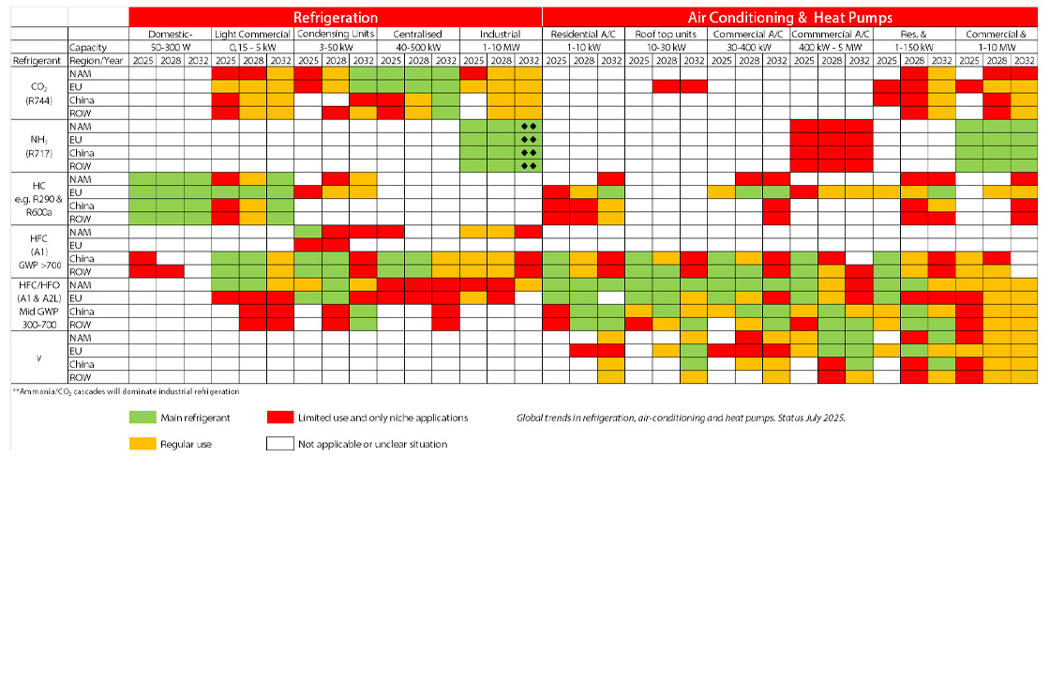
New refrigerants are being developed to balance performance with environmental impact. Technologies like hydrofluoroolefins (HFOs) offer much lower GWP values compared to traditional hydrofluorocarbons (HFCs). You might be surprised that some natural refrigerants, such as ammonia and carbon dioxide, are also gaining traction due to their minimal environmental footprint.
Innovation isn’t just about new chemicals—it’s about improving system designs too. Enhanced heat exchangers and better leak detection reduce refrigerant loss, which is crucial in lowering overall emissions. Have you considered how upgrading your equipment could reduce your carbon footprint?
Global Regulations And Phase-outs
Regulatory bodies worldwide are setting strict limits on high-GWP refrigerants. Many countries have already started phasing out HFCs under agreements like the Kigali Amendment to the Montreal Protocol. If you rely on older refrigerants, it’s time to plan for a transition to comply with these evolving rules.
These regulations affect not only manufacturers but also service providers and end-users. You may face increased costs or restrictions if you don’t adapt quickly. What steps can you take now to stay ahead of regulatory changes and avoid future disruptions?
Credit: www.danfoss.com
Frequently Asked Questions
What Refrigerant Type Has The Lowest Gwp?
Natural refrigerants like ammonia and CO2 have the lowest GWP. They are eco-friendly and widely used in sustainable cooling systems.
Why Is Low Gwp Important In Refrigerants?
Low GWP refrigerants reduce greenhouse gas emissions. They help combat climate change and meet environmental regulations effectively.
Are Hydrofluoroolefins (hfos) Low Gwp Refrigerants?
Yes, HFOs have significantly lower GWP than traditional HFCs. They offer efficient cooling with minimal environmental impact.
How Do Natural Refrigerants Compare In Gwp Values?
Natural refrigerants typically have GWP close to zero. This makes them the best choice for sustainable refrigeration solutions.
Conclusion
Choosing refrigerants with the lowest GWP helps protect our planet. Natural refrigerants like ammonia and CO2 stand out for their low impact. They reduce greenhouse gases and save energy. Switching to these options supports cleaner air and a healthier future.
Everyone can play a part in reducing climate change. Small choices in refrigerants lead to big environmental benefits. Keep these facts in mind when selecting cooling solutions. The right refrigerant matters for a sustainable world.