Are you wondering which way your air conditioner filter should go? It might seem like a small detail, but placing the filter the right way can make a big difference.
Get it wrong, and your AC won’t work as efficiently, costing you more money and making your home less comfortable. You’ll discover the simple trick to installing your filter correctly. Keep reading, and you’ll save time, improve your air quality, and keep your system running smoothly all year long.

Credit: www.reddit.com
Air Conditioner Filter Basics
An air conditioner filter cleans the air before it cools your home. It traps dust, dirt, and other particles. This helps keep your AC unit working well.
Knowing the right filter and how to place it is important. Filters come in different types, sizes, and shapes. Each fits certain AC models.
Types Of Filters
There are several types of air conditioner filters. Each type has a different material and purpose. Some filters catch large particles, while others trap tiny ones.
- Fiberglass Filters:These are cheap and catch large dust particles.
- Pleated Filters:Made with folded fabric, they catch smaller particles better.
- HEPA Filters:High-efficiency filters that trap very small particles like pollen and pet dander.
- Electrostatic Filters:Use static electricity to attract dust and debris.
Filter Sizes And Shapes
Filters come in many sizes and shapes to fit different AC units. It is important to use the right size for proper airflow and filtering.
| Filter Size (Inches) | Common Shapes | Use |
|---|---|---|
| 16 x 20 x 1 | Rectangular | Standard home AC units |
| 20 x 25 x 1 | Rectangular | Larger home AC units |
| 12 x 12 x 1 | Square | Window air conditioners |
| Custom Sizes | Various | Special AC models |
Why Filter Direction Matters
Air conditioner filters have a correct way to be installed. The direction of the filter matters for the system to work well. Installing the filter the right way helps keep the air clean and the unit efficient.
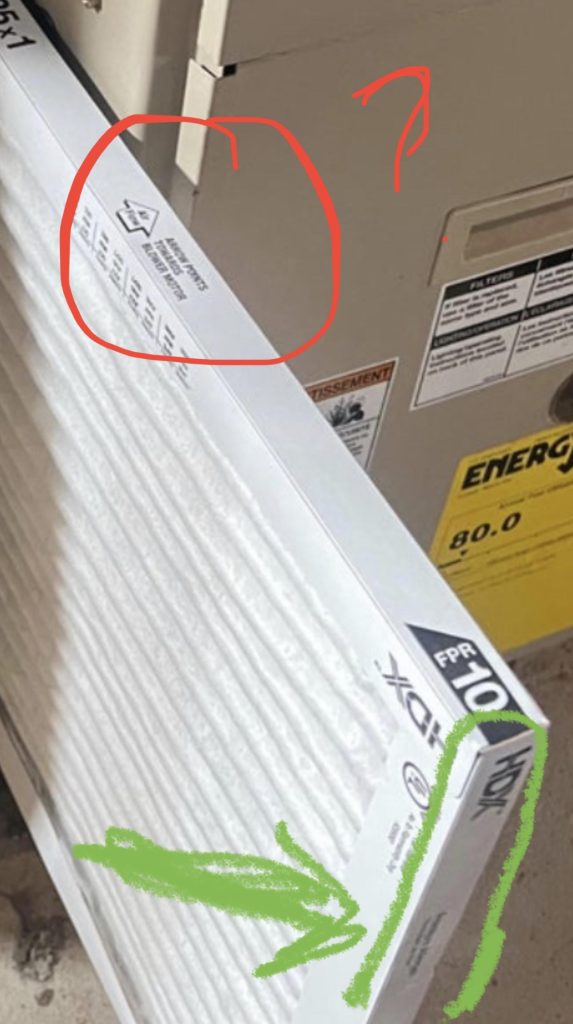
Filters have arrows or markings that show the airflow direction. These signs tell you which side of the filter faces the air conditioner and which side faces the air coming in.
Airflow And Efficiency
Installing the filter in the correct direction lets air flow smoothly. The filter traps dust and dirt without blocking the air. Proper airflow helps the air conditioner cool your home well.
If you put the filter backwards, air cannot flow as freely. This makes the air conditioner work harder. The system uses more energy and may cost more to run.
Filter Performance And Lifespan
Filters are designed to catch particles on a specific side. Putting the filter the right way helps it trap more dust and allergens. It also stops dirt from damaging the air conditioner.
When the filter goes in backwards, it clogs faster and wears out sooner. You will need to replace it more often, which costs time and money.
- Correct direction improves dust capture
- Longer filter life reduces replacements
- Protects air conditioner parts from dirt
Identifying Filter Orientation
Installing an air conditioner filter correctly is important for its performance. The filter must face the right way to clean air efficiently.
Knowing how to identify the filter orientation helps you avoid mistakes. This guide explains key points to check before installing the filter.
Arrow Markings Explained
Most air conditioner filters have arrow markings on their frame. These arrows show which way the air flows through the filter.
- The arrow points toward the air handler or furnace.
- The arrow shows the direction air should pass through the filter.
- Always install the filter with the arrow facing the airflow direction.
- Incorrect arrow direction can reduce filter efficiency and damage the system.
Locating Airflow Direction
To place the filter correctly, you must find the airflow direction in your AC unit or HVAC system.
| Location | Airflow Direction | Filter Placement |
| Return Air Duct | Air flows from duct into the air handler | Filter goes before the air handler, arrow points inside |
| Air Handler/Furnace | Air flows out toward the vents | Filter must face the airflow, arrow points away from filter frame |
| Wall or Ceiling Slot | Air flows into the system | Insert filter so arrow points into the slot |
Step-by-step Filter Installation
Changing your air conditioner filter is important for clean air and better cooling.
Follow these steps to remove the old filter and place the new one correctly.
Removing The Old Filter
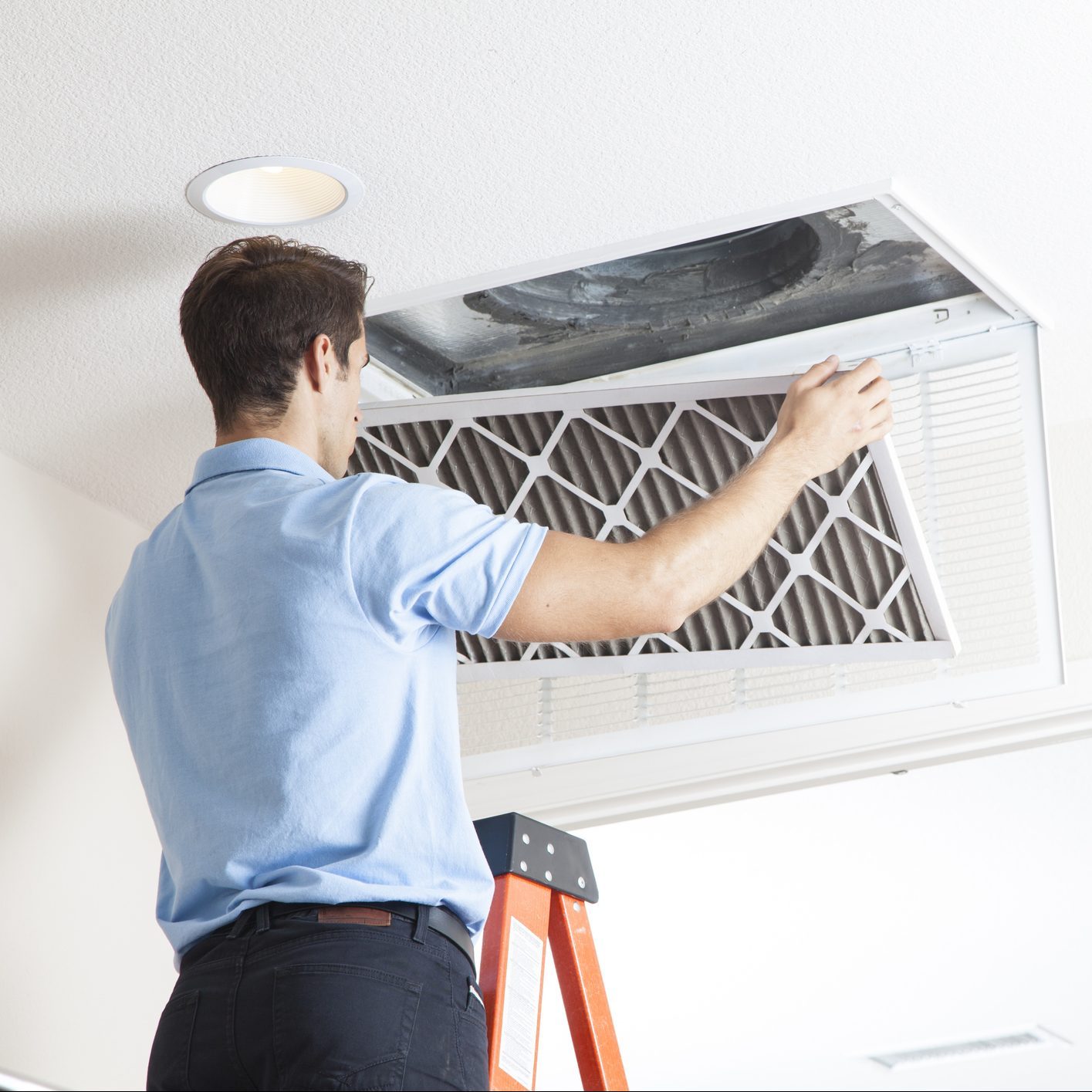
First, turn off the air conditioner to stay safe. Open the front panel or grille where the filter is located. Carefully pull out the old filter. Check if it is dirty or clogged. If the filter is reusable, clean it as the manual says. If not, throw it away properly.
- Switch off the air conditioner.
- Open the front panel or grille.
- Remove the old filter carefully.
- Check the filter’s condition.
- Clean or dispose of the filter as needed.
Placing The New Filter Correctly
Look for an arrow on the filter frame. This arrow shows the airflow direction. The arrow must point inside the air conditioner unit. Slide the new filter into place gently. Make sure it fits snugly without gaps. Close the front panel securely before turning the unit back on.
| Filter Part | How to Place |
|---|---|
| Arrow on frame | Point it toward the air conditioner |
| Filter edge | Fit it tightly without gaps |
| Panel | Close securely after inserting filter |
Common Mistakes To Avoid
Installing an air conditioner filter correctly is important for your system’s efficiency. Many people make mistakes that reduce air flow and harm the unit.
This guide covers two common errors: installing the filter backwards and using the wrong filter size.
Installing Backwards
Air conditioner filters have an arrow showing the direction of airflow. This arrow must point toward the air handler or blower.
Installing the filter backwards blocks air flow. This can cause the system to work harder and wear out faster.
- Look for the arrow on the filter frame
- Point the arrow toward the AC unit
- Do not force the filter in if it feels stuck
- Check the airflow direction on your system label
Using Incorrect Filter Sizes
Filters come in many sizes. Using the wrong size lets air bypass the filter or blocks airflow.
Check the filter size printed on the old filter or inside the filter slot before buying a new one.
- Measure the length, width, and thickness of the old filter
- Use the exact size recommended by the manufacturer
- A loose filter lets dust enter the system
- A too-thick filter may not fit or reduce airflow
Credit: www.familyhandyman.com
Filter Maintenance Tips
Air conditioner filters help clean the air in your home. Keeping them clean makes your AC work better.
Regular filter care saves energy and improves air quality. Learn how to clean and replace filters properly.
Cleaning And Replacement Schedule
Check your air conditioner filter every month. Clean or replace it depending on the dirt level.
Replace disposable filters every 1 to 3 months. Wash reusable filters as needed to keep them clear.
- Inspect filter monthly
- Replace disposable filters every 1-3 months
- Wash reusable filters regularly
- Follow manufacturer instructions
Signs Of A Clogged Filter
A clogged filter reduces airflow and makes your AC work harder. Watch for these signs to catch problems early.
- Weak airflow from vents
- Higher energy bills than normal
- Unusual noises from the AC unit
- Dust buildup around vents
- Musty or stale air smells
Spotting these signs means it is time to clean or replace your filter. This helps your AC run smoothly.
Upgrading Your Air Filter
Knowing which way an air conditioner filter goes is important for good air flow. Installing it wrong can block air and reduce efficiency.
Upgrading your air filter can improve your home’s air quality and protect your system. Choose the right filter to get the best results.
High-efficiency Filters
High-efficiency filters catch smaller particles than basic filters. They clean the air better and keep dust out of your system.
These filters usually have a MERV rating between 8 and 13. Higher ratings mean better filtration but can slow air flow if your system is not designed for them.
- Check your system’s manual before upgrading
- Install filter with airflow arrow pointing toward the unit
- Replace filters every 1 to 3 months for best results
Allergy And Air Quality Solutions
Filters made for allergies remove pollen, dust mites, and pet dander. They help reduce allergy symptoms indoors.
Some air filters also reduce odors and airborne bacteria. These improve the overall air quality in your home.
- Look for filters labeled “allergy relief” or “HEPA compatible”
- Make sure the filter fits tightly to avoid air leaks
- Keep your air conditioner clean to help filters work well

Credit: www.amazon.ca
Frequently Asked Questions
Which Way Does The Air Conditioner Filter Face?
The air conditioner filter should face the airflow direction. Usually, the side with the arrows points inward, aligning with the air flow. Installing the filter correctly ensures optimal air cleaning and system efficiency.
How To Tell Filter Direction In An Ac Unit?
Look for arrows or markings on the filter frame. These arrows indicate the airflow direction. Insert the filter so the arrows point toward the blower or inside the unit, ensuring proper filtration and performance.
What Happens If Ac Filter Is Installed Backward?
Installing the filter backward blocks airflow and reduces efficiency. It can strain the system and cause poor air quality. Always install the filter following the airflow direction for optimal cooling and filter life.
How Often Should Ac Filters Be Replaced?
Replace AC filters every 1 to 3 months, depending on usage. Regular replacement maintains air quality and system efficiency. Check the filter monthly and replace when visibly dirty or clogged.
Conclusion
Installing an air conditioner filter correctly keeps your home clean and cool. The arrow on the filter shows the airflow direction. Always match this arrow with the air flow in your AC unit. A properly placed filter helps the system work better and saves energy.
Change the filter regularly to avoid dust buildup and improve air quality. Remember, a clean filter means a healthier environment inside your home. Taking a few minutes to check the filter direction can make a big difference. Keep your AC running smoothly all year long.