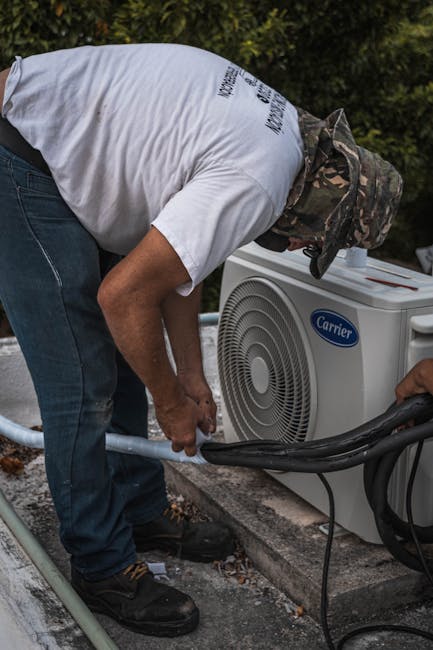
Are you unsure about which way to put your air conditioner filter? It may seem like a small detail, but placing the filter the wrong way can reduce your AC’s efficiency and even damage the unit.
Getting it right not only keeps your air cleaner but also saves you money on energy bills. In this post, you’ll discover the simple trick to installing your filter correctly every time. Keep reading, and you’ll never have to worry about your AC filter again!
Types Of Air Conditioner Filters
Air conditioner filters keep the air clean and protect the system. Different types of filters work in different ways. Choosing the right filter helps your AC work better.
Below are common types of air conditioner filters. Each type has unique features and benefits.
Fiberglass Filters
Fiberglass filters are the most basic type. They use layers of spun glass fibers. These filters catch large dust and dirt particles. They are cheap and easy to replace.
These filters protect your AC system but do not clean the air well. They need frequent changing to avoid clogging.
Pleated Filters
Pleated filters have folded fabric to increase surface area. They trap smaller particles than fiberglass filters. These filters last longer and clean air better.
- Made with polyester or cotton
- Capture dust, pollen, and pet dander
- Better for allergy sufferers
- Need replacement every 3 months
Electrostatic Filters
Electrostatic filters use static electricity to catch particles. They attract dust and pollen like a magnet. Some models are washable and reusable.
| Feature | Description |
|---|---|
| Cleaning | Can be washed and reused |
| Particle Capture | Works well for small dust and smoke |
| Cost | More expensive than basic filters |
| Airflow | May reduce airflow if dirty |
Hepa Filters
HEPA filters remove the smallest particles from the air. They catch dust, pollen, mold spores, and bacteria. HEPA filters are used in hospitals and clean rooms.
These filters improve indoor air quality but can reduce airflow. They need special AC units that can handle dense filters.
Why Filter Orientation Matters
The way you place your air conditioner filter is important. It affects how well your AC works. Wrong placement can lead to problems.
Correct orientation ensures clean air and saves energy. Let’s explore why this is so important.
Airflow Direction
Filters have arrows showing airflow direction. These arrows must point towards the AC unit. This ensures air flows through the filter correctly.
Proper airflow direction keeps dust and debris out of the system. It helps the AC run smoothly and efficiently.
- Check for arrows on the filter.
- Point arrows towards the unit.
- Ensure no gaps around the filter.
Filter Efficiency
Right placement boosts filter efficiency. A well-placed filter traps more dust and allergens. This keeps indoor air clean.
Efficient filters reduce strain on the AC system. This can lower energy bills and increase AC lifespan.
Preventing Damage
Incorrect filter placement can cause damage. Air bypasses the filter and clogs the AC parts. This can lead to costly repairs.
Ensure the filter fits snugly. This prevents air from bypassing and keeps the system safe.
- Inspect filter placement regularly.
- Replace filters every 1-3 months.
- Consult the AC manual for correct filter type.
Identifying The Correct Filter Side
Installing your air conditioner filter the right way helps keep air clean. It also protects the unit from dust and damage. Knowing which side goes in first is important.
Most air filters have clues to show the correct side. These clues make it easy to place the filter without mistakes.
Arrow Markings
Look for arrow markings on the filter frame. These arrows point to the direction of airflow. The arrow should face inside the air conditioner, not outside.
- Find the arrows on the filter’s edge.
- Point the arrows toward the unit’s blower fan.
- Do not reverse the filter direction.
Filter Frame Design
The filter frame may have design features to guide installation. One side might be more rigid or have a plastic grid. This side usually faces the air conditioner.
| Frame Side | Feature | Installation Direction |
|---|---|---|
| Rigid Side | Plastic or metal grid | Faces into the air conditioner |
| Flexible Side | Thin mesh or fabric | Faces outward |
Filter Media Texture
The filter media texture also helps find the correct side. One side is smooth and tight to catch dust. The other side is softer and more open.
- Smooth side faces the incoming air.
- Soft side faces the airflow exit.
- Check both sides before installing.

Credit: aquariushomeservices.com
Step-by-step Installation Tips
Replacing your air conditioner filter is important to keep the unit clean and working well. This guide helps you install the filter the right way.
Follow these easy steps to remove the old filter and place the new one correctly.
Turning Off The Unit
Always turn off the air conditioner before starting. This keeps you safe and stops dust from spreading.
- Locate the power switch on the unit or the breaker box.
- Switch off the air conditioner completely.
- Wait a few minutes to make sure it is fully powered down.
Removing The Old Filter
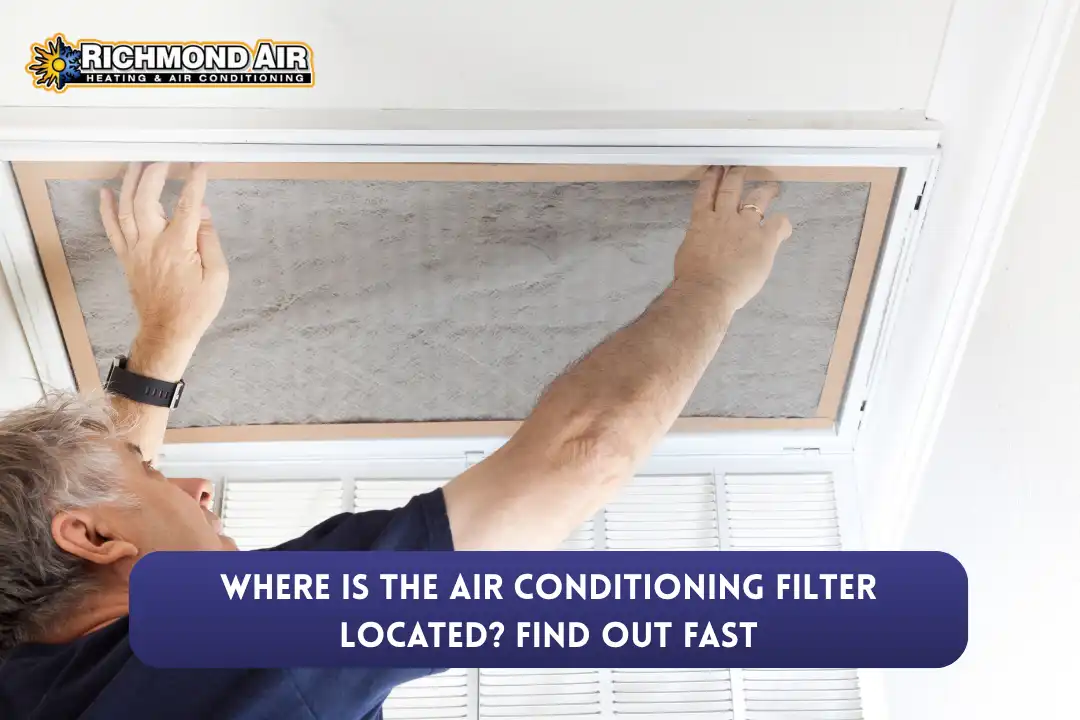
Find the filter cover, usually near the front or side of the unit. Open it carefully.
Pull out the old filter slowly. Check for dirt and damage to know if it was working well.
Positioning The New Filter
Look for arrows on the filter frame. These arrows show the correct air flow direction.
- Hold the new filter so the arrow faces the air flow.
- Slide the filter gently into the slot.
- Make sure it fits snugly without bending.
Securing The Filter
Close the filter cover carefully. Some covers have clips or screws to hold them in place.
| Cover Type | How to Secure |
| Snap-on | Press until you hear a click |
| Screw-on | Use a screwdriver to tighten screws |
| Sliding | Slide cover until it locks |
Turn the air conditioner back on and check if it runs smoothly.
Common Mistakes To Avoid
Installing an air conditioner filter correctly is important for good air quality and system efficiency. Many people make simple errors that reduce filter performance.
This guide explains common mistakes to avoid when putting in your air conditioner filter.
Reversing The Filter
Air filters have an airflow direction arrow. Installing the filter backwards blocks airflow. This can cause poor cooling and damage to the system.
Check the arrow and match it with the air flow inside the unit before inserting the filter.
Using The Wrong Size
Using a filter that is too big or too small lets air bypass the filter. Dirt and dust can enter your air conditioner and home.
Always measure your filter slot and buy the exact size filter needed.
- Too small: air leaks around filter edges
- Too large: filter won’t fit or gets damaged
- Correct size: fits snugly and seals properly
Neglecting Regular Replacement
Filters get clogged with dirt over time. A dirty filter lowers air flow and makes your AC work harder. This wastes energy and reduces cooling.
Replace your filter every 1 to 3 months. Check it monthly if you have pets or allergies.
Maintaining Your Air Conditioner Filter
Keeping your air conditioner filter clean helps your system run well. It also improves air quality in your home.
Knowing the right way to care for the filter saves money and energy. It also keeps your air fresh and healthy.
Cleaning Methods
Remove the filter from the air conditioner before cleaning. Use a vacuum cleaner to remove dust and dirt.
If the filter is very dirty, wash it with warm water and mild soap. Let it dry completely before putting it back.
- Vacuum the filter gently to avoid damage
- Wash with warm water and mild soap for deep cleaning
- Dry the filter fully to stop mold growth
Replacement Frequency
Replace your air conditioner filter every 1 to 3 months. This depends on how often you use your AC and the air quality.
Homes with pets or smokers may need more frequent filter changes. Check the filter regularly to decide when to replace it.
- Change the filter every 1-3 months for best results
- Check more often if you have pets or smokers
- Replace immediately if the filter looks damaged
Signs Of Wear
Look for tears or holes in the filter material. These signs mean the filter cannot clean air properly.
If you see dust buildup even after cleaning, it may be time to replace the filter. A dirty filter can cause bad smells and poor airflow.
- Tears or holes in the filter fabric
- Dust buildup after cleaning
- Unpleasant smells from the air conditioner
- Reduced airflow or cooling power
Benefits Of Proper Filter Installation
Installing your air conditioner filter the right way is very important. It helps the AC work well and keeps your home air clean.
A correctly placed filter stops dust and dirt from entering the AC system. This keeps the system safe and makes the air healthier to breathe.
Improved Air Quality
The air filter catches dust, pollen, and pet hair. This stops these particles from floating in your home.
When the filter is in the right place, it works better. Clean air means fewer allergies and less dust on furniture.
- Removes dust and allergens
- Reduces odors and smoke
- Keeps indoor air fresh
Energy Efficiency
A properly installed filter lets air flow freely through the AC. This means the system does not work too hard.
When air flows well, your AC uses less energy. This can lower your electricity bills and save power.
- Reduces energy use
- Prevents system overload
- Lowers cooling costs
Extended Ac Lifespan
Placing the filter properly stops dirt from building inside the AC. This protects the parts from damage.
A clean system lasts longer. You avoid costly repairs and get more years of cool air.
- Prevents clogging and damage
- Reduces wear and tear
- Extends system life

Credit: www.reddit.com
Credit: richmondair.us
Frequently Asked Questions
How Do I Know Which Way To Insert The Ac Filter?
Check the filter frame for arrows indicating airflow direction. Insert the filter so arrows point toward the AC unit, not the room. This ensures proper air filtration and system efficiency.
What Happens If The Ac Filter Is Placed Incorrectly?
Placing the filter backward reduces airflow and filtration efficiency. It can cause the AC system to work harder, increasing energy costs and potentially damaging components.
How Often Should I Check My Air Conditioner Filter?
Check your AC filter every 1 to 3 months. Frequent inspection helps maintain air quality and system performance. Replace or clean the filter as needed to avoid buildup.
Can The Ac Filter Affect Indoor Air Quality?
Yes, a properly installed filter captures dust, pollen, and allergens. This improves indoor air quality and protects your HVAC system from debris and damage.
Conclusion
Placing the air conditioner filter the right way helps your unit work well. Clean filters keep air fresh and improve cooling. Check the arrows or labels on the filter for correct direction. Regularly changing or cleaning the filter saves energy and lowers bills.
A simple step with big benefits. Keep your AC filter facing the right way. Breathe easier and enjoy a cool home all year.