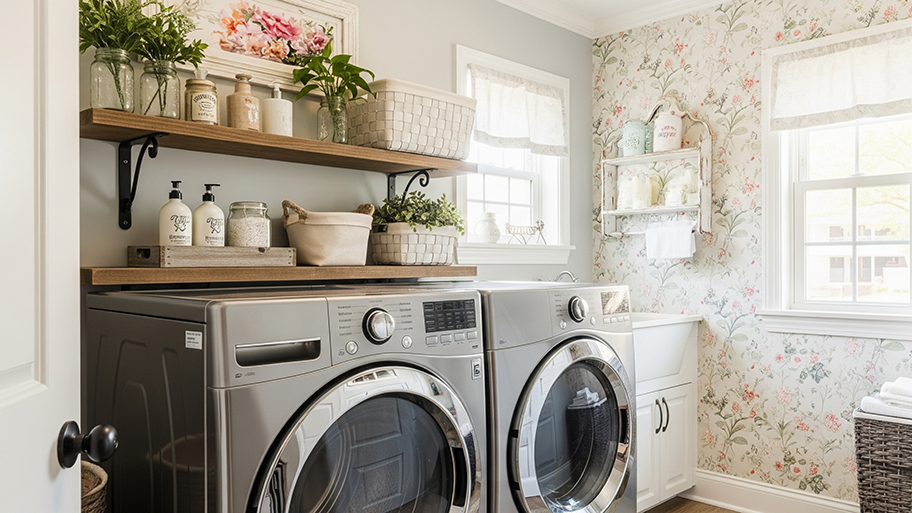
Are you planning to add a washer and dryer to your home but unsure who can install the hookups? Getting this right is key to making sure your laundry runs smoothly without costly mistakes or delays.
Whether you’re doing a DIY project or hiring a pro, knowing who has the skills and tools to handle the job can save you time and stress. You’ll discover exactly who can install washer and dryer hookups, what to expect during the process, and how to choose the best option for your home.
Keep reading to make your laundry setup easy and hassle-free!

Credit: www.reddit.com
Qualified Professionals For Installation
Installing washer and dryer hookups requires skill and knowledge. It is important to hire qualified professionals to ensure the job is done safely and correctly.
Different experts handle specific parts of the installation. Knowing who to call helps avoid problems and saves time.
Licensed Plumbers
Licensed plumbers connect the water supply and drainage for washers. They make sure pipes are installed properly to prevent leaks.
Plumbers follow local codes to ensure safe and reliable water connections. They also install shut-off valves for easy maintenance.
- Connect hot and cold water lines
- Install drain pipes for wastewater
- Check for leaks and proper water flow
- Ensure compliance with plumbing codes
Certified Electricians
Certified electricians handle the power supply for washers and dryers. They install outlets and ensure the electrical system is safe.
Electricians check circuit capacity to avoid overloading. They also follow electrical codes to reduce fire risks.
- Install proper electrical outlets
- Verify circuit breakers and wiring
- Test electrical connections for safety
- Follow local electrical regulations
Appliance Installation Experts
Appliance installation experts connect washers and dryers to hookups. They ensure the machines work correctly after installation.
These experts test the appliances and adjust settings. They also provide instructions on safe use and care.
- Hook up appliances to water and power
- Test machines for proper operation
- Adjust settings for optimal performance
- Explain maintenance and safety tips
Diy Installation Considerations
Installing washer and dryer hookups yourself can save money. It also gives control over the project. Still, it needs careful planning and skill.
This guide covers the tools, skills, and safety tips needed for the job. Read each section before starting.
Required Tools And Materials
- Pipe wrench and adjustable wrench
- Drill with hole saw bits
- Measuring tape and level
- Water supply valves and hoses
- Electrical wiring and outlet for dryer
- Drain pipes and fittings
- Teflon tape and pipe sealant
- Safety gloves and goggles
Skill Level Needed
Basic plumbing and electrical knowledge is required. You must understand pipe fitting and wiring safety. If unsure, consult a professional.
| Skill | Description |
| Plumbing | Connect water supply and drainage |
| Electrical | Install proper power outlet for dryer |
| Carpentry | Make openings and secure fixtures |
Safety Precautions
Safety is key. Turn off water and power before starting. Use protective gear to avoid injury.
- Switch off main water supply
- Cut power at circuit breaker
- Wear gloves and eye protection
- Check for gas lines if present
- Test all connections for leaks
Local Codes And Permits
Installing washer and dryer hookups requires following local rules. These rules ensure safety and proper function. Ignoring them can cause problems later.
This guide explains building codes, when permits are needed, and how to get those permits. It helps you install hookups correctly and legally.
Understanding Building Codes
Building codes set the standards for washer and dryer hookup installations. They cover plumbing, electrical work, and ventilation. These codes protect your home and ensure the appliances work safely.
- Follow electrical codes for wiring and outlets
- Use approved plumbing materials
- Ensure proper venting for dryers
- Meet space and clearance requirements
When Permits Are Required
Many local governments require permits before installing washer and dryer hookups. Permits confirm that the work meets building codes and safety standards.
| Type of Work | Permit Needed |
| New electrical wiring | Yes |
| Plumbing changes | Yes |
| Replacing existing hookups | Sometimes |
| Minor repairs | No |
How To Obtain Permits
Getting a permit involves contacting your local building department. You will need to submit plans and pay fees. The process varies by location but usually follows similar steps.
- Check your local government website for permit rules
- Prepare a simple plan of the installation
- Submit the plan and application to the building office
- Pay any required fees
- Wait for approval before starting work
- Schedule inspections during and after installation

Credit: www.angi.com
Common Installation Challenges
Installing washer and dryer hookups can be tricky. Many homeowners face problems during setup. Knowing common challenges helps prepare better.
This guide covers three main issues: space limits, water and drainage, and electrical needs. Each topic explains what to watch for.
Space Constraints
Finding enough room for washer and dryer units is often hard. Small laundry areas limit appliance size and placement. Tight spaces can block doors or vents.
- Measure space carefully before buying appliances
- Check clearance for doors and hoses
- Consider stacking units to save floor space
- Allow room for maintenance and repairs
Water Supply And Drainage Issues
Proper water supply and drainage are essential for washers. Pipes must deliver clean water and remove waste water safely. Old or damaged plumbing can cause leaks or clogs.
| Problem | Solution |
| Low water pressure | Check valves and pipes for blockages |
| Improper drainage slope | Adjust pipe angles to prevent backups |
| Leaking connections | Tighten or replace faulty fittings |
Electrical Requirements
Washers and dryers need correct electrical setups. Dryers often require a 240-volt outlet, which is not in all homes. Wrong wiring can cause hazards or damage.
Key electrical points to check:
- Confirm voltage matches appliance needs
- Use dedicated circuits for laundry machines
- Install proper grounding and circuit breakers
- Hire a licensed electrician for complex work
Cost Factors To Consider
Installing washer and dryer hookups costs vary by several factors. Knowing these costs helps plan your budget well.
Costs depend on who does the job, materials used, and any extra repairs needed.
Professional Service Fees
Hiring a plumber or electrician usually costs the most. Their fees depend on experience and location.
Some professionals charge a flat rate, while others charge by the hour. Expect higher fees in cities.
- Hourly rates range from $50 to $150
- Flat fees may be $200 to $500
- Emergency or weekend work costs extra
Material Costs
Materials include pipes, valves, electrical outlets, and connectors. Quality affects the price.
Some materials cost more but last longer. Using cheaper parts may save money upfront but cause issues later.
- Water supply lines cost $10 to $50
- Drain pipes range from $15 to $60
- Electrical outlets and wiring cost $20 to $80
Potential Additional Repairs
Sometimes extra work is needed to prepare the space. This raises the total cost.
Older homes may need updated plumbing or electrical systems. Wall repairs after installation may also add costs.
- Fixing old pipes or wiring may cost $100 to $400
- Drywall or flooring repairs can add $50 to $300
- Permits or inspections may be required, costing $50 to $200
Tips For Choosing The Right Installer
Installing washer and dryer hookups requires a skilled professional. Choosing the right installer ensures safe and efficient work.
Here are some tips to help you select the best person for the job.
Checking Credentials
Make sure the installer has the necessary licenses and certifications. This is important for legal and safety reasons.
- Verify the installer’s license with local authorities.
- Check if they have insurance coverage.
- Look for certification in plumbing and electrical work.
Reading Customer Reviews
Customer reviews provide insight into the quality of work and customer service. Read both good and bad reviews for a balanced view.
| Review Source | Importance |
| Online platforms | High |
| Word of mouth | Medium |
| Social media | Medium |
Getting Multiple Quotes
Obtain several quotes to compare prices and services. This helps you find a fair deal and understand the market rate.
- Request quotes from at least three installers.
- Compare the scope of work included in each quote.
- Look for hidden fees or extra charges.
Maintenance After Installation
After installing your washer and dryer hookups, regular maintenance ensures they run smoothly. Routine checks help identify issues early.
Understanding common problems and knowing when to call a professional can save time and money. Let’s look at these aspects in detail.
Routine Checks
Perform regular inspections to maintain your washer and dryer. Check the hoses and connections for any leaks or damage.
- Inspect hoses for cracks or bulges
- Ensure connections are tight
- Clean lint filters after each use
Troubleshooting Common Problems
If you notice unusual sounds or poor performance, some simple troubleshooting may help. Ensure the power supply is stable and check for blocked vents.
| Problem | Possible Solution |
| Washer not draining | Check for clogged drain hose |
| Dryer not heating | Inspect thermal fuse |
| Unusual noise | Tighten loose parts |
When To Call A Professional
Sometimes, issues require expert attention. If problems persist after troubleshooting, it’s best to contact a professional.
If you notice electrical issues or water damage, avoid DIY fixes. Call a licensed technician to ensure safety and proper repairs.

Credit: kansascity-handyman.com
Frequently Asked Questions
Who Is Qualified To Install Washer And Dryer Hookups?
Licensed plumbers or electricians are best for installing washer and dryer hookups. They ensure proper water, drainage, and electrical connections for safety and efficiency.
Can Homeowners Install Washer And Dryer Hookups Themselves?
Homeowners with plumbing and electrical experience can install hookups. However, improper installation risks leaks, electrical issues, and code violations. Professional help is recommended for safety.
What Permits Are Needed For Washer And Dryer Hookup Installation?
Permits vary by location but often include plumbing and electrical permits. Check local building codes before installation to ensure compliance and avoid fines or rework.
How Long Does It Take To Install Washer And Dryer Hookups?
Installation typically takes 2 to 4 hours depending on complexity. Professionals can complete the job faster with proper tools and experience.
Conclusion
Installing washer and dryer hookups needs the right skills. A licensed plumber or electrician usually does the job safely. Some homeowners can handle simple tasks with care. Always check local rules before starting any work. Proper installation prevents leaks and electrical problems.
Trust experts for complex setups or if unsure. This keeps your home safe and your appliances working well. Choose wisely for a smooth laundry setup experience.