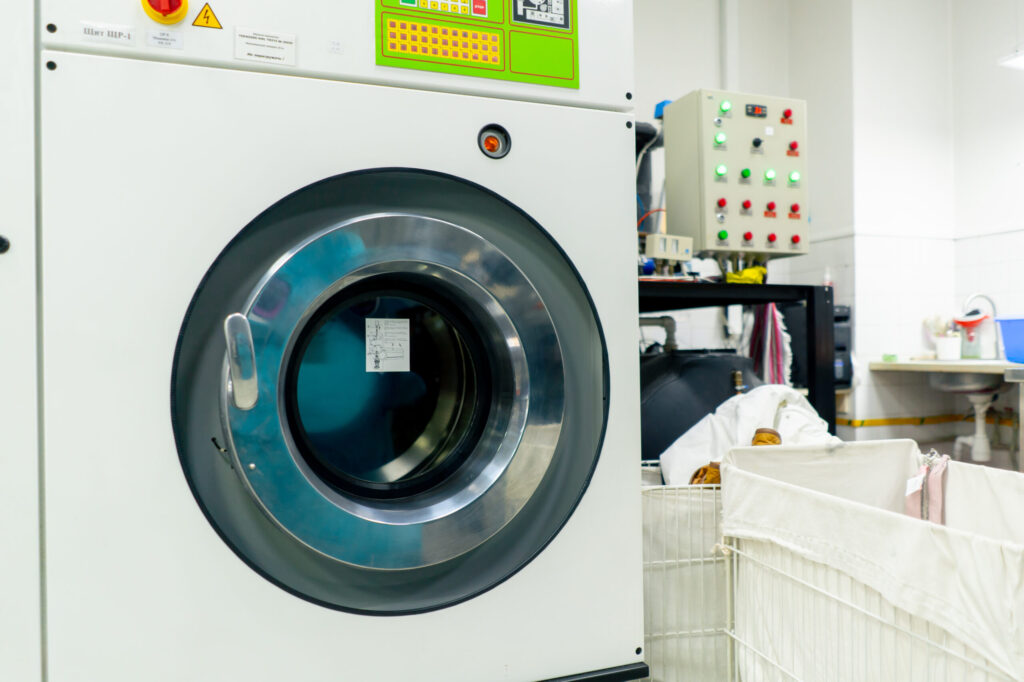
Have you ever stopped to think about who made your laundry routine so much easier? The washing machine and dryer have become household essentials, saving you hours of hard work.
But do you know who invented these time-saving appliances and how they came to be? Understanding their origin can change how you see your daily chores and appreciate the technology behind them. Keep reading to discover the fascinating story of the washing machine and dryer—and how their invention impacts your life every single day.

Credit: www.electrolux.com
Early Laundry Methods
Long before washing machines and dryers, people cleaned clothes by hand. This work took a lot of time and effort.
Early laundry methods used simple tools and natural resources. People had to be patient and strong to get clothes clean.
Manual Washing Techniques
People washed clothes by scrubbing them on rocks or wooden boards. They often used water from rivers or wells.
Soap was made from animal fats and ashes. This helped remove dirt but cleaning still took many hours.
- Soaking clothes in water to loosen dirt
- Scrubbing fabrics by hand or on washboards
- Rinsing clothes in clean water
- Wringing out water by twisting or pressing
- Drying clothes in the sun or near fires
Challenges Before Machines
Washing clothes by hand was hard and took a long time. People had to bend and use strong arms to scrub well.
Weather could slow drying. Rain or cold days made clothes stay wet for many hours.
- Time-consuming and tiring work
- Limited cleaning tools available
- Dependence on water sources
- Slow drying in bad weather
- Wear and tear on clothes from scrubbing

Credit: en.wikipedia.org
Origins Of The Washing Machine
The washing machine is a device that cleans clothes automatically. It changed how people do laundry. Early washing machines were simple and hand-powered.
People wanted to save time and effort washing clothes by hand. This led to many early designs and inventions for washing machines.
First Patents And Designs
The first washing machine patent was issued in the late 1700s. Early models used hand-cranked drums or paddles to wash clothes.
These designs helped remove dirt but still needed a lot of manual work. Over time, inventors improved the machines with new ideas.
- 1797: First washing machine patent in England
- 1851: James King patented the rotary washing machine
- 1874: William Blackstone built a machine for his wife
- Late 1800s: Machines added electric motors
Key Inventors And Contributions
Several inventors helped develop the washing machine and dryer. Their work made laundry easier and faster.
They added features like spinning drums and electric power to improve cleaning and drying.
- Jacob Christian Schäffer: Early washing machine concepts in the 1760s
- James King: Patented the first rotary drum washing machine in 1851
- William Blackstone: Created a home washing machine in 1874
- Alva J. Fisher: Patented the first electric washing machine in 1910
- George T. Sampson: Invented the first automatic clothes dryer in 1892
Evolution Of The Washing Machine
The washing machine has changed a lot since it was first made. It started as a simple tool to clean clothes by hand. Over time, it became a machine that saves time and effort.
Learning about its history helps us see how technology grew. It also shows how household chores became easier for many people.
Mechanical To Electric Models
The first washing machines were mechanical. People used hand cranks to move clothes in water. These early models helped reduce hard manual work.
- Early models had wooden drums and were hand-powered.
- Later, metal drums replaced wood for better durability.
- Electric motors were added in the early 1900s, making washing easier.
- Machines with electric power could wash clothes faster and cleaner.
The shift from mechanical to electric models was a big step. It allowed machines to become common in homes worldwide.
Technological Milestones
| Year | Invention | Impact |
| 1797 | First hand-powered washing machine | Reduced manual scrubbing |
| 1908 | Electric washing machine | Improved speed and ease |
| 1937 | Spin cycle introduced | Better water removal |
| 1950s | Automatic washers | Hands-free washing process |
These milestones show how washing machines grew from simple tools to smart appliances. Today, they use sensors and different wash programs.
Beginnings Of The Clothes Dryer
The clothes dryer was created to help dry clothes faster than air drying. Before dryers, people used sunlight and wind to dry laundry.
Drying clothes inside homes was difficult and took a long time. This need led to early inventions for drying machines.
Initial Concepts And Patents
The first ideas for clothes dryers came in the late 1800s. Inventors wanted to make drying easier and quicker.
One of the earliest patents for a clothes dryer was filed in 1892. It showed a machine that used heat and air to dry clothes.
- Patents focused on heated air to speed drying
- Designs included drums that rotated clothes
- Some machines used gas or electricity for heat
Early Drying Technologies
Early dryers used basic heat sources like gas or wood stoves. They aimed to move warm air over wet clothes.
Some models had spinning drums to help dry clothes evenly. These machines were large and not common in homes.
- Heated air helped remove moisture faster
- Rotating drums prevented clothes from tangling
- Early dryers were mainly used in laundries
- Electric dryers appeared in the early 1900s
Advancements In Drying Machines
The washing machine and dryer have changed a lot since they were first made. Dryers help us dry clothes quickly and easily. Over time, many new ideas improved how dryers work.
These improvements made dryers safer, faster, and use less energy. Let’s look at some key changes in drying machines.
From Gas To Electric Dryers
Early dryers used gas as their heat source. Gas dryers worked well but needed special venting. This made them harder to install inside homes.
Electric dryers came next. They use electricity to heat air and dry clothes. Electric dryers are easier to place in many homes. They also offer more control over drying settings.
- Gas dryers need a gas line and vent pipe.
- Electric dryers use electric heating elements.
- Electric dryers are common in apartments.
- Gas dryers usually dry clothes faster.
Innovations Improving Efficiency
Dryers now use new technologies to save energy and dry clothes better. Sensors detect moisture and stop the dryer when clothes are dry.
Other features include better drum designs and heat pumps. These help reduce drying time and lower electricity use.
- Moisture sensors prevent over-drying.
- Heat pump dryers recycle heat to save energy.
- Improved drum shapes dry clothes evenly.
- Automatic cycles adjust drying time and temperature.

Credit: www.amazon.com
Impact On Society And Daily Life
The invention of the washing machine and dryer changed many lives. These appliances made laundry easier and faster.
Before these machines, people washed clothes by hand. It was tiring and took a lot of time.
Changing Household Dynamics
Washing machines and dryers changed how families worked at home. They gave people more free time.
Women often did laundry in the past. Now, with machines, anyone can do it easily.
- More shared household chores
- Increased leisure time for families
- Less physical strain from washing clothes
Economic And Social Effects
These machines also had effects on the economy. They created jobs in manufacturing and sales.
People spent less time on chores, so they could work outside the home. This helped the economy grow.
- Increased job opportunities in appliance industries
- Boosted economic growth through more workforce participation
- Enhanced quality of life with more leisure time
Modern Washing Machines And Dryers
Washing machines and dryers have come a long way. Today, they are packed with smart features and energy-saving options.
These appliances make laundry easier and kinder to the environment. Let’s explore some modern advancements.
Smart Technology Integration
Smart technology in washing machines and dryers allows remote control. You can start or stop cycles using your smartphone.
These machines offer custom settings for different fabrics. They even send alerts when cycles are done.
- Remote start and stop functions
- Custom cycle settings for fabrics
- Alerts for cycle completion
Sustainability And Energy Use
Modern machines use less water and energy. They help reduce the environmental impact of doing laundry.
Energy-efficient models save money on utility bills. They are designed to operate quietly and last longer.
| Feature | Benefit |
| Low water use | Conserves natural resources |
| Energy efficiency | Reduces electricity costs |
| Quiet operation | Less noise pollution |
Frequently Asked Questions
Who Invented The First Washing Machine?
The first washing machine was invented by Jacob Christian Schäffer in 1767. His design was a hand-powered wooden drum that rotated to clean clothes efficiently.
When Was The Electric Washing Machine Invented?
The electric washing machine was invented in 1908 by Alva J. Fisher. His model, called the Thor, used an electric motor to automate the washing process.
Who Created The Modern Clothes Dryer?
The modern electric clothes dryer was invented by J. Ross Moore in 1938. His design improved drying speed and convenience, revolutionizing laundry routines.
How Did Washing Machines Evolve Over Time?
Washing machines evolved from manual wooden drums to electric, automated models. Innovations improved efficiency, water use, and fabric care, shaping modern laundry technology.
Conclusion
The washing machine and dryer changed how people clean clothes. Many inventors helped make these machines better over time. Today, they save us time and effort every day. Understanding who invented them shows how simple ideas grow. These machines keep improving to meet our needs.
Everyone benefits from their hard work and creativity. Clean clothes are easier to get now than ever before. The story of these machines reminds us of human innovation.