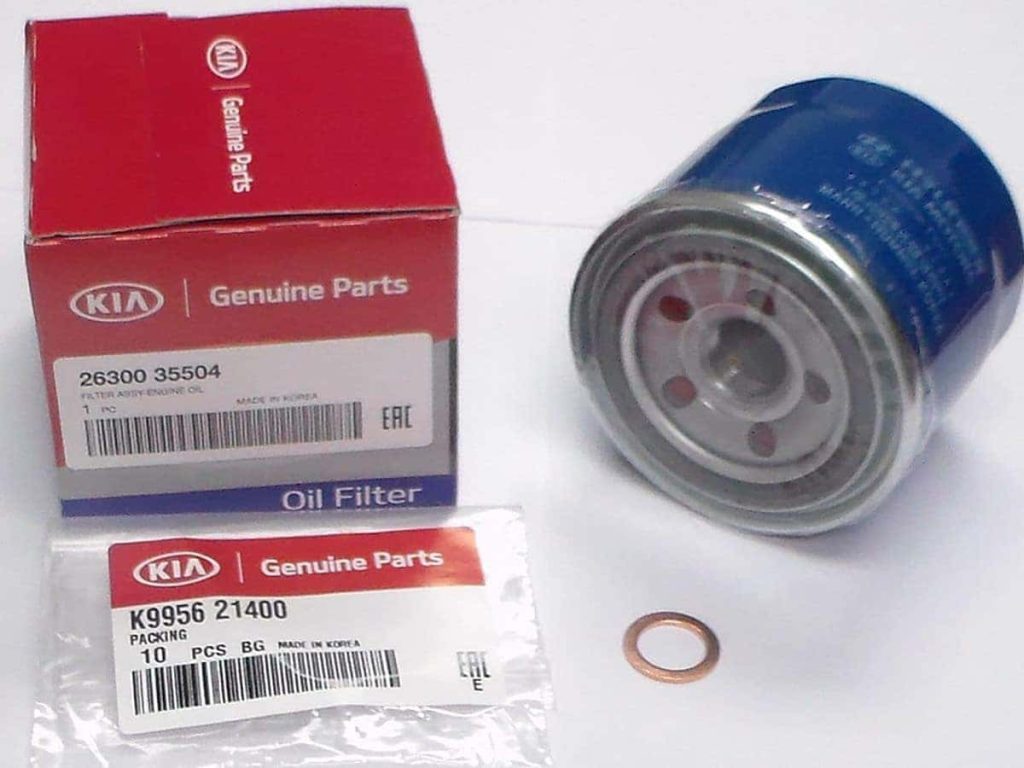
Have you ever wondered who makes the oil filters that keep your Kia running smoothly? Choosing the right oil filter is key to protecting your engine and extending your car’s life.
But with so many brands out there, it’s easy to feel lost. You’ll discover exactly who manufactures Kia oil filters and why that matters for your vehicle’s performance. Keep reading to find out how this simple part plays a big role in your car’s health—and how to make the best choice for your Kia.
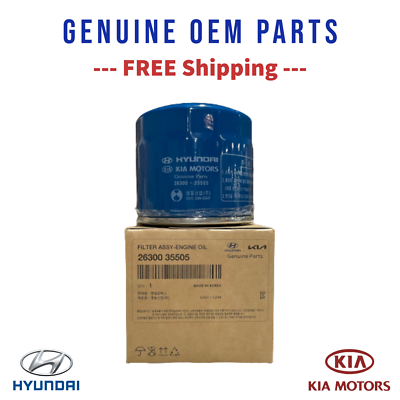
Credit: www.ebay.com
Kia Oil Filter Basics
Understanding Kia oil filters is key to keeping your engine running smoothly. These filters play a crucial role in protecting your vehicle’s heart—its engine. Knowing what they do and why they matter can help you make smarter maintenance choices.
Function Of Oil Filters
An oil filter traps dirt, metal particles, and other impurities from the engine oil. Clean oil keeps your engine parts lubricated and prevents wear and tear.
Without a good oil filter, contaminants can cause damage, leading to costly repairs. Think of it as a shield that keeps harmful debris away from sensitive engine parts.
Importance For Engine Health
Your engine depends on clean oil to run efficiently. Dirty oil can cause sludge buildup, reducing performance and fuel efficiency.
Regularly changing the oil filter improves your engine’s lifespan and reliability. Have you ever noticed how a fresh oil change makes your car feel more responsive? That’s the filter doing its job.
Kia’s Approach To Oil Filters
Kia takes oil filters seriously because they know how crucial clean oil is for your engine’s health. They don’t just settle for any filter; they focus on making sure each one meets strict standards. This approach helps keep your car running smoothly and extends its life.
Oem Vs Aftermarket Filters
Kia’s oil filters are usually made by the original equipment manufacturers (OEMs) specifically for Kia vehicles. These OEM filters are designed to fit perfectly and work exactly as intended. When you use an aftermarket filter, quality can vary a lot because different brands may cut corners to lower costs.
Think about your last oil change—did you stick with the OEM filter or try a cheaper aftermarket one? The difference in engine performance and longevity might surprise you. Using OEM filters means you get parts tested by Kia to ensure compatibility and durability, which aftermarket filters might not guarantee.
Quality Standards
Kia’s oil filters go through rigorous testing to meet high quality standards. They check for things like filtration efficiency, pressure resistance, and durability under extreme conditions. This ensures that your engine oil stays clean and your engine is protected from harmful particles.
You might not see these details when shopping for filters, but they matter a lot. Would you risk your engine’s health just to save a few dollars today? Kia’s commitment to quality means you don’t have to worry about that risk.
Trusted Manufacturers Behind Kia Filters
Understanding who makes Kia oil filters can give you confidence in the quality and reliability of your vehicle’s maintenance parts. Kia partners with reputable manufacturers known for their high standards and innovation in filtration technology. This collaboration ensures your engine stays protected with filters designed to meet Kia’s exact specifications.
Key Supplier Profiles
Kia oil filters are primarily produced by well-established companies in the automotive parts industry. These manufacturers have decades of experience and specialize in creating filters that match the performance needs of modern engines.
- Mann+Hummel:A global leader in filtration systems, Mann+Hummel supplies Kia with oil filters known for durability and efficiency. Their expertise ensures contaminants are effectively trapped, extending engine life.
- Hengst SE:Hengst focuses on precision-engineered filters that offer superior flow rates and protection. Their commitment to quality aligns with Kia’s standards for safety and performance.
- Filtron:Known for innovation and reliability, Filtron produces filters that undergo rigorous testing to guarantee optimal filtration under various driving conditions.
Manufacturing Locations
Kia’s oil filter manufacturers operate from multiple facilities worldwide. This global presence allows them to maintain consistent quality while meeting regional demand efficiently.
- South Korea:Several manufacturing plants are located close to Kia’s main assembly lines, ensuring quick supply and compatibility.
- Germany:European plants focus on advanced production techniques and strict quality control processes.
- China and Mexico:These facilities help supply filters to various international markets, balancing cost and quality.
Have you ever wondered how much impact the origin of your car parts has on your vehicle’s performance? Knowing the trusted manufacturers behind Kia oil filters can help you make informed choices when replacing your filters, ensuring your engine runs smoothly and lasts longer.
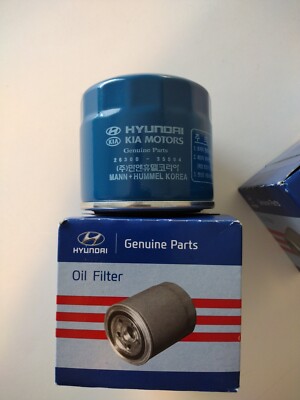
Credit: www.ebay.com
Materials And Technology Used
Kia oil filters use high-quality materials and smart technology. This ensures clean engine oil and better engine performance. The design focuses on durability and effective filtration. Every part works to keep the engine safe from dirt and debris.
Filter Media Types
Kia oil filters use different filter media to trap particles. Most filters use cellulose or synthetic fibers. Cellulose fibers are natural and cost-effective. Synthetic fibers offer better filtration and last longer. Some filters combine both types for improved performance. These materials catch tiny dirt particles to protect the engine.
Sealing And Construction
The sealing of Kia oil filters is strong to prevent leaks. Rubber gaskets create a tight seal between the filter and engine. The filter housing is made of durable metal or high-strength plastic. This keeps the filter sturdy under high pressure. The construction ensures the filter stays intact during engine operation.
How To Identify Genuine Kia Oil Filters
Knowing how to spot a genuine Kia oil filter can save your engine from damage and keep your car running smoothly. Fake filters may look similar, but they often lack the quality and durability of the real ones. Let’s look at some practical ways you can identify authentic Kia oil filters before making your purchase.
Packaging Features
Genuine Kia oil filters come in sturdy, well-designed boxes that feel solid in your hands. The colors are sharp and consistent, usually featuring Kia’s official red and white branding clearly printed without any blurring or fading.
Check the box for high-quality printing and clean edges. If the packaging looks cheap or flimsy, it’s a red flag. Also, genuine boxes often have security seals or holographic stickers that counterfeit products lack.
Labeling And Part Numbers
Every authentic Kia oil filter has a clearly printed part number that matches the one listed in your vehicle’s manual or on Kia’s official website. This number is usually found on both the box and the filter itself.
Make sure the label includes Kia’s logo and detailed product information, such as manufacturing date and country of origin. If the part number is missing, smudged, or doesn’t match what you need, it’s better to skip it.
Comparing Kia Filters To Competitors
Choosing the right oil filter for your Kia can affect your vehicle’s performance and longevity. Comparing Kia’s own oil filters to competitors helps you make an informed choice. Let’s break down how Kia filters stack up in terms of performance and cost, so you know exactly what you’re paying for.
Performance Metrics
Kia oil filters are designed specifically for Kia engines, ensuring a precise fit and optimal filtration. They typically offer high dirt-holding capacity and efficient particle removal, which protects your engine from wear. But how do they compare to well-known aftermarket brands?
- Filtration efficiency:Kia filters often capture 99% of particles down to 20 microns, matching or exceeding many competitors.
- Flow rate:They maintain a strong oil flow to prevent pressure drops, similar to premium aftermarket options.
- Durability:Kia filters use quality materials that resist collapse under high pressure, comparable to brands like Fram or Bosch.
From my experience, using OEM Kia filters helped maintain smoother engine operation, especially during long drives. You might notice less engine noise and better fuel economy over time.
Price Vs Value
Kia oil filters usually come at a slightly higher price than generic aftermarket filters. However, that extra cost often reflects the quality and compatibility with your vehicle.
| Brand | Average Price | Key Benefits |
|---|---|---|
| Kia OEM | $10 – $15 | Perfect fit, reliable filtration, maintains warranty |
| Fram | $7 – $12 | Good filtration, widely available, slightly cheaper |
| Bosch | $9 – $14 | High-quality materials, durable, trusted brand |
Think about how much you value your engine’s health. Would you risk lower filtration quality for a small price difference? Investing in a Kia filter can reduce chances of engine damage and costly repairs later.
Maintaining Your Kia With The Right Filter
Keeping your Kia running smoothly means paying close attention to the oil filter you choose. The right filter ensures clean oil flows through your engine, protecting vital parts from wear and tear. Using an inferior or wrong filter might seem like a small issue, but it can lead to costly repairs down the road.
I once ignored a warning sign on my car, thinking any oil filter would do. That mistake led to engine sludge buildup, costing me both time and money. Don’t let that happen to you—understanding the replacement intervals and recognizing signs of filter wear can save your Kia’s engine.
Replacement Intervals
Your Kia’s oil filter should be changed regularly to keep the engine healthy. Most manufacturers recommend replacing the oil filter every time you change the oil, typically every 5,000 to 7,500 miles. However, your driving habits and conditions can affect this interval.
If you often drive in heavy traffic, dusty areas, or extreme temperatures, consider changing the oil filter more frequently. Check your owner’s manual for specific guidance tailored to your model. Remember, sticking to the right schedule helps maintain engine efficiency and prolongs the life of your vehicle.
Signs Of Filter Wear
How can you tell if your Kia’s oil filter needs attention? Watch out for these signs:
- Decreased engine performance:Your car might feel sluggish or less responsive.
- Unusual engine noises:Rattling or knocking sounds can indicate poor oil flow.
- Dirty or dark oil:Check your dipstick; if the oil looks grimy, the filter might be clogged.
- Warning lights:The oil pressure or check engine light could signal filter issues.
Ignoring these signs can lead to engine damage. Are you paying enough attention to your vehicle’s subtle warnings? Taking action early keeps your Kia running at its best.

Credit: www.kia.fusz.com
Frequently Asked Questions
Who Manufactures Kia Oil Filters?
Kia oil filters are manufactured by several companies, including Mobis, the official supplier for Kia Motors. Aftermarket options like Fram and Bosch also make compatible filters. Using genuine Kia parts is recommended for optimal performance and warranty compliance.
Are Kia Oil Filters Reliable?
Yes, Kia oil filters are reliable and designed to meet high-quality standards. They help ensure efficient engine performance by trapping dirt and debris. Genuine Kia filters are rigorously tested for durability and effectiveness.
How Often Should Kia Oil Filters Be Changed?
Kia recommends changing the oil filter every 3,000 to 5,000 miles. This interval depends on your driving conditions and oil type. Regular maintenance ensures engine longevity and optimal performance.
Can I Use Aftermarket Oil Filters For Kia?
Yes, aftermarket oil filters can be used for Kia vehicles. Brands like Fram and Bosch offer compatible options. However, using genuine Kia filters is recommended for best results and warranty protection.
Conclusion
Kia oil filters come from trusted manufacturers known for quality. These filters help keep your engine clean and running well. Choosing the right oil filter protects your car’s engine over time. Always pick filters that meet Kia’s standards for best results.
Knowing who makes Kia oil filters helps you make smart choices. Keep your car healthy with genuine or approved oil filters. Simple steps like this save money and avoid engine problems later. Quality matters when it comes to your vehicle’s care.