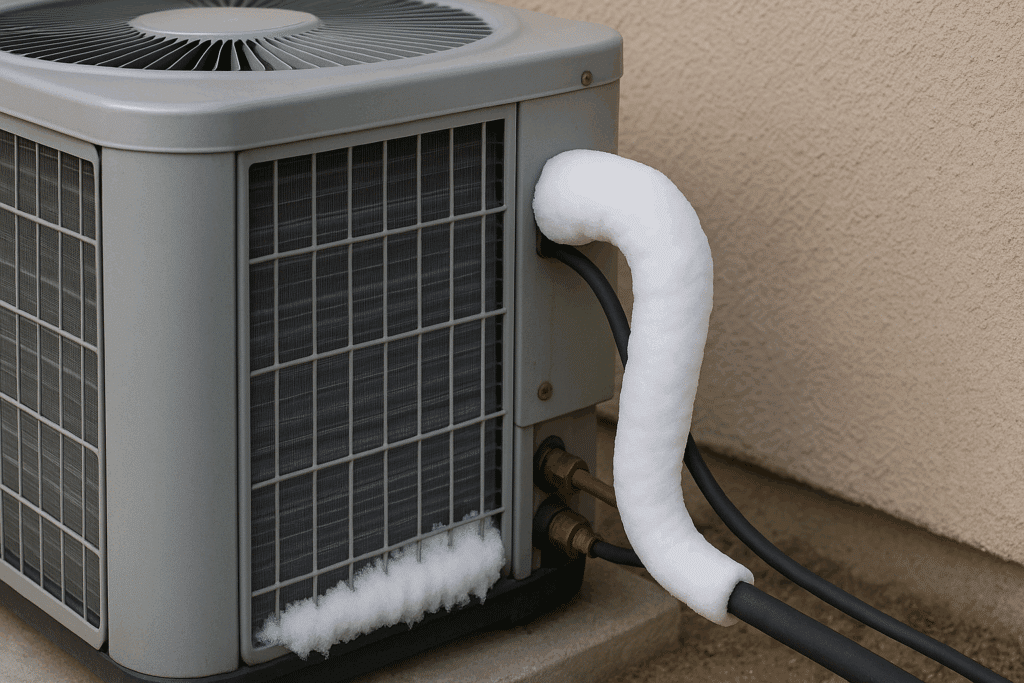
Have you ever noticed your air conditioner suddenly covered in ice? It can be frustrating and confusing.
Why does your AC freeze up just when you need it most? Understanding what causes this problem can save you from discomfort and costly repairs. You’ll discover the common reasons behind a freezing air conditioner and simple steps you can take to fix it.
Keep reading to learn how to keep your AC running smoothly and your home cool all summer long.
Common Reasons For Ac Freezing
Air conditioners sometimes freeze, causing poor cooling and damage. Understanding why helps fix the issue fast.
Several common problems cause an AC to freeze. Each one affects the system differently.
Low Refrigerant Levels
Refrigerant cools the air inside your home. Low levels make the AC coil too cold. This causes ice to build up on the coil.
Leaks or poor maintenance often cause low refrigerant. A professional should check and refill it.
Dirty Air Filters
Air filters trap dust and dirt. When dirty, they block airflow. This lowers air movement over the coil and causes freezing.
- Check filters monthly
- Replace or clean when dirty
- Use the correct filter size
Blocked Airflow
Furniture, curtains, or debris can block vents. This reduces airflow and causes the coil to freeze. Keep vents clear for good air movement.
Thermostat Issues
A broken or wrongly set thermostat can cause the AC to run too long. This overworks the system and leads to freezing.
| Thermostat Problem | Effect on AC |
|---|---|
| Wrong temperature setting | Runs AC too long |
| Faulty sensor | AC runs even when cool |
| Loose wiring | Erratic AC behavior |
Faulty Blower Fan
The blower fan moves air across the coil. If it breaks or works slowly, airflow drops. This causes ice to form on the coil.
Outdoor Unit Problems
The outdoor unit must stay clean and clear. Dirt, leaves, or plants can block it. This lowers cooling and causes freezing inside.
How Low Refrigerant Causes Freezing
Low refrigerant in an air conditioner can cause the unit to freeze. Refrigerant helps cool the air by absorbing heat. When its levels drop, the cooling process gets disturbed.
Without enough refrigerant, the air conditioner’s coils get too cold. This makes moisture in the air freeze on the coils, leading to ice build-up.
Leaks And Their Impact
Leaks cause refrigerant to escape from the system. This lowers refrigerant levels and reduces cooling efficiency. The air conditioner’s pressure also drops, which causes the temperature of the coils to fall below freezing.
- Leaks reduce refrigerant volume.
- Lower refrigerant causes low pressure.
- Low pressure cools coils below freezing.
- Frozen coils block airflow.
- Blocked airflow worsens freezing.
Signs Of Refrigerant Loss
| Sign | Description |
| Ice on Coils | Visible frost or ice on indoor or outdoor coils |
| Reduced Cooling | Air conditioner does not cool rooms well |
| High Energy Bills | System works harder, using more electricity |
| Hissing Sounds | Noise near refrigerant lines indicating leaks |
| Longer Run Times | AC runs longer to reach set temperature |
Effects Of Dirty Air Filters
Dirty air filters reduce the airflow in your air conditioner. This can cause the system to freeze up and stop working properly.
Cleaning or replacing the filter regularly helps keep your air conditioner running smoothly and prevents freezing.
Reduced Airflow Consequences
A clogged filter blocks air from moving freely. This makes the air conditioner work harder and cool less effectively.
- The evaporator coil can get too cold and freeze.
- Ice buildup blocks airflow further.
- The system uses more energy and costs more to run.
- Parts may wear out faster due to stress.
Filter Cleaning And Replacement
Regular filter care is important to avoid freezing problems. Clean or replace filters based on how dirty they get.
| Filter Type | Cleaning Frequency | Replacement Frequency |
| Reusable Foam | Every 1 month | Replace yearly |
| Fiberglass Disposable | Not washable | Every 1–3 months |
| Pleated Disposable | Not washable | Every 3 months |
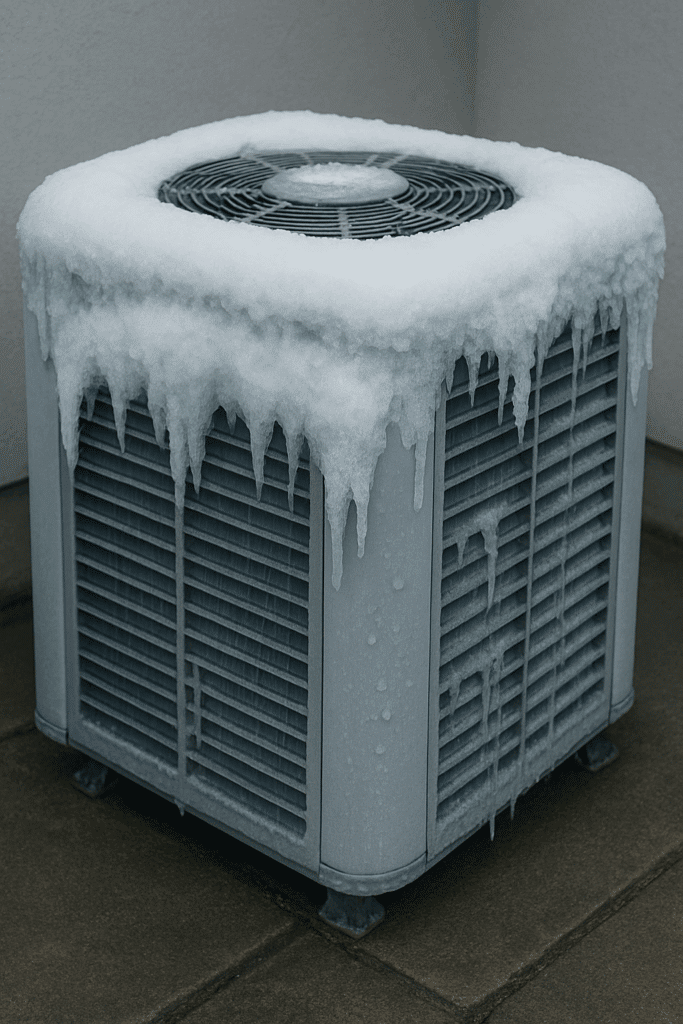
Credit: bellplumbing.com
Airflow Blockages And Their Role
An air conditioner can freeze when airflow is blocked. Airflow blockages stop cool air from moving properly. This causes the system to get too cold and freeze.
Understanding airflow problems helps fix freezing AC units. Two main causes are obstructed vents and ductwork issues.
Obstructed Vents
Obstructed vents stop air from flowing through the system. Dust, dirt, and furniture can block vents. When vents are blocked, cold air cannot circulate well.
This causes the AC coils to get too cold and freeze. Regularly cleaning vents and keeping them clear helps prevent freezing.
- Dust buildup inside vents
- Furniture or objects covering vents
- Closed or partially closed vents
Ductwork Issues
Ductwork carries air through the building. If ducts are damaged or blocked, airflow decreases. This makes the AC work harder and freeze.
Leaks, holes, or crushed ducts reduce air movement. Proper duct maintenance ensures smooth airflow and prevents freezing problems.
- Crushed or bent ducts
- Leaks or holes in ductwork
- Disconnected duct sections
Thermostat And Sensor Malfunctions
Air conditioners sometimes freeze due to thermostat and sensor issues. These problems cause the system to misread temperatures. This leads to improper cooling cycles and ice buildup.
Fixing these malfunctions helps keep the AC running smoothly. Understanding the causes aids in quick diagnosis and repair.
Incorrect Temperature Readings
Thermostats and sensors may give wrong temperature data. This can make the AC run too long or too little. Both cases can cause freezing problems.
- Dirty or damaged sensors give false readings.
- Poor thermostat placement can cause errors.
- Electrical faults may disrupt sensor signals.
- Worn-out parts reduce accuracy over time.
Calibration Tips
Correct calibration fixes most sensor and thermostat errors. Use a reliable thermometer to check actual room temperature. Adjust the thermostat settings to match this reading.
| Calibration Step | Description |
| Check sensor location | Ensure it is away from direct sunlight or vents |
| Compare readings | Use an external thermometer for accuracy |
| Adjust thermostat | Set it to match actual room temperature |
| Test AC operation | Observe if freezing stops after adjustment |

Credit: a1heating.com
Blower Fan Problems Leading To Freezing
Air conditioners can freeze when the blower fan does not work properly. The fan moves warm air over the coils. Without enough airflow, the coils get too cold and ice forms.
Blower fan problems often cause this freezing issue. Fixing the fan can stop the ice from building up and keep the air conditioner running well.
Fan Motor Failures
The fan motor powers the blower fan. If the motor fails, the fan stops spinning or runs slowly. This lowers airflow over the cooling coils.
Without enough air moving, the coils become very cold and ice forms. A broken fan motor needs repair or replacement to fix freezing problems.
- Motor wears out over time
- Electrical problems can stop the motor
- Dirt and dust cause motor damage
- Motor bearings may fail
Fan Speed Settings
Fan speed controls how fast the blower fan moves air. If the fan speed is too low, airflow drops. This can cause the air conditioner to freeze.
Setting the fan speed correctly helps keep enough air flowing. Proper airflow prevents ice buildup on the coils and keeps the system working well.
- Low speed reduces air over coils
- High speed improves airflow and cooling
- Incorrect settings cause uneven cooling
- Adjust fan speed for best performance
Outdoor Unit Troubleshooting
The outdoor unit of your air conditioner plays a key role in cooling your home. It helps release heat from inside to the outside air. Sometimes, this unit may cause the air conditioner to freeze. Troubleshooting the outdoor unit can help fix this issue quickly.
Many problems in the outdoor unit come from dirt and debris. Cleaning and removing blockages can improve airflow and prevent freezing. Below are two main areas to check and maintain.
Coil Cleaning
The coils in the outdoor unit absorb heat from the refrigerant. Dirt and dust on these coils reduce heat transfer. This causes the refrigerant to get too cold, which can freeze the air conditioner.
- Turn off the power to the unit before cleaning.
- Use a soft brush or coil cleaner to remove dirt gently.
- Rinse coils with water to wash away loosened debris.
- Do not use high pressure as it can damage the fins.
- Clean coils at least once a year or more if needed.
Debris Removal
Leaves, grass, and other debris can block airflow around the outdoor unit. Poor airflow lowers system efficiency and causes freezing. It is important to keep the area clean and clear.
| Type of Debris | Effect on Unit | Removal Method |
|---|---|---|
| Leaves | Block air intake | Clear manually or with a blower |
| Grass clippings | Clog vents and fan | Use a brush or vacuum |
| Dust and dirt | Reduce coil efficiency | Wash with water and mild cleaner |
| Twigs and small branches | Damage fan blades | Remove by hand carefully |
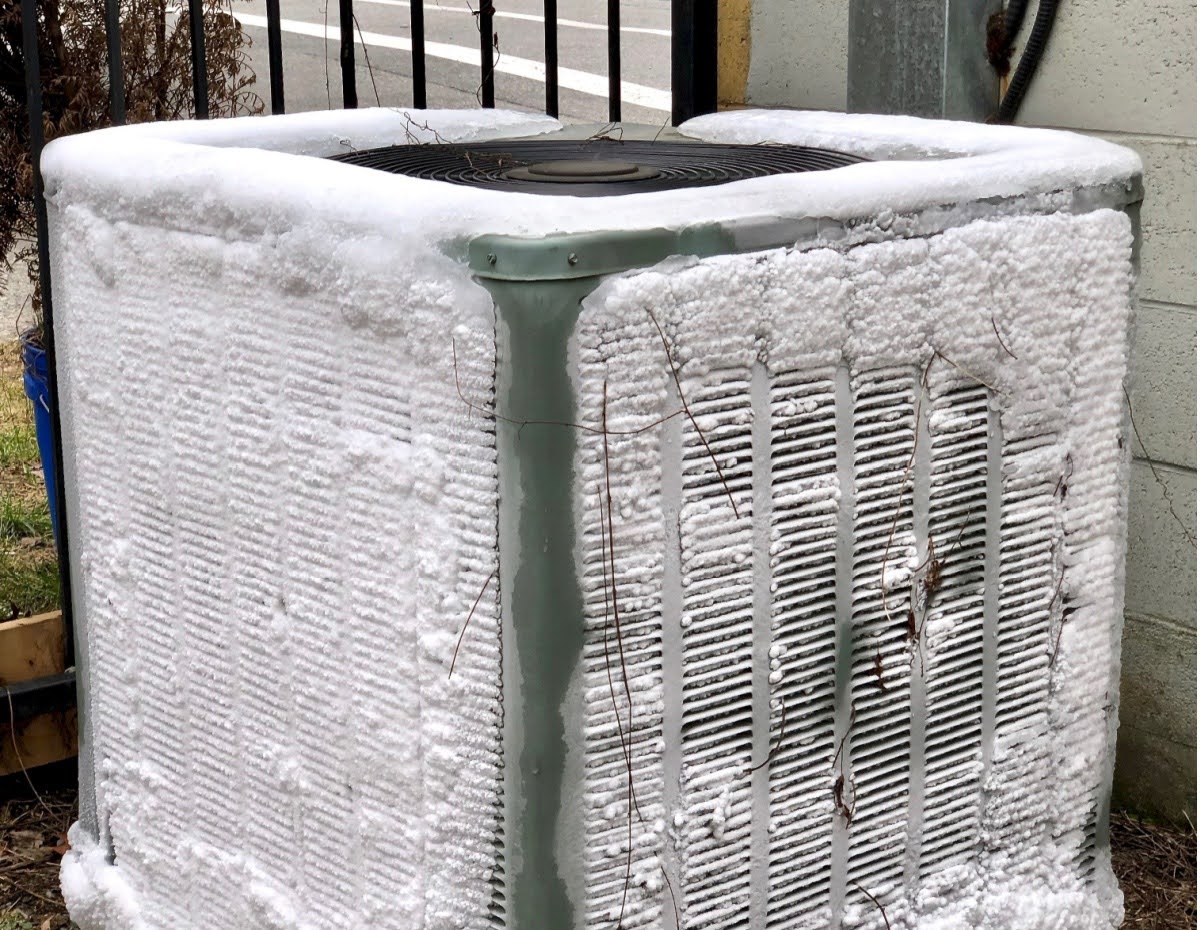
Credit: www.davisheat.com
Quick Fixes To Prevent Freezing
Air conditioners can freeze due to several reasons. This can stop your unit from working well.
Fixing freezing issues quickly helps keep your home cool and your AC running longer.
Regular Maintenance Tips
Clean or replace air filters every month. Dirty filters block airflow and cause freezing.
- Check refrigerant levels yearly.
- Clear debris around outdoor units.
- Inspect the evaporator coil for dirt build-up.
- Keep vents and registers open and unobstructed.
Diy Cleaning Steps
Turn off power before cleaning your AC. This keeps you safe and protects the unit.
- Remove and clean the air filters with warm water.
- Use a soft brush to clean the evaporator coils.
- Clear the condensate drain line with a mixture of bleach and water.
- Check fan blades for dirt and clean gently.
When To Call A Professional
Call a technician if your AC keeps freezing after cleaning. It may need a refrigerant check.
| Problem | Possible Cause | Professional Help Needed |
|---|---|---|
| Constant freezing | Low refrigerant levels | Yes |
| Ice builds quickly | Faulty thermostat | Yes |
| Water leaks inside | Blocked drain line | Maybe |
| Strange noises | Fan motor issues | Yes |
Frequently Asked Questions
Why Does My Ac Freeze Up?
An air conditioner can freeze up due to insufficient airflow. This might be caused by dirty filters, blocked vents, or malfunctioning fans. Low refrigerant levels or a thermostat set too low can also lead to freezing. Regular maintenance can prevent these issues and ensure efficient cooling.
How Can I Prevent Ac Freezing?
To prevent AC freezing, regularly clean or replace air filters. Ensure vents are unobstructed and check the refrigerant levels. Set the thermostat to an optimal temperature and schedule regular maintenance checks. These steps enhance airflow and prevent freezing.
What Are The Signs Of A Frozen Ac?
Signs of a frozen AC include reduced airflow, ice on the unit, and strange noises. You might also notice warm air blowing from the vents. Addressing these signs early can prevent further damage and ensure efficient cooling.
Can Low Refrigerant Cause Ac Freezing?
Yes, low refrigerant can cause AC freezing. It reduces the pressure in the evaporator coil, causing it to freeze. Regularly checking and maintaining proper refrigerant levels can prevent this issue, ensuring efficient operation.
Conclusion
An air conditioner freezes mostly because of poor airflow or low refrigerant. Dirty filters and blocked vents can cause this problem. Fixing these issues helps your AC work better and last longer. Regular cleaning and timely service keep your home cool and comfortable.
Watch for signs like ice buildup or weak cooling. Taking action early saves money and prevents bigger repairs. Keep your AC in good shape to enjoy cool air all summer. Simple care makes a big difference.