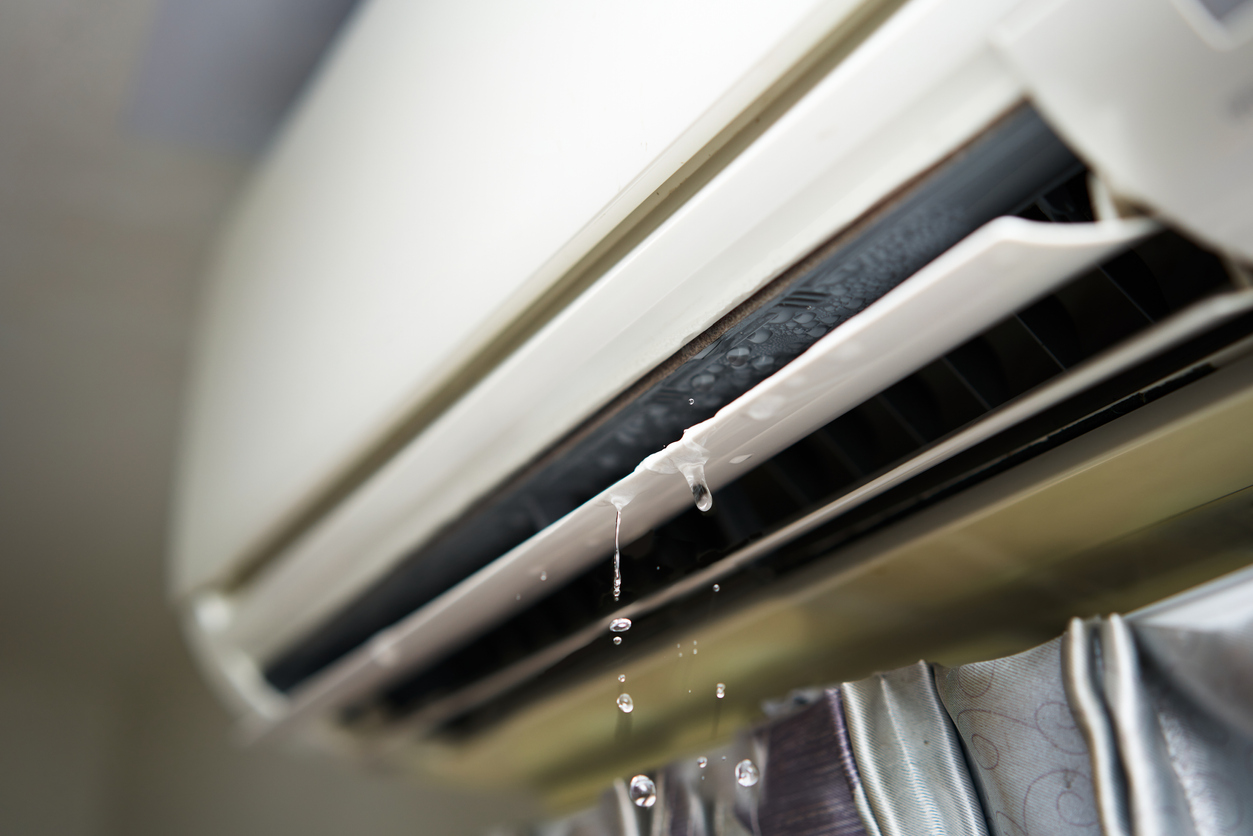
Have you ever noticed water dripping from your air conditioner and wondered why it’s happening? A leaking air conditioner is not just annoying—it could signal a bigger problem that affects your comfort and your wallet.
Understanding why your AC leaks water can help you fix the issue quickly and avoid costly repairs. You’ll discover the common reasons behind that unwanted drip and learn what you can do to keep your home cool and dry. Keep reading to protect your AC and enjoy a worry-free summer.
Credit: honorservices.com
Common Causes Of Ac Water Leaks
Air conditioners can leak water for different reasons. This can cause damage to your home. Knowing the cause helps fix the problem quickly.
Here are the most common causes of water leaks from an air conditioner.
Clogged Drain Line
The drain line carries water outside your home. Dirt and mold can block it. When blocked, water backs up and leaks inside.
- Dirt buildup
- Mold growth
- Leaves or debris
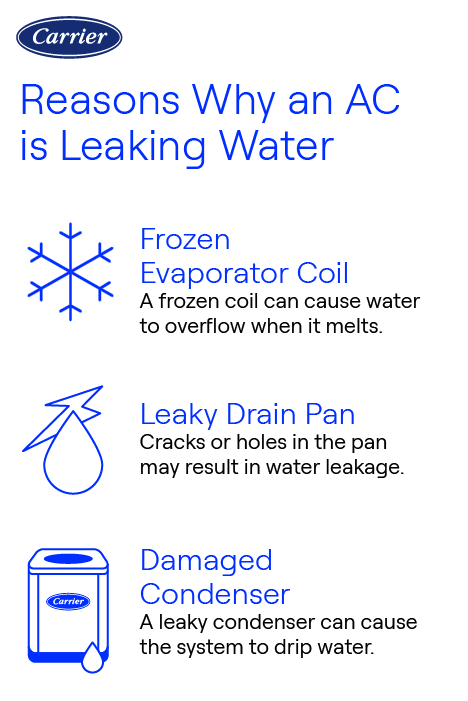
Frozen Evaporator Coil
Cold air cools the evaporator coil. If airflow is low, the coil freezes. When it melts, water can drip and leak.
Damaged Drain Pan
The drain pan collects water from the coil. If it cracks or rusts, water leaks onto the floor or walls.
| Common Issues | Effect |
| Cracks | Water leaks out |
| Rust | Weak pan, leaks form |
| Improper size | Overflow and leaks |
Improper Installation
If the AC is not installed right, water may not drain properly. This causes water to pool and leak inside.
Common installation errors include:
- Wrong drain pipe angle
- Loose or disconnected pipes
- Incorrect unit placement
Low Refrigerant Levels
Low refrigerant causes the coil to get too cold. This freezes water on the coil. When it melts, it leaks inside the home.
Credit: www.schaafsma.com
Identifying Water Leak Sources
Air conditioners sometimes leak water. Finding where the water comes from helps fix the problem quickly.
Water leaks can cause damage if not stopped. Look closely at parts that may cause leaks.
Checking The Drain Line
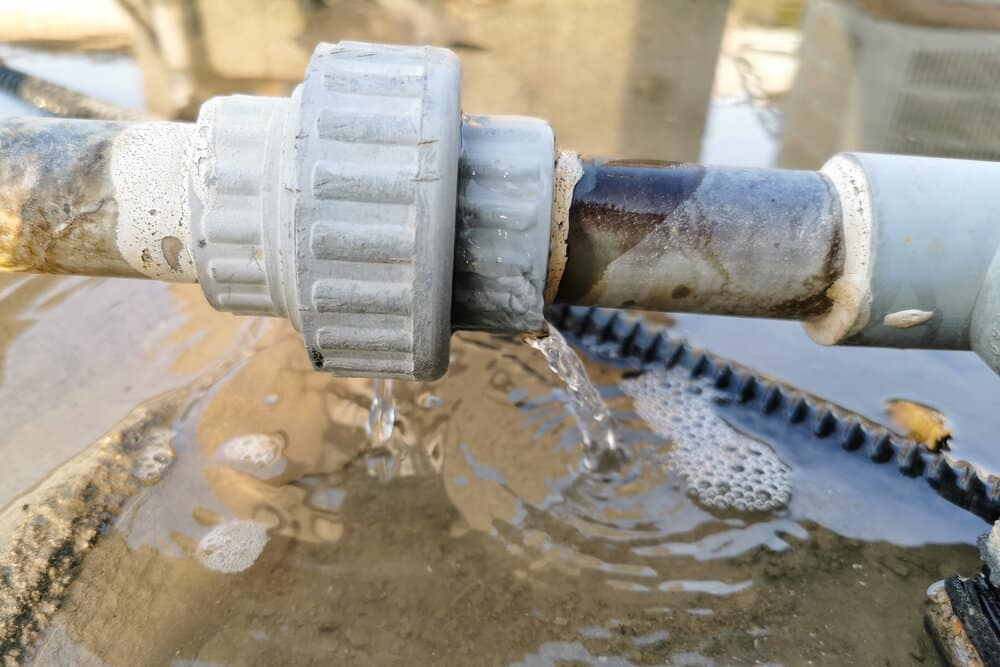
The drain line carries water out of the air conditioner. If it is clogged, water can back up and leak.
Check the drain line for dirt, mold, or blockages. Clear any clogs to allow water to flow freely.
- Look for cracks or breaks in the drain line
- Use a wet/dry vacuum to clear blockages
- Flush the line with water to remove dirt
Inspecting The Evaporator Coil
The evaporator coil cools the air and creates condensation. If it freezes, melting ice can cause leaks.
Check the coil for dirt or ice buildup. Clean the coil and fix airflow to prevent freezing.
- Look for frost or ice on the coil
- Clean dust and debris off the coil
- Ensure proper airflow around the coil
Examining The Drain Pan
The drain pan catches water from the evaporator coil. If it is cracked or rusted, water can leak out.
Check the drain pan for holes or damage. Replace or repair the pan if it cannot hold water properly.
- Look under the unit for water stains or rust
- Check for cracks or holes in the pan
- Clean the pan to remove dirt and mold
Assessing Installation Issues
Wrong installation can cause water leaks. The unit must be level and properly sealed.
Check if the air conditioner is tilted or loose. Fix any gaps to stop water from leaking inside.
- Ensure the unit is installed level
- Check seals around the unit for gaps
- Make sure the drain line is angled downwards
Simple Fixes For Ac Water Leaks
Air conditioners often leak water due to common issues. These leaks can cause damage and discomfort.
Simple fixes can stop leaks and keep your AC running well. Knowing what to check helps save time and money.
Clearing The Drain Line
The drain line can get clogged with dirt and algae. This blockage stops water from flowing out.
- Turn off the AC power.
- Find the drain line outside your home.
- Use a wet/dry vacuum to clear the clog.
- Flush the line with a mixture of water and vinegar.
- Check if water flows freely after cleaning.
Thawing The Evaporator Coil
Frozen evaporator coils cause water to drip when they thaw. This happens if airflow is poor or refrigerant is low.
To fix this, turn off the AC and let the ice melt. Clean or replace air filters to improve airflow.
Replacing The Drain Pan
A damaged drain pan can leak water inside your home. Check for cracks or rust on the pan below the coils.
| Sign of Damage | Action Needed |
|---|---|
| Visible cracks or holes | Replace the drain pan |
| Rust buildup | Inspect and replace if needed |
| Water pooling under unit | Check drain pan and drain line |
Reinstalling Or Adjusting The Unit
If the AC unit is not level, water can leak out. Check the position of the unit carefully.
- Use a level tool to check the angle.
- Adjust the mounting brackets or base.
- Secure the unit to prevent movement.
- Ensure proper drainage after adjustment.
Refilling Refrigerant
Low refrigerant causes the evaporator coil to freeze and leak water. A certified technician should refill refrigerant safely.
Regular AC maintenance helps detect low refrigerant early. This prevents leaks and improves cooling.
Preventing Future Ac Leaks
Air conditioners can leak water if not cared for properly. Small leaks can cause big problems later.
Stopping leaks early helps save money and keeps your home comfortable. You can prevent leaks with simple steps.
Regular Maintenance Tips
Check and clean your AC regularly to avoid leaks. Dirt and dust can block the drain and cause water to back up.
Look for clogged drain lines, dirty filters, and frozen coils. Fix these problems to keep water flowing properly.
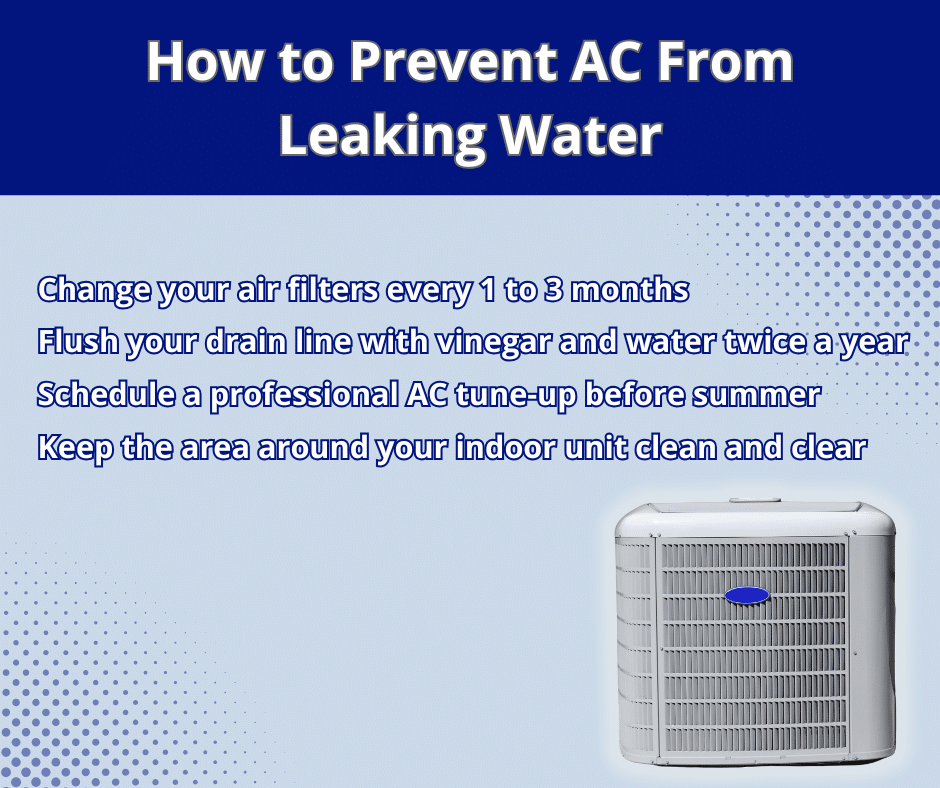
- Clean or replace air filters every 1-3 months
- Clear the drain line with a vacuum or pipe cleaner
- Inspect coils for ice or dirt buildup
- Keep outdoor unit clean and free of debris
Scheduling Professional Inspections
Have a licensed technician check your AC system once a year. They can find hidden issues that cause leaks.
Professionals can clean parts deeply and test the system’s function. This helps prevent water leaks and other damage.
- Inspect drain pans and lines for blockages
- Check refrigerant levels and coil condition
- Test thermostat and electrical parts
- Provide repairs before leaks start
Using Quality Installation Services
Choose experienced installers to set up your AC. Poor installation can cause leaks and reduce system life.
Proper setup includes correct drainage slope and secure connections. This stops water from leaking inside your home.
- Check that drain lines slope downward
- Ensure tight fittings on pipes and coils
- Use quality parts and materials
- Follow manufacturer instructions carefully
When To Call A Professional
Air conditioners sometimes leak water. This can be a small problem or a big one.
Knowing when to call a professional can save your AC and your home.
Signs Of Major Issues
If your AC leaks water a lot or in unusual places, it might be serious.
Look for these signs that need expert help:
- Water pooling around the unit or inside your home
- AC stops cooling properly
- Foul or musty smells coming from the unit
- Ice buildup on the coils or pipes
- Frequent shutting off or unusual noises
Safety Considerations
Water leaks can cause electrical problems or damage your home.
Do not try to fix major leaks if you are not trained. It may be unsafe.
- Turn off the AC if you see water near electrical parts
- Avoid touching wet electrical components
- Call a professional if the leak is large or persistent
- Keep children and pets away from the leaking area
Credit: fischerheating.com
Frequently Asked Questions
Why Is My Air Conditioner Leaking Water Inside?
Water leakage inside an air conditioner often occurs due to a clogged drain line or a blocked air filter. These blockages prevent proper drainage, causing water to overflow and leak inside your home.
Can A Dirty Air Filter Cause Ac Water Leaks?
Yes, a dirty air filter restricts airflow, causing the evaporator coil to freeze. When it melts, excess water can leak from the unit.
How Does A Clogged Drain Line Cause Ac Water Leaks?
A clogged drain line blocks condensation from draining outside. This backup leads to water spilling inside the air conditioner and your living space.
Does Low Refrigerant Cause Water Leakage In Ac?
Low refrigerant levels cause the evaporator coil to freeze. When the ice melts, it produces excess water that may leak from your AC unit.
Conclusion
Understanding why air conditioners leak water helps prevent issues. Regular maintenance can avoid costly repairs. Ensure filters are clean to improve airflow. Inspect drain lines for clogs or blockages. Keep the unit level to prevent uneven water flow. Address any refrigerant issues promptly.
These steps maintain efficiency and comfort. An air conditioner in good condition saves energy. It also extends the system’s lifespan. Stay cool and avoid leaks with simple care. Always consult a professional for persistent problems. A little attention goes a long way.
Keep your home comfortable and dry.