Is your air conditioner leaking water and leaving you worried? You’re not alone.
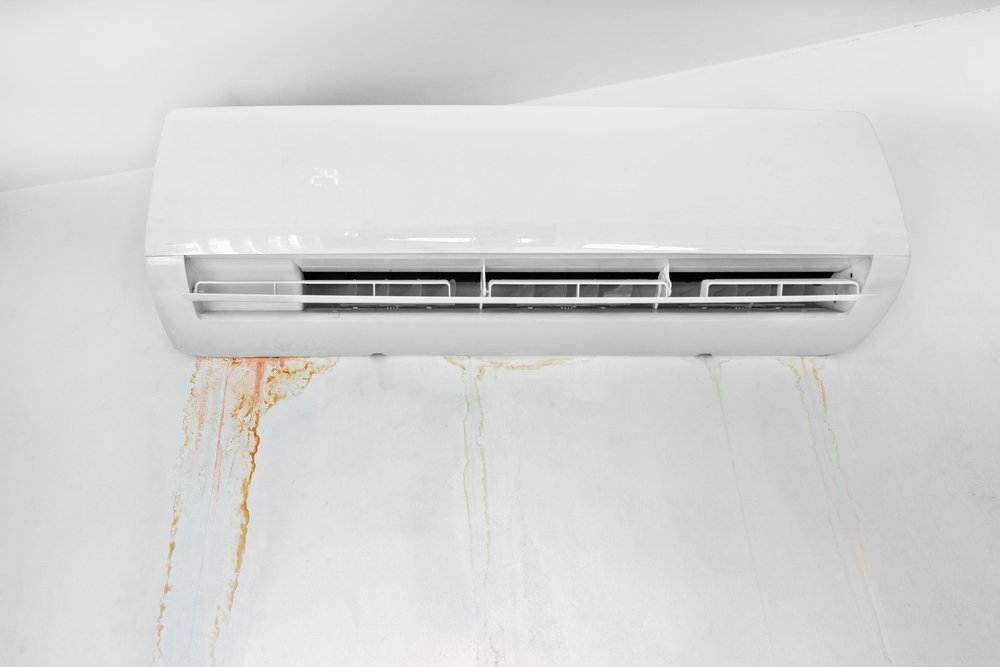
Many people face this annoying issue, and it can quickly turn a cool, comfortable room into a messy, stressful situation. But why does your AC start dripping water in the first place? Understanding the reasons behind this problem can save you from costly repairs and keep your home fresh and dry.
Keep reading, because we’re about to uncover the simple causes of your air conditioner leaking water—and how you can fix it before it gets worse.
Credit: honorservices.com
Common Causes Of Air Conditioner Leaks
Clogged drain linesblock water from leaving the air conditioner. This causes water to pool and leak. Dirt and debris often cause these clogs.
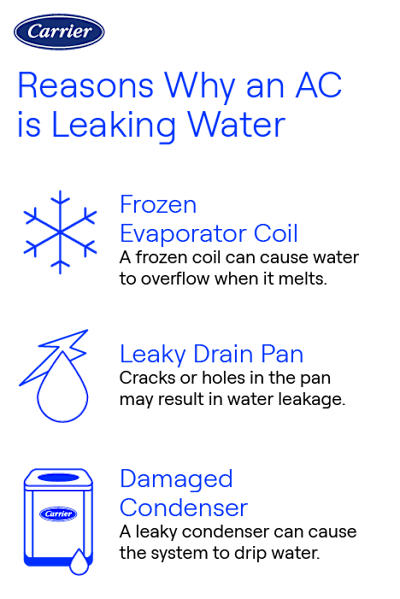
Frozen evaporator coilshappen when the unit runs too cold or airflow is weak. Ice melts and turns into water, which can leak out.
Low refrigerant levelsreduce cooling ability. This can cause coils to freeze and drip water once ice melts.
Dirty air filterslimit airflow. This makes the system work harder and can cause coils to freeze and leak water.
Damaged drain panscan crack or rust over time. Water collects in these pans and leaks out if they are broken.
Credit: www.austingsmechanical.com
Quick Fixes For Clogged Drain Line
Wet/dry vacuumcan clear a clogged drain line fast. Place vacuum hose at drain line opening. Turn on vacuum for a few seconds to suck out debris. This removes dirt blocking water flow. Make sure vacuum is strong enough for wet use.
Drain snakehelps reach deep clogs. Insert snake into drain line gently. Twist and push to break or pull out blockages. Keep going until water flows freely again. Use slow, steady movements to avoid damage.
Mix a bleach solutionusing one part bleach and three parts water. Pour solution into drain line to kill mold and algae. Let it sit for 15 minutes before flushing with water. This keeps drain clean and prevents future clogs.
Solutions For Frozen Evaporator Coils
Frozen evaporator coils cause water leaks in air conditioners. Checking for blockagesis key. Dirt and debris can block the coils. This stops proper cooling and leads to ice buildup. Clean the coils gently using a soft brush or cloth. Clear any nearby vents or filters to keep air flowing.
Adjusting thermostat settingshelps prevent freezing. Set the thermostat to a moderate temperature, not too low. This avoids overworking the AC and forming ice on coils. Avoid sudden temperature drops that cause frost buildup.
Ensuring proper airflowis essential. Check that air filters are clean and vents are open. Blocked airflow causes coils to freeze and water to leak. Use fans or open windows to help air circulate around the unit.
Addressing Low Refrigerant Levels
Low refrigerant in an air conditioner often causes water leaks. The system loses its cooling power. This makes the evaporator coil freeze.
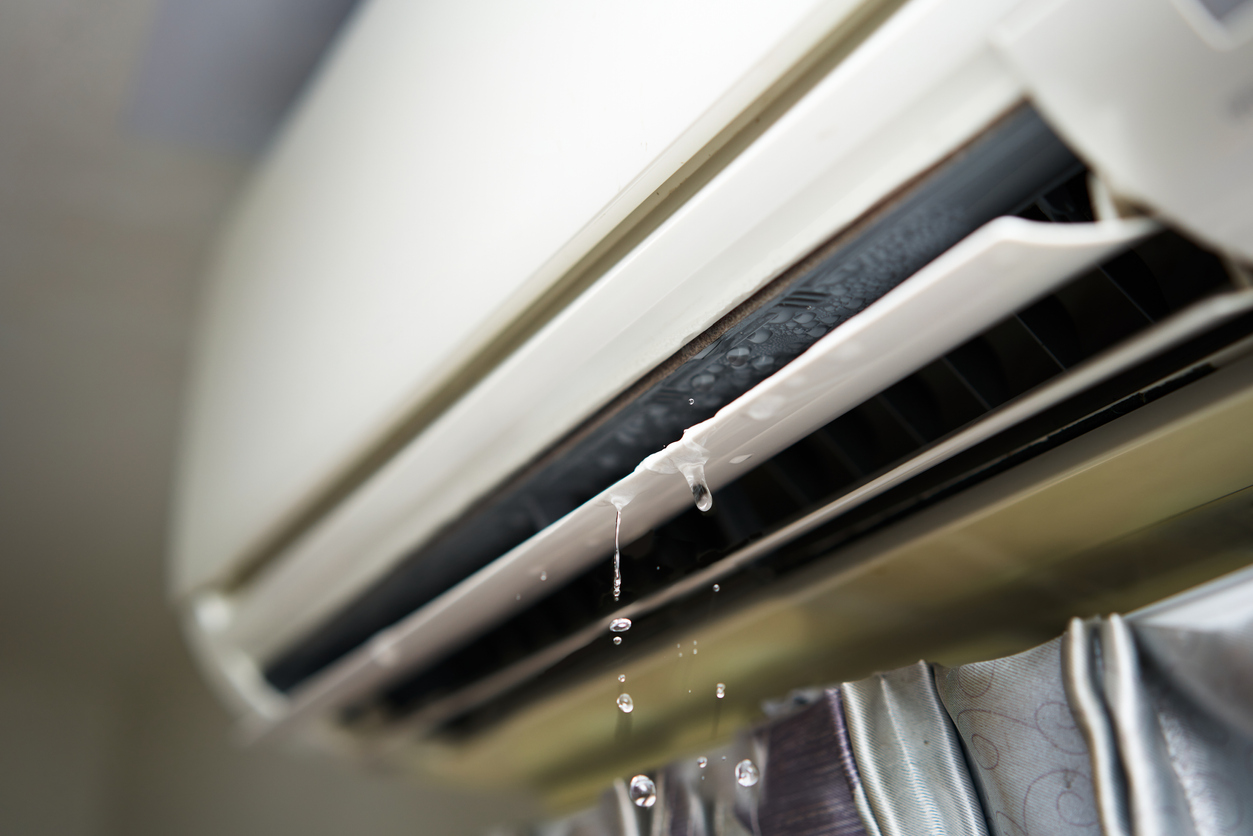
When the ice melts, it creates excess water. This water may drip outside the drain pan or inside your home.
Common signs of low refrigerant include:
- Warm air blowing from vents
- Longer cooling cycles
- Hissing or bubbling sounds near the unit
- Ice buildup on the coils
Only a trained technician can safely check refrigerant levels. They have the right tools to find leaks and recharge the system. Contacting a professional ensures proper repairs and prevents further damage.
Replacing Dirty Air Filters
Dirty air filters cause the air conditioner to leak water. Filters catch dust and dirt. When clogged, airflow drops. This makes the evaporator coil freeze and then drip water. Replacing dirty filters helps keep the AC dry and working well.
Selecting the right filter is key. Filters come in various sizes and types. Choose one that fits your AC model. Look for filters with good dust-holding capacity. This keeps air clean and prevents leaks.
| Filter Type | Description | Use |
|---|---|---|
| Fiberglass | Basic and inexpensive | Traps large dust particles |
| Pleated | Better dust capture | Improves air quality |
| HEPA | High-efficiency filter | Best for allergy sufferers |
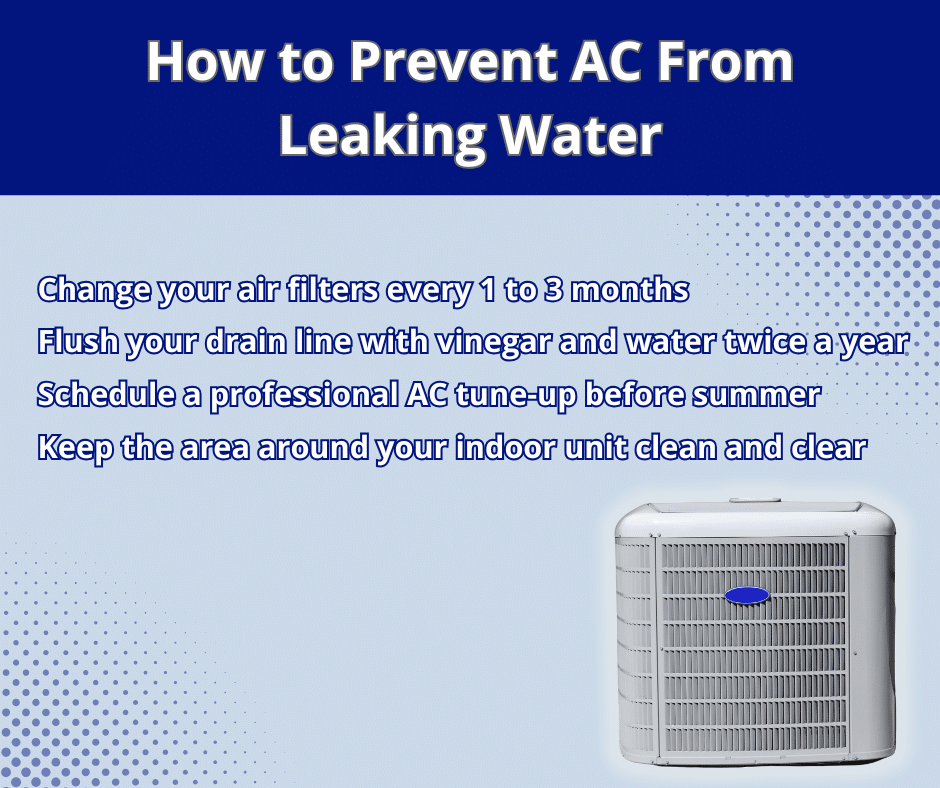
Keep a regular maintenance schedule. Change filters every 1-3 months. Clean or replace filters more often if the area is dusty. This simple habit prevents water leaks and extends AC life.
Credit: www.schaafsma.com
Fixing A Damaged Drain Pan
Drain pans catch water from the air conditioner. Cracks or holes cause leaks. Check the pan carefully for any visible damage. Use a flashlight to see small cracks or holes clearly.
Seal small cracks with waterproof sealant. Let the sealant dry completely before using the AC again. Large cracks or holes may need a full pan replacement. Replacement pans fit exactly and stop leaks better.
- Inspect the drain pan for cracks or holes.
- Clean the pan before applying sealant.
- Apply waterproof sealant on small cracks.
- Allow sealant to dry fully.
- Replace the pan if damage is large.
Preventative Measures For Future Leaks
Regular maintenancekeeps your air conditioner working well. Clean or replace filters often to stop dust buildup. Check the drain line to avoid clogs that cause leaks. Clear debris around outdoor units for better airflow.
Professional HVAC inspectionscatch hidden problems early. Experts find issues like frozen coils or broken parts. Schedule inspections before hot seasons. This helps prevent water leaks and keeps cooling efficient.
Proper installationis key to avoiding leaks. Make sure the unit is level so water drains correctly. Use correct pipe sizes and fittings to stop leaks. Hiring a skilled technician helps ensure a good setup.
Frequently Asked Questions
Why Is My Air Conditioner Leaking Water Inside?
Water leakage inside usually happens due to a clogged drain pipe. Dirt and debris block water flow, causing overflow. Regular cleaning of the drain line prevents this issue and keeps your AC running smoothly.
Can A Frozen Evaporator Coil Cause Water Leaks?
Yes, a frozen evaporator coil can cause water leaks. When the coil thaws, excess water drips out of the unit. This often results from low refrigerant or poor airflow and requires professional inspection.
How Does A Broken Condensate Pump Cause Leaks?
A broken condensate pump fails to remove water efficiently. This leads to water pooling inside or around the AC unit. Timely pump repair or replacement helps avoid water damage and ensures proper drainage.
Does Poor Installation Lead To Ac Water Leakage?
Improper installation can cause water leaks. Incorrect unit positioning or faulty connections disrupt drainage. Ensuring professional installation helps maintain correct water flow and prevents leakage problems.
Conclusion
A leaking air conditioner can cause many problems at home. It wastes water and may damage walls or floors. Regular cleaning helps prevent leaks and keeps the unit working well. Check the drain pipe and filters often to avoid blockages.
Fix small issues quickly to stop bigger damage. Understanding why your AC leaks saves you time and money. Keep your air conditioner dry and cool all summer long. Simple care makes a big difference in how your AC performs. Stay comfortable without the worry of water leaks.