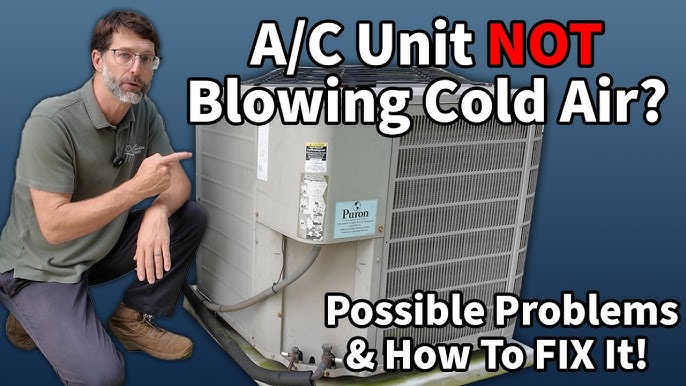
Is your air conditioner running but not blowing cold air? You’re not alone, and it can be really frustrating when your home doesn’t feel cool and comfortable.
Understanding why your AC isn’t cooling properly can save you time, money, and discomfort. You’ll discover the most common reasons behind this problem and simple steps you can take to fix it. Keep reading—your cool, refreshing home is closer than you think.
Common Reasons For Warm Air
When your air conditioner blows warm air, it can make your home uncomfortable. Several common problems can cause this issue.
Knowing the reasons helps you fix the problem or tell a technician what to check.
Dirty Air Filters
Air filters stop dust and dirt from entering your AC system. If filters get dirty, air flow gets blocked.
Blocked air filters make it hard for cool air to circulate. This causes the AC to blow warm air.
Low Refrigerant Levels
Refrigerant is the liquid that cools the air in your AC. Low refrigerant means the system cannot cool properly.
Leaks or poor charging can cause refrigerant to run low and warm air to come out.
Thermostat Issues
If your thermostat is set wrong or broken, the AC may not cool as needed. It may blow warm air instead.
Check if the thermostat is on cool mode and set to the right temperature.
Blocked Condenser Unit
The condenser unit releases heat outside your home. Dirt, leaves, or debris can block it.
A blocked condenser cannot release heat well, so the AC blows warm air.
Frozen Evaporator Coils
Evaporator coils absorb heat from your home’s air. If they freeze, they cannot cool properly.
Frozen coils may cause warm air to blow and need to be thawed before the AC works again.

Credit: www.youtube.com
Electrical Problems Affecting Cooling
When your air conditioner is not blowing cold air, electrical issues might be the cause. These problems stop the unit from working properly.
Understanding common electrical faults can help you spot the problem early. This guide covers faulty capacitors, blown fuses or tripped breakers, and wiring issues.
Faulty Capacitors
Capacitors help start the AC motor and keep it running. If a capacitor fails, the motor cannot work well.
A bad capacitor can cause the compressor or fan to stop working. This stops the cooling process, so no cold air comes out.
- Capacitors may bulge or leak
- They can make a humming noise when faulty
- Replacing a capacitor often fixes the cooling issue
Blown Fuses Or Tripped Breakers
Fuses and breakers protect your AC from electrical damage. If one blows or trips, power to the AC is cut off.
Without power, the air conditioner cannot cool the air. Check your fuse box or breaker panel if the AC stops working suddenly.
- A blown fuse looks burnt or broken
- A tripped breaker switches to the off position
- Resetting the breaker or replacing the fuse may restore power
Wiring Issues
Loose or damaged wires can stop electricity from reaching your AC. This problem can cause the unit to run poorly or not at all.
Wiring issues may cause sparks or a burning smell. They need quick attention to prevent further damage or fire risk.
- Check for frayed or disconnected wires
- Look for signs of burning or melting insulation
- Hire a professional to fix complex wiring problems
Mechanical Failures To Check
If your air conditioner is not blowing cold air, mechanical problems might be the cause. These issues stop the unit from working properly.
Check these common mechanical failures to find the problem and fix it quickly.
Compressor Malfunction
The compressor is the heart of an air conditioner. It pumps refrigerant through the system. If it fails, cold air won’t come out.
Signs of a bad compressor include strange noises and the unit not starting. A professional should inspect and repair it.
Fan Motor Problems
The fan motor moves air over the cooling coils. If it stops working, no cold air will blow into the room.
- Check if the fan is spinning properly.
- Listen for unusual sounds from the motor.
- Inspect for dirt or debris blocking the fan blades.
- Look for burnt smells that signal motor damage.
Cleaning or replacing the fan motor may be needed to restore cold air flow.
Drainage System Blockages
Air conditioners produce water that must drain properly. If the drainage system is blocked, it can cause cooling issues.
| Drainage Problem | Effect on Cooling |
| Clogged Drain Pipe | Water backs up and reduces cooling efficiency |
| Full Drain Pan | Causes leaks and may stop unit from working |
| Blocked Drain Hole | Leads to water overflow and damage |
Clear blockages and keep the drainage system clean to help the air conditioner cool well.

Credit: www.youtube.com
Quick Fixes To Try At Home
Sometimes your air conditioner may stop blowing cold air. You can try some easy fixes at home. These simple checks can help you cool your room again.
Before calling a technician, try these quick tips. They are safe and do not need special tools.
Replacing Or Cleaning Filters
Dirty filters block airflow and reduce cooling power. Check your AC filter every month. If it looks dirty, clean or replace it.
Use a vacuum or wash the filter with water. Let it dry completely before placing it back. Clean filters help your AC blow cold air again.
Resetting The Thermostat
Your thermostat controls the AC temperature. Sometimes it may stop working right. Turn off your AC and thermostat for a few minutes.
Turn them back on and set the temperature lower. This reset can fix minor issues and make the AC cool properly again.
Clearing Debris Around Unit
Outdoor AC units need space to work well. Leaves, dirt, and grass can block airflow. Check the area around your AC outside.
Remove any debris or plants near the unit. Keep at least two feet of clear space. This helps your AC cool better and last longer.
When To Call A Professional
Your air conditioner may stop blowing cold air for many reasons. Some issues are easy to fix yourself. Others need a trained technician.
Knowing when to call a professional can save time and avoid damage. Some problems can be dangerous or need special tools.
Handling Refrigerant Leaks
Refrigerant leaks reduce cooling and harm the environment. Finding and fixing leaks requires special equipment and skills.
Only certified technicians can safely handle refrigerants. They will check pressure levels and repair leaks correctly.
Major Mechanical Repairs
Parts like compressors, fans, or motors may fail and stop the AC from cooling. These repairs need expert knowledge.
Attempting to fix major parts without training can cause more damage. A professional can diagnose and replace parts safely.
Electrical Safety Concerns
Electrical issues can cause shocks or fires. Problems with wiring or circuit boards need expert attention.
Do not try to fix electrical parts yourself. A professional will ensure the system is safe and meets electrical codes.

Credit: www.youtube.com
Frequently Asked Questions
Why Is My Ac Not Cooling Properly?
Your AC might not cool due to dirty filters, low refrigerant, or a malfunctioning thermostat. Regular maintenance can prevent these issues. Check for blocked vents and ensure the thermostat is set correctly. If problems persist, professional service is recommended.
What Causes Ac To Blow Warm Air?
Warm air from your AC could indicate refrigerant issues or a faulty compressor. Dirty coils can also be a culprit. Regular maintenance helps prevent these issues. If you notice warm air, consult an HVAC professional for a thorough inspection and repair.
How Often Should Ac Filters Be Replaced?
AC filters should be replaced every 1-3 months for optimal performance. Dirty filters restrict airflow and reduce efficiency. Regular replacement ensures clean air and efficient cooling. Frequency depends on usage and environmental factors, such as pets or dust levels.
Can Thermostat Settings Affect Ac Cooling?
Yes, incorrect thermostat settings can impact AC cooling efficiency. Ensure it’s set to the desired temperature and mode. Programmable thermostats can help maintain consistent temperatures. Regularly check and adjust settings to ensure optimal performance and comfort.
Conclusion
A cold air conditioner keeps your home comfortable. Problems like dirty filters or low refrigerant often cause issues. Regular cleaning and timely repairs help maintain cool air flow. Ignoring small signs can lead to bigger problems later. Stay alert to changes in your AC’s performance.
Quick action saves money and keeps your space cool. Simple care makes your air conditioner work well longer. Don’t wait until it stops blowing cold air completely.