Have you ever tried to start your car, only to find the anti-theft light blinking and the engine refusing to turn over? It’s frustrating, confusing, and can leave you stranded when you least expect it.
Understanding why this happens is key to getting back on the road quickly and avoiding costly repairs. You’ll discover the common reasons behind the anti-theft light blinking and why your car won’t start, plus simple steps you can take to fix the problem yourself.
Keep reading—you’re just a few minutes away from solving this annoying issue for good.
Causes Of Anti-theft Light Blinking
The anti-theft light blinking on your car’s dashboard can stop the engine from starting. This happens because the car’s security system is active.
Understanding the main reasons behind this issue helps you fix it faster and avoid car troubles.
Faulty Key Or Transponder Issues
Your car uses a key or transponder chip to tell the security system it is safe to start. If the key is damaged or not recognized, the anti-theft light blinks.
A worn-out key or a broken transponder chip can stop the car from starting because the system thinks it is a theft attempt.
- Damaged key blade
- Faulty transponder chip inside the key
- Unprogrammed or lost key
- Interference from other electronic devices
Battery And Electrical Problems
A weak or dead car battery may cause the anti-theft light to blink. The system needs enough power to work correctly.
Electrical problems like bad fuses or faulty wiring can also trigger the anti-theft system and stop the car from starting.
- Low battery voltage
- Loose battery connections
- Blown fuses related to the security system
- Corroded electrical contacts
Immobilizer System Malfunctions
The immobilizer is part of the anti-theft system that blocks the engine from starting. If it malfunctions, the light blinks and the car stays off.
Faults in the immobilizer unit or software errors can confuse the system and prevent engine start-up.
- Faulty immobilizer control module
- Software glitches in the security system
- Failed communication between immobilizer and engine control unit
- Incorrect immobilizer settings after repairs
Wiring And Connection Faults
Loose or damaged wiring can interrupt the signals in the anti-theft system. This causes the light to blink and prevents the car from starting.
Bad connections at the ignition switch or security module can also cause similar problems.
- Frayed or broken wires
- Loose connectors
- Corroded terminals
- Short circuits in the security system wiring

Credit: www.youtube.com
Signs Of Anti-theft System Activation
The anti-theft system in a car helps protect it from theft. It activates when it detects unauthorized access.
Recognizing the signs of activation can help you understand why your car won’t start.
Blinking Light Patterns
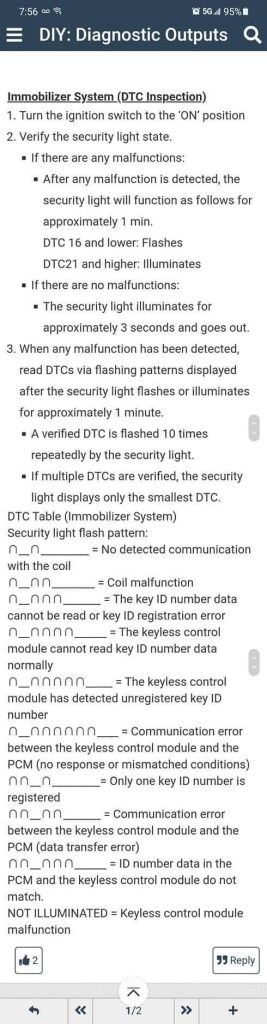
A blinking light on your dashboard often shows the anti-theft system is active. The pattern tells you the system’s status.
- A slow blink means the system is armed and working normally.
- A fast blink may mean a problem or that the system is triggered.
- No blinking can mean the system is off or malfunctioning.
Engine Cranking Issues
The anti-theft system can stop the engine from cranking. This prevents the car from starting if the key is not recognized.
| Cause | Effect |
| Wrong key | Engine won’t crank |
| System error | Intermittent cranking failure |
| Battery low | Slow or no cranking |
Starter Motor Silence
If the anti-theft system activates, the starter motor may not make any noise. This silence means it is blocked from starting the engine.
Signs that the starter motor is silent due to anti-theft activation:
- No clicking sound when turning the key
- No engine turnover sounds
- Dashboard lights stay on but no response from starter
Basic Troubleshooting Steps
The anti-theft light blinking and the car not starting can be frustrating. These signs usually point to an issue with your vehicle’s security system.
Try these simple troubleshooting steps to identify and fix the problem before calling a mechanic.
Using The Correct Key
Make sure you use the original key or the correct programmed key for your car. Many anti-theft systems will prevent the engine from starting if the wrong key is used.
Resetting The Anti-theft System
Sometimes the anti-theft system needs a reset to clear errors. Follow these steps to reset it safely.
- Insert the key into the ignition and turn it to the “On” position without starting the engine.
- Leave the key in the “On” position for about 10 minutes until the anti-theft light stops blinking.
- Turn the key back to “Off” and wait for a few seconds.
- Try starting the engine again.
Checking The Car Battery
A weak or dead battery can cause the anti-theft light to blink and prevent the car from starting. Check the battery voltage and connections.
| Battery Check | What to Do |
| Voltage below 12 volts | Charge or replace the battery |
| Corroded terminals | Clean the battery terminals |
| Loose connections | Tighten the battery cables |
Inspecting Fuses And Relays
Faulty fuses or relays can interrupt the anti-theft system and stop the car from starting. Check these parts carefully.
- Locate the fuse box using the car manual.
- Find fuses related to the anti-theft and ignition systems.
- Look for blown fuses and replace them.
- Test relays by swapping with similar ones in the box.
- Replace any faulty relays to restore proper function.

Credit: www.youtube.com
Quick Fixes To Start Your Car
Sometimes your car’s anti-theft light blinks, and it won’t start. This can be frustrating and confusing. The good news is you can try some quick fixes at home. These tricks often help you start your car without calling a mechanic.
Here are some simple steps you can take to solve the problem. Each step focuses on common causes and easy solutions to get your car running again.
Lock And Unlock The Doors
Locking and unlocking your car doors can reset the anti-theft system. This action sends a signal to your car’s computer to recognize the key. Sometimes, the system gets stuck and needs a quick reset.
Try using the remote or the physical key to lock and unlock all doors. After this, try to start the car again.
Disconnect And Reconnect The Battery
Disconnecting your car battery can reset the anti-theft system. This stops all power and clears any errors in the system memory. It is a simple way to fix many electronic issues.
- Turn off the car and remove the key
- Open the hood and find the battery
- Use a wrench to disconnect the negative terminal
- Wait for 10 to 15 minutes
- Reconnect the battery terminal
- Try to start the car again
Use A Spare Key
Your car may not start if the key’s chip is damaged. The anti-theft system needs the chip to recognize the key. Using a spare key can help check if your original key has a problem.
If the spare key works, your main key might need repair or replacement. Always keep a spare key handy for emergencies like this.
Manual Override Techniques
Some cars have manual override features to bypass the anti-theft system. These vary by model but can help in emergencies. Check your owner’s manual for specific instructions.
- Try turning the key to the “On” position without starting
- Press the gas pedal fully and hold it for 10 seconds
- Turn the key off and then try starting the car again
- If your car has a hidden reset button, press it as directed
When To Seek Professional Help
The anti-theft light blinking and a car that won’t start can signal various issues. Some problems may be simple to fix, but others need a skilled technician.
Knowing when to call a professional saves time and prevents damage. This guide explains the signs that require expert attention.
Persistent Anti-theft Light Issues
If the anti-theft light keeps blinking after several attempts to start the car, it may show a deeper problem. This can mean the system is stuck or malfunctioning.
- The light stays on or flashes continuously
- The car starts but then dies quickly
- Multiple failed attempts to disable the system
Professionals have tools to reset or repair the anti-theft module safely.
Complex Electrical Repairs
Electrical faults can cause the anti-theft light to blink and prevent the car from starting. Diagnosing these problems requires special equipment.
| Common Electrical Issues | Signs to Watch |
| Faulty wiring | Intermittent starting problems |
| Dead or weak battery | Dim lights, no crank |
| Bad ignition switch | Car won’t respond to key turn |
Experts can test and repair wiring, batteries, and switches to restore normal function.
Key Programming And Replacements
Modern cars use coded keys that work with the anti-theft system. If the key is lost or damaged, the car may not start.
- New keys need programming to match the car’s system
- Broken transponder chips can cause start failures
- Professional key replacement ensures security
Visit a locksmith or dealer for key programming and replacement to avoid starting issues.
Preventive Tips To Avoid Future Problems
The anti-theft light blinking and the car not starting can cause many worries. These signs often point to problems with your car’s security or electrical system. Taking steps to prevent these issues can save time and money.
This guide shares simple tips to keep your car’s anti-theft system working well. Follow these to avoid future trouble and keep your vehicle reliable.
Regular Battery Maintenance
A weak or dead battery can cause the anti-theft light to blink and prevent your car from starting. Keeping the battery in good shape helps avoid these problems.
- Check battery terminals for corrosion and clean them often.
- Test the battery voltage monthly using a multimeter.
- Replace old batteries before they fail, usually every 3-5 years.
- Make sure the battery is tightly secured to reduce vibrations.
- Avoid leaving lights or accessories on when the engine is off.
Safe Key Handling
Keys with chips or remote controls can get damaged or lose signal. This causes the anti-theft system to block the car from starting.
| Key Care Tip | Reason |
| Keep keys away from water | Water can damage electronic chips |
| Avoid dropping keys | Impact may break internal parts |
| Do not place keys near magnets | Magnets can erase chip data |
| Use a spare key regularly | Ensures backup key stays functional |
| Replace worn-out key fobs | Old fobs may fail to communicate |
Scheduled System Checks
Regular inspections of your car’s security and electrical systems catch problems early. This keeps the anti-theft system working properly.
- Visit a trusted mechanic for system diagnostics every year.
- Ask to check the car’s immobilizer and alarm system.
- Have the starter motor and wiring inspected for faults.
- Update the car’s software if needed to fix bugs.
- Report any unusual blinking or warning lights immediately.

Credit: www.youtube.com
Frequently Asked Questions
Why Is My Car’s Anti-theft Light Blinking?
The anti-theft light blinking indicates that the security system is activated. It could be due to a faulty key, dead battery, or system malfunction. If the car won’t start, check the key’s battery, and ensure it’s programmed correctly. Consult a mechanic if the issue persists.
How Do I Reset The Anti-theft System?
To reset the anti-theft system, turn the ignition to the “On” position. Wait 10 minutes for the light to stop blinking. Then, turn the ignition off and start the car. This process may vary based on the car model. Always refer to the car’s manual for specific instructions.
Can A Dead Battery Trigger The Anti-theft System?
Yes, a dead battery can trigger the anti-theft system. When the battery dies, it may cause the security system to activate. This could result in the car not starting. Ensure your battery is fully charged and in good condition to prevent this issue.
What Should I Do If My Key Fob Isn’t Working?
If your key fob isn’t working, replace its battery first. Ensure the key fob is properly programmed to the car. If issues persist, reprogram the fob or consult a professional. It’s important to keep a spare key or fob handy for emergencies.
Conclusion
The blinking anti-theft light shows your car’s security system is active. This often stops the engine from starting. Simple issues like a weak key battery or a faulty sensor cause the problem. Fixing these can get your car running again quickly.
Regular car maintenance helps avoid such troubles. Understanding the warning signs saves time and stress. Stay calm and check the basics first. Then seek professional help if needed. Your car will start smoothly once the issue is resolved.