Have you ever wondered why HFO refrigerants are considered safer when it comes to flammability compared to hydrocarbon refrigerants? If you’re dealing with cooling systems or just curious about refrigeration safety, understanding this difference can protect your equipment—and your peace of mind.
This article will reveal the key reasons behind the lower flammability of HFO refrigerants and what it means for you. Keep reading to uncover facts that could change how you think about refrigerants and safety.
Hfo Refrigerants Basics
HFO refrigerants are a newer type of cooling agent used in air conditioners and refrigerators. They have gained attention for their lower flammability compared to traditional hydrocarbon refrigerants. Understanding their basics helps explain why they are safer to use in many applications.
Chemical Structure
HFO stands for hydrofluoroolefin. These molecules contain carbon, hydrogen, and fluorine atoms. Their key feature is a double bond between carbon atoms, which makes them less stable for burning.
This double bond changes how the molecule reacts with heat and flame. It reduces the chances of ignition and slows down combustion. The presence of fluorine atoms also helps lower flammability because fluorine resists burning.
Common Types
- HFO-1234yf: Used mainly in car air conditioners.
- HFO-1234ze: Applied in commercial refrigeration systems.
- HFO-1336mzz: Found in foam blowing and chillers.
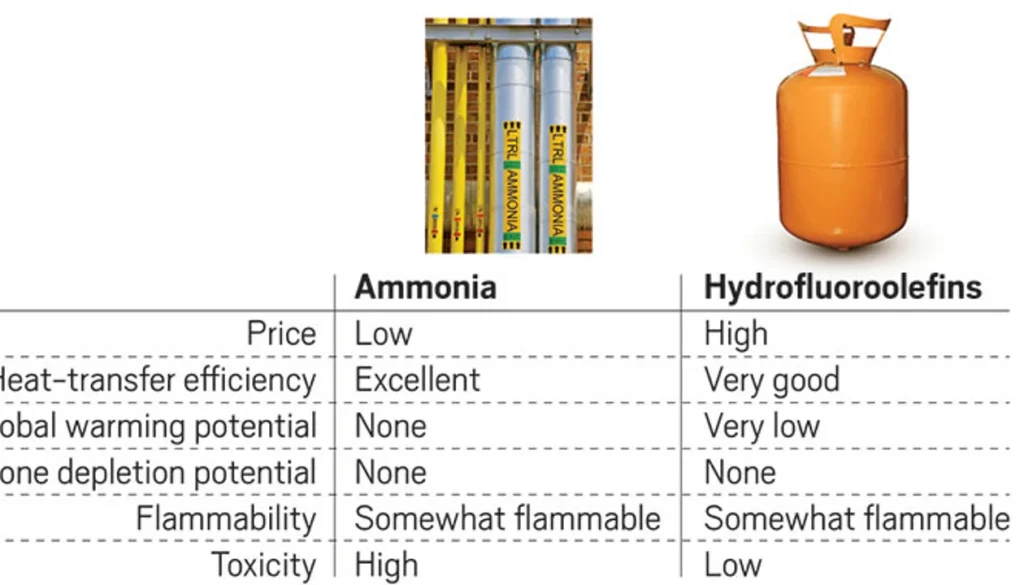
These types have very low global warming potential and are designed to replace more flammable hydrocarbon refrigerants. Their safety profile suits a wide range of cooling uses.
Hydrocarbon Refrigerants Overview
Hydrocarbon refrigerants are a popular choice in cooling systems due to their efficiency and environmental benefits. They originate from natural sources and consist mainly of carbon and hydrogen atoms. Their properties make them effective but also raise safety concerns because of flammability. Understanding their chemical makeup and common uses helps explain their role in refrigeration.
Chemical Composition
Hydrocarbon refrigerants are made from simple molecules. These molecules contain only carbon and hydrogen atoms. Examples include propane (R-290) and isobutane (R-600a). Their structure makes them highly flammable. This flammability is a key difference from other refrigerants like HFOs.
Typical Uses
Hydrocarbon refrigerants are widely used in small cooling appliances. They are common in household refrigerators and freezers. Also used in air conditioning systems for cars and small buildings. Their natural origin and low global warming potential attract many users. Careful handling is required due to fire risks.
Flammability Factors
Flammability plays a key role in the safety of refrigerants. HFO refrigerants are known to be less flammable than hydrocarbon refrigerants. Understanding the flammability factors helps explain why this difference exists. These factors include ignition temperature, flammability limits, and energy release. Each affects how easily a refrigerant can catch fire and burn.
Ignition Temperature
Ignition temperature is the minimum heat needed to start a fire. HFO refrigerants have higher ignition temperatures. This means they need more heat to ignite. Hydrocarbon refrigerants ignite at much lower temperatures. Higher ignition temperature makes HFOs safer in many applications.
Flammability Limits
Flammability limits define the concentration range where a gas can catch fire. HFO refrigerants have narrower flammability limits. This limits the chance of forming a flammable mix with air. Hydrocarbons have wider flammability limits. They can ignite over a broader range of gas-air mixtures.
Energy Release
Energy release measures how much heat is given off when burning. HFO refrigerants release less energy during combustion. This reduces the fire’s intensity and spread. Hydrocarbon refrigerants release more energy. Their fires tend to be hotter and harder to control.

Credit: www.achrnews.com
Molecular Stability In Hfos
Molecular stability plays a key role in the lower flammability of HFO refrigerants. HFOs, or hydrofluoroolefins, have unique chemical structures. These structures make them more resistant to ignition compared to hydrocarbons. Understanding their molecular stability helps explain why they are safer in many applications.
Role Of Fluorine Atoms
Fluorine atoms strongly bond with carbon in HFO molecules. This bond is very stable and hard to break. The presence of fluorine reduces the energy available for combustion. Fluorine also slows down the chemical reactions that cause burning. These factors make HFOs less likely to catch fire.
Impact On Combustion
The strong carbon-fluorine bonds limit combustion reactions. When exposed to heat, HFOs break down slowly. This slow breakdown reduces flame spread and intensity. Hydrocarbon refrigerants lack this bond strength. They ignite easily and burn quickly, increasing fire risks.
Comparing Flammability Ratings
Comparing the flammability of HFO refrigerants and hydrocarbon refrigerants helps understand their safety profiles. Flammability ratings show how easily a substance can catch fire. These ratings guide manufacturers and users on proper handling and usage. HFOs tend to have lower flammability risks than hydrocarbons, making them safer in many applications.
Ashrae Classification
ASHRAE uses a simple system to classify refrigerants by flammability and toxicity. The system uses letters and numbers:
- A or Bindicates lower or higher toxicity.
- 1, 2, or 3indicates flammability levels, with 1 being no flame, 2 moderate, and 3 high flammability.
HFO refrigerants usually fall into the A2L category. This means they have low toxicity and low flammability. Hydrocarbon refrigerants often fall into the A3 category, which means low toxicity but high flammability.
This difference in classification shows why HFOs are less flammable. Their chemical makeup reduces the chance to ignite easily. Hydrocarbons are more prone to catch fire, so they need extra care.
Safety Standards
Safety standards regulate the use of refrigerants based on their flammability. These standards set limits on how much refrigerant can be safely used in different environments.
HFO refrigerants can be used in larger amounts indoors because of their lower flammability. Hydrocarbon refrigerants face stricter limits due to higher fire risks. This affects system design and installation rules.
Regulatory bodies test refrigerants for flash points, ignition energy, and burning velocity. HFOs perform better in these tests, showing slower ignition and less intense burning.
Following these safety standards helps prevent accidents and protects users. Choosing refrigerants with lower flammability reduces fire hazards in refrigeration and air conditioning.

Credit: www.skillcatapp.com
Environmental And Safety Benefits
Choosing the right refrigerant impacts both the environment and your safety. HFO refrigerants stand out because they offer significant benefits compared to hydrocarbon refrigerants. Understanding these benefits helps you make smarter choices for your cooling systems.
Lower Global Warming Potential
HFO refrigerants have a much lower global warming potential (GWP) than hydrocarbons. This means they release fewer greenhouse gases if leaked, helping reduce your carbon footprint. You might be surprised how a small switch to HFOs can support climate goals without sacrificing performance.
Think about it: every unit of refrigerant you use has an environmental cost. Opting for HFOs minimizes that cost, making your cooling system eco-friendlier. This change is a practical step you can take today to protect the planet while keeping your equipment efficient.
Reduced Fire Risks
One of the biggest safety concerns with hydrocarbon refrigerants is their high flammability. HFOs, on the other hand, are engineered to be less flammable, significantly lowering fire hazards. This makes them safer to use in homes and workplaces where fire safety is critical.
Imagine avoiding costly fire incidents just by using a safer refrigerant. For those managing commercial or residential systems, this safety edge means peace of mind. Wouldn’t you want a refrigerant that safeguards both your property and your people?
Applications Favoring Hfos
HFO refrigerants stand out for their lower flammability compared to hydrocarbon refrigerants, making them a safer choice across various applications. Their unique chemical structure reduces fire risks without sacrificing cooling performance. Understanding where HFOs excel can help you decide if they fit your cooling needs.
Residential Cooling
In homes, safety is a top priority. HFO refrigerants offer peace of mind because they are less likely to ignite, reducing hazards in case of leaks. This makes them ideal for air conditioners and heat pumps where families spend most of their time.
You might wonder why not just use hydrocarbons, which are natural and efficient. The key issue is flammability—hydrocarbons can easily catch fire, especially in tight spaces common in residential setups.
HFOs allow manufacturers to design compact, efficient units without adding extra safety measures, which can increase cost and complexity. This means you get reliable cooling with fewer worries about safety.
Commercial Refrigeration
In commercial settings like supermarkets or restaurants, refrigeration systems run continuously and often store flammable products. Using HFOs minimizes fire risks, protecting both property and customers.
Moreover, these refrigerants support higher energy efficiency, translating into lower operating costs for businesses. The balance of safety and savings makes HFOs a smart choice for large-scale refrigeration.
Have you noticed how some grocery stores advertise “eco-friendly” refrigeration? Many of these use HFOs because they meet strict environmental and safety standards, unlike hydrocarbons which face usage restrictions.
Future Trends In Refrigerant Safety
The future of refrigerant safety is evolving rapidly as industries push for safer, more environmentally friendly options. Understanding why HFO refrigerants are less flammable than hydrocarbons is only part of the story. The next steps involve new technologies and shifting regulations that will shape how you and your business handle refrigerants.
Emerging Technologies
New safety technologies aim to reduce flammability risks even further. For instance, advanced leak detection systems can alert you instantly if a refrigerant escapes, minimizing hazards. Some companies are also developing refrigerants blended with additives that lower their flammability without sacrificing performance.
These innovations mean you can expect safer cooling systems that still meet efficiency needs. Have you considered how smart sensors or IoT devices could improve safety in your refrigeration setups? Staying updated on these tech trends can help you make smarter, safer choices.
Regulatory Changes
Governments worldwide are tightening rules on refrigerants, focusing on reducing fire risks and environmental impact. New regulations often require lower flammability ratings and better handling protocols, pushing manufacturers to favor HFOs over hydrocarbons.
For you, this means adapting to stricter safety standards and possibly upgrading equipment to stay compliant. Are you prepared for the upcoming regulatory shifts that could affect your refrigeration systems? Keeping an eye on policy changes will help you avoid costly penalties and improve overall safety.

Credit: www.achrnews.com
Frequently Asked Questions
Why Are Hfo Refrigerants Less Flammable?
HFO refrigerants have a unique molecular structure that reduces flammability. They contain double bonds that increase stability. This makes them less likely to ignite compared to hydrocarbons, which are highly flammable due to their simple carbon chains.
How Do Hfo Refrigerants Compare To Hydrocarbons In Safety?
HFOs offer better safety by having lower flammability and toxicity. Hydrocarbons are more combustible and pose higher fire risks. HFOs also produce fewer harmful byproducts when leaked, making them safer for indoor and commercial use.
What Makes Hydrocarbon Refrigerants More Flammable?
Hydrocarbon refrigerants have simple carbon and hydrogen structures. These bonds easily break and react with oxygen, causing ignition. Their low ignition energy and high flammability limits make them prone to catching fire in leaks or sparks.
Are Hfo Refrigerants Better For The Environment?
Yes, HFO refrigerants have low global warming potential (GWP). They break down faster in the atmosphere than hydrocarbons. This reduces long-term environmental impact while maintaining energy efficiency and safety.
Conclusion
HFO refrigerants offer a safer choice for many applications. Their lower flammability reduces risks in various environments. This makes them a preferred option compared to hydrocarbon refrigerants. Their chemical structure plays a key role in safety. Choosing HFOs means prioritizing safety and efficiency.
Industries benefit from their reduced fire hazards. This choice supports a safer working environment. It also contributes to environmental sustainability. HFO refrigerants present a balanced approach to performance and safety. For those seeking reliability, they stand out as a viable solution.