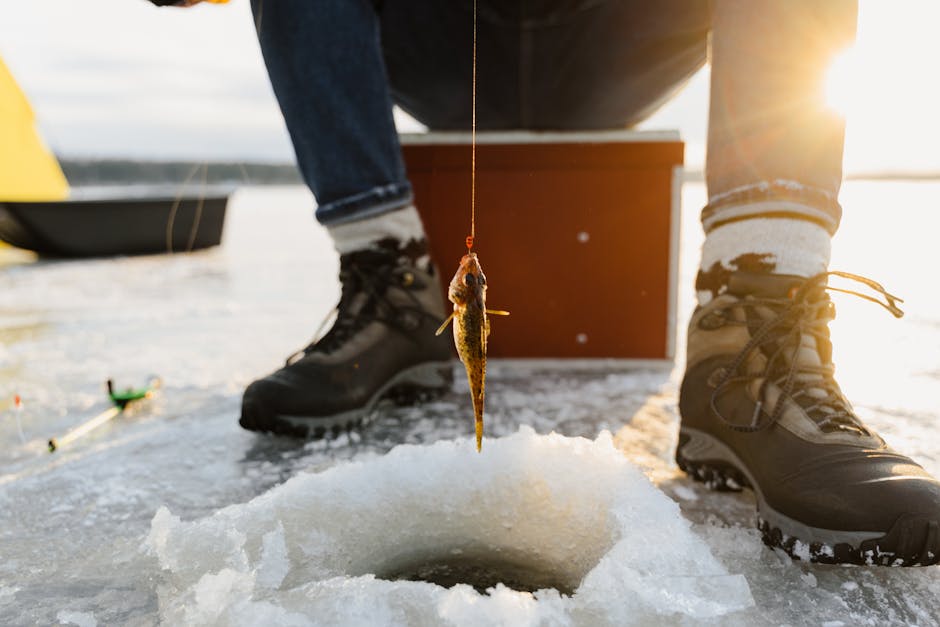
Have you ever wondered why ice fishing rods are so small compared to regular fishing rods? If you’re new to ice fishing or just curious, this question might have crossed your mind.
The size of your rod can actually make a big difference in how well you fish through the ice. Understanding why these rods are designed the way they are will help you improve your technique and enjoy your time on the ice even more.
Keep reading, and you’ll discover the surprising reasons behind these tiny tools and how they can work in your favor.
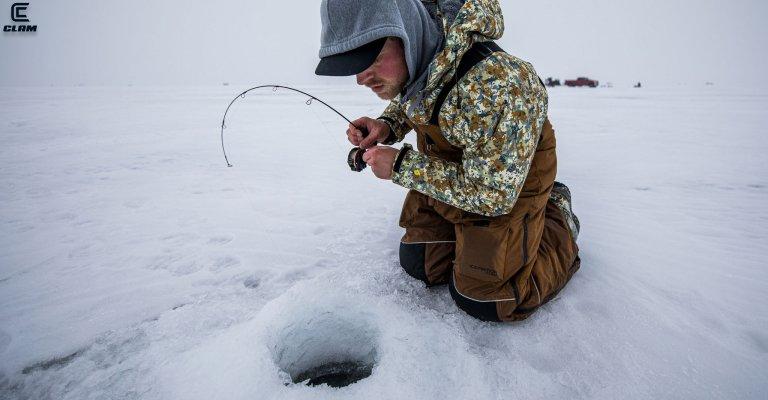
Credit: www.scheels.com
Ice Fishing Basics
Ice fishing means catching fish through holes in frozen lakes. It is different from regular fishing.
Because the water is cold and the hole is small, the gear is also smaller and simpler.
Fishing Through The Ice
Anglers cut a hole in the ice to reach the water below. The hole is usually just big enough for the line.
Small rods help control the line better in tight spaces. They also make it easier to feel bites.
Key Equipment Needed
Besides a small rod, you need other gear to fish safely and catch fish.
- Ice auger to drill the hole
- Small reel with light line
- Warm clothing for cold weather
- Bucket or chair to sit on
- Fish finder or sonar (optional)
Design Features Of Ice Fishing Rods
Ice fishing rods are unique in design. They are crafted for fishing through small holes in ice.
These rods have specific features. They are compact and durable for cold weather fishing.
Compact Size And Length
Ice fishing rods are shorter than regular rods. Their compact size makes them easy to handle in tight spaces.
- Short length helps in confined ice shelters.
- Easy to transport and store.
- Allows for precise control of the bait.
Material And Build Quality
Materials used in ice fishing rods are critical. They need to withstand freezing conditions.
| Material | Features |
| Fiberglass | Flexible and durable |
| Graphite | Lightweight and sensitive |
| Composite | Combines strength and flexibility |
Benefits Of Small Rods
Ice fishing rods are much smaller than regular fishing rods. Their small size offers many advantages for ice fishing. These rods help anglers fish better in cold and tight conditions.
Small rods are easier to use and give better control. They also help anglers feel even the smallest bites under the ice. This makes ice fishing more effective and enjoyable.
Ease Of Handling In Tight Spaces
Ice fishing happens in small holes cut in the ice. A small rod fits better in these tight spaces. It is easier to move and hold without hitting the ice or gear.
Small rods reduce the chance of tangling lines with other equipment. They also allow quick and smooth movements when trying to catch fish in narrow spots.
Better Sensitivity For Bite Detection
Small rods are lighter and more sensitive. Anglers can feel even the smallest nibble from fish. This helps in knowing exactly when to pull the fish out.
Sensitivity is important on ice because fish bites can be very gentle. Small rods make it easier to detect these bites quickly and react fast.
Improved Control And Precision
With small rods, anglers get better control over their fishing line. They can make precise movements to lure fish or set the hook at the right time.
Small rods allow smooth and accurate handling. This helps in landing fish more successfully and reduces the chance of losing them.
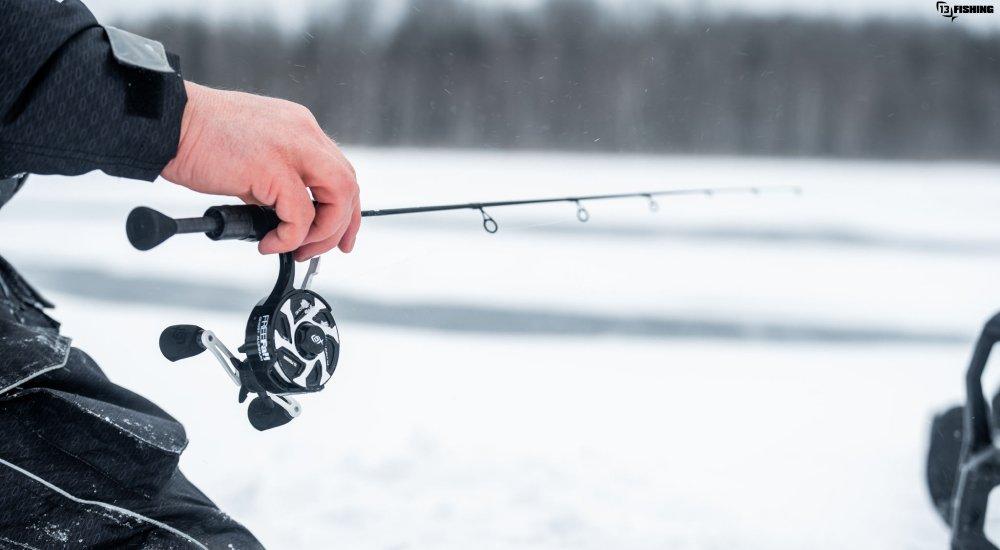
Credit: www.scheels.com
Environmental Factors Influencing Rod Size
Ice fishing rods are smaller than regular rods for many reasons. The environment on ice affects the size and design of these rods. Understanding these factors helps explain why ice fishing rods stay compact.
Two main environmental factors influence rod size: the limited space of ice holes and cold weather conditions. Each affects how anglers use their rods on frozen lakes.
Limited Ice Hole Space
Ice fishing is done through small holes drilled in the ice. These holes are often just big enough for the fish and the line. Large rods would be hard to use in this tight space.
- Small holes restrict rod movement.
- Short rods allow better control near the hole.
- Compact rods reduce the chance of knocking ice chips into the hole.
- Smaller rods are easier to handle in crowded fishing spots.
Cold Weather Considerations
Cold weather makes fishing harder. Anglers wear gloves and bulky clothes. Small rods are easier to hold and use with thick gloves.
| Factor | Effect on Rod Size |
| Gloves and Clothing | Need smaller rods for better grip |
| Cold Temperature | Short rods keep hands closer to body heat |
| Ice Surface | Compact rods reduce risk of dropping and damage |
Comparing Ice Fishing Rods To Regular Rods
Ice fishing rods look much smaller than regular fishing rods. They are designed for fishing through holes in ice.
Regular rods are longer and made for open water fishing. Ice rods meet special needs in cold conditions.
Differences In Length And Flexibility
Ice fishing rods are usually 24 to 36 inches long. Regular rods can be 6 to 12 feet long.
Short length helps anglers keep control in small spaces on the ice. Regular rods need more length to cast far.
Ice rods are more flexible to feel small bites through the ice. Regular rods vary in stiffness for different fish and casting styles.
- Ice rods: 24-36 inches long, very flexible
- Regular rods: 6-12 feet long, varied flexibility
Purpose-driven Design Choices
Ice fishing rods are small to fit the tight space on ice holes. Their size helps anglers fish in cold weather easily.
Regular rods are made for casting distance and strength. They need length to handle bigger fish and open water.
- Ice rods: compact for ice fishing holes, ease of use in cold
- Regular rods: longer for casting and fighting bigger fish
Tips For Choosing The Right Ice Fishing Rod
Ice fishing rods are smaller than regular rods for many reasons. Their size helps anglers fish comfortably in cold and tight spaces.
Choosing the right rod improves your fishing experience. It makes catching fish easier and more fun.
Matching Rod Size To Target Fish
Pick a rod size based on the fish you want to catch. Smaller fish need shorter and lighter rods. Bigger fish need stronger rods.
Using the right rod size gives you better control. It also helps you feel the fish bite through the ice.
- Small rods (24-30 inches) work for panfish and trout
- Medium rods (30-36 inches) suit walleye and perch
- Longer rods (36 inches or more) help catch larger fish like pike
Durability And Portability Factors
Ice fishing rods must be tough to handle cold and rough use. They should resist freezing and breaking easily.
Portability matters because you carry your gear to the fishing spot. Smaller rods are easier to pack and move.
- Look for rods made with strong, cold-resistant materials
- Choose lightweight rods to carry all day
- Short rods fit better in backpacks and ice fishing kits
Maintenance And Care For Small Ice Fishing Rods
Small ice fishing rods need special care to last long. Cold weather and ice can damage them quickly.
Proper maintenance keeps rods working well and ready for the next fishing trip.
Protecting From Cold Damage
Cold can make rod materials weak and brittle. Protect your rod by keeping it warm and dry.
- Use rod covers or sleeves when not in use
- Keep the rod inside a warm bag during breaks
- Dry the rod fully before storing to prevent ice build-up
- Avoid exposing the rod to sudden temperature changes
Storage Recommendations
Store your small ice fishing rods properly to avoid damage and keep them ready for use.
| Storage Tip | Reason |
| Keep rods in a cool, dry place | Prevents warping and mold growth |
| Use rod holders or racks | Stops rods from bending or breaking |
| Store rods horizontally | Reduces stress on rod blank |
| Remove reels if storing long-term | Prevents reel damage and corrosion |

Credit: www.amazon.ca
Frequently Asked Questions
Why Are Ice Fishing Rods Shorter Than Regular Rods?
Ice fishing rods are shorter for better control in tight spaces. Their compact size suits small holes in ice. It helps anglers detect subtle fish bites easily. Short rods reduce fatigue during prolonged fishing in cold conditions.
How Does Rod Size Affect Ice Fishing Success?
Smaller rods provide precise sensitivity to detect light fish bites. They allow better maneuverability in confined ice fishing shelters. Compact rods improve hook-setting accuracy. Overall, rod size enhances the angler’s ability to catch fish through narrow ice holes.
Can I Use A Regular Fishing Rod For Ice Fishing?
Using regular rods is possible but not ideal for ice fishing. Longer rods can be cumbersome in small ice fishing spots. They reduce sensitivity and make handling difficult in cold weather. Specialized ice fishing rods improve comfort and catch rate.
What Materials Are Ice Fishing Rods Made From?
Ice fishing rods are typically made from lightweight graphite or fiberglass. These materials offer durability and flexibility in cold temperatures. They provide good sensitivity to detect subtle bites. The rods are designed to withstand harsh winter conditions.
Conclusion
Small ice fishing rods suit the cold, tight spaces perfectly. They help anglers feel every bite clearly. Short rods make it easier to control the fish through the ice hole. Using a small rod means less effort and more fun.
The design fits the unique needs of ice fishing well. Next time you fish on ice, choose a small rod for better results. Simple, effective, and built for the challenge. That’s why ice fishing rods stay small.