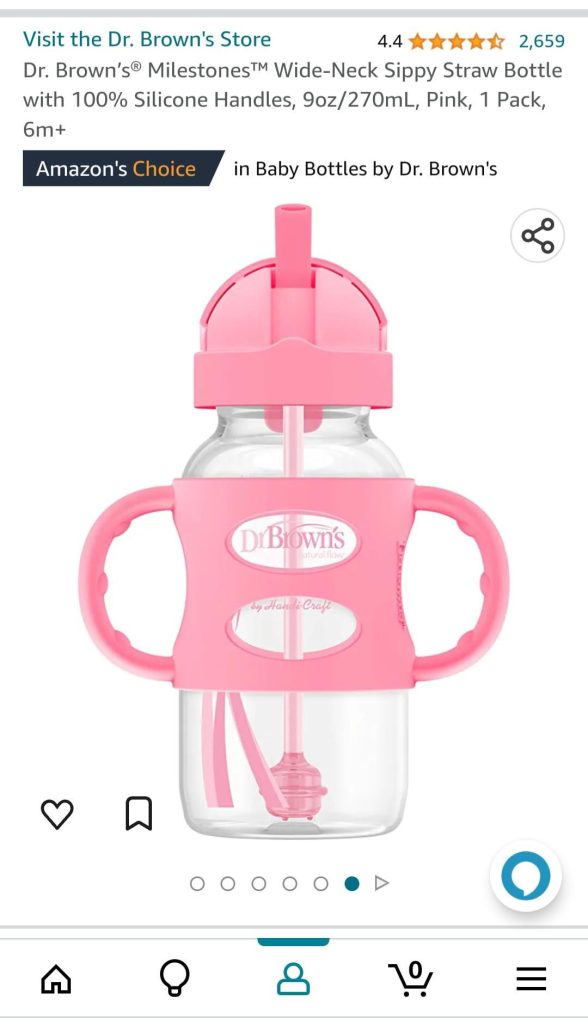
Many parents use sippy cups for their toddlers. These cups seem helpful. They stop spills and help children drink easily. But, are sippy cups really good for kids? Some experts say no. They do not recommend sippy cups for many reasons. In this article, we will explain why sippy cups are not the best choice. You will learn about problems with sippy cups and better options for your child.
What Are Sippy Cups?
Sippy cups are small cups with lids. They have a spout or straw for drinking. They help children move from bottles to regular cups. Sippy cups stop spills. They are easy to carry. Many parents like them for these reasons. But sippy cups also have some hidden problems.
How Sippy Cups Can Harm Teeth
One big problem with sippy cups is the harm to teeth. When children drink from sippy cups, they often sip sugary drinks. These drinks can be milk, juice, or sweetened water. If children sip many times during the day, sugar stays on their teeth. This can cause tooth decay. Tooth decay means holes or cavities in teeth. This is painful and costly to fix.
Unlike bottles, sippy cups can hold sugary drinks for a long time. Kids may carry them around all day. This constant sipping bathes teeth in sugar. It increases the chance of tooth decay. Dentists warn against letting kids use sippy cups for long hours.
Speech Development Issues
Sippy cups may also affect speech development. Toddlers learn how to talk by moving their lips, tongue, and mouth. Drinking from sippy cups uses less mouth movement than regular cups. Children may miss practicing important mouth muscles. This can delay how they learn to speak clearly.
Experts say children should switch to open cups as soon as possible. Open cups help kids practice more mouth movements. This helps their speech grow better and stronger.
Delayed Drinking Skills
Using sippy cups for too long can slow down learning drinking skills. Drinking from an open cup is harder than from a sippy cup. It takes balance and control. If children use sippy cups too long, they may not learn these skills well.
Drinking from open cups helps children improve hand-eye coordination. It also helps improve mouth control. These skills are important for eating and drinking safely.
Risk of Ear Infections
Some research shows that sippy cups may increase ear infections. When children drink lying down or tilt their heads back, liquid can flow into the middle ear. This can cause infections. Sippy cups can encourage this position because of the spout design.
Ear infections are painful and can affect hearing. This is why doctors advise careful use of sippy cups.
:max_bytes(150000):strip_icc()/prt-chicco-double-wall-insulated-flip-top-sippy-cup-with-silicone-straw-jenna-flannigan-07-1-aea3f343f6174b69843acd08f1b96584.jpeg)
Credit: www.parents.com
Possible Jaw Problems
Sippy cups may cause jaw problems if used too long. The way children suck on the spout is different than drinking from an open cup. This sucking can cause tight muscles in the jaw. Over time, it may lead to pain or trouble chewing.
To keep your child’s jaw healthy, it is better to move away from sippy cups early.
Better Alternatives to Sippy Cups
If sippy cups have many problems, what can parents do? Luckily, there are good alternatives. These options help children drink safely and learn well.
Open Cups
Open cups are simple cups without lids or spouts. They are harder to use but better for learning. Children learn to control their lips and mouth. They also practice balance and hand skills.
Start with small open cups. Use cups with handles to help hold them. Expect some spills. That is normal when children learn.
Straw Cups
Straw cups have a straw inside a cup. They help children sip without tipping the cup. Straw cups encourage better mouth muscle use than sippy cups. They help speech and drinking skills.
Choose straw cups with soft, easy-to-sip straws. Clean them well to avoid germs.
Transition Cups
Transition cups are cups designed to help move from bottles to open cups. They usually have a soft spout or small opening. They encourage better mouth use than sippy cups.
Use these cups for a short time. Then move to open or straw cups.
When to Stop Using Sippy Cups
Experts say children should stop using sippy cups by 12 to 18 months. After this age, children should practice open or straw cups. This helps teeth, speech, and drinking skills.
Using sippy cups too long can cause the problems explained above. So, try to move your child away from sippy cups early.
How to Help Your Child Switch from Sippy Cups
Switching from sippy cups can be hard. Children like them because they are easy and familiar. Here are some tips to help:
- Introduce open cups during meal times first.
- Use cups with fun colors or pictures.
- Be patient. Expect spills and messes.
- Offer praise when your child uses the new cup.
- Limit drinks in sippy cups to avoid long sipping times.
- Try straw cups before open cups if your child resists.
Summary Table: Sippy Cups vs Alternatives
| Feature | Sippy Cups | Open Cups | Straw Cups |
|---|---|---|---|
| Spill Control | Good | Poor (more spills) | Good |
| Teeth Health | Risk of decay | Better | Better |
| Speech Development | Less mouth practice | Better mouth use | Better mouth use |
| Drinking Skills | Slower learning | Better skills | Better skills |
| Ear Infection Risk | Higher risk | Lower risk | Lower risk |

Credit: joyfullmealtimes.com.au
Final Thoughts
Sippy cups are popular but have many problems. They can harm teeth, speech, and drinking skills. They may cause ear infections and jaw issues too. It is best to use sippy cups only for a short time. Try to switch your child to open or straw cups early. This helps children grow healthy and strong. Remember, learning to drink is part of growing up. Help your child learn well with good cup choices.
Frequently Asked Questions
Why Are Sippy Cups Not Good For Teeth?
Sippy cups can cause tooth decay by trapping sugary liquids around teeth.
Can Sippy Cups Delay Speech Development?
Yes, prolonged use may affect tongue movement and slow speech skills.
Do Sippy Cups Cause Ear Infections?
Using sippy cups while lying down can increase the risk of ear infections.
How Long Should Children Use Sippy Cups?
Limit use to 6-12 months to encourage drinking from regular cups.