Is your air conditioner struggling to keep your home cool no matter how long it runs? You’re not alone, and it’s frustrating when your AC can’t keep up with the heat.
You might wonder why your unit isn’t working the way it should or why your energy bills keep climbing while the temperature inside stays uncomfortable. This article will help you uncover the common reasons behind this problem and show you simple steps you can take to fix it.
Keep reading—you deserve a cool, comfortable space without the hassle.
Common Reasons For Ac Struggles
Air conditioners sometimes fail to keep your home cool. This can be frustrating, especially on hot days. Understanding the common causes helps you know what to check first.
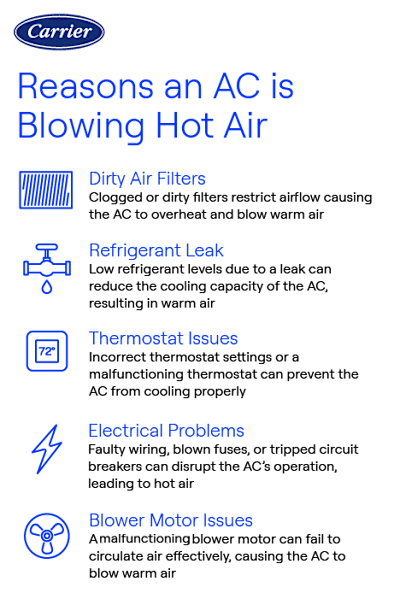
Many issues can reduce your AC’s performance. Some are easy to fix, while others may need a professional.
Dirty Air Filters
Air filters trap dust and dirt to keep the air clean. When filters get clogged, air flow slows down. This makes the AC work harder and cool less effectively. Change or clean filters every 1-3 months for best results.
Low Refrigerant Levels
Refrigerant cools the air inside your home. If levels are low, the AC can’t cool well. Leaks often cause low refrigerant. A certified technician should check and refill it safely.
Faulty Thermostat
The thermostat controls your AC temperature. If it is broken or wrongly placed, it may give false readings. This can cause the AC to run too long or not enough. Check the settings and replace the thermostat if needed.
Blocked Condenser Coils
Condenser coils release heat outside your home. Dirt and debris on these coils block heat transfer. This lowers efficiency and strains the AC. Clean the coils carefully to maintain good airflow.
Leaky Ductwork
Air ducts carry cooled air to your rooms. Leaks in ductwork let cool air escape into walls or attic. This wastes energy and cools less space. Fixing leaks improves cooling and lowers bills.
Inadequate Unit Size
| Unit Size | Problem |
| Too Small | AC runs constantly, never cools well |
| Too Large | Short cycles, poor humidity control |
| Right Size | Efficient cooling with proper run time |
Choosing the right size AC unit is key. A unit that is too small cannot cool your space well. A unit that is too big cools quickly but creates humidity problems. A correct size keeps your home comfortable and efficient.
Credit: www.carrier.com
Signs Your Ac Is Overworking
If your air conditioner struggles to cool your home, it may be overworking. Understanding the signs can help you address issues early.
Here are some common indicators that your AC is having trouble keeping up with the heat.
Constant Running
An AC that runs all day without stopping is a red flag. This can mean it is working too hard to maintain the temperature.
- Check if the thermostat setting is too low.
- Inspect for dirty filters blocking airflow.
- Look for leaks in the ductwork.
Uneven Cooling
If some rooms are cool while others are warm, your AC might be overworking. Uneven cooling can cause discomfort and signal underlying problems.
| Room | Temperature |
| Living Room | 75°F |
| Bedroom | 78°F |
| Kitchen | 80°F |
High Energy Bills
Skyrocketing energy bills can indicate your AC is using too much power. This often happens when it works too hard to cool your home.
Frequent Cycling
Frequent cycling means the AC turns on and off too often. This can wear out the system and lead to breakdowns.
Make sure to check the thermostat settings and clean or replace filters regularly to prevent frequent cycling.
Quick Fixes You Can Try
If your air conditioner is not cooling properly, you can try some simple fixes. These easy steps may help your unit keep up with the heat.
Before calling a technician, check these areas to improve your AC’s performance fast.
Replace Or Clean Filters
Dirty or clogged filters block airflow and reduce cooling power. Replace or clean your air filters every one to three months. This helps your AC run smoothly and cool your home better.
Check Thermostat Settings
Make sure your thermostat is set to “cool” mode and the temperature is lower than the room temperature. Check if the batteries need replacement. A wrong setting can stop your AC from working well.
Clear Debris Around Unit
Leaves, dirt, and grass near the outdoor unit can block airflow and cause overheating. Clear all debris around the unit to help it work efficiently.
- Remove leaves and branches
- Trim plants at least two feet away
- Keep the area around the unit clean
Seal Air Leaks
Air leaks around windows and doors let cool air escape. Use weatherstripping or caulk to seal gaps. This keeps your home cooler and helps your AC keep up.
| Common Leak Areas | Sealing Material |
|---|---|
| Window frames | Weatherstripping |
| Door edges | Caulk |
| Attic vents | Foam sealant |
Adjust Fan Speed
Your AC fan may have speed settings. Setting the fan to a higher speed can improve airflow and cooling. Check your unit’s manual to find how to change fan speed.

Credit: www.youtube.com
When To Call A Professional
If your air conditioner cannot keep up with cooling your home, it may have serious problems. Some issues need a trained technician to fix. Calling a professional can save time and money.
Knowing when to get expert help is important. Some problems are hard to spot but can cause more damage. Here are key reasons to call a professional.
Refrigerant Issues
Refrigerant is the fluid that cools your home. If it leaks or runs low, your air conditioner will struggle to cool. Only a professional should handle refrigerant.
Signs of refrigerant problems include warm air and ice on the coils. A technician can find leaks and refill the refrigerant safely.
Electrical Problems
Electrical faults can stop your air conditioner from working properly. Issues like broken wires or faulty capacitors need expert care. These problems can be dangerous.
Call a professional if your unit won’t start, trips breakers, or makes buzzing noises. They have the tools to test and fix electrical parts safely.
Compressor Failures
The compressor is the heart of your air conditioner. If it fails, your system will not cool at all. Compressor repairs require special knowledge and equipment.
If your AC runs but does not cool, or makes loud noises, the compressor might be the cause. A technician can diagnose and repair or replace it.
Major Component Repairs
Major parts like fans, motors, and control boards can wear out. Fixing these parts needs skill and the right tools. Improper repair can cause more damage.
Call a professional if your AC stops working after a power surge or if parts make strange noises. They can replace or repair major components safely.
Preventive Tips For Better Cooling
Air conditioners sometimes struggle to cool your home well. This can make your space uncomfortable and raise energy bills. Taking simple steps helps your AC work better and last longer.
These tips focus on keeping your air conditioner efficient. You can prevent common problems and enjoy cooler air all summer.
Regular Maintenance Schedule
Keeping your AC clean and checked helps it cool better. Dirt and dust block airflow and reduce efficiency. Regular maintenance stops small issues from becoming big problems.
Change filters every 1 to 3 months. Clean the coils and check the refrigerant levels. Schedule a professional checkup once a year to keep everything running smoothly.
- Replace air filters regularly
- Clear debris around the unit
- Clean evaporator and condenser coils
- Check refrigerant and fix leaks
- Inspect electrical connections
Proper Unit Sizing
Choosing the right size AC unit is important. A unit that is too small cannot cool your home well. One that is too large will waste energy and cause humidity issues.
Have a professional measure your home’s cooling needs. This ensures your air conditioner can handle the space properly and keep your home comfortable.
Improve Home Insulation
Good insulation keeps cool air inside and hot air outside. Poor insulation makes your AC work harder. This leads to uneven cooling and higher energy bills.
Seal gaps around doors and windows. Add insulation to walls and attics. Use curtains or blinds to block sunlight during the hottest hours.
- Seal leaks and cracks
- Add attic and wall insulation
- Use energy-efficient windows
- Close curtains during daytime
Use Smart Thermostats
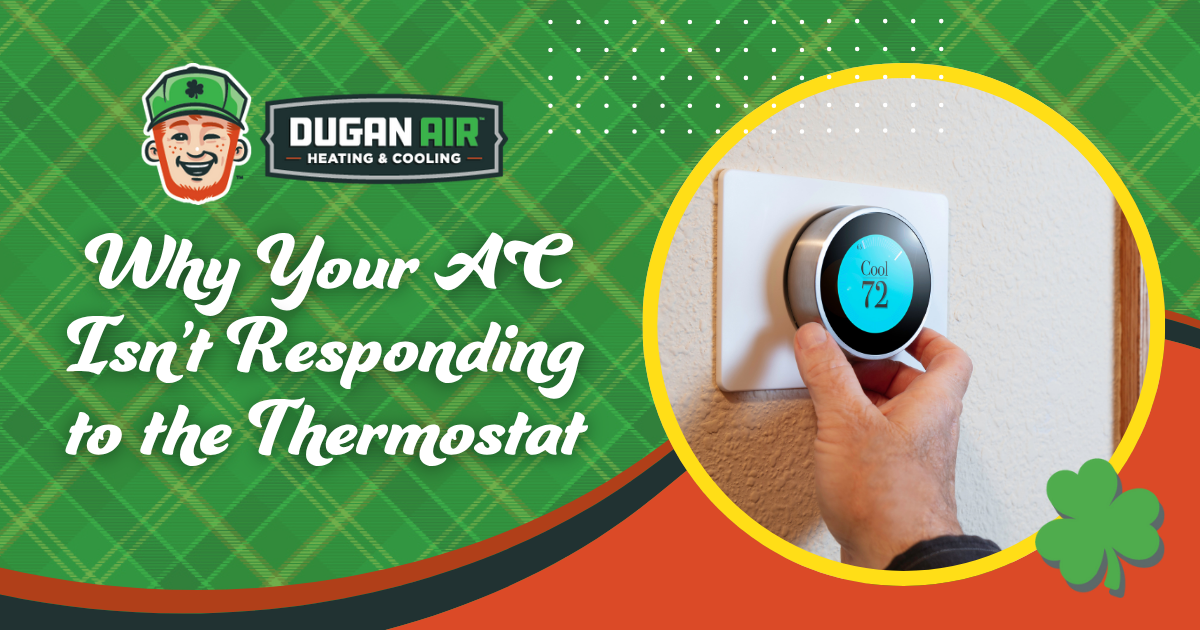
Smart thermostats help control your AC better. They adjust temperatures based on your schedule and preferences. This saves energy and keeps your home comfortable.
You can control smart thermostats remotely using your phone. This lets you cool your home before you arrive or save energy when you are away.
- Set temperature schedules
- Control AC remotely
- Track energy use
- Receive maintenance reminders
Credit: goduganair.com
Frequently Asked Questions
Why Is My Air Conditioner Not Cooling Properly?
Your air conditioner may not cool properly due to dirty filters, low refrigerant, or blocked vents. Regular maintenance ensures optimal performance and keeps your AC running efficiently.
Can A Small Ac Unit Cool A Large Room?
A small AC unit cannot effectively cool a large room. Choosing the right size unit based on room dimensions is vital for efficient cooling and energy savings.
How Often Should I Clean Ac Filters?
Clean AC filters every 1-3 months depending on usage and environment. Clean filters improve airflow, increase efficiency, and prevent strain on your air conditioner.
Could A Refrigerant Leak Cause Ac Issues?
Yes, refrigerant leaks reduce cooling efficiency and cause your AC to struggle. Prompt professional repair is essential to restore proper cooling and avoid system damage.
Conclusion
Your air conditioner may struggle due to dirt, old parts, or wrong size. Check filters and clear debris regularly. A professional tune-up can help your unit run better. Small fixes often improve cooling fast. Remember, an AC that works well saves energy and money.
Stay cool by acting early and keeping your system clean. Don’t wait for problems to grow. Simple care keeps your home comfortable all summer long.