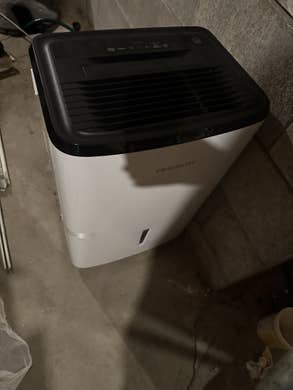
Have you ever walked into your basement or laundry room, only to find your dehumidifier frozen solid? It’s puzzling, frustrating, and you might be wondering, “Why did my dehumidifier freeze up?”
You’re not alone in this chilly predicament. Understanding the cause is crucial to restoring comfort in your home, and that’s exactly what we aim to help you with. We’ll unravel the mystery behind your frosty dehumidifier. We’ll explore the common reasons for freezing and, most importantly, how you can prevent it from happening again.
Whether you’re a seasoned homeowner or a first-time dehumidifier user, you’ll find insights that could save you time and money. Keep reading to discover the secrets to keeping your dehumidifier running smoothly, ensuring a comfortable, moisture-free environment for you and your family.

Credit: cr4.globalspec.com
Common Reasons For Freezing
Dehumidifiers freeze up for several common reasons. Understanding these causes helps fix the problem fast. Freezing stops the dehumidifier from working well. It also can damage the unit over time. Identifying the cause is the first step toward a solution.
Low Room Temperature
Dehumidifiers work best in warm rooms. When the temperature drops below 65°F (18°C), ice can form inside the unit. Cold air makes moisture freeze on coils. This buildup blocks normal operation and causes freezing.
Dirty Air Filter
A dirty air filter restricts airflow inside the dehumidifier. Dust and debris build up over time. This makes the coils colder than normal. The cold coils attract moisture that freezes quickly. Cleaning or replacing the filter prevents this issue.
Blocked Airflow
Airflow is vital for a dehumidifier’s function. Objects placed too close block air from entering or leaving. Poor airflow causes the coils to become too cold. This leads to ice buildup and freezing inside the unit.
Low Refrigerant Levels
Refrigerant helps remove moisture from the air. Low refrigerant levels cause poor heat exchange. This makes the coils freeze up with moisture. A professional should check and refill refrigerant if needed.
Faulty Thermostat
The thermostat controls the temperature inside the unit. A faulty thermostat can cause incorrect temperature regulation. This may make the coils too cold, causing ice to form. Repair or replace the thermostat to fix freezing problems.
Effects Of A Frozen Dehumidifier
A frozen dehumidifier can cause more problems than just a chilly surprise inside your appliance. Understanding the effects of a frozen dehumidifier helps you recognize the signs early and avoid costly repairs. Let’s look at what happens when ice takes over your device and how it impacts its performance and your home environment.
Reduced Efficiency
When your dehumidifier freezes up, its ability to remove moisture drops sharply. Ice buildup blocks airflow and stops the coils from absorbing humidity effectively.
You might notice that the room stays damp despite the machine running nonstop. Have you ever wondered why your dehumidifier runs longer but doesn’t seem to work as well? This is often the first sign of freezing.
Potential Damage
Ice inside the dehumidifier can lead to physical damage over time. Frozen water can crack coils, damage sensors, or cause leaks that ruin internal components.
Ignoring a frozen unit can turn a simple fix into a costly repair or replacement. Think about how much you depend on your dehumidifier during humid seasons—damaged parts disrupt your comfort and add unexpected expenses.
Increased Energy Consumption
A frozen dehumidifier works harder to perform its job, drawing more power in the process. The compressor and fan run longer, trying to compensate for the ice blockage.
This extra workload spikes your electricity bills without delivering the benefits you expect. If your energy costs suddenly rise, could a frozen dehumidifier be the culprit?
Quick Fixes To Thaw Your Dehumidifier
Dealing with a frozen dehumidifier can be frustrating, especially when you rely on it to keep your space comfortable. Luckily, you don’t always need a costly repair or replacement. Simple actions can quickly thaw your dehumidifier and get it back to working efficiently.
Turn Off And Unplug
Start by turning off your dehumidifier and unplugging it from the power source. This prevents further ice buildup and protects the unit from electrical damage. Let it sit for a few hours to naturally thaw—patience here pays off.
Increase Room Temperature
Cold air is often the culprit behind a frozen dehumidifier. Try raising the room temperature slightly to help the ice melt faster. Even moving the unit to a warmer spot can make a big difference in thawing time.
Clean Or Replace Air Filter
A dirty air filter restricts airflow and can cause your dehumidifier to freeze. Check the filter and clean it thoroughly or replace it if needed. This small step often restores proper airflow, preventing future freeze-ups.
Clear Airflow Obstructions
Blocked vents or nearby objects can limit airflow, causing ice to form inside your unit. Make sure nothing is obstructing the intake or exhaust vents. Keeping the area around your dehumidifier clear helps it breathe and work efficiently.

Credit: www.youtube.com
Preventive Measures To Avoid Freezing
Preventing your dehumidifier from freezing up helps keep it working well. Taking simple steps stops ice build-up and avoids damage. Follow these easy measures to protect your device and improve its lifespan.
Maintain Optimal Room Conditions
Keep the room temperature between 65°F and 80°F. Cold air causes the coils to freeze quickly. Ensure good air circulation around the dehumidifier. Close doors and windows to prevent cold drafts.
Regular Cleaning
Clean the air filter every two weeks. Dust and dirt block airflow and lower efficiency. Wipe the coils gently to remove any dirt. This helps the unit work without strain.
Proper Placement
Place the dehumidifier on a flat, stable surface. Avoid corners or places with poor ventilation. Keep it away from walls by at least 6 inches. This allows air to flow freely around the unit.
Routine Maintenance Checks
Check the water tank daily and empty it when full. Inspect the drain hose for clogs or leaks. Listen for unusual noises that might signal a problem. Schedule professional servicing once a year for best results.
When To Call A Professional
Knowing when to call a professional for a frozen dehumidifier saves time and prevents damage. Some problems need expert tools and skills. Trying to fix these issues alone can make things worse.
Experts can quickly diagnose and repair complex faults. They ensure your dehumidifier works safely and efficiently again. Below are key signs that show it is time to call for help.
Persistent Freezing Issues
If your dehumidifier freezes repeatedly despite cleaning and proper use, a deeper problem exists. Persistent ice buildup can damage the coils and compressor. Professionals check for hidden causes and fix them properly. They also test the system to ensure it runs smoothly without freezing again.
Refrigerant Problems
A low refrigerant level or leaks cause freezing inside the unit. Refrigerant needs special handling and refilling. Only certified technicians can locate leaks and recharge refrigerant safely. They use proper equipment to avoid environmental harm and follow regulations.
Thermostat Malfunctions
The thermostat controls the temperature inside the dehumidifier. Faulty thermostats may cause incorrect temperature readings, leading to freezing. Professionals can test and replace the thermostat if needed. This repair ensures your dehumidifier maintains the right temperature and prevents ice buildup.

Credit: www.carpetcleaningforce.co.nz
Frequently Asked Questions
Why Does My Dehumidifier Freeze Up Frequently?
Dehumidifiers freeze when cold air causes moisture to freeze on coils. This blocks airflow, reducing efficiency and causing ice buildup.
How Can I Prevent My Dehumidifier From Freezing?
Keep room temperature above 65°F, clean filters regularly, and ensure proper airflow around the unit to prevent freezing.
Is A Frozen Dehumidifier Harmful To The Device?
Yes, ice buildup can damage coils and reduce lifespan. It can also cause the unit to stop working properly.
What Temperature Is Too Low For A Dehumidifier To Work?
Most dehumidifiers struggle below 65°F. Operating below this can cause freezing and damage the unit.
Conclusion
A frozen dehumidifier can cause many problems at home. Cold air, low airflow, and dirty filters often cause freezing. Regular cleaning and proper use help prevent ice buildup. Check the temperature and keep the room warm enough. Fix small issues early to avoid bigger repairs.
Staying aware of these tips keeps your dehumidifier working well. Enjoy a dry, comfortable space without freezing worries. Simple care makes a big difference every day.