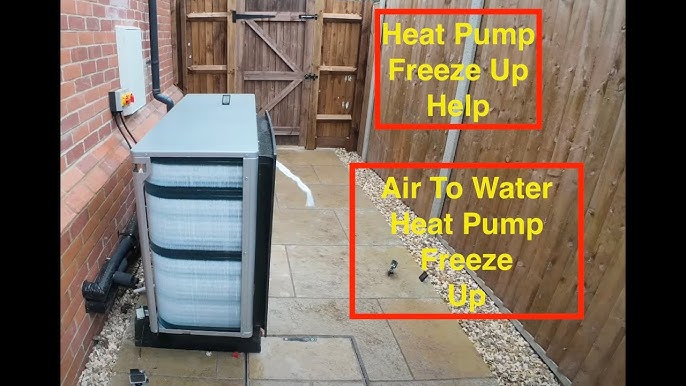
Have you ever woken up to find your heat pump covered in a surprising layer of ice? It’s a perplexing sight that can leave you wondering, “Why did my heat pump freeze up?”
You’re not alone in this puzzling situation, and understanding why it happens can save you time, money, and frustration. We’ll dive into the common causes behind a frozen heat pump, helping you to identify and resolve the issue quickly. By the end, you’ll not only know how to prevent it from happening again, but you’ll also feel empowered to tackle any heat pump hiccups with confidence.
Curious to learn more? Keep reading to discover the secrets of a smoothly running heat pump!

Credit: www.reddit.com
Common Reasons Heat Pumps Freeze
Heat pumps are designed to keep your home comfortable, but sometimes they freeze up and stop working efficiently. Understanding the common reasons why your heat pump freezes can help you spot issues early and avoid costly repairs. Let’s look at the typical causes that might be behind your heat pump’s icy problem.
Low Refrigerant Levels
Refrigerant is essential for your heat pump to transfer heat properly. If your system is low on refrigerant, it struggles to absorb heat, causing the coils to get too cold and freeze up. Have you checked if your heat pump has any leaks or if it’s time for a refrigerant recharge?
Dirty Air Filters
Air filters trap dust and debris, but when they get clogged, airflow reduces dramatically. This makes the heat pump work harder, lowering the coil temperature and leading to ice buildup. Changing your filters regularly is an easy way to prevent freezing issues and keep air clean.
Blocked Airflow
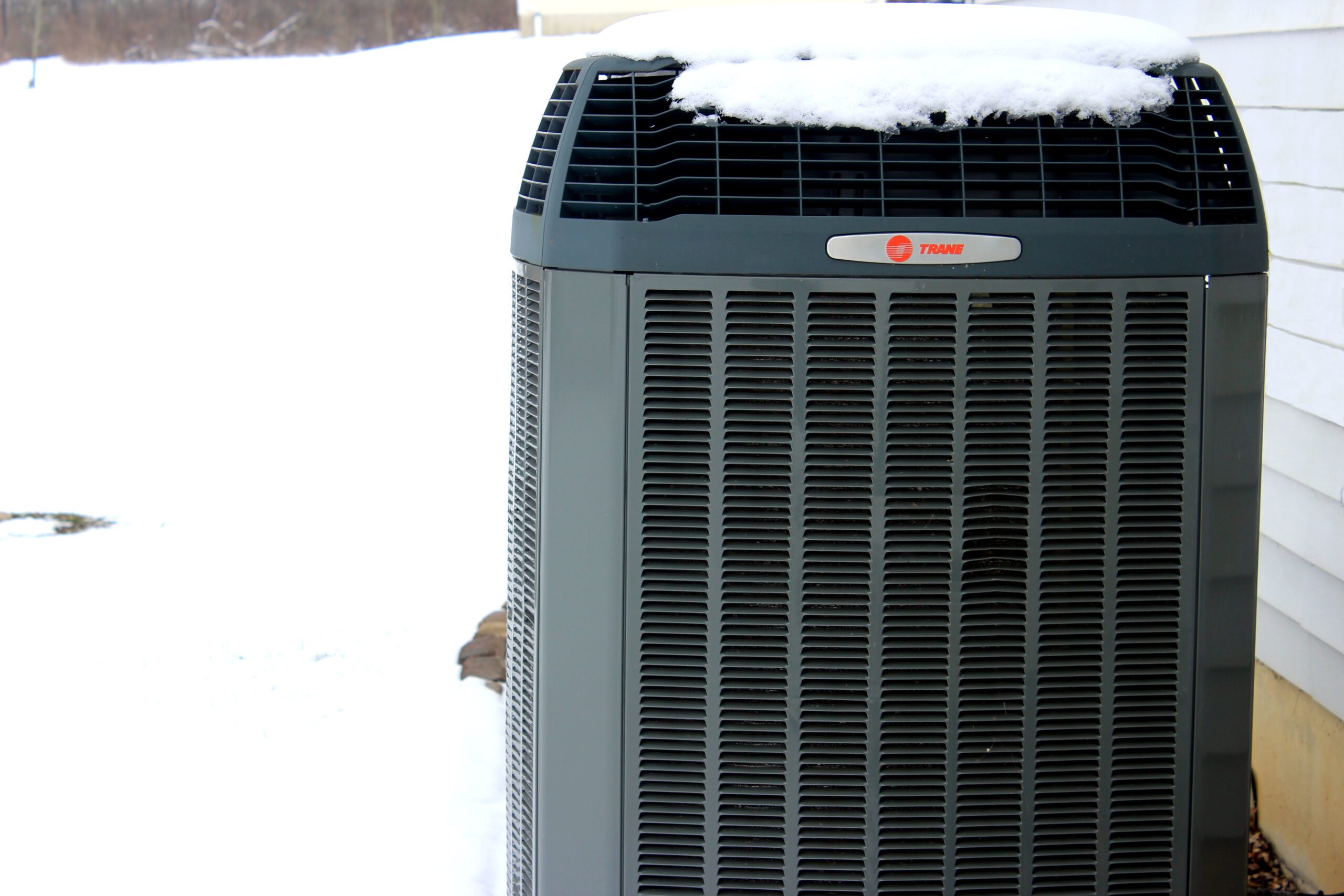
Besides dirty filters, blocked vents or obstructed outdoor units can restrict airflow around your heat pump. Leaves, snow, or furniture placed too close can cause this problem. Can you easily access your outdoor unit to clear any blockages and improve airflow?
Thermostat Issues
Your thermostat controls when the heat pump runs, but if it’s faulty or miscalibrated, it may cause the unit to run too long or too short. This can lead to freezing because the system doesn’t cycle properly. Have you noticed if your thermostat reads temperatures accurately or if it behaves oddly?
Faulty Defrost Cycle
Heat pumps have a defrost cycle that melts ice buildup on the outdoor coil. If this cycle fails, ice accumulates and freezes the system. You might wonder how often your heat pump completes a defrost cycle—if it’s rarely happening, that’s a red flag.
Outdoor Temperature Effects
Heat pumps struggle in extremely cold weather because they rely on outside heat. When temperatures drop too low, freezing becomes more common, especially if your model isn’t designed for harsh climates. Do you live somewhere with freezing winters that might require a backup heating system?
Signs Of A Frozen Heat Pump
Recognizing the signs of a frozen heat pump early can save you from costly repairs and chilly discomfort. A frozen heat pump doesn’t just stop working—it shows clear warning signals that you shouldn’t ignore. Paying attention to these signs helps you act quickly and maintain your home’s warmth efficiently.
Ice Accumulation On Coils
One of the most obvious signs is ice buildup on the outdoor unit’s coils. You might see thick layers of ice or frost covering the fins, even when the temperature isn’t extremely low. This ice restricts airflow and stops the heat pump from working properly.
If you notice ice, ask yourself: Is the unit running nonstop, or is it struggling to keep your home warm? This could indicate the freeze-up problem.
Reduced Heating Efficiency
Does your home feel colder than usual despite the heat pump running? A frozen heat pump often loses its ability to transfer heat effectively. You’ll likely feel inconsistent temperatures and longer heating cycles.
Keep track of how your heat pump performs daily. If it takes much longer to warm your space, the coils might be frozen and need immediate attention.
Unusual Noises
Listen closely when your heat pump is on. Strange sounds like gurgling, hissing, or rattling can mean ice is interfering with the normal operation. These noises often come from the compressor or fan working harder than usual.
Have you heard any odd sounds lately? Ignoring them can lead to bigger problems, so it’s worth investigating.
Increased Energy Bills
Frozen heat pumps consume more electricity because they struggle to maintain temperature. You might notice a sudden spike in your energy bills without a clear reason. This increase is a hidden cost of ice buildup.
Review your recent bills—does your energy use seem unusually high? If yes, your heat pump could be working overtime due to freezing issues.
Quick Fixes To Thaw Your Heat Pump
When your heat pump freezes up, quick action can prevent further damage. Simple steps often help thaw the unit and restore heat. These easy fixes save time and money before calling a professional.
Turn Off The Unit
Switch off the heat pump to stop ice buildup. Let the system rest and begin melting the ice naturally. Running the unit while frozen can cause more harm.
Check And Replace Air Filters
Dirty filters block airflow, leading to freezing issues. Remove and inspect the filters for dirt and dust. Replace with clean filters to improve air circulation and prevent future freezing.
Clear Debris Around Outdoor Unit
Leaves, dirt, and snow can restrict airflow around the outdoor unit. Remove any debris gently to allow proper ventilation. Clear space helps the heat pump work efficiently and avoid ice buildup.
Reset The Thermostat
Turn the thermostat off and then back on after a few minutes. This resets the system and may stop any errors causing freezing. Use the correct temperature setting for heating mode.
Allow Time For Defrosting
Give the heat pump several hours to thaw completely. Avoid using heat sources like hair dryers or heaters on the unit. Patience helps the ice melt safely and protects your equipment.
Credit: www.logan-inc.com
Preventive Measures To Avoid Freezing
Preventing your heat pump from freezing up can save you from costly repairs and uncomfortable cold spells. Taking proactive steps helps keep your system running smoothly, especially during harsh weather. Let’s look at practical ways you can protect your heat pump before ice ever starts to form.
Regular Maintenance
Regular maintenance is the foundation of preventing freeze-ups. Cleaning or replacing filters ensures proper airflow, which stops the unit from working too hard and freezing. Have you noticed your heat pump struggling more than usual? It might be time to check those filters.
Monitor Refrigerant Levels
Low refrigerant levels can cause your heat pump to freeze quickly. If the refrigerant is leaking or insufficient, the system can’t absorb heat properly, leading to ice buildup. Watching for signs like reduced heating performance or strange noises can alert you to this issue early.
Keep Outdoor Unit Clean
Debris around your outdoor unit blocks airflow and encourages ice formation. Leaves, dirt, and snow can trap moisture and chill the coils. Regularly clearing the area around your heat pump keeps the air flowing freely and prevents freezing.
Use A Programmable Thermostat
A programmable thermostat helps maintain consistent temperatures, reducing the chances of your heat pump freezing. Sudden temperature drops or fluctuations can strain your system. Have you tried setting your thermostat to avoid extreme temperature swings?
Schedule Professional Inspections
Professionals spot problems you might miss, like small leaks or worn parts, before they cause freezing. Annual inspections catch these issues early, saving you headaches later. When was the last time a technician checked your heat pump?
When To Call A Professional
Knowing when to call a professional for a frozen heat pump saves time and prevents damage. Some issues need expert tools and skills. Ignoring these signs can lead to costly repairs or total system failure. Watch for these key problems that require expert help.
Persistent Freezing Issues
If your heat pump freezes repeatedly despite basic care, call a technician. Persistent ice build-up often points to deeper problems. Professionals can diagnose and fix issues beyond simple cleaning or defrosting.
Refrigerant Leaks
Low refrigerant levels cause freezing and poor heating. Only certified experts can safely handle refrigerant. They find leaks, repair them, and refill the system to the right level.
Electrical Problems
Faulty wiring or controls may cause your heat pump to freeze. Electrical problems pose safety risks. A professional can inspect and repair these safely and correctly.
Complex Repairs
Some heat pump issues need specialized parts or tools. Complex repairs include compressor or fan motor replacement. Professionals ensure these repairs restore system function and efficiency.

Credit: patriotair.com
Frequently Asked Questions
Why Does My Heat Pump Freeze In Cold Weather?
Heat pumps freeze in cold weather due to low outdoor temperatures and insufficient airflow. Ice forms when moisture in the air contacts cold coils. This limits heat transfer, reducing efficiency and causing system strain. Regular maintenance and proper airflow prevent freezing issues.
How Can I Prevent My Heat Pump From Freezing?
To prevent freezing, keep filters clean and maintain good airflow. Regularly check for refrigerant leaks and ensure defrost cycles work properly. Professional inspections help identify issues early. Proper insulation and outdoor unit clearance also reduce ice buildup risks.
What Are The Signs Of A Frozen Heat Pump?
Signs include reduced heating efficiency, unusual noises, and visible ice on the outdoor unit. You may notice cold air blowing indoors despite heating mode. Increased energy bills and frequent defrost cycles also indicate freezing problems.
Can A Frozen Heat Pump Cause Damage?
Yes, a frozen heat pump can cause compressor damage and reduce lifespan. Ice buildup strains components and reduces efficiency. Operating a frozen unit may lead to costly repairs. Prompt defrosting and maintenance help avoid long-term damage.
Conclusion
A frozen heat pump can cause many problems at home. Dirt, low refrigerant, or poor airflow often cause freezing. Regular cleaning and timely repairs keep your system working well. Check filters and vents to avoid blockages. Small issues can turn into big ones if ignored.
Stay alert to unusual sounds or smells. Acting quickly saves money and keeps your home warm. Taking care of your heat pump helps it last longer. Simple steps make a big difference in winter comfort.