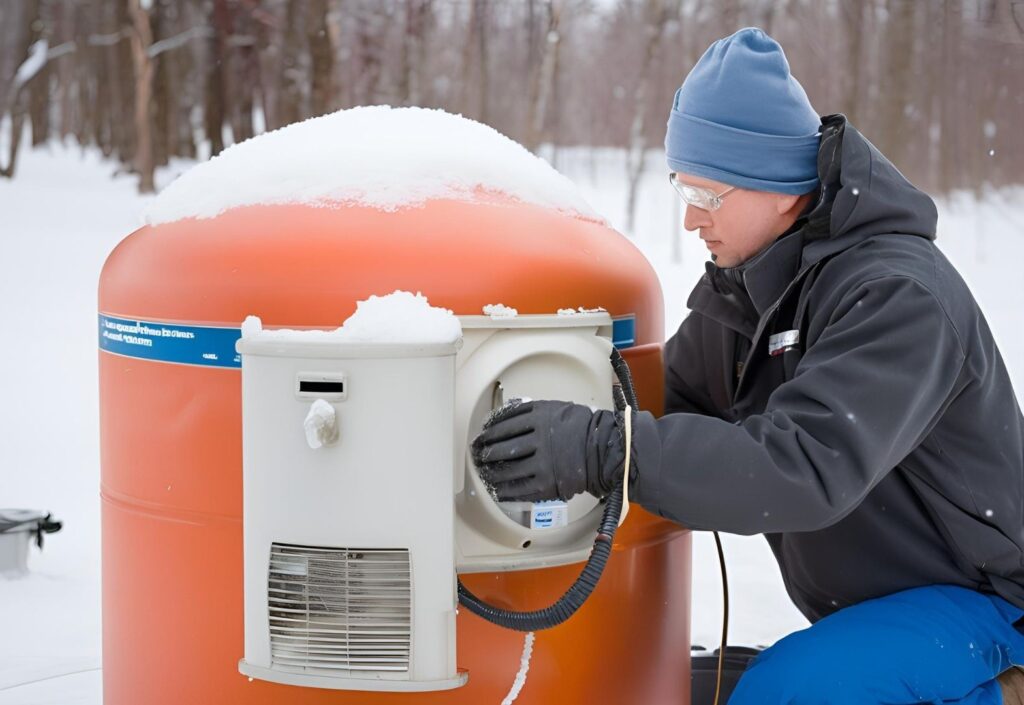
Have you ever gone to fire up your grill or heat your home, only to find that your propane tank is frozen solid? You’re not alone.
This frustrating situation can leave you scratching your head, especially when you rely on propane for warmth or cooking. But don’t worry, understanding why your propane tank freezes is simpler than you might think. We’ll reveal the surprising reasons behind this chilly phenomenon and provide you with practical tips to prevent it from happening again.
Get ready to take control of your propane system, ensuring it works smoothly when you need it most. Read on, and say goodbye to frozen propane tank woes!

Credit: www.reddit.com
How Propane Tanks Freeze
Propane tanks can freeze during cold weather, causing frustration and safety concerns. Understanding how propane tanks freeze helps prevent this issue. The freezing happens because of the unique properties of propane and how pressure changes inside the tank when temperatures drop.
Propane Properties And Temperature
Propane is a gas stored as a liquid under pressure. It vaporizes when released from the tank to power appliances. Propane’s boiling point is around -44°F (-42°C). This means it stays liquid above this temperature. But in cold weather, propane vapor pressure drops.
Lower temperatures cause propane to evaporate slower. When propane vaporizes, it absorbs heat from the liquid inside the tank. This cooling effect can drop the tank’s surface temperature below freezing. Moisture on the tank then freezes, creating ice buildup.
Pressure Changes In Cold Weather
Propane tanks rely on pressure to release gas. Cold weather reduces propane vapor pressure inside the tank. Lower pressure means less propane gas flows out. This can make appliances work poorly or stop working.
As pressure drops, the propane liquid cools more. This cooling can cause the tank’s valve and regulator to freeze. Ice blocks propane flow, worsening the problem. Tanks that are nearly empty freeze faster because less liquid propane cools down quicker.

Credit: www.reddit.com
Common Causes Of Freezing
Propane tanks can freeze due to several common reasons. Understanding these causes helps prevent freezing and keeps your tank working well. Freezing happens when propane changes from liquid to gas too fast or when moisture and cold affect the tank.
Overfilled Tanks
Overfilling a propane tank leaves little space for gas to expand. This causes pressure to drop quickly as gas escapes. Low pressure can cause the tank to feel cold and freeze on the outside. Always fill tanks to the recommended level for safety and performance.
Moisture In The Tank
Water or moisture inside the tank can freeze at low temperatures. Moisture forms from condensation or impurities in the propane. Ice blocks the valve or regulator, stopping propane flow and causing freezing. Keep tanks dry and use clean propane to avoid this problem.
Poor Ventilation
Propane tanks need good airflow around them. Poor ventilation traps cold air and moisture near the tank. This increases the chance of frost and ice buildup. Place tanks in open areas with fresh air to reduce freezing risk.
High Demand Usage
Using too much propane in a short time causes rapid gas flow. This fast flow cools the tank surface, leading to freezing. High demand happens during cold weather or heavy appliance use. Spread out usage to help keep the tank temperature stable.
Signs Your Tank Is Freezing
Recognizing the signs that your propane tank is freezing is crucial to avoid unexpected disruptions and potential safety hazards. Freezing can limit the flow of gas and impact your appliances’ performance. By spotting these warning signals early, you can take action before the problem worsens.
Frost Or Ice Buildup
One of the most obvious signs is frost or ice forming on the outside of your propane tank. If you notice white, powdery frost accumulating, especially around the valve or regulator, it means the tank is getting too cold. This happens because propane vaporizes more slowly in low temperatures, causing moisture to freeze on the tank’s surface.
Have you checked your tank’s exterior on chilly mornings? This visual cue is often the first clue that your tank needs attention.
Reduced Gas Flow
If your appliances suddenly start sputtering or won’t ignite properly, reduced gas flow may be the culprit. A freezing tank struggles to release propane at a steady rate, which means less fuel reaches your stove, heater, or grill. You might feel a drop in flame size or see your pilot light flicker.
Think about whether your appliances perform worse on cold days. This inconsistency is a clear sign that your tank isn’t delivering fuel efficiently.
Unusual Odors
Propane itself has a distinct smell, but if you detect any strange or stronger odors near your tank, it could signal a leak caused by freezing. Ice buildup can damage seals or valves, allowing gas to escape. Never ignore a pungent or chemical scent, as it could be dangerous.
Have you ever noticed odd smells around your propane setup? If yes, it’s time to inspect your tank carefully and ensure everything is secure.

Credit: centralpennpropane.com
Quick Fixes For Frozen Tanks
Frozen propane tanks can stop your appliances from working. Quick fixes can help restore normal function fast. Acting quickly prevents further freezing and keeps your propane flowing. Here are easy ways to fix a frozen tank safely and effectively.
Moving Tank To A Warmer Spot
Place the propane tank in a warmer area outside. Avoid direct sunlight to prevent overheating. Even a slightly warmer spot helps thaw the tank. Keep it on a dry surface to avoid moisture buildup. Moving the tank indoors is unsafe and not recommended.
Using Warm Water
Pour warm water gently over the frozen parts of the tank. Use water below 120°F to avoid damage. Never use boiling water as it can cause cracks. Warm water helps melt ice and frost quickly. Dry the tank after thawing to prevent refreezing.
Reducing Usage Load
Lower the propane usage by turning off non-essential appliances. This reduces the pressure inside the tank. High demand causes the tank to freeze faster. Using propane slowly allows the tank to warm naturally. Balance your usage to maintain steady propane flow.
Checking For Leaks
Inspect the tank and connections for leaks before restarting use. Apply a soapy water mix to joints and watch for bubbles. Bubbles indicate a leak that needs repair. Leaks cause pressure drops and may contribute to freezing. Fix leaks promptly to keep your tank safe and efficient.
Preventing Future Freezing
Preventing your propane tank from freezing again requires a mix of smart habits and simple upgrades. You can avoid the frustration of a frozen tank by paying attention to how you fill, maintain, and protect it. Small changes can make a big difference in keeping your propane flowing smoothly, especially in cold weather.
Proper Tank Filling Practices
Filling your tank correctly is crucial to prevent freezing. Avoid topping off the tank completely; leaving some space allows the propane to expand and reduces the chance of ice buildup. Overfilling traps liquid propane against the valve, which can cause the pressure to drop and ice to form.
Have you ever noticed frost near the tank valve? That’s often a sign of overfilling. Next time you fill your tank, ask the technician to follow the 80% fill rule. This simple step can protect your tank from freezing in cold conditions.
Regular Maintenance
Routine checks keep your propane tank in good shape and prevent freezing problems. Inspect valves and regulators for any signs of damage or wear. Sometimes, a faulty valve can cause leaks or pressure drops leading to ice formation.
Cleaning your tank’s exterior and checking for rust also help. A well-maintained tank handles pressure changes better and reduces the risk of freezing. Have you scheduled your last propane system inspection? If not, now might be the right time.
Using Insulation Covers
Insulation covers are a simple way to guard your propane tank against cold temperatures. These covers wrap around the tank and provide a layer of protection from wind and frost. They don’t cost much but can extend your tank’s usability during winter.
If you live in a region with harsh winters, investing in a quality insulation cover can save you from unexpected service interruptions. Have you considered how a cover could help your tank last longer during freezing spells?
Installing Pressure Relief Valves
Pressure relief valves play a key role in managing tank pressure and preventing freezing. These valves release excess pressure safely, which helps avoid the pressure drop that leads to ice buildup on the tank. Without them, your tank is more vulnerable during temperature swings.
Adding or upgrading a pressure relief valve ensures your tank handles cold conditions better. If your tank doesn’t have one, check with a professional about installing it. Could this simple addition be the solution to your freezing issues?
Frequently Asked Questions
Why Does My Propane Tank Freeze In Cold Weather?
Propane tanks freeze when moisture in the tank or regulator freezes. Low temperatures cause propane pressure to drop, leading to ice formation. This blocks gas flow and reduces heating efficiency.
Can A Frozen Propane Tank Be Dangerous?
Yes, a frozen propane tank can cause gas flow issues. It may lead to incomplete combustion or gas leaks. Always inspect and maintain tanks to prevent freezing and ensure safety.
How Can I Prevent My Propane Tank From Freezing?
Keep your propane tank in a warm, sheltered spot away from wind. Regularly check for ice buildup and use tank heaters or insulation during cold months.
What Causes Ice Buildup On Propane Regulators?
Ice forms on regulators due to moisture and cold air exposure. When propane flows, it cools the regulator, causing condensation to freeze and block gas flow.
Conclusion
Propane tanks freeze because of cold weather and moisture build-up. Cold slows the gas flow and causes ice to form. Keep tanks away from snow and wet areas. Use a tank cover or heat source to stay warm. Regular checks help spot problems early.
Understanding this helps you use propane safely. Stay prepared and keep your tank working well all winter.