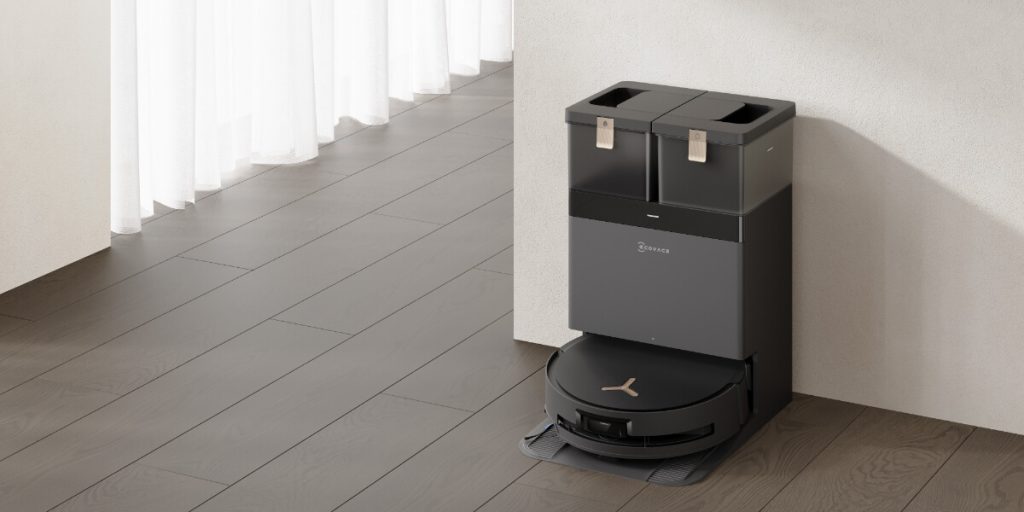
You’ve just finished a long day and are ready to tackle the dust and debris that’s been gathering in your living room. You pull out your trusty vacuum cleaner, only for it to suddenly stop working.
Frustrating, right? You might be wondering why this unexpected hiccup has occurred and how you can fix it quickly. We’ll dive into the common reasons why your vacuum might stop working and offer simple solutions to get it back up and running.
By understanding these issues, you’ll not only save time but also avoid potential headaches in the future. Stay with us as we unravel the mystery behind your vacuum troubles.
Common Causes Of Vacuum Failure
Vacuums stop working suddenly for many reasons. Understanding common causes helps fix the problem faster. Some issues are simple to solve, while others may need a technician’s help.
Knowing what to check first can save time and effort. Most vacuum failures fall under a few main categories. These include power supply problems, blockages, worn parts, and motor troubles.
Power Supply Issues
One frequent cause is a power supply problem. Check if the vacuum is plugged in properly. Sometimes the cord gets damaged or the outlet is faulty. A blown fuse or tripped circuit breaker can also cut power. Testing the power source is the first step in diagnosing the issue.
Clogged Filters And Hoses
Clogged filters and hoses reduce suction and can stop the vacuum. Dirt builds up inside the vacuum’s pathways. This blocks air flow and strains the motor. Cleaning or replacing filters often restores function. Check hoses for clogs or kinks that block air movement.
Worn Out Belts
Belts drive the vacuum’s brush roll. Over time, belts wear out or break. A broken belt stops the brush roll from spinning. This lowers cleaning power and may cause the vacuum to stop. Replacing worn belts is usually an easy fix.
Motor Problems
The motor powers the vacuum and creates suction. Motor failure can cause sudden stops. Overheating, worn brushes, or electrical faults may damage the motor. Sometimes the motor needs repair or replacement. Motor issues often require professional help for safety reasons.

Credit: www.dreametech.com
Quick Troubleshooting Steps
Vacuum cleaners can stop working suddenly due to simple issues. These quick checks help find the problem fast. Start with basic steps before calling for repairs. Most of these fixes take only a few minutes. Save time and avoid stress by following these easy tips.
Check The Power Source
Ensure the vacuum is plugged in properly. Test the outlet with another device to confirm it works. Look for a tripped circuit breaker or blown fuse. Examine the power cord for cuts or damage. Sometimes a loose plug connection causes power loss.
Inspect And Clean Filters
Dirty filters block airflow and reduce suction. Remove and tap filters gently to clear dust. Wash washable filters with water and let them dry fully. Replace filters if they look worn or torn. Clean filters keep your vacuum running smoothly.
Examine The Hose And Attachments
Check for clogs in the hose or attachments. Detach the hose and look through it with a light. Use a long object to push out blockages carefully. Inspect brush heads for hair or debris wrapped around. Clear passages help maintain strong suction.
Test The Belt Condition
Look at the belt that drives the brush roller. A broken or loose belt stops the brush from spinning. Remove the bottom plate to access the belt area. Replace the belt if it is cracked, stretched, or missing. A good belt keeps your vacuum working well.
Simple Repairs At Home
Vacuum cleaners can stop working suddenly, but often the fix is easier than you think. Before calling a repair service or buying a new vacuum, try some simple repairs at home. Many common issues can be solved with basic tools and a bit of patience.
Replacing The Vacuum Belt
The belt is crucial because it drives the brush roll, helping your vacuum pick up dirt effectively. If your vacuum suddenly stops spinning or makes a strange noise, the belt might be broken or stretched out.
Check your vacuum’s manual for how to access the belt. You’ll usually need to remove the brush cover, slide out the old belt, and fit a new one in its place. Keep an eye out for cracks or looseness in the belt before replacing it.
Clearing Blockages
Blockages are a common reason why vacuums lose suction or stop working altogether. Dirt, debris, or even small toys can get stuck in the hose, brush roll, or air pathways.
Detach the hose and look through it carefully. Shine a flashlight inside to spot any clogs. Use a flexible brush or a straightened wire hanger to gently push the blockage out. Don’t forget to check the brush roll area as well.
Resetting The Motor
Sometimes your vacuum’s motor shuts off to prevent overheating. If your vacuum suddenly stops working but feels warm, it might have tripped a thermal reset switch.
Unplug your vacuum and let it cool for about 30 minutes. Some models have a reset button on the bottom or near the motor. Press it, plug the vacuum back in, and test if it powers on again.
Cleaning Or Replacing Filters
Dirty or clogged filters reduce suction and can cause your vacuum to stop working efficiently. Depending on your model, filters might be washable or need replacing.
Remove the filters and tap them gently to get rid of dust. Wash washable filters with water and let them dry completely before reinstalling. If filters look damaged or very dirty, consider buying new ones to keep your vacuum running smoothly.
When To Call A Professional
Knowing when to call a professional can save time and avoid further damage. Some vacuum problems need expert care. Trying to fix complex issues alone might make things worse. Professionals have the right tools and skills to diagnose and repair effectively.
Persistent Motor Issues
A vacuum motor that keeps failing needs expert attention. Strange noises or burning smells are warning signs. Motor repairs require special knowledge and tools. Continued use with motor problems can cause permanent damage.
Electrical Problems
Electrical faults can be dangerous. Problems like frequent power cuts, sparks, or a tripped circuit breaker require a professional. Handling electrical parts without proper training risks injury. A technician can safely inspect and fix wiring or switches.
Complex Mechanical Failures
Broken belts, damaged brushes, or gear issues need expert repair. These parts are often hard to reach or replace. A professional can identify hidden problems and ensure proper functioning. Attempting a fix without experience may lead to more damage.
Maintenance Tips To Prevent Breakdowns
Preventing vacuum breakdowns requires simple, regular care. Small tasks can keep your vacuum running smoothly for years. Regular maintenance helps avoid sudden stops and costly repairs. Focus on cleaning, checking parts, and storing your vacuum properly. These tips save time and money in the long run.
Regular Filter Cleaning
Filters trap dust and dirt to protect the vacuum motor. Dirty filters reduce suction power and strain the motor. Clean or replace filters every few weeks. Wash washable filters with water and let them dry completely. Check your vacuum’s manual for specific filter care instructions.
Checking Belts Periodically
Belts connect the motor to the brush roll. Worn or broken belts stop the brush from spinning. Inspect belts for cracks or looseness every month. Replace belts that look damaged or stretched. Proper belt tension ensures efficient cleaning and prevents motor damage.
Proper Storage And Handling
Store your vacuum in a dry, cool place. Avoid wrapping the cord too tightly around the vacuum. Coil the cord loosely to prevent damage. Keep the vacuum away from heavy objects that may cause dents. Gentle handling extends the vacuum’s life and avoids internal damage.
Routine Hose Inspections
Hoses can get clogged or cracked over time. Blockages reduce suction and cause overheating. Check hoses for clogs and holes regularly. Use a long stick or compressed air to clear blockages. Replace damaged hoses to maintain strong airflow and protect the motor.

Credit: www.vacuumempire.com
Credit: www.ecovacs.com
Frequently Asked Questions
Why Did My Vacuum Suddenly Stop Working?
Your vacuum may stop due to a clogged filter, full dustbin, or a power issue. Check the power cord, reset button, and clean filters to fix it quickly.
How Can I Fix A Vacuum That Won’t Turn On?
First, check if the vacuum is plugged in and the outlet works. Inspect the power cord for damage and reset any safety switches or circuit breakers.
What Causes A Vacuum To Lose Suction Suddenly?
Loss of suction often happens from blockages in the hose or filters. Clean or replace filters and clear any clogs to restore proper suction.
Can A Full Dustbin Cause Vacuum To Stop Working?
Yes, a full dustbin can reduce airflow and cause the vacuum to stop. Empty the dustbin regularly to maintain performance and avoid motor strain.
Conclusion
A vacuum stopping suddenly can be frustrating. Check the power source first. Look for blockages or a full dustbin. Clean or replace filters if needed. Simple fixes often solve the problem fast. Regular maintenance keeps your vacuum working well. Remember, small steps save big repair costs.
Stay calm and follow these tips. Your vacuum can work like new again.