Have you ever wondered why Tent City Jail, once known as the world’s largest outdoor jail, suddenly shut its doors? If you’re curious about what led to its closure and what it means for the community, you’re in the right place.
Understanding the reasons behind this decision can change how you see local law enforcement, jail reform, and public safety. Keep reading, and you’ll discover the surprising facts and important lessons tied to Tent City Jail’s end. This isn’t just about a building closing—it’s about what it reveals to you and your community.

Credit: www.msn.com
Background Of Tent City Jail
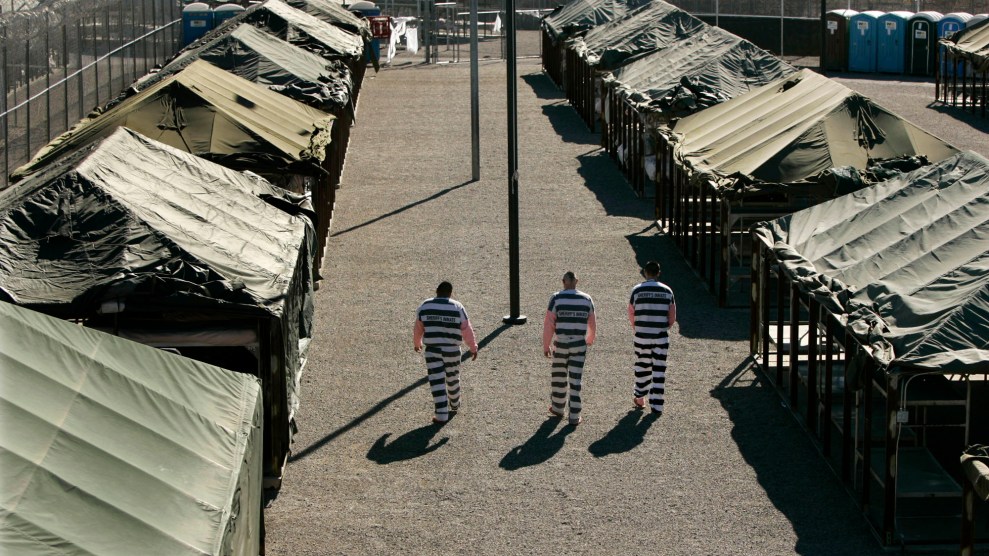
Tent City Jail was a unique outdoor jail in Seattle. It operated for several years in the early 2000s. The jail aimed to address overcrowding in traditional prisons.
This article explains its establishment, location, and how people first reacted to it.
Establishment And Purpose
The jail started in 1993 as a response to rising crime rates. The goal was to reduce jail crowding and save money on building new prisons. It served mostly low-risk offenders.
- Held short-term inmates
- Used tents instead of permanent buildings
- Operated by King County Sheriff’s Office
- Focused on efficiency and cost savings
Location And Structure
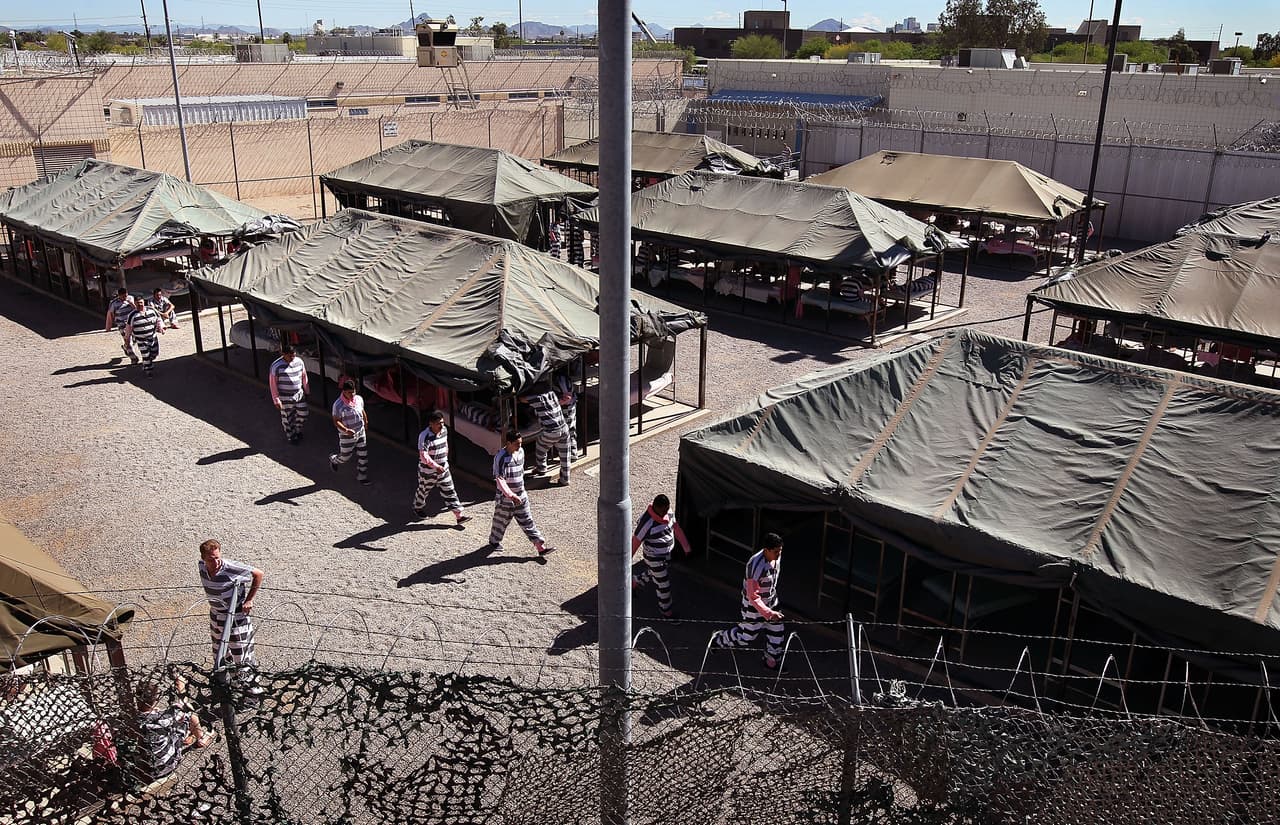
Tent City Jail was located near downtown Seattle. Its tents were large and made to house many inmates. The design allowed fresh air and sunlight.
| Feature | Description |
| Type | Outdoor tents |
| Capacity | About 200 inmates |
| Security | Fenced area with guards |
| Facilities | Basic bathrooms and showers |
Initial Reception
The jail received mixed reactions from the public and officials. Some saw it as a smart solution. Others worried about safety and human rights.
Concerns included:
- Harsh living conditions
- Exposure to weather
- Limited privacy for inmates
- Impact on neighborhood

Credit: www.democracynow.org
Operational Challenges
Tent City Jail faced many challenges before it closed. These challenges were linked to its operation under harsh conditions. This led to several issues that could not be ignored.
Below are some of the key operational challenges that contributed to the closure of Tent City Jail.
Extreme Weather Conditions
The jail was in a desert where temperatures reached extreme highs. This posed a significant risk to the health and safety of inmates and staff alike.
- Temperatures often exceeded 100 degrees Fahrenheit.
- Inadequate shade led to heat exhaustion.
- Limited cooling systems were insufficient.
Security Concerns
Ensuring security in a tented jail was a difficult task. The structure made it hard to maintain strict control over the environment.
Weak structures could not prevent escapes or unauthorized entries effectively.
Health And Sanitation Issues
Health and sanitation were major concerns in Tent City Jail. The living conditions were not up to standard, affecting the well-being of inmates.
| Issue | Impact |
| Poor sanitation facilities | Increased risk of disease |
| Overcrowding | Spread of infections |
| Limited access to clean water | Health deterioration |
Legal And Ethical Issues
Tent City Jail faced many problems related to law and ethics. These issues caused public concern and affected its operation.
People questioned whether the jail treated inmates fairly and if it followed legal rules. These concerns led to actions that closed the facility.
Human Rights Criticisms
Many human rights groups said Tent City Jail violated basic rights. They pointed out poor living conditions and lack of proper care for inmates.
- Overcrowding inside the tents caused health risks.
- Inmates lacked access to clean water and sanitation.
- Extreme weather exposed prisoners to harm.
- Limited medical care was available during emergencies.
Lawsuits And Legal Battles
Several lawsuits challenged the jail’s conditions. Courts reviewed if Tent City met legal standards for inmate treatment.
| Year | Case | Outcome |
|---|---|---|
| 2010 | Smith v. Tent City | Ruled jail conditions unconstitutional |
| 2012 | Johnson v. County | Ordered improvements in medical care |
| 2014 | Doe v. Sheriff | Mandated closure plans |
Media Exposure
News reports brought attention to Tent City Jail’s issues. Media coverage showed the harsh realities inside the facility.
Key effects of media exposure:
- Raised public awareness about jail conditions
- Increased pressure on officials to act
- Highlighted stories from former inmates
- Spurred debates on jail reforms
Political And Public Pressure
Tent City Jail was a controversial facility that faced many challenges. Political and public pressure played a big role in its closure.
Many groups and government leaders pushed for change. They wanted safer and fairer jail conditions.
Community Opposition
Local residents did not like Tent City Jail near their homes. They worried about safety and property values.
People protested and spoke at meetings. They asked officials to shut down the jail.
- Concerns about noise and crime
- Fear of decreased neighborhood safety
- Demand for better treatment of inmates
Government Decisions
Government leaders reviewed reports on Tent City Jail. They saw problems with health and security.
Officials decided to close the jail after weighing public opinion and costs. They planned to replace it with better facilities.
- Review of jail conditions and safety
- Cost analysis of running Tent City
- Plans for new detention centers
Activist Campaigns
Activists worked hard to end Tent City Jail. They held rallies and shared stories about jail issues.
They called for humane treatment and better laws. Their efforts gained media attention and support.
- Organizing protests and community events
- Raising awareness about jail conditions
- Pressuring politicians for change
Financial Implications
The closure of Tent City Jail had significant financial impacts on the local government. Understanding these effects helps explain why the decision was made.
Costs related to running the facility, budget changes, and new spending priorities all played a part in closing the jail.
Cost Of Maintenance
Maintaining Tent City Jail was expensive. The shelter required constant repairs due to weather damage and general wear.
- High utility bills for heating and cooling
- Frequent repairs on tents and infrastructure
- Costs for security and staff overtime
- Expense of cleaning and sanitation
Budget Cuts
Local and state budget cuts forced officials to reduce spending. This limited funds available for jail operations.
| Year | Budget Allocated | Budget Spent |
| 2018 | $5 million | $4.8 million |
| 2019 | $4 million | $4.2 million |
| 2020 | $3 million | $3.5 million |
Alternative Investments
Funds saved from closing Tent City were redirected to other programs. These new investments aimed to reduce jail populations and improve services.
Examples of alternative investments include:
- Community-based rehabilitation programs
- Homelessness prevention services
- Substance abuse treatment centers
- Job training and education initiatives
Aftermath And Legacy
The closure of Tent City Jail marked a significant moment in the history of incarceration. It raised many questions about jail conditions and inmate treatment.
This article looks at the impact the closure had on policies, the lessons learned, and what has become of the site today.
Impact On Incarceration Policies
The shutdown of Tent City Jail led to changes in how local authorities handle incarceration. Lawmakers and officials focused more on humane treatment and alternatives to jail time.
- Increased oversight of jail conditions.
- Promotion of rehabilitation programs.
- More use of community service and probation.
- Limits on the use of outdoor or temporary jails.
Lessons Learned
Many lessons came from the Tent City experience. These lessons helped shape future jail designs and policies.
- Temporary jails can lead to poor living conditions.
- Proper shelter and sanitation are essential.
- Inmate safety should be a priority.
- Transparency and public input improve jail management.
Current Status Of The Site
Today, the former Tent City site has a new purpose. It no longer serves as a jail but supports community needs.
| Year | Site Use |
| 2011 | Tent City Jail closed |
| 2015 | Site cleaned and cleared |
| 2020 | Converted into a public park |
| 2024 | Used for community events and gatherings |
Credit: www.univision.com
Frequently Asked Questions
Why Was Tent City Jail Originally Established?
Tent City Jail was created in 1993 to address overcrowding in Phoenix jails. It provided a temporary, cost-effective solution for housing inmates.
What Led To The Closure Of Tent City Jail?
The jail closed due to criticism over poor living conditions and human rights concerns. Authorities decided to replace it with better facilities.
How Did Public Opinion Influence Tent City’s Shutdown?
Public outcry over harsh conditions and safety issues pressured officials to shut down Tent City and improve inmate treatment.
What Replaced Tent City Jail After Its Closure?
After closing in 2017, Tent City was replaced by modern, secure detention centers with improved inmate services and safety standards.
Conclusion
Tent City Jail closed due to safety and legal concerns. It faced many problems with conditions and management. Officials decided it was best to shut it down. The closure aimed to improve how inmates are treated. New facilities offer better care and security now.
This change reflects a shift toward safer detention practices. Understanding why Tent City closed helps us see progress in jail reforms. The story reminds us that humane treatment matters.