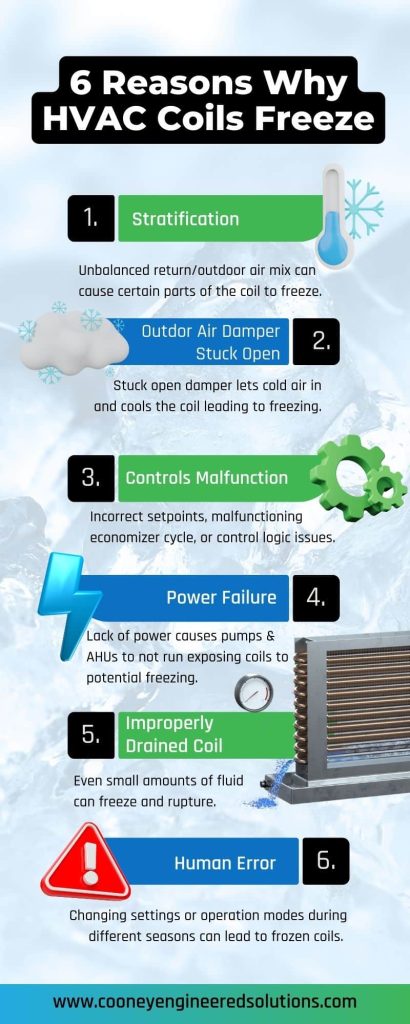
Have you ever found yourself shivering indoors, only to discover that your AC or refrigerator coils have frozen up? It’s a common issue that leaves many scratching their heads.
Why does it happen, and more importantly, how can you prevent it? Understanding the reasons behind frozen coils can save you time, money, and a lot of frustration. Imagine the comfort of knowing your appliances are running smoothly, without the unexpected chill of a malfunction.
You’ll uncover the secrets behind this icy dilemma, learn the simple steps to ensure it doesn’t happen again, and enjoy the peace of mind that comes with a well-functioning system. Stick around, because your comfort depends on it.

Credit: www.reddit.com
Common Causes Of Coil Freeze
Coil freeze-ups can disrupt your comfort and lead to costly repairs. Understanding what causes your coils to freeze helps you act before the problem worsens. Here are some common reasons why coils freeze and what you should watch out for.
Low Refrigerant Levels
Refrigerant is essential for your system to cool properly. If the levels drop, the pressure inside the coils falls, causing the temperature to drop below freezing. This leads to ice forming on the coils, which blocks airflow and reduces efficiency.
Have you checked your refrigerant levels lately? Leaks or poor maintenance often cause low refrigerant, so keeping an eye on this can save your system.
Poor Airflow
Air needs to flow freely over the coils to keep them warm enough to prevent freezing. Blocked vents, closed registers, or a clogged air filter can limit airflow. When air slows down, the coils get too cold and ice starts to build up.
Try walking through your space and checking if air feels weak near vents. Small fixes like opening registers or changing filters can make a big difference.
Dirty Coils
Dirt and dust act like insulation on your coils, stopping heat from transferring properly. This keeps the coils colder than they should be, encouraging ice to form. Even a thin layer of grime can cause problems quickly.
Regular cleaning can prevent this issue. Next time you service your system, ask if the coils were cleaned—it’s often overlooked but very important.
Thermostat Issues
If your thermostat is not working correctly, it might cause the system to run too long or not enough. Running too long lowers coil temperatures, while short cycling can confuse the system’s balance. Both situations can cause freezing.
Have you noticed your system turning on and off strangely? A faulty thermostat might be the culprit and replacing it could stop coil freeze.
Faulty Blower Motor
The blower motor pushes air over the coils, keeping them warm and preventing ice build-up. If the motor fails or runs slowly, airflow decreases dramatically. Without enough air moving, the coils freeze up quickly.
Listen for unusual noises or weak airflow from your vents. These signs often point to blower motor trouble that needs fixing.
Drainage Problems
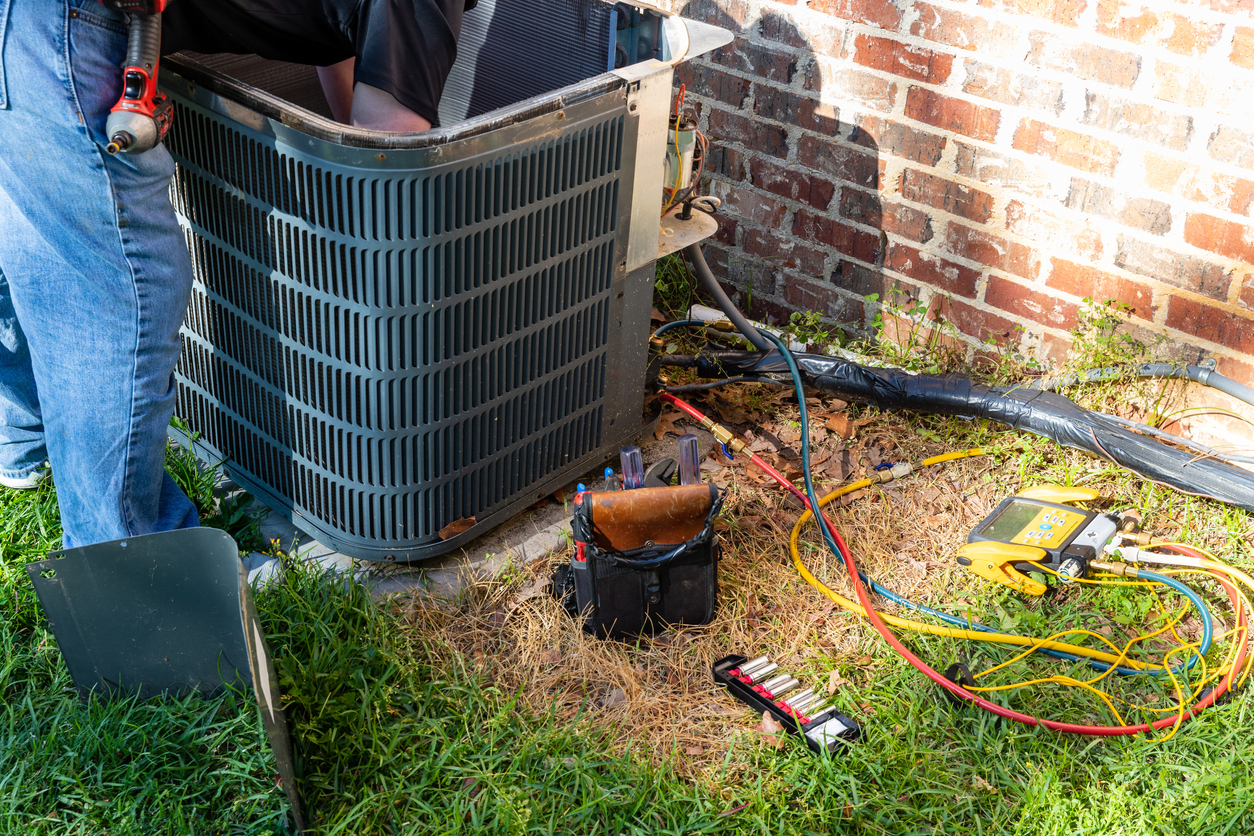
Proper drainage removes condensation that forms on coils. When drains get clogged, water backs up and freezes around the coils. This creates ice that blocks airflow and damages your system.
Check your drain lines regularly for blockages or slow drainage. Clearing these can keep your coils dry and ice-free.
Credit: wheatandsons.com
Signs Of A Frozen Coil
Frozen coils cause several clear signs that you can notice easily. Identifying these signs early helps prevent bigger problems. Check your air conditioner closely for these common symptoms.
Reduced Cooling Efficiency
The air conditioner cools less than usual. Rooms stay warm even when the AC runs long. The unit may struggle to maintain the set temperature. This drop in performance often signals a frozen coil.
Ice Buildup On Coils
Visible ice forms on the coil surface. The ice may cover the entire coil or appear in patches. This ice prevents proper heat exchange and blocks airflow. Ice buildup is a clear sign of a frozen coil problem.
Unusual Noises
Listen for strange sounds from the AC unit. You might hear gurgling, hissing, or rattling noises. These sounds occur because the frozen coil affects refrigerant flow and pressure. Noises like these indicate a coil freeze-up.
Water Leaks
Water pools around the AC unit or indoors. Melting ice from the frozen coil causes dripping. Leaks can damage floors, walls, or ceilings if ignored. Water leaks often accompany a frozen coil issue.
How To Fix Frozen Coils
Frozen coils can bring your HVAC system to a halt, causing discomfort and potential damage. Fixing them quickly helps restore efficiency and prevents costly repairs. Here’s how you can tackle frozen coils effectively.
Turning Off The System
Start by switching off your HVAC system immediately. Running the system with frozen coils can cause compressor damage. Turning it off allows the ice to melt naturally without further strain.
Have you ever noticed how the system struggles when coils freeze? Giving it a break is crucial before moving on to other fixes.
Thawing The Ice
Allow the ice to thaw completely before proceeding. You can speed up the process by placing a fan nearby or using warm towels on the coils. Avoid using sharp tools to chip away ice, as this can damage the coils.
Patience pays off here. Rushing can worsen the problem or create leaks in the coil surface.
Cleaning The Coils
Dirt and debris buildup often cause coil freezing. Once thawed, clean the coils gently using a soft brush or coil cleaner. Clear coils improve airflow, reducing the chance of freezing again.
Think about the last time you cleaned your system. Could grime be blocking air and causing cold spots?
Checking Refrigerant Levels
Low refrigerant can cause coils to freeze by lowering pressure inside the system. Have a professional check and refill refrigerant if needed. This step ensures your system operates at the right pressure and temperature.
Ignoring refrigerant levels can lead to repeated freezing and expensive repairs. Are you monitoring this essential part of your system?
Repairing Or Replacing Components
Worn-out parts like fans, valves, or thermostats can contribute to coil freeze-ups. Inspect these components and repair or replace any faulty ones. Keeping all parts in good shape prevents future freezing issues.
Sometimes, the problem isn’t obvious until a component fails. Could your system be silently begging for maintenance?

Credit: www.reddit.com
Preventing Coil Freeze
Preventing coil freeze is essential for maintaining your HVAC system’s efficiency. Frozen coils reduce airflow and cause your system to work harder. This leads to higher energy bills and possible damage. Simple steps can stop coils from freezing and keep your system running smoothly.
Regular Maintenance
Schedule routine checks with a professional technician. They clean coils and inspect all parts. This helps catch small issues before they grow. Regular maintenance keeps your system in top shape and reduces freeze risks.
Replacing Air Filters
Dirty filters block airflow and strain the system. Change air filters every 1 to 3 months. Clean filters allow air to flow freely. This prevents ice build-up on coils and improves indoor air quality.
Ensuring Proper Airflow
Clear vents and registers from furniture and dust. Closed or blocked vents reduce airflow and cause coil freeze. Keep doors open between rooms. Use fans to circulate air evenly throughout your home.
Monitoring Refrigerant Levels
Low refrigerant causes coils to freeze quickly. Have a technician check refrigerant levels regularly. Fix leaks and refill as needed. Proper refrigerant ensures your system cools without freezing.
Keeping Thermostat Settings Consistent
Frequent temperature changes stress your HVAC system. Set your thermostat to a steady temperature. Avoid setting it too low in cooling mode. Consistent settings help prevent coil freeze and save energy.
When To Call A Professional
Knowing when to call a professional for frozen coils can save you time, money, and prevent further damage to your HVAC system. While some minor ice buildup might seem manageable, persistent or complicated issues require expert attention. Understanding the signs that point to the need for professional help ensures your system stays efficient and reliable.
Persistent Freezing Issues
If your coils freeze up repeatedly despite basic troubleshooting, it’s time to seek professional help. This recurring problem often signals deeper issues like airflow restrictions or faulty components.
Attempting multiple DIY fixes without success can worsen the condition and increase repair costs. A technician can diagnose underlying causes and provide lasting solutions.
Refrigerant Handling
Frozen coils often indicate refrigerant leaks or improper levels. Handling refrigerants requires specialized knowledge and certification due to their hazardous nature.
Don’t risk safety or system damage by trying to add or adjust refrigerant yourself. Professionals have the right tools and training to safely manage refrigerant and restore your system’s balance.
Electrical Repairs
Sometimes, coil freeze-ups stem from electrical problems like malfunctioning thermostats, sensors, or wiring issues. These require precise troubleshooting to avoid electrical hazards or further system failure.
Calling a professional ensures that all electrical components are inspected and repaired correctly, maintaining your system’s safety and performance.
System Inspections
Regular inspections by HVAC professionals can catch coil freezing issues before they escalate. They assess various parts of your system, including filters, fans, and drainage, which influence coil health.
Scheduling routine check-ups is a proactive way to keep your system running smoothly and avoid unexpected breakdowns. Have you booked your system inspection this season?
Frequently Asked Questions
Why Do Hvac Coils Freeze Up In Winter?
Coils freeze due to low airflow, refrigerant issues, or dirty filters. Cold temperatures and moisture cause ice buildup, reducing efficiency and airflow.
How Does Low Airflow Cause Coil Freeze?
Low airflow limits warm air reaching coils, causing temperature to drop below freezing. This leads to moisture condensation and ice formation on the coils.
Can Dirty Filters Lead To Coil Freezing?
Yes, dirty filters restrict airflow, causing coils to get too cold. This results in ice buildup, reducing system performance and increasing energy use.
What Role Does Refrigerant Play In Coil Freeze?
Low refrigerant levels cause coils to become too cold, leading to freezing. Proper refrigerant charge is essential to maintain coil temperature and prevent ice.
Conclusion
Frozen coils cause poor cooling and higher energy bills. Dirt and low airflow block air, leading to ice buildup. Dirty filters or low refrigerant also cause freezing. Fixing these issues keeps your system running well. Check coils and filters often to avoid problems.
Call a professional if freezing happens again. Stay alert to keep your home comfortable and safe.