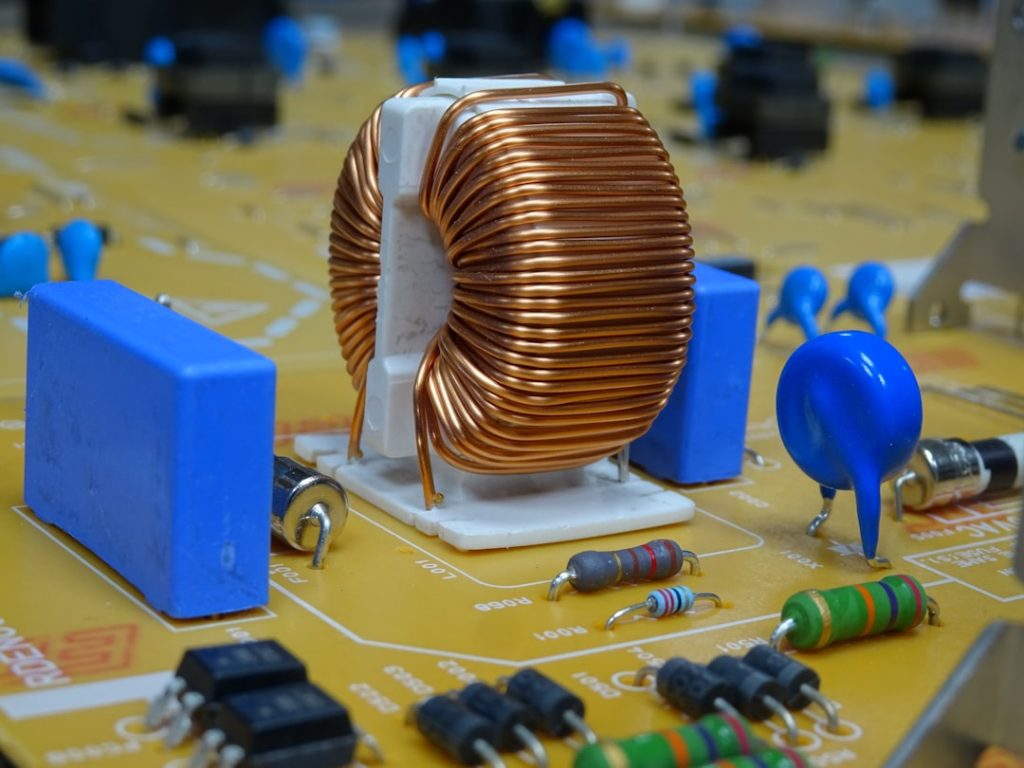
Have you ever wondered why your air conditioner suddenly stops working on a hot day? One common culprit is the air conditioner capacitor.
This small but powerful part plays a big role in keeping your AC running smoothly. When it fails, your whole system can grind to a halt, leaving you uncomfortable and frustrated. You’ll discover the main reasons why air conditioner capacitors fail and what you can do to prevent it.
Understanding this can save you time, money, and a lot of sweat during those scorching months. Keep reading to learn how to protect your AC and stay cool all summer long.

Credit: www.lionaircooling.com
Role Of Capacitors In Ac Units
Capacitors play an important part in air conditioner units. They help the motors start and keep running smoothly. Without capacitors, the AC would not work properly.
These small devices store electrical energy and release it when needed. This helps power the compressor and fan motors inside the AC system.
Types Of Ac Capacitors
There are different types of capacitors used in air conditioners. Each type has a specific job to support the AC unit’s functions.
- Start Capacitors:Provide extra power to start the compressor motor quickly.
- Run Capacitors:Keep the compressor and fan motors running efficiently.
- Dual Capacitors:Combine start and run functions in one unit for compact design.
How Capacitors Support Operation
Capacitors help the AC unit work by giving a boost of energy to motors. This makes sure the compressor and fan start and run without problems.
| Capacitor Type | Function | Effect on AC Operation |
| Start Capacitor | Provides high starting torque | Helps compressor motor start quickly |
| Run Capacitor | Maintains motor running | Keeps fan and compressor running smoothly |
| Dual Capacitor | Combines start and run functions | Saves space, supports both motors |

Credit: www.youtube.com
Common Causes Of Capacitor Failure
Air conditioner capacitors play a crucial role in powering the unit’s motors. When they fail, the entire system can stop working. Understanding the common causes of capacitor failure can help in preventing issues.
Let’s explore the main reasons why air conditioner capacitors fail. Addressing these factors can improve the longevity of your air conditioning system.
Electrical Overloads
Electrical overloads can damage capacitors quickly. When too much electricity flows through a capacitor, it can overheat and fail. This is often caused by power surges or faulty components drawing excess current.
Age And Wear
Over time, capacitors naturally wear out and lose effectiveness. Older capacitors are more prone to failure, especially if they have been exposed to long-term stress or poor maintenance.
- Regular maintenance extends capacitor life.
- Replace capacitors every 5-10 years for optimal performance.
Extreme Temperatures
Capacitors are sensitive to temperature extremes. High heat can cause the internal components to expand and fail. Cold temperatures can also affect their operation by making them brittle.
| Temperature Condition | Effect on Capacitor |
| High Heat | Expansion and failure |
| Freezing Cold | Brittleness and malfunction |
Moisture And Contamination
Moisture can infiltrate a capacitor and cause electrical shorts. Dust and dirt also contribute to failure by creating conductive paths that disrupt operations. Keeping the unit clean and dry is vital.
Poor Installation
Incorrect installation can lead to capacitor failure. If a capacitor is not securely connected, it may not function properly. Ensuring professional installation is key to avoiding these issues.
Signs Of A Failing Capacitor
Air conditioner capacitors help start and run the motor. When they fail, the AC unit shows clear signs. Spotting these signs early can save you from bigger problems.
Knowing what to look for helps you act fast. Here are common signs that your capacitor may be failing.
Unusual Noises
A failing capacitor can cause strange sounds from your AC unit. You might hear buzzing, humming, or clicking noises. These noises come from the motor struggling to start or run smoothly.
Here are some noises linked to capacitor problems:
- Buzzing sound near the compressor
- Clicking noises as the unit tries to start
- Humming that lasts longer than usual
Ac Unit Fails To Start
The capacitor gives the motor the extra power it needs to start. If it fails, the AC may not start at all. You might hear a single click or see the unit try to turn on but fail.
| Symptom | What Happens |
| Clicking Noise | Capacitor tries to start motor but fails |
| No Response | Unit does not turn on or move |
| Partial Start | Motor runs briefly then stops |
Reduced Cooling Efficiency
A weak capacitor makes the motor run poorly. This lowers the cooling power of your AC. You may feel less cold air or the room takes longer to cool down.
Signs of reduced cooling include:
- Warm air blowing from vents
- Longer run times without reaching set temperature
- Higher energy bills due to inefficiency
Frequent Cycling
Capacitor issues can cause the AC to turn on and off often. This is called frequent cycling. It wears out the system and raises energy use.
Common reasons for frequent cycling caused by a bad capacitor:
- Motor struggles to start, so the unit shuts down quickly.
- Power surges cause the system to reset repeatedly.
- Heat buildup forces the AC to stop to cool down.
Preventing Capacitor Failures
Air conditioner capacitors can fail if they are not cared for properly. Taking simple steps can help keep them working longer.
Preventing capacitor failure saves money and keeps your AC running smoothly. Let’s look at how to avoid these problems.
Regular Maintenance Tips
Check capacitors regularly during AC service visits. Look for bulges, leaks, or corrosion on the capacitor.
Clean the area around the capacitor to avoid dust and dirt build-up. This helps keep it cool and prevents damage.
- Inspect capacitors every 6 months
- Keep the unit clean and dry
- Replace old or damaged capacitors immediately
Proper Installation Practices
Use the right capacitor size and type for your AC unit. Incorrect parts can cause early failure and reduce efficiency.
Make sure the capacitor is mounted securely and connected properly. Loose wires or poor contact can cause electrical issues.
- Match capacitor specifications to the AC model
- Tighten all electrical connections
- Keep the capacitor away from moisture and heat sources
Monitoring Electrical Supply
Fluctuations in voltage can damage capacitors. Use a voltage stabilizer if your power supply is unstable.
Check for frequent power surges or outages. These can shorten the life of your AC components including capacitors.
- Install surge protectors to guard against spikes
- Have an electrician check your home wiring
- Monitor voltage regularly to spot problems early
When To Replace A Capacitor
Air conditioner capacitors help start the compressor and fans. If they fail, the AC may stop working or run poorly. Knowing when to replace a capacitor can save your AC from damage.
Capacitors fail due to age, heat, or power surges. Signs like slow fan start, humming sounds, or no cooling often mean the capacitor needs replacing.
Testing Methods
Testing a capacitor helps confirm if it is faulty. You can use a multimeter with a capacitance setting to check it. Always turn off power before testing.
- Discharge the capacitor first to avoid shocks
- Set the multimeter to measure microfarads (µF)
- Connect the meter leads to the capacitor terminals
- Compare the reading to the capacitor’s rated value
- A low or no reading means the capacitor is bad
Choosing The Right Replacement
Select a capacitor with the same microfarad rating as the old one. The voltage rating must be equal or higher. Using the wrong capacitor can damage your AC.
- Check the label for microfarads (µF) and voltage (V)
- Choose a capacitor with matching µF and equal or higher voltage
- Use capacitors designed for air conditioners
- Keep the physical size similar for easy installation
Hiring A Professional
Replacing a capacitor involves handling electrical parts. If you are not confident, hire a professional to avoid injury or damage.
A professional can test and replace the capacitor safely. They also check for other AC problems during the service.

Credit: www.callfastair.com
Frequently Asked Questions
Why Do Air Conditioner Capacitors Fail Prematurely?
Air conditioner capacitors fail prematurely due to overheating, electrical surges, or manufacturing defects. Poor maintenance and age also weaken capacitor performance, causing failure.
How Does Temperature Affect Ac Capacitor Lifespan?
High temperatures cause capacitors to degrade faster. Excessive heat stresses internal components, reducing their lifespan and leading to early failure.
Can Power Surges Damage Ac Capacitors?
Yes, power surges create voltage spikes that stress capacitors. This stress can cause internal damage, leading to capacitor failure.
What Symptoms Indicate A Failing Ac Capacitor?
Common signs include slow or no fan operation, humming noises, or the AC unit failing to start. These indicate capacitor issues.
Conclusion
Air conditioner capacitors fail mostly due to heat and age. Dirt and moisture also cause damage. Regular checks help find problems early. Replacing a bad capacitor keeps your AC working well. Simple care can save you costly repairs later. Stay alert to strange noises or weak cooling.
Small steps prevent big issues. Keep your home cool and comfortable all year.