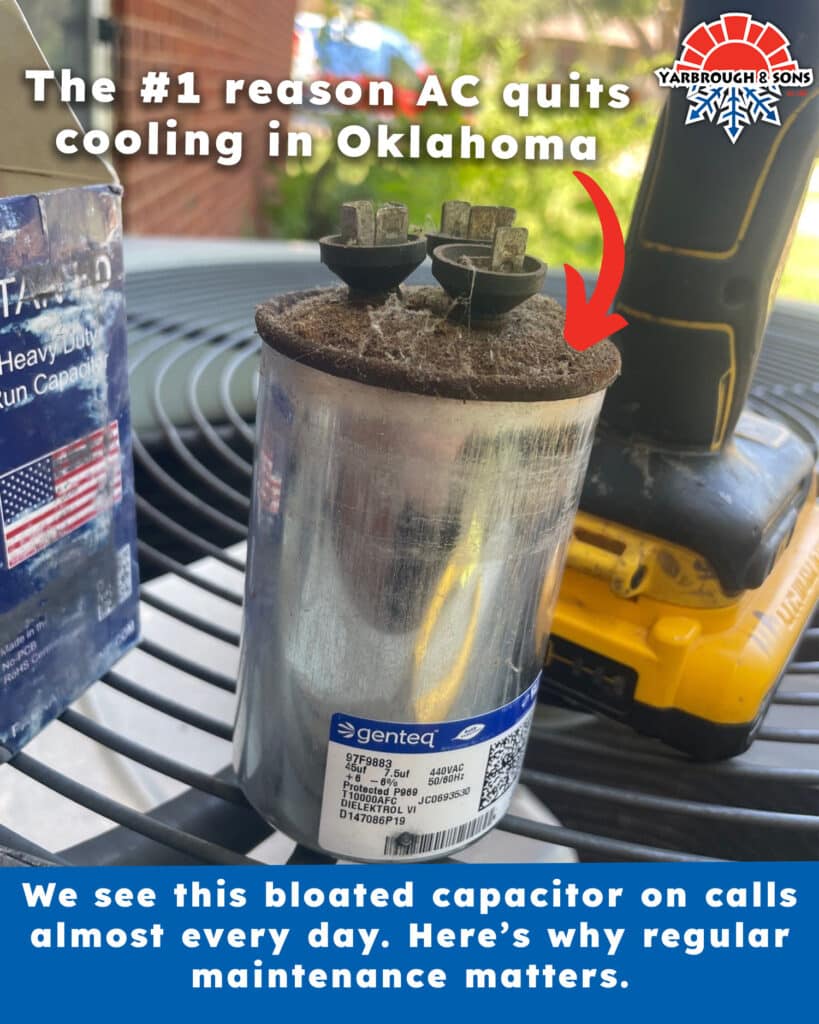
Have you ever wondered why your air conditioner suddenly stops working on a hot day? One common culprit is the air conditioner capacitor.
When this small but vital part fails, your cooling system can grind to a halt, leaving you uncomfortable and frustrated. Understanding why air conditioner capacitors fail can save you time, money, and stress. You’ll discover the main reasons behind capacitor failure and learn how to spot the warning signs before your AC breaks down completely.
Keep reading to protect your comfort and avoid costly repairs.

Credit: www.youtube.com
Role Of Capacitors In Ac Units
Capacitorsare small devices in AC units. They help start the motor and keep it running. Without capacitors, the motor might not work well or at all.
There are mainly two types of capacitors in air conditioners:
- Start Capacitors:Provide extra power to start the motor quickly.
- Run Capacitors:Help the motor keep running smoothly and efficiently.
Capacitors store and release electrical energy. This energy helps the motor turn on and stay on. They act like a battery but work faster. If a capacitor fails, the motor may stop or run poorly.
Common Causes Of Capacitor Failure
Electrical overloadscause capacitors to fail by pushing too much current. This extra load makes the capacitor heat up and break down faster. It can happen if the air conditioner has a power surge or a wiring problem.
Heat damageis common because capacitors work in warm places inside the AC. Too much heat can dry out the capacitor’s inside parts and make it stop working.
Age and wearalso lead to failure. Over time, capacitors lose their ability to hold a charge. Old capacitors need replacing to keep the AC running well.
Moisture exposurecan cause short circuits. Water or humidity inside the capacitor damages it and stops it from working properly.
Manufacturing defectsare rare but possible. Sometimes capacitors have weak spots from the factory. These defects make them fail earlier than expected.
Signs Of A Failing Capacitor
Unusual noiseslike buzzing or humming often mean a capacitor is failing. Strange sounds come from the motor struggling to start or run.
AC not startingis another key sign. The capacitor helps the motor start. Without it, the AC may not turn on at all.
Reduced cooling efficiencyhappens because the motor runs weakly. The air conditioner may feel warm or less cool than before.
Frequent AC cyclingmeans the system turns on and off too often. This happens when the capacitor cannot keep the motor running smoothly.
Preventing Capacitor Failures
Regular maintenancehelps catch capacitor issues early. Clean dust and debris around the unit. Check for any signs of swelling or leaks on capacitors. Test capacitor voltage with a multimeter to ensure proper function. Replace worn or damaged capacitors promptly to avoid bigger problems.
Proper installationis key. Use the correct capacitor size and rating for your air conditioner model. Ensure tight, secure connections to avoid vibration damage. Avoid forcing parts into place, which can harm the capacitor. Follow manufacturer guidelines carefully for installation.
Using quality componentsextends capacitor life. Choose capacitors from trusted brands with good reviews. Avoid cheap or counterfeit parts that fail quickly. Quality capacitors resist heat and electrical stress better. This reduces the chance of sudden failures.
When To Replace A Capacitor
Signs of a bad capacitorinclude slow or no fan start, buzzing noises, and the AC not cooling well. Check for a swollen or leaking capacitor. Use a multimeter to test capacitance if possible. Capacitors usually fail after years of use or due to power surges.
Choosing the right replacement capacitoris key. Match the microfarad (µF) ratingexactly to the old one. Also, check the voltage rating; it should be equal or higher. Using the wrong capacitor can cause damage or poor AC performance.

Credit: www.callfastair.com

Credit: www.lionaircooling.com
Frequently Asked Questions
What Causes Ac Capacitors To Fail?
AC capacitors can fail due to overheating, electrical surges, or wear and tear over time. Excessive heat and voltage fluctuations strain the capacitor, leading to breakdown. Regular maintenance and keeping the AC unit clean can help extend the capacitor’s life.
How Does A Faulty Capacitor Affect Cooling?
A faulty capacitor can prevent the compressor or fan from starting. This leads to poor cooling performance. The AC unit might produce warm air or struggle to maintain the set temperature, causing discomfort and increased energy consumption.
Can A Bad Capacitor Damage The Ac Unit?
Yes, a bad capacitor can damage the AC unit. It can cause the compressor or fan motor to overheat. This may lead to costly repairs or even complete system failure if not addressed promptly.
How Often Should Ac Capacitors Be Checked?
AC capacitors should be checked annually during routine maintenance. Regular inspections help identify potential issues early. This can prevent unexpected failures and ensure your air conditioner operates efficiently throughout the cooling season.
Conclusion
Air conditioner capacitors fail because of heat, age, and power issues. These problems stop your AC from working well. Checking capacitors regularly helps avoid big repairs. Fixing or replacing a bad capacitor keeps your AC cool and safe. Don’t ignore strange noises or weak airflow from your unit.
Simple maintenance can save money and discomfort later. Stay aware of how your AC feels and sounds. Your system will last longer with small care steps.