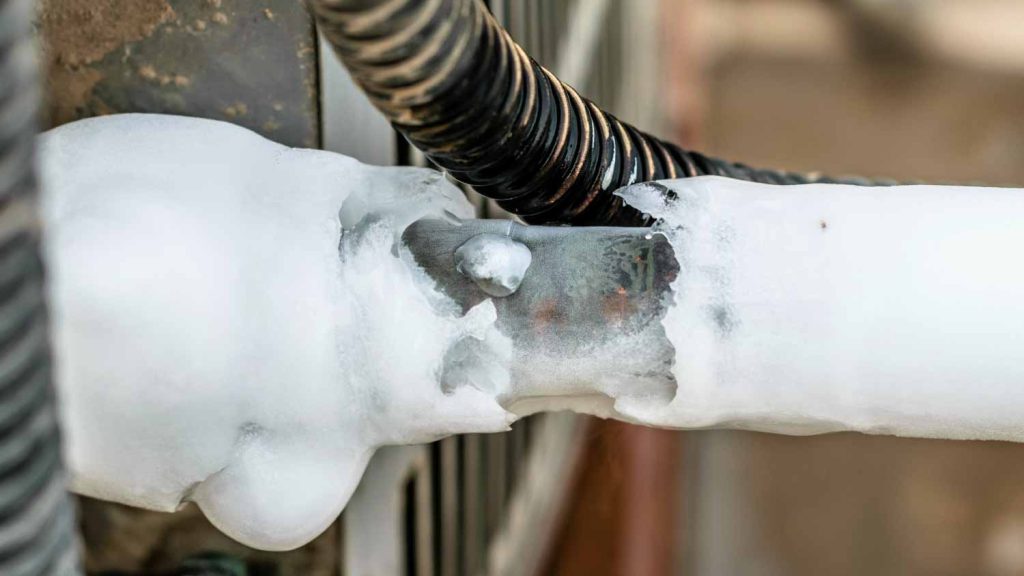
Have you ever noticed ice building up on your air conditioner pipes and wondered why it happens? Frozen AC pipes can be frustrating, especially when you rely on your unit to keep your home cool and comfortable.
But understanding why your air conditioner pipes freeze is the first step to fixing the problem and avoiding costly repairs. You’ll discover the common reasons behind frozen AC pipes and simple ways to prevent it from happening to you. Keep reading to protect your cooling system and enjoy a hassle-free summer.
Credit: www.topnotchheatingandair.com
How Air Conditioner Pipes Work
Air conditioner pipes carry refrigerant between parts of the system. These pipes help cool your home by moving heat outside.
Understanding how these pipes work helps explain why they sometimes freeze. The pipes play a key role in the cooling process.
Basic Components
An air conditioner has pipes that connect important parts. These parts include the compressor, condenser, evaporator, and expansion valve.
The pipes carry refrigerant, a special fluid that changes from gas to liquid and back. This change helps absorb and release heat.
- Compressor:Pushes refrigerant through the pipes.
- Condenser:Releases heat from the refrigerant.
- Evaporator:Absorbs heat from indoor air.
- Expansion Valve:Controls refrigerant flow and pressure.
Cooling Process
Refrigerant flows through the pipes in a cycle. It starts as a warm gas and cools down as it moves through the system.
The refrigerant absorbs heat inside your home and releases it outside. This keeps your indoor air cool and comfortable.
- The compressor pumps warm gas refrigerant to the condenser.
- The condenser turns gas into liquid and releases heat outside.
- The liquid refrigerant passes through the expansion valve, lowering pressure.
- The refrigerant enters the evaporator as a cold liquid and absorbs indoor heat.
- The refrigerant becomes gas again and returns to the compressor.
Common Causes Of Freezing Pipes
Air conditioner pipes can freeze for several reasons. This can stop your AC from working well. Knowing why pipes freeze helps you fix the problem fast.
Below are common causes that lead to freezing pipes in air conditioners. Each cause affects the system differently.
Low Refrigerant Levels
Refrigerant cools the air inside the AC pipes. If the levels get too low, the pipes can get very cold. This causes ice to form on the pipes.
Leaks or poor installation often cause low refrigerant. Fixing leaks and refilling refrigerant stops freezing.
Poor Airflow
Good airflow keeps the pipes at the right temperature. Blocked vents or closed registers reduce airflow. This lets the pipes cool down too much and freeze.
- Furniture blocking vents
- Closed air registers
- Dirty ducts
- Broken blower fan
Dirty Air Filters
Air filters trap dust and dirt. When they get dirty, airflow slows down. This causes the pipes to freeze.
| Filter Condition | Effect on Airflow | Freezing Risk |
| Clean | Good | Low |
| Somewhat Dirty | Reduced | Medium |
| Very Dirty | Poor | High |
Thermostat Issues
Thermostats control when the AC turns on and off. A broken thermostat may make the AC run too long. This lowers pipe temperature and causes ice.
Signs of thermostat problems:
- AC runs continuously
- Temperature setting does not change
- AC does not turn off
Environmental Factors Affecting Freezing
Air conditioner pipes can freeze due to several environmental conditions. These factors influence how much ice forms on the pipes.
Understanding these factors helps prevent freezing and keeps your system running well.
Outdoor Temperature
Cold outdoor temperatures can cause air conditioner pipes to freeze. When the temperature drops below freezing, moisture on the pipes turns to ice.
Low temperatures also make the refrigerant inside the pipes colder, which can lead to ice buildup.
- Below 32°F (0°C), pipes are at high risk of freezing
- Wind chill can make pipes colder than air temperature
- Nighttime cold increases freezing chances
Humidity Levels
Humidity affects how much moisture is in the air. High humidity means more water vapor can freeze on the pipes.
When moist air touches the cold pipes, condensation forms and then freezes if the temperature is low enough.
- High humidity raises ice formation risk
- Dry air lowers the chance of freezing
- Indoor humidity can also affect pipe freezing

Credit: a1heating.com
Signs Of Frozen Air Conditioner Pipes
Air conditioner pipes can freeze when the system has a problem. Frozen pipes stop the air conditioner from working well.
Knowing the signs of frozen pipes helps you fix the issue fast. It also prevents damage to your air conditioner.
Reduced Cooling Efficiency
Frozen pipes limit the flow of refrigerant in the air conditioner. This makes the system cool less air than usual.
You might notice the room does not get cold even when the AC runs for a long time.
- Air conditioner runs longer than normal
- Room temperature stays higher than set
- Cooling feels weaker or uneven
Ice Formation On Pipes
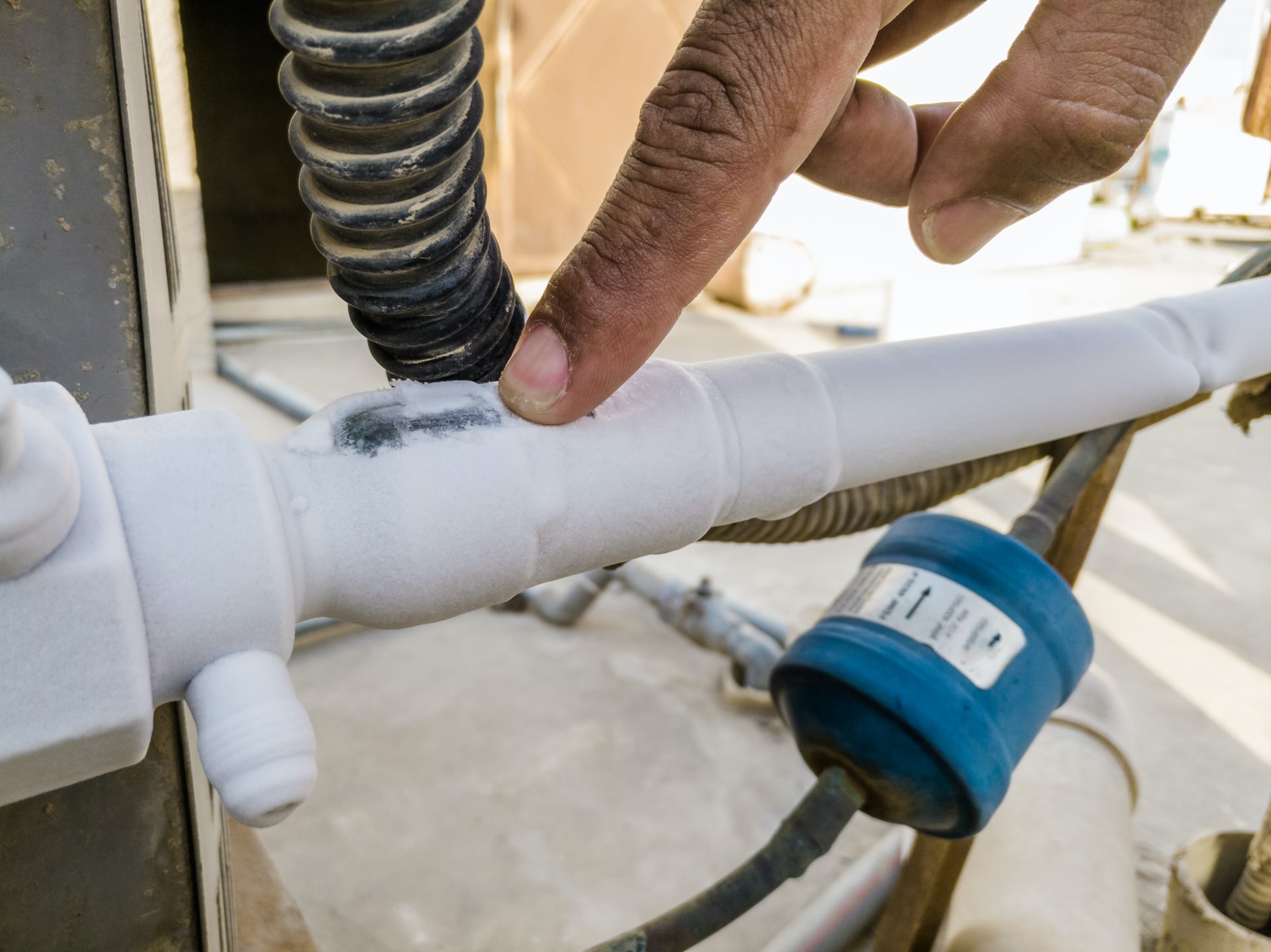
Ice builds up on the pipes when they freeze. You can see white or clear ice on the copper tubes.
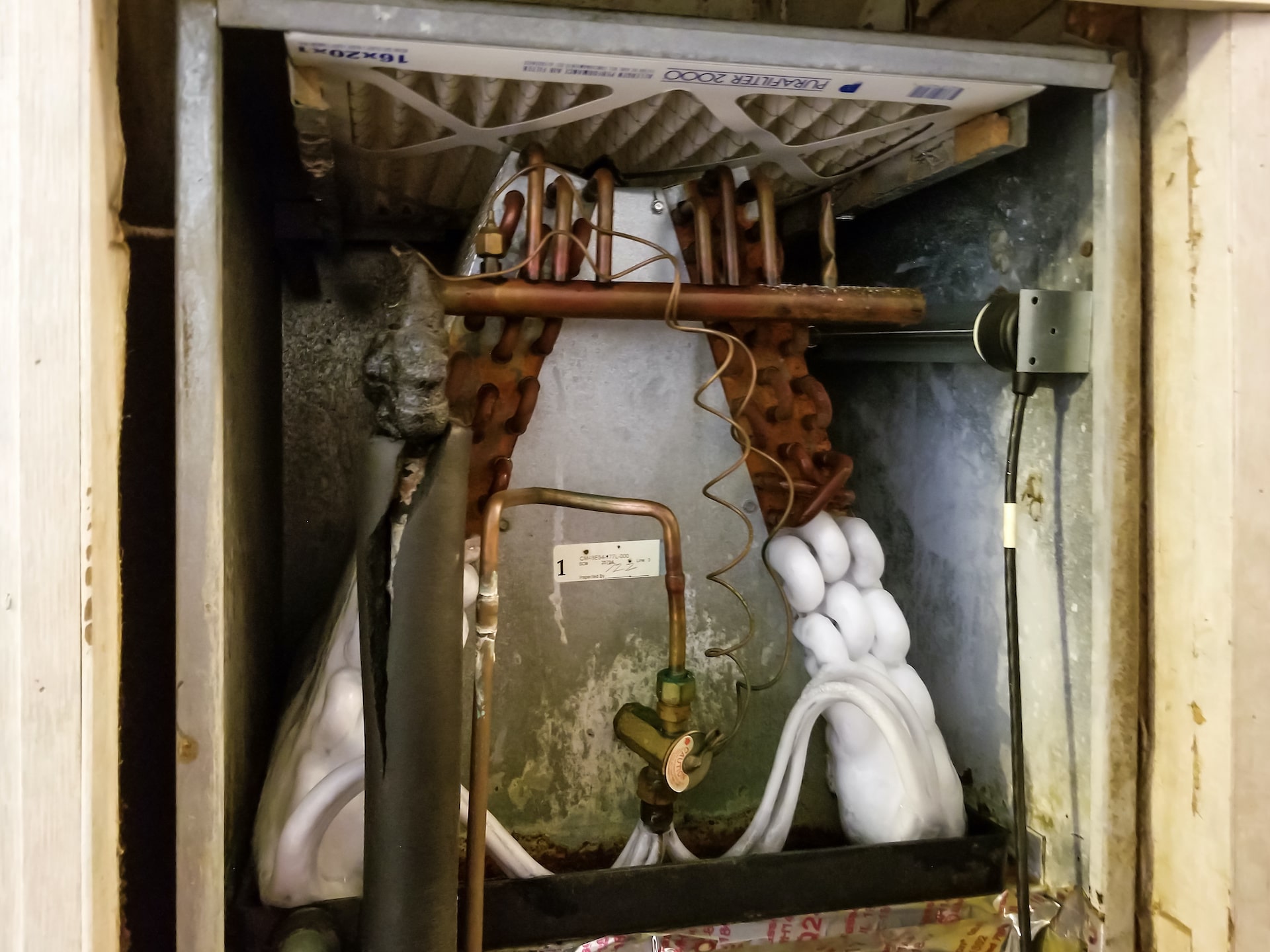
Ice may cover parts of the indoor or outdoor unit. This is a clear sign the pipes are too cold.
- White frost on pipes and coils
- Thick ice layers blocking pipes
- Dripping water after ice melts
Unusual Noises
Frozen pipes cause the air conditioner to make strange sounds. You may hear hissing, banging, or gurgling noises.
These sounds come from the refrigerant not flowing correctly through the frozen parts.
- Hissing from refrigerant pressure changes
- Banging from ice blocking parts
- Gurgling as liquid tries to move
Preventing Pipe Freezing
Air conditioner pipes can freeze if certain problems occur. Frozen pipes stop the system from working well. Preventing pipe freezing keeps your AC running smoothly.
Simple care and attention can stop pipes from freezing. Let’s look at three key ways to prevent this issue.
Regular Maintenance
Check your air conditioner often to avoid frozen pipes. Clean or replace filters regularly. Dirt blocks airflow and causes freezing.
- Clean air filters every month during use
- Inspect and clean evaporator coils yearly
- Check drain lines to avoid water buildup
- Schedule professional tune-ups once a year
Proper Airflow Management
Good airflow helps keep pipes from freezing. Blocked vents reduce air movement and cause cold spots. Make sure vents are open and clear.
| Common Airflow Issues | How to Fix |
| Closed or blocked vents | Open all vents and remove obstructions |
| Dirty air filters | Replace or clean filters regularly |
| Obstructed outdoor unit | Clear leaves and debris from outdoor unit |
Timely Refrigerant Checks
Low refrigerant levels cause pipes to freeze. Check refrigerant levels every year. Fix leaks and refill as needed.
- AC cools less than before
- Ice forms on the pipes or coils
- Higher energy bills
When To Call A Professional
Air conditioner pipes can freeze for many reasons. Sometimes you can fix it yourself. Other times, you need an expert to help.
Knowing when to call a professional saves time and stops bigger problems. Read on to learn the signs and safety tips.
Identifying Serious Issues
If your AC pipes freeze often, it may mean a serious problem. A blocked air filter or low refrigerant can cause this. These problems need expert care.
Also watch for water leaks or strange noises. These signs show your AC needs a professional check. Don’t wait too long to get help.
- Repeated pipe freezing
- Water leaks near the unit
- Unusual sounds during operation
- Reduced cooling performance
- Ice buildup on pipes or coils
Safety Considerations
Frozen AC pipes can lead to water damage or electrical problems. Trying to fix it without skill can be risky. Call a professional for safety.
Professionals have the right tools and training. They prevent accidents and fix the root cause safely. Protect your home and health by getting expert help.
- Risk of electrical shock
- Possible water damage
- Handling refrigerant requires training
- Prevent worsening of the problem
- Safe and proper repairs
Credit: www.topnotchheatingandair.com
Frequently Asked Questions
Why Do Air Conditioner Pipes Freeze During Operation?
Air conditioner pipes freeze mainly due to restricted airflow or low refrigerant levels. These issues cause the coils to get too cold, leading to ice buildup on the pipes. Proper maintenance and timely repairs can prevent freezing and improve AC efficiency.
How Does Low Refrigerant Cause Pipe Freezing?
Low refrigerant reduces pressure in the AC system, causing coil temperatures to drop below freezing. This leads to moisture freezing on the pipes. Regular refrigerant checks and refills help maintain proper cooling and avoid pipe freezing.
Can Dirty Air Filters Lead To Frozen Ac Pipes?
Yes, dirty air filters restrict airflow, causing the evaporator coil to get too cold. This results in ice forming on the pipes. Cleaning or replacing filters regularly ensures good airflow and prevents freezing issues.
What Happens If Frozen Ac Pipes Are Ignored?
Ignoring frozen AC pipes can cause compressor damage and system failure. Ice buildup reduces cooling efficiency and leads to costly repairs. Promptly addressing freezing signs protects your air conditioner and extends its lifespan.
Conclusion
Frozen air conditioner pipes cause poor cooling and possible damage. Low refrigerant, dirty filters, or blocked airflow often trigger freezing. Regular maintenance keeps pipes clear and systems running well. Check your unit and clean filters to avoid ice build-up. Small problems can grow if ignored, costing more to fix later.
Stay alert to signs like weak airflow or unusual sounds. Acting quickly protects your AC and saves money. Keep your home cool and comfortable all summer long. Simple care makes a big difference in AC health.