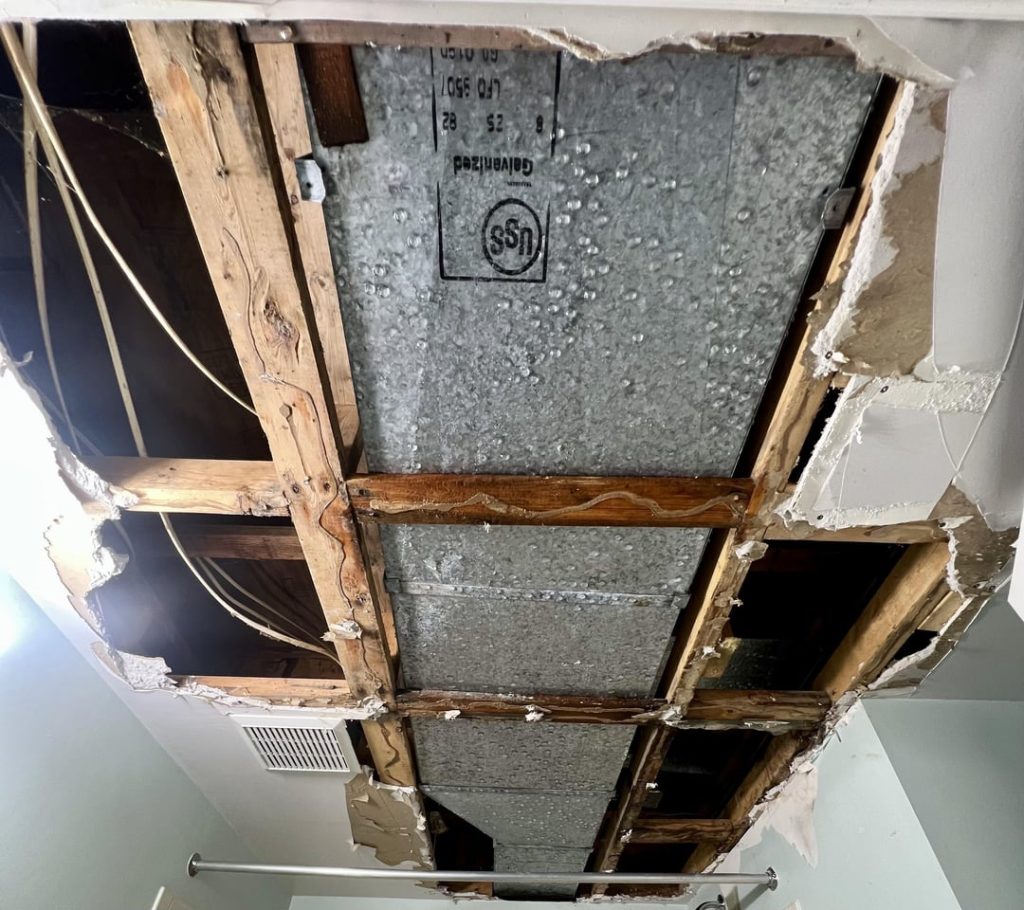
Imagine this: It’s a scorching summer day, and all you want is to relax in the cool comfort of your home. But then you notice something odd – your air conditioner vents are sweating!
You might wonder why this is happening and if it’s a sign of trouble. You’re not alone. Many homeowners face this puzzling issue. Understanding why air conditioner vents sweat can save you from potential headaches and costly repairs. We’ll uncover the reasons behind this phenomenon and offer simple solutions to keep your home dry and comfortable.
Stick with us, and you’ll learn how to ensure your air conditioning system works efficiently, keeping you cool and worry-free.
Reasons For Sweaty Ac Vents
Air conditioner vents can sweat and cause water to drip or form on their surface. This happens due to several common reasons linked to the environment and the AC system.
Understanding why vents sweat helps you keep your home dry and your AC working well.
High Humidity Levels
When the air inside your home has a lot of moisture, it raises the chance of sweat forming on AC vents. Warm, moist air touches the cold vent surface, causing condensation.
- Humid weather outside adds moisture indoors.
- Activities like cooking and showering increase indoor humidity.
- Poor moisture control makes vents sweat more.
Poor Ventilation
Bad airflow inside your home can trap moist air near vents. This stops the air from drying out and leads to sweating.
| Ventilation Issue | Effect on AC Vents |
|---|---|
| Blocked vents | Stops air movement, increases moisture |
| Closed doors and windows | Traps humid air inside rooms |
| No exhaust fans | Fails to remove moist air from bathrooms or kitchens |
Temperature Differences
Cold air from vents meets warm room air. This temperature gap causes moisture to form on vent surfaces. Bigger differences make sweating worse.
- Strong AC cooling in hot weather creates large temperature gaps.
- Poor insulation around vents can make them colder.
- Vents near heat sources may sweat less.
Clogged Air Filters
Dirty or clogged air filters reduce airflow. This forces the AC to work harder and cool the air more, causing vents to get colder and sweat.
- Filters trap dust and dirt over time.
- Reduced airflow lowers vent temperature.
- Regular filter cleaning prevents sweating vents.

Credit: www.reddit.com
Effects Of Vent Condensation
Air conditioner vents sweat when moisture in the air cools and forms water droplets. This vent condensation can cause problems inside your home.
Understanding the effects of vent condensation helps you take steps to prevent damage and keep your home safe.
Mold And Mildew Growth
Condensation creates damp areas around vents. Mold and mildew grow well in these damp spots. This growth can spread quickly and cause health problems.
- Mold spores irritate the skin and lungs.
- Mildew produces a musty smell that lingers.
- Both can worsen allergies and asthma.
Damage To Walls And Ceilings
Water from vent condensation can soak into walls and ceilings. Over time, this causes paint to peel and drywall to weaken.
| Damage Type | Cause | Effect |
| Peeling Paint | Water seepage | Unattractive walls |
| Drywall Softening | Prolonged moisture | Structural weakness |
| Stains | Water marks | Visible discoloration |
Reduced Air Quality
Condensation can lower indoor air quality. Dust and allergens stick to wet surfaces near vents. This spreads particles through the air system.
- Increased dust in the air
- More allergens causing sneezing and coughing
- Unpleasant odors from dampness
Simple Fixes For Sweaty Vents
Air conditioner vents can sweat when warm air meets cold surfaces. This causes water to form on the vents. Sweaty vents can lead to mold and damage if not fixed.
There are easy ways to stop vents from sweating. These fixes help keep your home dry and comfortable.
Improving Airflow
Poor airflow can make vents cold and wet. Clear any blockages near vents and return air grilles. Keep furniture away from vents to help air move freely.
Use fans to help circulate air in rooms. This lowers moisture and stops vent sweating.
Using A Dehumidifier
A dehumidifier removes extra moisture from the air. This reduces humidity inside your home. Lower humidity means less chance for vents to sweat.
Place a dehumidifier in rooms where vents sweat the most. Empty the water tank regularly to keep it working well.
Regular Filter Replacement
Dirty air filters slow airflow and cause vents to sweat. Replace or clean your air filters every 1 to 3 months. This keeps air flowing well and reduces moisture on vents.
Check filters more often if you have pets or allergies. Clean filters help your air conditioner work better.
Sealing And Insulating Ducts
Leaky ducts let warm air mix with cold air in vents. This causes condensation and sweating. Seal duct leaks with mastic or foil tape to stop air leaks.
Insulate ducts in unconditioned spaces like attics or basements. Insulation keeps ducts cold and prevents moisture from forming.

Credit: www.reddit.com
When To Call A Professional
Air conditioner vents that sweat can cause damage if ignored. Sometimes the problem is simple. Other times, it needs expert help. Knowing when to call a professional saves time and money.
This guide explains signs that show you need professional service. It covers persistent condensation, leaks, and system repairs.
Persistent Condensation Issues
If vent sweating happens often, it may mean a bigger problem. A professional can find the root cause. This could be wrong insulation or a blocked drain line.
- Condensation remains after the AC runs for a long time
- Water drips from vents regularly
- Visible mold or mildew near vents
Inspecting For Leaks
Leaks in the ductwork or around vents cause sweating. Professionals use tools to check for hidden leaks. Finding leaks early prevents water damage and lowers energy bills.
| Leak Location | Signs | Possible Damage |
| Vent seams | Wet spots, dripping water | Drywall damage, mold growth |
| Duct joints | Cold air loss, sweating | Reduced cooling, higher costs |
| Condensate drain | Overflow, water pooling | Floor damage, wood rot |
System Maintenance And Repairs
Regular maintenance helps stop vent sweating. If your system is old or broken, call a professional. They clean parts and fix faults to keep your AC working well.
Here are tasks professionals perform during maintenance:
- Check and replace air filters
- Clean evaporator coils
- Inspect insulation around vents
- Clear condensate drain lines
- Test refrigerant levels and repair leaks

Credit: www.reddit.com
Frequently Asked Questions
Why Do Air Conditioner Vents Sweat In Summer?
Air conditioner vents sweat due to condensation. Warm, humid air meets the cold vent surface, causing moisture to form. This is common in hot weather when indoor humidity is high, leading to visible water droplets on vents.
Can Sweating Vents Cause Damage To My Ac System?
Yes, sweating vents can lead to water damage. Excess moisture may cause mold growth, damage walls, ceilings, and reduce indoor air quality. It’s important to address the root cause to prevent costly repairs and health issues.
How Can I Stop My Ac Vents From Sweating?
To stop vent sweating, reduce indoor humidity using a dehumidifier or improve ventilation. Ensure your AC system is properly insulated and maintained. Sealing leaks and using vapor barriers can also help minimize condensation on vents.
Does Vent Sweating Indicate An Ac Problem?
Not always, but frequent vent sweating can signal issues. It might indicate high indoor humidity, poor insulation, or a malfunctioning AC unit. Regular maintenance and inspections help identify and fix problems early to avoid damage.
Conclusion
Sweating air conditioner vents show excess moisture in your home. Warm air meets cold vent surfaces, causing water drops. This can lead to mold or damage if ignored. Keep vents clean and check insulation often. Fixing leaks and improving airflow helps reduce sweating.
Regular maintenance keeps your AC working well. Stay aware to protect your home and health. Simple steps make a big difference. Don’t let vent sweating become a bigger problem.