
Have you ever noticed your air conditioner suddenly covered in ice and wondered why it happens? When your AC freezes over, it stops working properly and leaves you uncomfortable in the heat.
This common problem can be confusing and frustrating, but understanding the reasons behind it can help you fix it quickly and avoid costly repairs. Keep reading to discover why your air conditioner freezes over and what you can do to keep it running smoothly all summer long.

Credit: www.delcohvac.com
Common Causes Of Freezing
Air conditioners can freeze over for several reasons. This problem stops the unit from working well. Knowing the causes helps you fix the issue fast.
Freezing happens when something blocks normal airflow or cooling. Some causes are easy to fix. Others may need professional help.
Restricted Airflow Issues
Airflow that is too low can cause the coils to get too cold. This makes ice build up on the air conditioner. Poor airflow means not enough warm air passes over the coils.
Blocked vents, closed doors, or dirty fans reduce airflow. Air conditioners need good airflow to work correctly and avoid freezing.
- Closed or blocked vents
- Obstructions near the unit
- Faulty or slow fans
Low Refrigerant Levels
Refrigerant absorbs heat inside the air conditioner. If the levels are low, the coils get too cold. This causes ice to form on the coils and pipes.
Leaks or damage can reduce refrigerant. The system cannot cool properly without enough refrigerant. A professional should check and refill it.
Thermostat Malfunctions
A bad thermostat can cause the air conditioner to run too long. This makes the coils freeze because the system never stops cooling. The thermostat controls when the AC turns on and off.
Wrong temperature settings or broken parts confuse the system. The AC may cool even when it is not needed, causing ice buildup.
Dirty Air Filters
Air filters clean the air before it enters the AC. Dirty filters block airflow and reduce cooling. This makes the coils colder than normal, causing freezing.
Filters should be cleaned or replaced often. Clean filters help the system breathe and stop ice from forming.
Blocked Drain Lines
Drain lines remove water from the air conditioner. If they get blocked, water builds up inside the unit. This water can freeze on the coils and pipes.
Regularly checking and clearing drain lines prevents ice buildup. Blocked drains can also cause water damage and mold growth.

Credit: www.callacs.com
Signs Of A Frozen Air Conditioner
Air conditioners can freeze when they have problems. This can stop the unit from working well. Knowing the signs helps you fix it quickly.
Frozen air conditioners show clear signs. Watch for these to keep your home cool and safe.
Ice Formation On Coils
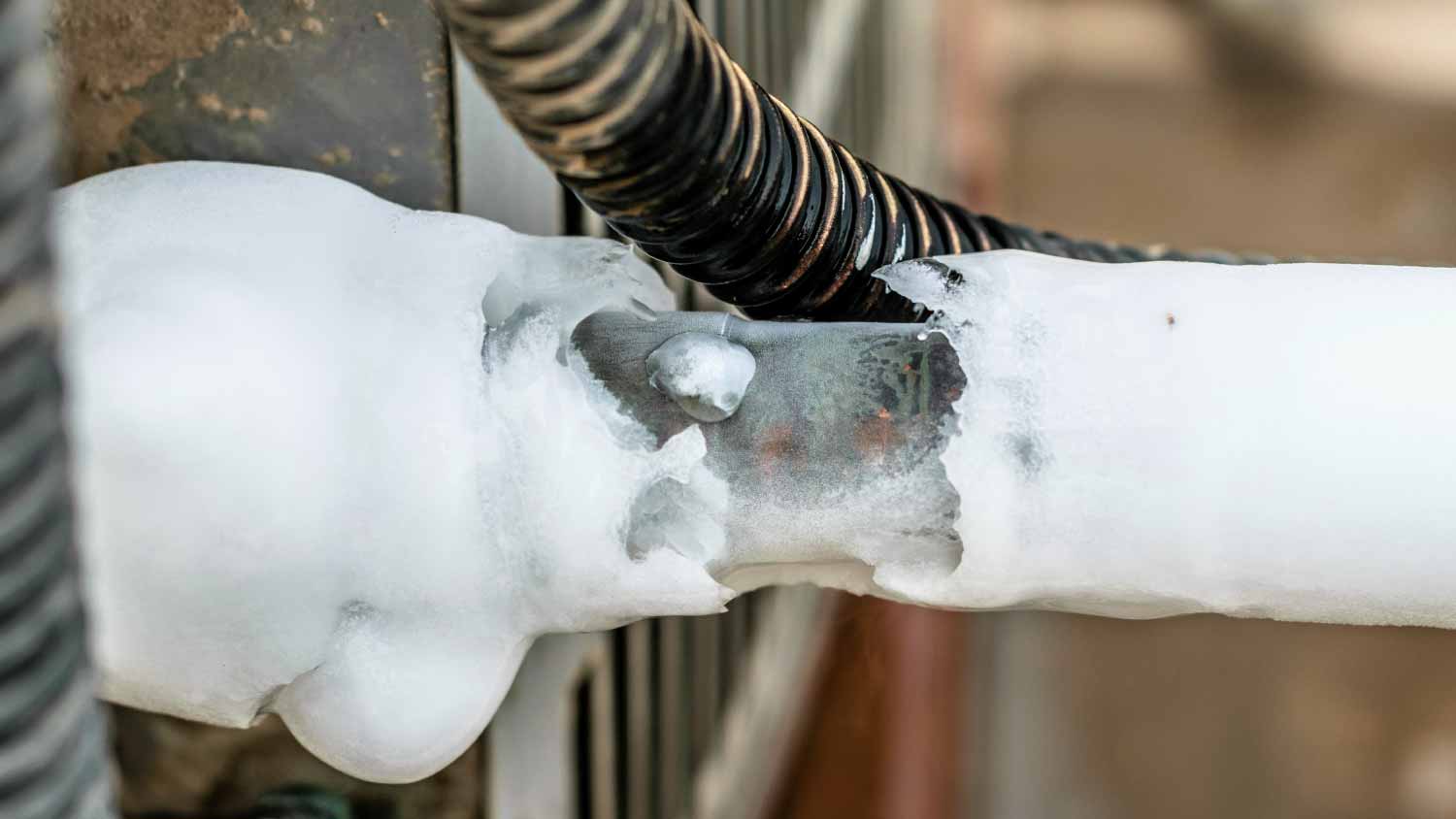
Ice builds up on the coils inside the air conditioner. The coils get too cold and freeze the moisture in the air. This ice stops the unit from cooling properly.
You may see thick ice or frost on the coils or around the unit. This is a strong sign the system is frozen and needs attention.
Reduced Cooling Efficiency
A frozen air conditioner cannot cool your home well. The ice blocks airflow and stops heat from moving out. You will notice the room stays warm or does not cool fast.
If your air conditioner runs longer but still feels warm, it might be frozen inside.
Unusual Noises
Frozen parts can cause strange sounds. You might hear banging, rattling, or hissing noises. These sounds come from ice blocking moving parts or the compressor working hard.
Pay attention to new or loud noises. They often warn of ice buildup in the system.
Water Leaks Around Unit
When ice melts, it turns into water. This water can leak near or under the air conditioner. You may see puddles or wet spots around the unit.
Water leaks happen because the drain is blocked or ice is melting too fast. Check for leaks to avoid water damage at home.
Step-by-step Quick Fixes
Air conditioners freeze over for several reasons. This can stop your AC from cooling properly.
Try these quick fixes to get your AC working again. Follow each step carefully.
Turn Off The Ac Unit
First, turn off your air conditioner. This lets the ice melt safely without damage.
Keep the AC off until all ice is gone. This could take a few hours.
Check And Replace Air Filters
Dirty air filters block airflow. This causes the AC to freeze up.
Look at your air filter. If it looks dirty, replace it with a new one.
- Turn off the unit before replacing filters.
- Use the filter size recommended by the manufacturer.
- Clean or replace filters every 1-3 months.
Inspect And Clear Drain Lines
Clogged drain lines trap water inside the AC. This can cause freezing.
Check the drain line for blockages like dirt or algae. Clear it if needed.
- Use a wet/dry vacuum to clear the drain line.
- Flush the line with a mixture of water and vinegar.
- Keep the drain line clean to prevent future clogs.
Reset The Thermostat
A wrong thermostat setting can cause the AC to freeze. Resetting can help.
Turn off the thermostat for a few minutes. Then set it back to a normal temperature.
- Set the thermostat to at least 75°F (24°C).
- Use “Auto” mode instead of “On” for the fan.
- Check batteries if the thermostat is battery powered.
Schedule Professional Refrigerant Check
Low refrigerant levels cause the AC to freeze. Only a pro can check this safely.
Call a technician to inspect and refill refrigerant if needed. Do not try this yourself.
- Look for signs like ice buildup or poor cooling.
- Technicians use special tools to check refrigerant.
- Regular maintenance prevents refrigerant problems.
Preventive Maintenance Tips
Air conditioners can freeze over if they are not properly maintained. This causes poor cooling and can damage the unit. Simple preventive care helps keep your AC working well.
Regular checks and cleaning can stop freezing issues before they start. Follow these tips to keep your air conditioner in good shape.
Regular Filter Cleaning
Dirty filters block airflow and make the AC work harder. This can cause ice to form on the coils. Clean your filters every 1 to 2 months during use.
Washing or replacing filters keeps air flowing freely. This stops the unit from freezing and improves air quality.
- Turn off the AC before cleaning filters
- Remove the filter gently from the unit
- Use water or a vacuum to clean the filter
- Let the filter dry completely before reinstalling
- Replace filters if they are torn or very dirty
Routine Professional Inspections
Experts check your AC for hidden problems. They find issues like leaks or broken parts that cause freezing. Schedule an inspection once a year.
Technicians clean coils, check electrical connections, and measure system pressure. This helps keep your AC running smoothly and prevents ice build-up.
- Inspect coil cleanliness and condition
- Check refrigerant levels and pressure
- Test thermostat and controls
- Look for air leaks and blockages
- Clean drain lines and pans
Keep Vents Unblocked
Blocked vents reduce airflow and cause the AC to freeze. Make sure furniture, curtains, or debris don’t cover vents. Clear vents allow air to move freely.
Check vents regularly and remove any obstacles. Clean vent covers to remove dust and dirt that can slow air movement.
- Do not place furniture in front of vents
- Keep curtains away from vent openings
- Vacuum vent covers monthly
- Remove dust and debris from vents
- Ensure return air vents are clear
Maintain Proper Refrigerant Levels
Low refrigerant makes the AC freeze because the coils get too cold. Only trained technicians should check and refill refrigerant. Never add refrigerant yourself.
Proper refrigerant keeps the system balanced. This helps the air conditioner cool well without freezing up.
- Hire certified professionals for refrigerant checks
- Fix leaks before refilling refrigerant
- Use the correct type of refrigerant for your AC
- Regularly monitor system performance
- Schedule refrigerant service yearly
When To Call A Professional
Air conditioners can freeze over for many reasons. Some fixes are simple, but others need expert help.
Knowing when to call a professional saves time and prevents damage to your AC unit.
Persistent Freezing Issues
If your air conditioner freezes repeatedly, it is a sign of deeper problems. These problems might not clear with basic cleaning or resetting.
- Ice builds up quickly after thawing.
- Unit stops cooling even after defrost.
- Frequent shutdowns to prevent damage.
Professionals use special tools to find hidden issues causing the freeze.
Refrigerant Handling
Low or leaking refrigerant often causes freezing. Handling refrigerant requires special training and certification.
| Reason | Why Call a Pro |
| Refrigerant Leak | Need to locate and fix leaks safely |
| Refrigerant Recharge | Proper measurement and refill required |
| Environmental Safety | Prevent harmful release of chemicals |
Incorrect handling can harm the environment and damage your AC system.
Complex Component Repairs
Frozen AC units may have broken or worn parts like fans, thermostats, or sensors. These parts need expert diagnosis and repair.
Experts check these key parts:
- Evaporator coil condition
- Compressor performance
- Fan motor and blades
- Thermostat and sensors
Trying to fix these without skills can cause more damage and cost more later.
Credit: www.angi.com
Frequently Asked Questions
Why Do Air Conditioners Freeze Up?
Air conditioners freeze when airflow is restricted or refrigerant levels are low. This causes moisture to freeze on the coils, blocking cooling. Dirty filters, blocked vents, or low refrigerant cause this issue.
Can Dirty Filters Cause Ac Freezing?
Yes, dirty filters reduce airflow, causing coil temperatures to drop. This leads to ice buildup on the AC coils and freezing problems. Regular filter cleaning prevents this issue.
How Does Low Refrigerant Cause Ac Freezing?
Low refrigerant lowers pressure in the system, causing coil temperatures to fall below freezing. Moisture then freezes on coils, leading to ice buildup and freezing issues.
What Happens If An Ac Freezes Over?
A frozen AC reduces cooling efficiency and can damage the compressor. It may cause the system to shut down. Prompt maintenance is necessary to avoid costly repairs.
Conclusion
Freezing air conditioners can frustrate many homeowners. Causes range from low refrigerant to blocked airflow. Regular maintenance helps prevent these issues. Check filters and vents often. Clean coils and ensure proper airflow. Keep refrigerant levels in check. Address problems quickly to avoid costly repairs.
Stay informed about your AC system’s health. Understanding these basics can make a difference. A well-maintained unit ensures comfort. Save money and energy by avoiding freezes. Follow these tips and enjoy a smooth-running air conditioner.