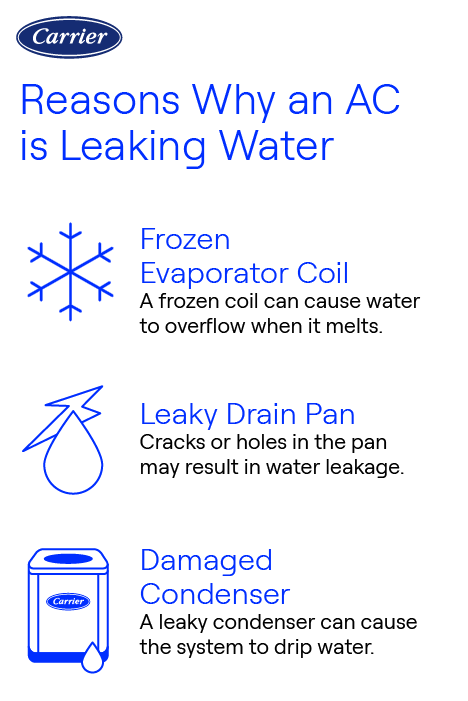
Have you ever noticed water dripping from your air conditioner and wondered why it’s leaking? It’s a common problem that can cause damage to your home and disrupt your comfort.
Understanding why your air conditioner leaks water helps you fix the issue quickly and avoid costly repairs. You’ll discover the main reasons behind those annoying drips and learn simple steps to stop the leaks for good. Keep reading to protect your home and keep your AC running smoothly.
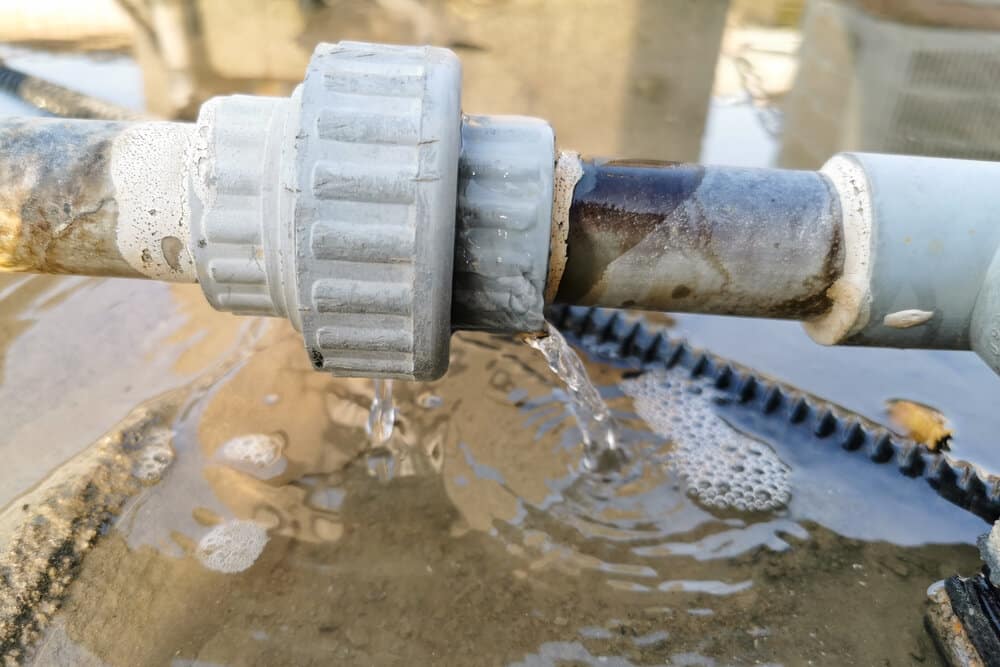
Credit: fischerheating.com
Common Causes Of Ac Water Leaks
Air conditioners can leak water for several reasons. Knowing these causes helps you fix the problem fast.
Water leaks may damage your home and reduce AC efficiency. Let’s explore common causes of these leaks.
Clogged Drain Line
The drain line removes water from your AC system. Dirt and debris can block this line.
A clogged drain line causes water to back up and leak inside the house.
- Dirt and mold buildup
- Leaves or small debris
- Algae growth inside the pipe
Frozen Evaporator Coils
Evaporator coils cool the air inside your home. Low airflow or dirt can freeze these coils.
When the ice melts, it creates excess water that your drain pan cannot handle.
- Dirty air filters reduce airflow
- Blocked vents limit air movement
- Low refrigerant makes coils too cold
Improper Installation
AC units must be installed correctly to drain water well. Bad installation causes leaks.
If the unit is not level, water may spill out instead of draining.
- Unleveled unit causes water pooling
- Drain pipes not connected tightly
- Wrong pipe slope blocks water flow
Damaged Drain Pan
The drain pan collects water from the evaporator coils. Over time, it can crack or rust.
Damaged pans let water leak outside the AC unit, causing puddles or stains.
- Rust weakens metal pans
- Cracks form from wear and tear
- Improper maintenance speeds damage
Low Refrigerant Levels
Refrigerant cools the air inside the AC. Low levels cause evaporator coils to freeze.
Frozen coils melt and create extra water that leaks from the system.
- Leaks in refrigerant lines
- Improper charging during installation
- Natural loss over time

Credit: honorservices.com
Signs Of A Leaking Air Conditioner
Air conditioners can leak water for many reasons. It is important to spot the signs early.
Detecting leaks helps you avoid damage to your home and keeps the AC working well.
Water Puddles Near Unit
Water puddles around your air conditioner show that the unit is leaking. This happens when the drain line is clogged or broken.
- Puddles under the indoor or outdoor unit
- Wet spots on the floor or ground near the unit
- Dripping sounds coming from the AC
Reduced Cooling Efficiency
If your AC leaks water, it may not cool your home well. This happens because the system loses coolant or freezes up.
| Cause | Effect on Cooling |
| Clogged Drain Line | Low cooling output |
| Frozen Evaporator Coil | Warm air from vents |
| Low Refrigerant | Longer cooling times |
Musty Odors
Leaking water creates damp areas in your AC. This dampness causes mold and mildew. Mold smells musty and can spread in the air.
Check for these signs of mold:
- Smell of damp or mildew near AC vents
- Black or green spots inside the unit
- Increased allergy symptoms
Unusual Noises
Water leaks can cause parts of the AC to rust or loosen. This leads to strange noises when the unit runs.
Listen for these sounds:
- Dripping or splashing water
- Hissing or bubbling near the pipes
- Clanking or rattling inside the unit
Fixing Drain Line Issues
Air conditioners can leak water if the drain line is clogged or broken. The drain line carries water away from the unit. Fixing issues with the drain line stops leaks and keeps your AC working well.
Cleaning and maintaining the drain line helps prevent blockages. Using tools like a wet vacuum can clear tough clogs. Regular checks keep the system running smoothly and avoid water damage.
Cleaning The Drain Line
Cleaning the drain line removes dirt and mold that block water flow. Use a mixture of water and vinegar to flush the line. This keeps the drain clear and stops leaks.
Pour the vinegar solution slowly into the drain line opening. Let it sit for 30 minutes to break down buildup. Then, flush with clean water to rinse out debris.
Using A Wet Vacuum
A wet vacuum can suck out clogs in the drain line. Attach the vacuum to the line’s end and turn it on. The suction pulls out dirt and water blocking the pipe.
This method works well for strong blockages that cleaning alone cannot remove. Be sure to seal the vacuum hose tightly for the best suction.
Regular Maintenance Tips
Check the drain line every few months to catch problems early. Clean it with vinegar solution regularly to avoid buildup. Keep the area around the AC unit clean and dry.
- Inspect the drain line for cracks or leaks
- Flush the drain line with vinegar every 3 months
- Use a wet vacuum if you notice slow drainage
- Keep the AC unit and its surroundings clean
- Replace old or damaged drain lines promptly
Dealing With Frozen Coils
Air conditioners sometimes leak water because their coils freeze. Frozen coils block normal airflow. This causes water to drip from the unit.
Knowing why coils freeze and how to fix them helps stop leaks. It also keeps the AC working well.
Causes Of Coil Freezing
Coils freeze when cold air meets moisture. This happens for many reasons. Low refrigerant, dirty filters, or blocked airflow cause freezing.
- Low refrigerant lowers coil temperature
- Dirty air filters reduce airflow
- Blocked vents stop air from reaching coils
- Thermostat set too low
- Fan not working properly
Thawing Methods
To thaw frozen coils, turn off the AC unit. Let the ice melt naturally to avoid damage. Use a fan to speed up the process if needed.
Never use sharp objects to chip ice off coils. This can cause leaks or other problems.
- Switch off the air conditioner
- Allow ice to melt at room temperature
- Use a fan to move warm air over coils
- Check and fix airflow issues before restarting
Preventive Measures
Prevent coil freezing by keeping the AC clean and well-maintained. Change filters regularly and keep vents open. Check refrigerant levels yearly.
- Replace or clean air filters monthly
- Keep vents and registers clear
- Schedule annual AC service
- Do not set thermostat too low
- Fix fan or blower issues quickly
Repairing Or Replacing The Drain Pan
Air conditioners can leak water when the drain pan is damaged or clogged. The drain pan collects water from the evaporator coil and directs it outside. Fixing or replacing the drain pan can stop leaks and protect your home.
Knowing when to repair or replace the drain pan helps keep your AC working well. This guide explains how to check the pan and what to do next.
Inspecting For Damage
Start by turning off the air conditioner and removing the access panel. Look at the drain pan for cracks, rust, or holes. Also, check if the pan is clogged with dirt or algae.
Even small cracks can cause leaks. Rust weakens the pan and leads to water spills. Make sure the pan is properly aligned under the evaporator coil.
- Check for visible cracks or holes
- Look for rust or corrosion
- Remove any dirt or algae buildup
- Ensure the pan is correctly positioned
Temporary Fixes
If the drain pan has minor damage, you can apply a temporary fix. Clean the pan well and dry it before patching. Use waterproof tape or a sealant made for metal or plastic.
These fixes stop leaks for a short time. Keep checking the pan often and drain it if water collects. Temporary fixes are not a long-term solution.
- Clean and dry the pan
- Apply waterproof tape or sealant
- Check the pan regularly
- Empty water from the pan if needed
When To Replace
Replace the drain pan if damage is large or the pan is rusted through. Also, replace it if temporary fixes do not stop leaks. A new drain pan will prevent water damage and improve AC function.
Use the right size and material for your AC model. Installing the pan correctly is important to avoid future leaks and problems.
- Large cracks or holes
- Severe rust or corrosion
- Leaks continue after repairs
- Incorrect size or fit
Ensuring Proper Installation
Water leaks from air conditioners often happen due to poor installation. Proper setup helps avoid these leaks and keeps your home comfortable.
Checking the unit’s position, sealing, and hiring experts can prevent water problems. Let’s explore these key points.
Correct Unit Positioning
Positioning the air conditioner correctly is essential. The unit must be slightly tilted to allow water to drain outside. If it is flat or tilted inward, water may collect and leak inside.
Sealing And Insulation
Good sealing stops warm air from entering the system. This reduces condensation and water buildup. Insulation around pipes also helps prevent leaks.
- Seal gaps around the unit
- Use weatherproof materials
- Insulate refrigerant lines properly
- Check seals regularly for damage
Professional Installation Benefits
| Benefit | Description |
|---|---|
| Correct Setup | Experts position and seal units to prevent leaks. |
| Quality Work | They use the right tools and materials for lasting results. |
| Warranty Protection | Professional installation often keeps warranties valid. |
| Safety | Technicians follow safety rules to avoid damage or injury. |
Managing Refrigerant Levels
Air conditioners use refrigerant to cool your home. Proper refrigerant levels keep the system working well. Too little refrigerant can cause leaks and damage.
Checking and managing refrigerant levels helps stop water leaks in your air conditioner. It also keeps the unit efficient and safe.
Signs Of Low Refrigerant
Low refrigerant affects how your air conditioner cools. Watch for these signs to catch the problem early.
- Warm air blowing from vents
- Longer cooling cycles than usual
- Ice forming on the coils
- Hissing sounds near the unit
- Increased energy bills
Recharging Process
Recharging adds the right amount of refrigerant to your system. This must be done carefully to avoid damage.
- Locate the service valves on your AC unit.
- Connect the refrigerant gauge set to measure pressure.
- Check the system pressure against the manufacturer’s specs.
- Add refrigerant slowly if levels are low.
- Monitor pressure to avoid overcharging.
- Disconnect tools and test the AC performance.
Preventing Future Leaks
Preventing leaks saves money and extends your air conditioner’s life. Regular care helps maintain proper refrigerant levels.
| Tip | Action |
| Inspect for damage | Check coils and pipes for cracks or rust. |
| Clean regularly | Remove dirt and debris from coils and filters. |
| Schedule maintenance | Hire a professional to check refrigerant and system health. |
| Fix leaks quickly | Repair any leaks to prevent refrigerant loss. |
Preventive Maintenance Tips
Water leaks from air conditioners can cause damage and reduce cooling efficiency. Preventive maintenance helps stop leaks before they start.
Regular care keeps your AC running smoothly and avoids costly repairs. Here are some key tips to follow.
Regular Inspections
Check your air conditioner often to spot any signs of leaks or damage. Look for water stains or dampness near the unit.
- Inspect the drain pan for cracks or rust
- Ensure the condensate drain line is clear and flowing
- Look for ice build-up on the coils that may cause dripping
Filter Cleaning And Replacement
Dirty filters block airflow and cause the coils to freeze. This leads to water leaks when ice melts.
| Filter Task | How Often |
| Clean reusable filters | Every 1 month |
| Replace disposable filters | Every 3 months |
| Check filter condition | Monthly |
Scheduling Professional Tune-ups
Have a qualified technician service your air conditioner yearly. They can fix hidden problems and clean hard-to-reach parts.
- Check refrigerant levels
- Inspect and clean evaporator and condenser coils
- Test thermostat settings and controls
- Examine electrical connections
- Clear the condensate drain line professionally
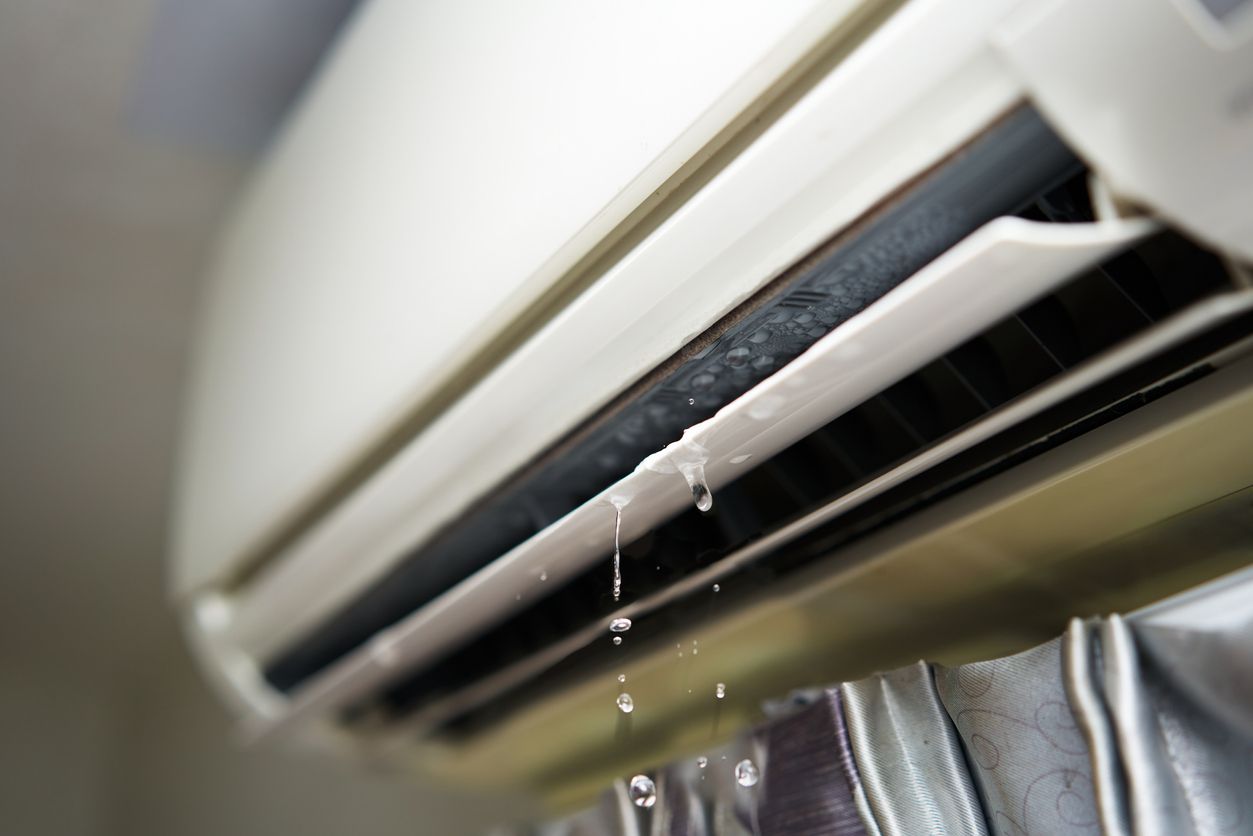
Credit: www.schaafsma.com
Frequently Asked Questions
Why Is My Air Conditioner Leaking Water Indoors?
Indoor leaks usually happen due to clogged drain lines or frozen evaporator coils. These issues block water drainage, causing leaks inside.
Can Dirty Air Filters Cause Ac Water Leaks?
Yes, dirty filters restrict airflow, causing coils to freeze and melt water to overflow, leading to leaks.
How Does Improper Installation Cause Ac Water Leakage?
Incorrect installation can misalign the unit’s drainage system, causing water to leak instead of draining properly.
Does Low Refrigerant Level Lead To Ac Water Leaks?
Low refrigerant causes coils to freeze and drip excess water when melting, which results in leaks.
Conclusion
Air conditioners leak water mainly due to clogged drains or frozen coils. Regular cleaning helps stop leaks and keeps the unit working well. Small issues, like a blocked drain pipe, can cause big problems over time. Pay attention to your AC’s condition to avoid water damage at home.
Simple maintenance and timely repairs save money and hassle. Stay aware of signs like dripping or pooling water. A well-maintained AC keeps your space cool and dry. Easy steps can prevent leaks and improve comfort.