Have you ever noticed your car tires feeling a bit soft, even when you just filled them up? It’s frustrating and can be dangerous.
But why do car tires lose air in the first place? Understanding this can save you time, money, and even keep you safe on the road. You’ll discover the common reasons behind tire air loss and simple steps you can take to keep your tires in top shape.
Keep reading—you might be surprised at how easy it is to prevent this common problem!

Credit: x.com
Common Reasons For Air Loss
Car tires lose air over time for many reasons. Some causes are easy to spot, while others need a closer look.
Knowing why your tire loses air can help you fix it faster and keep driving safely.
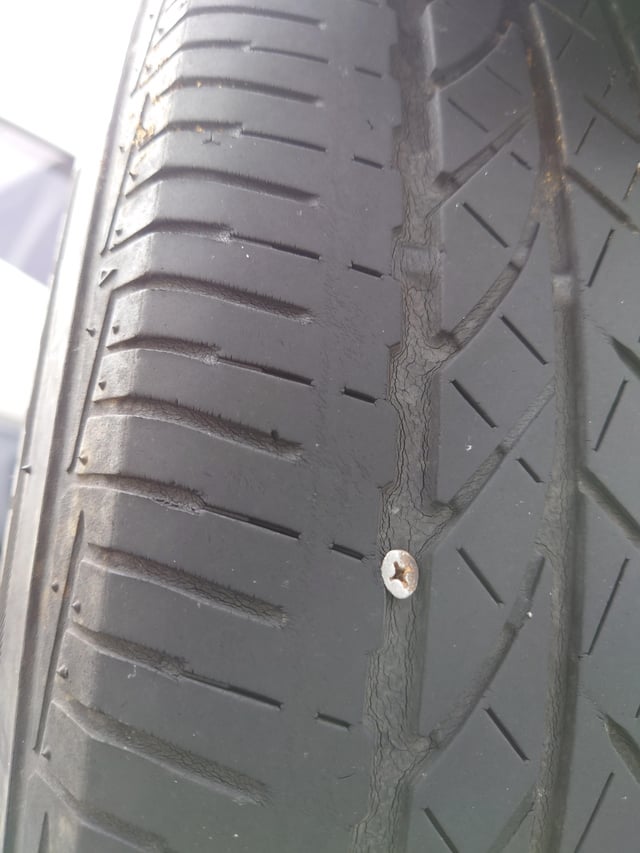
Punctures And Nail Penetrations
Punctures happen when sharp objects like nails or glass poke holes in tires. These holes let air escape slowly or quickly.
Small nails can cause slow leaks that are hard to notice at first. Bigger holes make air leak fast and need quick repair.
Valve Stem Issues
The valve stem lets you add air to the tire. If it is damaged or dirty, air can leak out from the valve.
Sometimes the valve core inside the stem loosens or breaks, causing slow air loss. Checking and replacing the valve stem fixes this.
Bead Leaks At The Rim
The bead is where the tire touches the rim. If the seal is not tight, air can leak from this area.
Dirt, rust, or damage on the rim can stop the tire from sealing properly. Cleaning or repairing the rim helps stop air loss here.
Temperature Fluctuations
Air inside tires expands and contracts with temperature changes. Cold weather can lower tire pressure quickly.
Check tire pressure often during winter or sudden weather changes to keep tires safe and properly inflated.
Impact Of Tire Age And Wear
Tires lose air over time due to natural wear and aging. Old tires develop problems that cause slow leaks. Understanding these issues helps keep tires safe and reliable.
Aging and wear affect the tire’s material and structure. This damage can lead to cracks, dry rot, and worn surfaces. These problems reduce the tire’s ability to hold air.
Cracks And Dry Rot
Cracks appear on tires as the rubber dries out and loses flexibility. Dry rot happens when the tire is exposed to sunlight, heat, and ozone over time. These conditions break down the tire’s rubber compounds.
- Cracks allow air to escape slowly from the tire.
- Dry rot weakens the tire’s surface, causing leaks.
- Older tires with dry rot are more likely to fail suddenly.
- Regular checks for cracks help prevent air loss.
Worn Tread And Sidewalls
Worn tread reduces grip and exposes the tire to damage. Sidewalls can also wear down from impacts and road hazards. Both areas are crucial for keeping air sealed inside the tire.
| Wear Type | Effect on Air Retention | Signs to Watch |
| Tread Wear | Less protection, more leaks | Shallow grooves, bald spots |
| Sidewall Wear | Risk of punctures and cracks | Bulges, cuts, scuffs |
Environmental Factors
Car tires can lose air because of different environmental reasons. These factors can cause slow leaks or sudden air loss. Understanding these helps keep tires in good shape.
Two main environmental causes are road hazards and exposure to chemicals. Both can damage tires and reduce air pressure over time.
Road Hazards And Debris
Road hazards like sharp objects and rough surfaces can puncture tires. Small nails, glass, and stones often get stuck in the tire tread. Over time, these cause air to leak slowly.
- Potholes create sudden impacts that harm tires.
- Sharp debris can pierce tire walls.
- Uneven roads cause extra stress on tires.
- Road salt and gravel wear down tire rubber.
Exposure To Chemicals And Oils
Chemicals and oils on the road can damage tires. These substances soften the rubber and make it weaker. Tires lose air more easily after chemical exposure.
| Chemical Type | Effect on Tire | Common Sources |
| Petroleum Oils | Softens rubber, causes cracks | Oil spills, motor oil leaks |
| Road Salt | Corrodes metal parts inside tires | Winter road treatments |
| Fuel Spills | Weakens tire structure | Gas stations, accidents |

Credit: americandreamautoprotect.com
Maintenance Mistakes
Car tires lose air for many reasons. One common cause is maintenance mistakes. These errors can make tires lose pressure quickly.
Proper care helps tires keep air longer. Avoiding common mistakes extends tire life and improves safety.
Improper Inflation Practices
Not inflating tires to the right pressure causes air loss. Overinflation or underinflation can damage tires.
Using the wrong pressure makes tires wear unevenly. This leads to slow leaks and weak spots on the tire.
- Check tire pressure monthly with a gauge.
- Use the car manufacturer’s recommended pressure.
- Inflate tires when they are cold for accuracy.
- Avoid topping off air too often without checking pressure.
Neglecting Regular Tire Inspections
Skipping tire checks can hide problems like nails or cracks. These issues cause slow air leaks.
Look for signs of damage and uneven wear. Catching problems early helps keep tires properly inflated.
- Inspect tires for cuts, nails, or punctures.
- Check for bulges or cracks on the sidewalls.
- Look at tread wear and alignment issues.
- Replace or repair damaged tires quickly.
Hidden Causes To Consider
Car tires often lose air without an obvious reason. Some causes are hidden and need careful checking. Knowing these helps keep your tires safe and in good shape.
We will look at three common hidden reasons why tires lose air. These include issues with the rim seals, internal damage, and tiny punctures that leak slowly.
Faulty Rim Seals
The rim seal is where the tire meets the wheel rim. If this seal is faulty, air can escape slowly. Dirt, rust, or damage can cause the seal to fail.
Faulty rim seals often cause small leaks that are hard to spot. Cleaning the rim and checking for rust helps find problems early.
Internal Tire Damage
Inside the tire, damage can weaken its structure. This damage may come from hitting curbs or potholes. It can cause slow air loss over time.
Internal damage is not always visible from outside. A professional inspection can find hidden tears or weak spots inside the tire.
Slow Leaks From Micro Punctures
Micro punctures are tiny holes that let air escape very slowly. These often come from small sharp objects like thorns or nails. You may not notice them at first.
Slow leaks cause tires to lose pressure gradually. Checking tires regularly and fixing punctures quickly keeps your tires safe.
- Micro punctures are hard to see
- Leaks may take days or weeks to show
- Professional repair can seal micro punctures
Tips To Prevent Air Loss
Car tires lose air over time due to small leaks and changes in temperature. Keeping the right air pressure is important for safe driving and tire life.
These tips help you prevent air loss and keep your tires in good condition.
Routine Pressure Checks
Check your tire pressure regularly using a reliable gauge. Proper pressure improves fuel efficiency and tire wear.
- Check pressure when tires are cold, before driving.
- Use the pressure recommended by your car’s manual.
- Inspect all tires, including the spare tire.
- Adjust pressure if needed to match recommended levels.
Using Quality Tire Valves
Tire valves control air flow and stop leaks. Using good quality valves helps keep air inside the tire longer.
| Valve Type | Benefit |
| Rubber Valve | Common, but may crack over time |
| Metal Valve | More durable and leak-resistant |
| Valve Caps | Protect from dirt and moisture |
Professional Tire Maintenance
Regular checks by professionals can spot problems that cause air loss. They fix leaks and replace worn parts.
Professional tire care includes:
- Inspecting tire tread and sidewalls for damage
- Balancing and aligning wheels
- Repairing punctures and replacing valves
- Rotating tires to ensure even wear

Credit: www.allenturnerchevrolet.com
Frequently Asked Questions
Why Do Car Tires Lose Air Over Time?
Car tires naturally lose air due to tiny pores in the rubber. Temperature changes also cause air pressure to drop. Regular checks help maintain proper inflation and improve tire life and safety.
Can Punctures Cause Tires To Lose Air Quickly?
Yes, punctures from nails or sharp objects create holes. These holes allow air to escape rapidly. Immediate repair or replacement is essential to prevent flats or accidents.
How Does Temperature Affect Tire Air Pressure?
Cold weather contracts air inside tires, lowering pressure. Hot weather expands air, increasing pressure. Regularly adjusting tire pressure with seasons ensures optimal performance and safety.
Does Valve Stem Damage Lead To Air Loss?
Damaged or corroded valve stems can leak air. Valve stems are a common source of slow leaks. Inspecting and replacing faulty stems prevents unexpected air loss.
Conclusion
Car tires lose air for several simple reasons. Small holes, temperature changes, or old valves cause leaks. Regular checks keep tires safe and last longer. Proper tire pressure improves driving comfort and fuel use. Fixing leaks early avoids bigger problems on the road.
Stay aware, check tires often, and drive with confidence. Tire care saves money and keeps you safe. Easy steps make a big difference for your car.