Have you ever wondered why fresh eggs from a farm don’t need to be kept in the fridge, while store-bought eggs always do? It might surprise you to learn that refrigeration isn’t always necessary—and understanding why can help you keep your eggs fresher, longer.
You’ll discover the simple science behind fresh eggs and how their natural coating protects them. Knowing this can change the way you store eggs at home and even save you money. Keep reading, and you’ll unlock the secrets to handling eggs like a pro.
Credit: foodsafetyworks.com
Egg Structure And Protection
Eggs have a unique structure that protects their freshness. This natural design helps keep out bacteria and moisture. Understanding the egg’s protective layers explains why fresh eggs do not always need refrigeration.
Natural Egg Coating
Fresh eggs have a thin, waxy layer called the cuticle. This coating covers the shell’s surface. It seals tiny pores and blocks germs from entering. The cuticle also slows down moisture loss, keeping the egg fresh longer. Washing eggs removes this protective layer, making refrigeration more important.
Shell Porosity
The eggshell is hard but full of tiny holes called pores. These pores allow air and moisture to pass slowly. The cuticle seals many pores to control this flow. This balance keeps the inside of the egg safe and fresh. Porosity helps the egg “breathe” without spoiling quickly.

Credit: forksinthedirt.com
Freshness And Bacteria Growth
When it comes to eggs, freshness is key to maintaining their quality and safety. Surprisingly, fresh eggs don’t always need to be refrigerated. Understanding how bacteria grow and how temperature influences this process can help you make informed decisions about egg storage.
How Bacteria Enter Eggs
Bacteria typically enter eggs through small pores in the shell. These pores are minute and not visible to the naked eye, yet they provide a pathway for bacteria. The protective cuticle or bloom on fresh eggs significantly reduces this risk by sealing the pores naturally.
Imagine picking eggs directly from a henhouse. These eggs have a natural barrier against bacteria, thanks to this bloom. Washing eggs can remove this protective layer, making refrigeration more crucial to prevent bacterial entry.
Role Of Temperature In Bacterial Growth
Temperature plays a vital role in bacterial growth. In warmer conditions, bacteria multiply rapidly, compromising the egg’s safety. Keeping eggs at a cooler temperature slows down bacterial growth significantly.
In many parts of the world, fresh eggs are left at room temperature because the natural barriers are intact. However, once you wash or refrigerate them, maintaining a consistent cold environment is essential to prevent bacterial development.
Consider your kitchen environment. If your home is warm, it might be wise to refrigerate eggs to ensure they remain safe. However, in cooler climates, fresh, unwashed eggs can safely sit on the counter for several days.
Now, think about your egg handling practices. Could you be unknowingly removing their natural defenses? Adjusting how you manage fresh eggs can extend their shelf life and keep them safe without always resorting to the fridge.
Differences Between Countries
Different countries handle egg storage in unique ways, which explains why fresh eggs don’t always require refrigeration. These differences come down to how eggs are treated right after they’re laid and the rules set by local authorities. Understanding these variations can help you make better choices about storing eggs in your own kitchen.
Egg Washing Practices
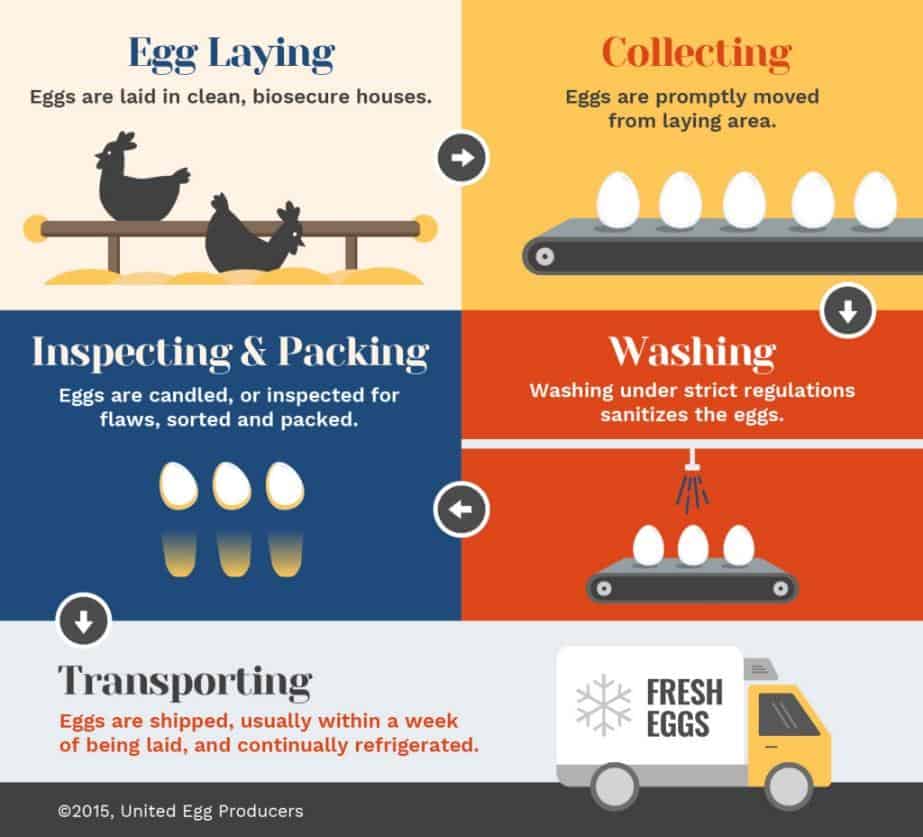
In some countries, like the United States, eggs are washed soon after collection to remove dirt and bacteria. This process strips away the egg’s natural protective layer, called the cuticle, making the eggs more vulnerable to bacteria unless refrigerated.
In contrast, many European countries avoid washing eggs. They trust the natural cuticle to protect the egg and prefer to keep it intact. This means eggs there can stay fresh longer at room temperature without spoiling.
Have you ever noticed the difference in egg cartons when traveling? It’s a simple sign of how treatment affects storage needs.
Regulations And Storage Methods
Regulations play a big role in egg storage habits. In the US, the USDA requires eggs to be refrigerated to reduce salmonella risks. This rule leads to the common practice of cold storage in homes and stores.
Meanwhile, in many European countries, laws emphasize maintaining the egg’s natural defenses rather than refrigeration. Vendors often store eggs at room temperature, and you won’t typically find them in the fridge aisle.
This raises an interesting question: could your local egg storage methods be influenced more by regulation than by actual food safety needs? Considering this might change how you handle your eggs at home.

Credit: chiceats.com
Storing Eggs Without Refrigeration
Storing eggs without refrigeration is common in many parts of the world. Fresh eggs have a natural coating called the bloom. This coating protects eggs from bacteria and moisture loss. It keeps eggs fresh longer outside the fridge. Understanding proper storage helps keep eggs safe and tasty.
Ideal Storage Conditions
Keep eggs in a cool, dry place away from direct sunlight. Avoid places with strong smells because eggs absorb odors easily. A pantry or cupboard works well. Store eggs with the pointed end down to keep the yolk centered. Use a clean container or carton to protect eggs from damage. Maintain a stable temperature around 50°F to 70°F (10°C to 21°C).
Shelf Life Of Fresh Eggs
Fresh eggs can last up to three weeks without refrigeration. The bloom slows down the aging process. Check eggs by placing them in water; fresh eggs sink, old eggs float. Use eggs within two to three weeks for best quality. Always inspect eggs for cracks or bad smells before use. Proper storage extends freshness and reduces waste.
When Refrigeration Becomes Necessary
Fresh eggs have a natural protective layer called the “bloom” that keeps bacteria out and moisture in. This is why they don’t need to be refrigerated right away. However, there are moments when this natural defense is compromised, making refrigeration necessary to keep your eggs safe and fresh.
After Egg Washing
Washing eggs removes the protective bloom. Once that layer is gone, the eggshell becomes porous and vulnerable to bacteria. This is why in many countries, eggs must be refrigerated after washing to prevent contamination.
If you buy eggs from a store, they have likely been washed and should be kept in the fridge. But if you collect eggs from your backyard coop and don’t wash them, you can safely store them at room temperature for a while.
Extended Storage
Even unwashed eggs won’t last forever outside the fridge. After about a week or two, refrigeration becomes important to slow down spoilage and bacterial growth. If you don’t plan to use your eggs within that time, it’s smarter to refrigerate them.
Think about how often you actually use eggs at home. If you buy in bulk or have a large supply, refrigeration helps keep them fresh longer and reduces waste. Would you rather risk spoilage or keep them chilled for peace of mind?
Common Myths About Egg Storage
Many people believe fresh eggs must always be refrigerated to stay safe and tasty. This idea spreads widely but is not always true. Understanding how eggs are stored around the world helps clear up common myths. Fresh eggs have a natural coating that protects them from bacteria and moisture loss. This coating often disappears after washing, which is why some eggs need refrigeration.
Egg storage depends on how eggs are processed and handled before reaching your home. Different countries use various methods, affecting how eggs should be stored. Learning these facts helps avoid confusion and keeps eggs fresh without unnecessary refrigeration.
Refrigeration And Taste
Many believe refrigerating eggs improves their taste. Actually, cold eggs can absorb odors from other foods in the fridge. This can change their natural flavor. Room temperature eggs keep their original taste better. Also, cold eggs take longer to cook evenly. For the best flavor, use eggs fresh and at room temperature.
Egg Temperature Shock
Taking eggs from cold to warm places causes temperature shock. This makes moisture form on the shell. Moisture allows bacteria to enter the egg easily. Keeping eggs at a steady temperature avoids this problem. Storing eggs in one place, either cold or room temperature, helps maintain their freshness longer.
Frequently Asked Questions
Why Don’t Fresh Eggs Require Refrigeration?
Fresh eggs have a natural protective coating called the bloom. This coating prevents bacteria from entering. Refrigeration removes this coating, making eggs more vulnerable. Therefore, fresh eggs can be safely stored at room temperature for several weeks.
How Does The Bloom Protect Fresh Eggs?
The bloom seals the eggshell’s pores, blocking bacteria and moisture loss. This natural barrier keeps eggs fresh longer without refrigeration. Once washed, the bloom is removed, which is why store-bought eggs need chilling.
Can Unrefrigerated Eggs Stay Safe To Eat?
Yes, as long as eggs are fresh and unwashed, they stay safe. The bloom helps maintain freshness and prevents contamination. However, once eggs are washed or refrigerated, they must stay cold to avoid spoilage.
Why Do Some Countries Refrigerate Eggs, Others Don’t?
Egg refrigeration depends on local food safety rules and egg processing. In the U. S. , eggs are washed, removing the bloom, requiring refrigeration. In Europe, eggs aren’t washed, so refrigeration isn’t necessary, keeping the bloom intact.
Conclusion
Fresh eggs keep their natural coating, which blocks bacteria well. This coating helps eggs stay safe without cold storage. Storing eggs at room temperature is common in many countries. It saves energy and keeps eggs fresh longer outside the fridge.
Remember to keep eggs in a cool, dry place away from sunlight. Always check eggs for cracks before use. Proper handling ensures eggs stay safe to eat. Understanding why fresh eggs don’t need refrigeration helps you store them better. Simple care can keep eggs fresh and tasty for days.