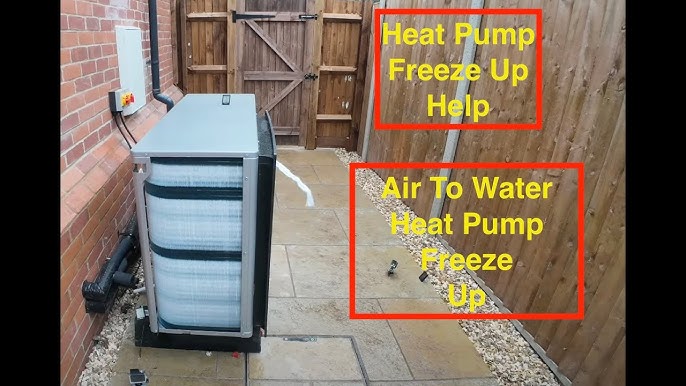
Have you ever noticed your heat pump covered in ice during winter and wondered, “Why do heat pumps freeze up?” You’re not alone.
This puzzling situation is more common than you might think and can leave you feeling frustrated and cold. But don’t worry! Understanding why this happens can save you from unnecessary stress and costly repairs. You’ll discover the reasons behind this chilly mystery and learn simple steps to keep your heat pump running smoothly all season long.
Stay with us, and by the end, you’ll have the knowledge to ensure your home stays warm and comfortable, no matter how low the temperature drops outside.

Credit: baggettheatingandcooling.com
Common Causes Of Heat Pump Freezing
Heat pumps can freeze up for several reasons. Understanding these causes helps prevent damage and maintain efficiency. Freezing reduces heat output and can stop your system.
Some common causes lead to ice buildup on your heat pump. These include weather conditions and internal system problems. Knowing these factors helps you identify issues early.
Low Outdoor Temperatures
Heat pumps work harder in cold weather. When temperatures drop too low, ice can form on the outdoor coil. This ice blocks airflow and reduces heat transfer. The system must remove this ice to keep working.
Restricted Airflow
Blocked or limited airflow causes the heat pump to freeze. Leaves, snow, or debris can cover the outdoor unit. Inside, closed vents or furniture blocking return air cause problems. Air must flow freely for proper operation.
Dirty Air Filters
Clogged air filters limit airflow inside the heat pump. This causes the coil to become too cold and freeze. Regular filter cleaning or replacement keeps air moving and prevents ice buildup.
Refrigerant Issues
Low or leaking refrigerant changes pressure in the system. This causes the coil temperature to drop below freezing. Ice forms quickly on the coil. A professional should check refrigerant levels and leaks.
Faulty Defrost Cycle
Heat pumps have a defrost cycle to melt ice. If this cycle fails, ice builds up over time. Faulty sensors or control boards often cause defrost problems. Repairing the defrost system restores normal function.

Credit: www.reddit.com
Effects Of A Frozen Heat Pump
A frozen heat pump creates several problems for your home heating system. Ice buildup stops the unit from working properly. This leads to less warm air inside your house. The freeze also puts stress on the system’s parts, causing wear and tear. Understanding these effects helps prevent costly repairs and higher bills.
Reduced Heating Efficiency
Ice blocks the heat pump’s coils, cutting heat transfer. The system works harder to reach the set temperature. Warm air output drops, making rooms colder. This inefficiency means the heat pump cannot keep your home cozy.
Increased Energy Consumption
The unit runs longer to try and warm the space. More electricity is used during this extra run time. Energy bills rise because the pump struggles against the ice. This waste of power adds up quickly over days or weeks.
Potential Damage To Components
Frozen parts can crack or break due to ice expansion. The compressor and fan motors may overheat from overuse. Water from melting ice can cause electrical shorts. These damages lead to expensive repairs or full replacements.
Steps To Defrost A Frozen Heat Pump
Dealing with a frozen heat pump can be frustrating, especially when you rely on it for warmth during cold months. Understanding how to safely and effectively defrost your heat pump can save you time, money, and prevent further damage. Here are practical steps you can take to get your system back to working order.
Switching To Emergency Heat
When your heat pump freezes, it often struggles to melt the ice on its own. Switching to emergency heat helps by using an alternate heat source, usually electric resistance heaters, to warm your home and the heat pump’s coils.
You can usually activate emergency heat via your thermostat. This action stops the heat pump from running and allows the backup system to heat the coils, melting the ice faster. Have you checked your thermostat settings lately to see if this option is available?
Manually Removing Ice
Sometimes, the ice build-up is visible and accessible. You can carefully remove the ice by hand, but never force it or use sharp tools that might damage the heat pump’s fins or coils.
Use warm water or a hairdryer on a low setting to gently melt the ice. Remember to keep electrical components dry and avoid spraying water directly on the unit. Does your outdoor unit have enough clearance to safely perform this task?
Resetting The System
After the ice melts, resetting your heat pump can help restore normal function. Turn off the power at the breaker to give the system a complete shutdown.
Wait about 10 minutes before turning it back on. This pause allows internal components to reset and clear error codes. Have you noticed improved performance after a system reset before?
Preventing Heat Pump Freeze-ups
Preventing heat pump freeze-ups protects your system and keeps your home warm. Freeze-ups reduce efficiency and can cause damage. Taking simple steps helps avoid costly repairs and keeps your heat pump running smoothly.
Regular Maintenance
Schedule regular inspections by a professional technician. They check for problems early and clean important parts. Proper maintenance keeps the heat pump working well all winter long.
Keeping Air Filters Clean
Dirty air filters block airflow and cause freezing. Clean or replace filters every 1 to 3 months. Clean filters improve air quality and help your heat pump work efficiently.
Ensuring Proper Airflow
Clear leaves, snow, and debris from around the outdoor unit. Keep vents and registers open inside the home. Good airflow stops ice build-up and keeps the system balanced.
Checking Refrigerant Levels
Low refrigerant causes the coil to freeze. Have a technician check and refill refrigerant as needed. Correct levels ensure your heat pump runs without freezing.
Using A Heat Pump Cover
Use a breathable cover designed for heat pumps in winter. Covers protect from snow and ice but allow airflow. Remove the cover before turning the heat pump on.
When To Call A Professional
Heat pumps freezing up is a common problem. Sometimes, simple fixes work. Other times, you need expert help. Knowing when to call a professional can save money and stress.
Small ice patches might melt after a while. But if ice keeps coming back, it signals a bigger issue. A trained technician can spot problems fast. They have tools and skills to fix heat pumps safely.
Persistent Freezing Issues
Ice that returns often means something deeper is wrong. Dirty filters, blocked airflow, or worn parts cause constant freezing. Professionals clean and check all components. They ensure your heat pump runs smoothly without freezing again.
Refrigerant Leaks
Low refrigerant levels cause ice build-up on coils. Only a certified technician can find and fix leaks. Handling refrigerant requires special tools and knowledge. Professionals recharge the system to the right level. This prevents freezing and keeps your heat pump efficient.
Electrical Or Mechanical Problems
Faulty fans, sensors, or controls can cause freezing. These parts need expert diagnosis and repair. Electrical issues might lead to safety risks if ignored. Professionals test and replace damaged components. They restore safe and reliable heat pump operation.

Credit: fireandairaz.com
Frequently Asked Questions
Why Do Heat Pumps Freeze In Winter?
Heat pumps freeze in winter due to moisture freezing on outdoor coils. Low temperatures and high humidity cause ice buildup, reducing efficiency. Defrost cycles usually remove ice automatically, but poor airflow or refrigerant issues can worsen freezing.
How Can I Prevent My Heat Pump From Freezing?
Prevent freezing by keeping outdoor coils clean and ensuring proper airflow. Regular maintenance, checking refrigerant levels, and clearing debris help. Using a heat pump cover during extreme cold also reduces ice buildup.
What Are Common Signs Of A Frozen Heat Pump?
Common signs include reduced heating efficiency, unusual noises, and ice visible on coils. The heat pump may cycle on and off frequently or fail to heat properly.
Does A Frozen Heat Pump Damage The System?
A frozen heat pump can damage components like the compressor and fan. Ice buildup strains the system, causing wear and potential failure. Prompt defrosting and maintenance prevent costly repairs.
Conclusion
Heat pumps freeze up mainly due to poor airflow and low refrigerant. Dirt and debris block air filters, causing ice buildup. Low refrigerant means the system can’t work properly. Regular maintenance helps keep the heat pump running well. Check filters and clear any blockages often.
Also, watch for unusual noises or smells. Fixing small issues early stops freezing problems. Proper care saves money and keeps your home warm. Stay aware, act quickly, and your heat pump will last longer. Simple steps make a big difference in performance.