
Do you ever wake up feeling fully rested, only to find stubborn eye bags staring back at you in the mirror? It’s confusing and frustrating when you’ve had a good night’s sleep, yet those dark circles and puffiness refuse to vanish.
You might wonder, “Why do I have eye bags when I sleep well? ” The truth is, sleep is just one piece of the puzzle. You’ll discover surprising reasons behind your eye bags and simple ways to tackle them. Keep reading—your eyes will thank you.
Common Myths About Eye Bags
Many people think eye bags only happen from poor sleep. This idea is not always true. Eye bags can appear even when you sleep well.
Understanding why eye bags form helps clear up common myths. Some reasons are natural and not linked to sleep.
Sleep And Eye Bags: The Real Connection
Sleep affects your body in many ways. Lack of sleep can make eye bags worse, but good sleep does not stop them completely.
Eye bags come from fluid build-up or fat moving under the skin. Sleep helps reduce swelling but cannot remove fat.
- Sleeping well reduces puffiness
- Eye bags can stay even after good rest
- Other factors also cause eye bags
Age And Genetics Factors
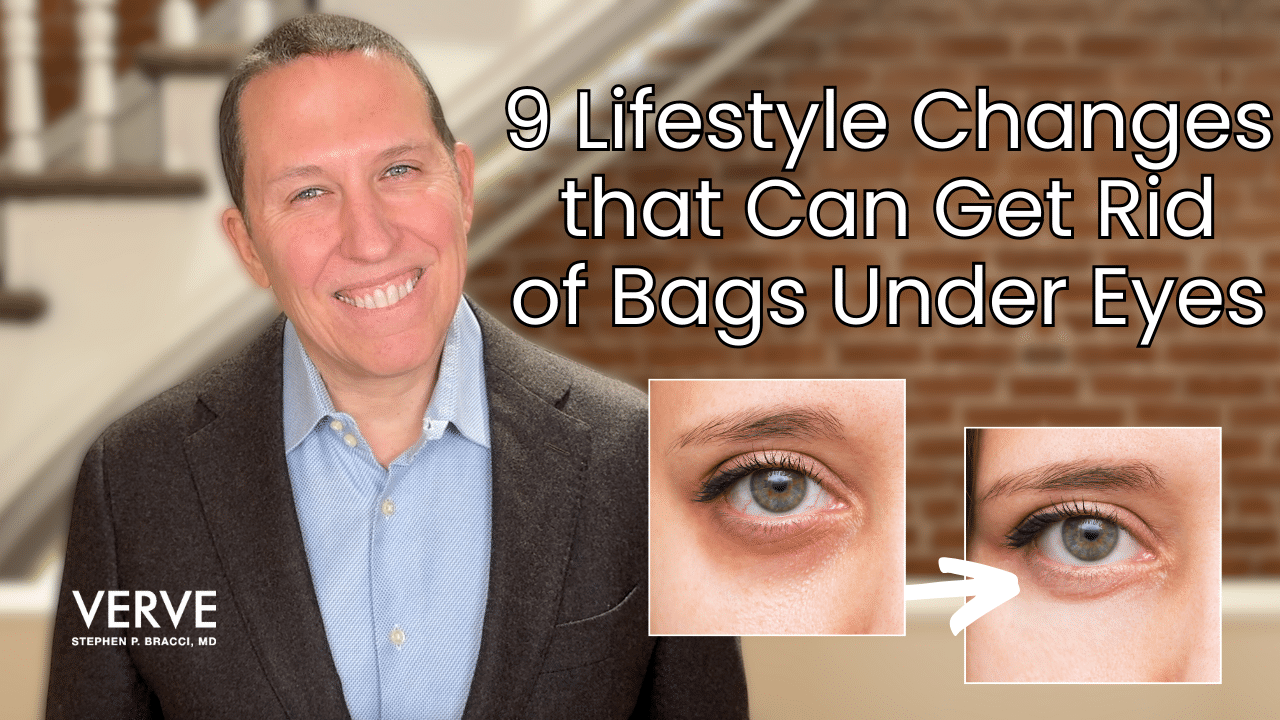
Age plays a big role in eye bags. Skin loses strength and fat shifts as we get older. This causes bags to form.
Genetics also decide if you get eye bags. Some people inherit loose skin or weak muscles under the eyes.
- Older skin is thinner and less firm
- Fat moves and causes puffiness
- Family traits affect eye bag chances
Credit: www.vervelaser.com
Hidden Causes Of Eye Bags
Eye bags appear even after a full night of sleep. Many people wonder why their eyes look tired and puffy. There are hidden reasons beyond lack of rest.
Understanding these causes can help reduce eye bags. Some factors affect the skin and tissues around your eyes in subtle ways.
Allergies And Inflammation
Allergies cause swelling and irritation around the eyes. This inflammation can lead to puffiness and dark circles. Common allergens include dust, pollen, and pet dander.
- Allergic reactions increase fluid buildup under the skin.
- Rubbing itchy eyes worsens swelling.
- Inflammation slows down skin repair and causes discoloration.
Diet And Salt Intake
Eating too much salt causes the body to hold extra water. This fluid can collect under the eyes and cause puffiness. Processed foods often contain hidden salt.
| Food Type | Salt Content |
| Processed snacks | High |
| Fresh fruits | Low |
| Frozen meals | High |
| Plain nuts | Low |
Fluid Retention
Fluid retention can cause swelling in many body parts, including the eyes. It happens when the body holds more water than usual. Changes in weather or standing for long hours may increase fluid buildup.
Drinking less water can sometimes worsen fluid retention, as the body tries to save water. Simple habits help reduce this effect.
Hormonal Changes
Hormones control many body functions, including fluid balance. Hormonal shifts during menstruation, pregnancy, or stress can cause eye bags. These changes affect blood flow and water retention.
- Hormone fluctuations increase skin sensitivity.
- They can reduce skin firmness around the eyes.
- Stress hormones may cause inflammation and puffiness.
Lifestyle Habits Affecting Eye Bags
Eye bags can appear even if you get enough sleep. Your daily habits affect how your eyes look.
Some lifestyle factors cause puffiness or dark circles around your eyes. Knowing these helps you reduce eye bags.
Screen Time And Eye Strain
Long screen use strains your eyes. This strain makes blood vessels swell, causing eye bags.
- Staring at screens reduces blinking, drying your eyes.
- Eye strain leads to inflammation and puffiness.
- Blue light disrupts sleep quality, affecting eye health.
- Improving screen habits can lessen eye bags.
Sleeping Position
Your sleeping position affects fluid buildup under your eyes. Sleeping flat or face down can cause puffiness.
| Sleeping Position | Effect on Eye Bags |
| On back, head elevated | Reduces fluid buildup |
| Flat on back | Increases puffiness |
| Face down or side | Causes fluid retention under eyes |
Stress And Fatigue
Stress and tiredness harm your skin and cause eye bags. They increase inflammation and dark circles.
Tips to reduce stress effects on eyes:
- Practice deep breathing daily
- Take short breaks during work
- Maintain a consistent sleep schedule
- Use cool compresses to soothe eyes
Credit: www.goodrx.com
Medical Conditions Linked To Eye Bags
Eye bags can appear even if you get enough sleep. Sometimes, health problems cause them. It is important to know which medical issues are linked to eye bags.
Understanding these conditions can help you find the right treatment. Below are some common medical causes of eye bags.
Thyroid Issues
Thyroid problems can cause puffiness around the eyes. When the thyroid gland does not work well, fluid may build up under the skin.
This swelling often shows up as eye bags. People with thyroid disease may also have dry eyes or eye redness.
- Hypothyroidism can cause facial swelling
- Fluid retention leads to puffiness
- Eye discomfort may appear with eye bags
Sinus Problems
Sinus infections or allergies cause swelling around the eyes. Sinus inflammation blocks fluid drainage, which creates puffiness.
People with sinus issues often feel pressure near the eyes. This pressure can make eye bags more visible.
- Sinusitis causes swelling and fluid buildup
- Allergic reactions increase eye puffiness
- Blocked sinuses worsen under-eye bags
Dermatological Conditions
Skin conditions can make eye bags worse or cause them. Problems like eczema or dermatitis lead to skin irritation and swelling.
These conditions make the skin around the eyes fragile. The fragile skin traps fluid and causes puffiness under the eyes.
- Eczema causes redness and swelling around eyes
- Dermatitis leads to skin irritation and puffiness
- Dry skin makes eye bags more noticeable
Prevention And Care Tips
Eye bags can appear even if you sleep well. Many factors cause this. Prevention and care can help reduce their appearance.
By making simple lifestyle changes, you can improve the look of your under-eye area. Let’s explore some helpful tips.
Hydration And Diet Adjustments
Drinking enough water is important. It keeps your body and skin hydrated. Eating well also affects eye bags.
- Drink at least 8 glasses of water daily.
- Eat more fruits and vegetables.
- Avoid salty foods that cause water retention.
Skincare Routines
Proper skincare can reduce eye bags. Use products that soothe the skin. Gentle care helps maintain a fresh look.
- Use a cold compress to reduce swelling.
- Apply eye creams with caffeine or retinol.
- Remove makeup before bed to prevent irritation.
When To See A Doctor
Sometimes, eye bags may need medical attention. If they persist, consult a healthcare professional. This ensures proper care.
- Eye bags are painful or itchy.
- They do not improve with lifestyle changes.
- Accompanied by other unusual symptoms.
Credit: health.clevelandclinic.org
Frequently Asked Questions
Why Do I Have Eye Bags Despite Sleeping Well?
Eye bags can occur due to genetics, aging, or fluid retention. Even with enough sleep, factors like allergies, diet, or stress may cause puffiness under the eyes.
Can Allergies Cause Eye Bags Without Sleep Loss?
Yes, allergies can trigger inflammation and fluid buildup around the eyes. This leads to puffiness even if you sleep well.
Does Diet Affect The Appearance Of Eye Bags?
High salt intake causes water retention and swelling under the eyes. A balanced diet helps reduce puffiness and improve skin health.
How Does Aging Contribute To Eye Bags?
Aging weakens skin and muscles around the eyes. Fat shifts forward, causing visible bags despite proper sleep.
Conclusion
Eye bags can appear even with good sleep. Factors like genetics, diet, and allergies affect their look. Stress and aging also play a role. Simple steps can help reduce puffiness. Drink water, eat healthy, and avoid salt. Use cold compresses or gentle massage for relief.
Understanding causes helps you manage eye bags better. Stay patient and consistent with care. Clear, fresh eyes take time to show. Keep learning about your body’s needs daily. Your eyes reflect your overall health and habits.