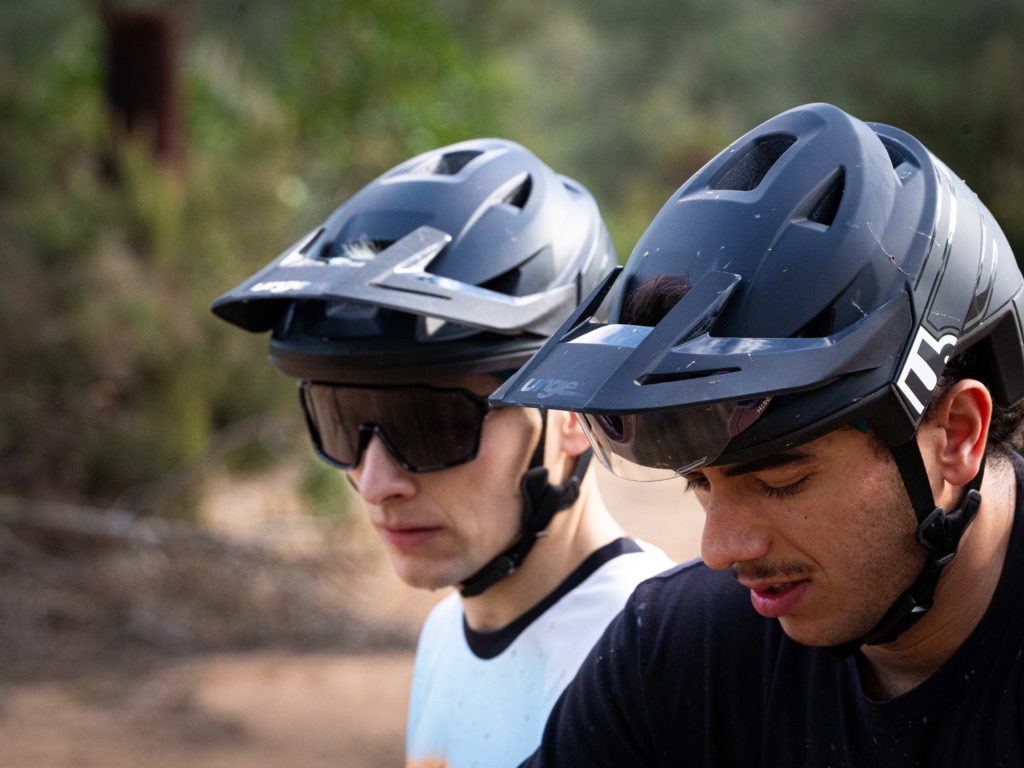
Have you ever wondered why mountain bike helmets come with visors? If you’re serious about hitting the trails, this small feature can make a big difference for your ride.
Your visor isn’t just for style—it’s designed to protect your eyes, improve your vision, and keep you comfortable no matter the conditions. Keep reading to discover the surprising reasons behind this simple addition and how it can boost your safety and performance every time you ride.

Credit: leoguarbikes.com
Purpose Of Visors On Helmets
Mountain bike helmets often come with visors. These visors are small shields attached to the front of the helmet. They serve important functions that help riders during their rides.
Visors improve safety and comfort by protecting the rider’s face and eyes. They also help riders see better in different outdoor conditions.
Shielding Eyes From Sunlight
Visors block direct sunlight from hitting the rider’s eyes. This reduces glare and makes it easier to see the trail ahead. It helps riders avoid squinting, which can be tiring.
By shading the eyes, visors improve focus and comfort. This is especially helpful on bright, sunny days.
Protection Against Debris
Visors act as a shield from flying dirt, mud, and small branches. When riding on rough trails, debris can easily hit your face. The visor helps stop these objects before they reach your eyes or skin.
This protection lowers the chance of injury and keeps riders safer during their journey.
Enhancing Vision In Different Conditions
Visors help improve vision in various weather conditions. They can reduce rain or snow hitting the eyes. This makes it easier to see when the weather is bad.
Some visors are adjustable or shaped to help guide water away from the face. This keeps the rider’s view clear and safe.

Credit: www.fanatikbike.com
Safety Benefits Of Visors
Mountain bike helmets often come with visors. These visors offer safety benefits for riders. They help protect against various environmental elements.
Understanding these benefits can enhance your biking experience. Let’s explore how visors contribute to rider safety.
Reducing Glare For Better Focus
Visors reduce glare from the sun. This helps riders maintain focus on the trail. Clear vision is crucial for safe biking.
Guarding Against Branches And Dirt
When biking in wooded areas, branches can be a hazard. Visors provide a barrier against these obstacles. They also shield your eyes from flying dirt and debris.
- Protection from low-hanging branches
- Barrier against flying dirt
- Prevention of eye injuries
Minimizing Impact From Rain And Mud
Riding in wet conditions can be challenging. Visors help minimize rain impact on your face. They also deflect mud splashes, keeping your vision clear.
Design Features Of Mountain Bike Helmet Visors
Mountain bike helmets often have visors to protect riders from the sun and debris. These visors also add to the helmet’s style and function. Understanding their design helps riders choose the right helmet.
Visors come with different features that improve comfort and safety. This article looks at adjustable and detachable visors, materials used, and how aerodynamics affect the helmet.
Adjustable And Detachable Visors
Many mountain bike helmets have visors you can move or remove. Adjustable visors let riders change the visor angle to block sun or rain better. Detachable visors can be taken off for different riding styles.
These features add flexibility. Riders can customize their helmets for better vision and protection. It also makes cleaning or replacing the visor easy.
- Adjust visor angle for sun or rain protection
- Detach visor for downhill or cross-country riding
- Easy to clean and replace when needed
Material Choices And Durability
Visors are made from strong, lightweight materials like plastic or polycarbonate. These materials resist impact from branches, dirt, and stones. Durability is important for safety and long use.
Some helmets use flexible materials to avoid breaking easily. The visor must also resist sun damage and weather changes. Quality materials help maintain clear vision and protection.
- Polycarbonate for impact resistance
- Flexible plastics to prevent breakage
- UV-resistant coatings to avoid sun damage
Aerodynamics And Weight Considerations
Visors add weight and can affect how air flows around the helmet. Designers balance visor size to reduce drag and keep the helmet light. A heavy visor can tire the rider’s neck.
Some visors have shapes that help air move smoothly. This reduces wind noise and improves comfort. Lightweight visors keep the helmet easy to wear for long rides.
- Small, streamlined visor shapes reduce air drag
- Lightweight materials lower helmet weight
- Good visor design improves rider comfort
Visors Compared To Other Helmet Types
Mountain bike helmets often have visors, unlike road bike helmets. These visors serve specific purposes for riders on trails. They help protect the rider and improve visibility in rough outdoor conditions.
Understanding why mountain bike helmets have visors helps explain the differences in helmet design. Visors meet the unique needs of mountain bikers and are useful in many trail situations.
Differences From Road Bike Helmets
Road bike helmets usually do not have visors. They are designed for speed and aerodynamics on smooth roads. Mountain bike helmets focus more on protection from debris and sun glare.
Visors on mountain helmets block sunlight and shield the eyes from branches and mud. Road helmets prioritize ventilation and light weight, so they often skip the visor.
- Road helmets are lightweight and aerodynamic
- Mountain helmets are built for rugged trail use
- Visors on mountain helmets protect from sun and debris
- Road helmets focus on airflow without visors
Unique Needs Of Mountain Bikers
Mountain bikers ride on uneven trails with trees and rocks. They need helmets that protect from low-hanging branches and dirt. Visors help shield the face and eyes from these obstacles.
Sunlight can be harsh on forest trails. Visors reduce glare and help riders see better. This improves safety and comfort during rides.
- Shield from tree branches and debris
- Reduce sun glare on uneven trails
- Protect eyes from mud splashes
- Improve visibility in different light conditions
When Visors Are Most Useful
Visors work well in many mountain biking situations. They are helpful in sunny weather to block bright light. Visors also keep rain and mud from hitting the rider’s face.
Riders on technical or downhill trails benefit most from visors. These trails have more obstacles and loose dirt. The visor adds an extra layer of protection and comfort.
- Sunny days to reduce glare
- Rainy rides to block raindrops
- Technical trails with branches and rocks
- Downhill rides with loose dirt and mud
Tips For Choosing The Right Helmet Visor
Mountain bike helmets have visors to protect your eyes from the sun, rain, and branches. Picking the right visor helps you ride safer and more comfortably.
Different riders need different visors. Think about your riding style and gear to find the best fit.
Matching Visor Size To Riding Style
Visor size changes how much protection and visibility you get. Bigger visors block more sun and debris. Smaller visors give better sight lines.
If you ride fast on open trails, a smaller visor helps you see better. For slower rides in forests, a bigger visor keeps branches away.
- Downhill riders may prefer bigger visors for more coverage.
- Cross-country riders often choose smaller visors for better vision.
- Trail riders can pick medium-sized visors for balance.
Compatibility With Goggles And Glasses
Check that your visor fits well with your goggles or glasses. Some visors can block the top of your goggles or cause fogging.
Choose helmets designed to work with your eyewear. Look for adjustable visors to move them out of the way if needed.
- Try your goggles or glasses with the helmet before buying.
- Pick visors that can tilt or detach for easier use with eyewear.
- Some helmets have extra space to fit larger goggles.
Maintenance And Replacement Guidelines
Keep your visor clean to maintain clear vision. Dirt and mud can stick to the visor and block your view.
Replace the visor if it cracks or breaks. A damaged visor may not protect you properly during rides.
- Clean the visor with mild soap and water after each ride.
- Avoid strong chemicals that can damage the visor material.
- Inspect the visor regularly for cracks or loose parts.
- Replace the visor if it shows signs of wear or damage.

Credit: www.fanatikbike.com
Frequently Asked Questions
Why Do Mountain Bike Helmets Include Visors?
Mountain bike helmets have visors to shield riders’ eyes from sunlight, rain, and debris. Visors improve visibility and safety on rough trails by reducing glare and blocking branches or mud splashes.
How Do Visors Enhance Mountain Biking Safety?
Visors protect eyes from branches, dirt, and rain, preventing distractions. This allows riders to maintain focus and react faster, reducing accident risks during challenging rides.
Can Visors Improve Mountain Biking Comfort?
Yes, visors reduce sun glare and shield from weather elements, making rides more comfortable. This helps riders maintain clear vision and better control over their bike on variable terrain.
Are Visors Adjustable On Mountain Bike Helmets?
Many mountain bike helmets feature adjustable or removable visors. This flexibility lets riders customize protection based on trail conditions and personal preferences for optimal performance.
Conclusion
Mountain bike helmets have visors for good reasons. They protect your eyes from sun, rain, and dirt. Visors also help you see better on rough trails. They keep branches and bugs away from your face. Wearing a helmet with a visor adds comfort and safety.
Choosing the right helmet can improve your ride. Remember, a visor is a small part but helps a lot. Stay safe and enjoy your mountain biking adventures!