Have you ever wondered why your portable air conditioner comes with a venting kit? You might think it just needs a way to blow cool air, but there’s more to it than that.
Without proper venting, your room won’t get as cool as you want, and your unit might even work harder, wasting energy and money. Understanding why portable air conditioners need to be vented can help you use your device smarter and stay comfortable all summer long.
Keep reading to discover the simple science behind venting and how it affects your cooling experience.

Credit: www.dreo.com
How Portable Acs Work
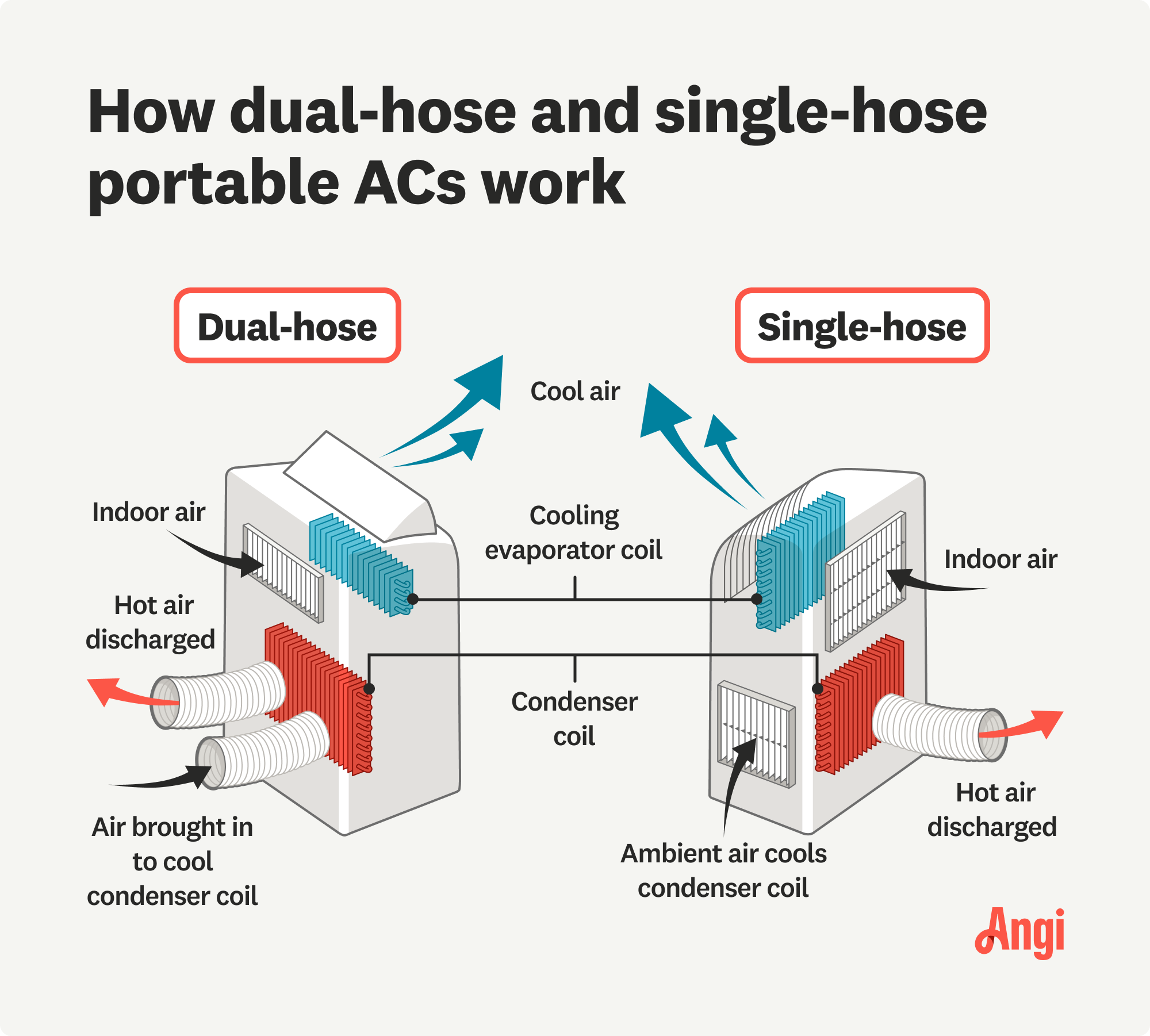
A portable air conditioner cools a room by removing warm air inside. It takes heat from the indoor air and pushes it outside through a vent. This vent is usually a hose that connects to a window or wall opening.
The cooling cycle starts when warm air enters the AC unit. Inside, a refrigerant absorbs the heat and turns into a gas. This gas moves to the outside part of the unit, where the heat is released. The refrigerant then cools down and turns back into a liquid. This cycle repeats, keeping the room cool.
The heat transfer process moves heat from inside to outside. Without venting, the warm air stays inside, making cooling less effective. The vent hose carries hot air and moisture out, helping the AC work better and the room stay comfortable.
Role Of Venting In Portable Acs
Portable air conditioners produce hot airwhile cooling your room. This hot air must be sent outside through a vent. Without venting, the hot air stays inside and warms the room again.
Venting keeps the unit efficient. It helps the AC cool the space faster and use less energy. A blocked or missing vent can make the AC work harder and waste electricity.
- Exhaust hosedirects hot air outside.
- Proper venting prevents heat buildup indoors.
- Maintains cool air flowfor comfort.
- Improves energy efficiencyand saves money.
Types Of Venting Options
Portable air conditioners need venting to remove hot air from the room. Venting options include window kits, wall vents, or sliding door adapters. Proper venting keeps the unit efficient and prevents heat buildup indoors.
Window Kits
Window kitsare the most common venting choice for portable ACs. They use a flexible hosethat connects the unit to a window. The kit blocks the open window space, keeping hot air outside. Installation is easy and does not need special tools.
Through-the-wall Vents
These vents go directly through a wall, creating a permanent air exit. They require cutting a hole and sealing it well. This option is more stable and saves window space. Good for rooms where window venting is not possible.
Other Venting Methods
- Sliding door adapters fit into sliding glass doors.
- Ceiling vents use ducts to push air outside.
- Some units can vent into an attic or crawl space.
Credit: www.angi.com
Consequences Of Improper Venting
Portable air conditioners must be vented properly to work well. Without proper venting, cool aircan’t stay inside the room. The unit tries harder to cool the air, which causes reduced cooling performance.
Improper venting leads to increased energy consumption. The unit uses more power because it runs longer to cool the space. This means higher electricity bills and wasted energy.
Not venting correctly can cause potential damage to the unit. The machine may overheat or parts could wear out faster. This can lead to costly repairs or the need for a new unit.
Installation Tips For Venting
Choosing the right location is key for venting a portable air conditioner. Place it near a window or door to easily push hot air outside. Avoid spots that block airflow or trap heat inside. The vent hose should be as short and straight as possible to work well.
Sealing and insulation help keep your room cool. Use weather stripping or foam tape to seal gaps around the window or vent. This stops warm air from sneaking back in. Proper insulation also lowers energy use and improves cooling.
Avoid common mistakes like bending the vent hose too much or using the wrong window kit. Bent hoses reduce airflow and make the AC work harder. Make sure the vent kit fits your window type. Don’t block the air intake or exhaust.
Alternatives To Venting
Evaporative coolersuse water to cool the air. They work best in dry places. These coolers do not need venting because they add moisture, which helps cool the room. They are energy-efficientbut less effective in humid climates.
Dual-hose systemshave two pipes: one pulls in fresh air, the other pushes out hot air. This setup improves cooling efficiencyand reduces warm air inside. They need venting but are better than single-hose systems at keeping air fresh.

Credit: www.reddit.com
Frequently Asked Questions
Why Must Portable Acs Be Vented Outside?
Portable air conditioners need venting to expel hot air outside. This process prevents the room from heating up and maintains cooling efficiency. Proper venting ensures the unit works optimally and extends its lifespan. Without venting, the unit won’t cool effectively and may overheat.
Can You Use A Portable Ac Without Venting?
No, using a portable AC without venting is ineffective. The hot air must be expelled outside. Without venting, the unit will recirculate warm air, reducing cooling efficiency. Venting is crucial for maintaining a comfortable indoor temperature and ensuring the unit’s performance.
What Happens If Ac Is Not Vented?
If not vented, hot air recirculates, reducing cooling efficiency. The room won’t cool effectively, and the unit may overheat. Proper venting ensures optimal performance and prevents potential damage to the air conditioner. Venting maintains a comfortable indoor environment by expelling warm air outside.
Do All Portable Acs Require Venting?
Yes, all portable air conditioners require venting to function effectively. Venting expels hot air, maintaining the room’s cool temperature. Without venting, the unit’s cooling capability diminishes, and energy consumption increases. Proper venting is essential for efficient and effective cooling performance.
Conclusion
Portable air conditioners need venting to work properly. They push hot air outside to cool your room. Without venting, heat stays inside, making cooling hard. Venting also removes moisture, keeping air dry and fresh. Proper venting saves energy and lowers bills.
Always follow venting instructions for best results. Venting is simple but very important. It keeps your space cool and comfortable. Don’t skip this step for better air conditioner performance.