
Have you ever wondered why pressure cookers sometimes explode? It’s a scary thought, especially when you’re in the middle of cooking a meal.
Understanding the reasons behind these explosions can help you stay safe and protect your kitchen. You’ll discover the common causes of pressure cooker accidents and learn simple tips to prevent them. Keep reading to make sure your pressure cooker works safely every time you use it.
Common Causes Of Explosions
Pressure cookers use steam to cook food fast. They work by building up pressure inside a sealed pot.
If something goes wrong, the cooker can explode. This is dangerous and can cause injuries.
Blocked Vent Pipe
The vent pipe lets steam escape to keep pressure safe. If it gets blocked, pressure builds too much.
Food bits or dirt can block the vent. This causes pressure to rise and may lead to an explosion.
- Clean the vent pipe after every use
- Check for blockages before cooking
- Use a brush or pin to clear small clogs
Faulty Pressure Regulator
The pressure regulator controls the pressure inside the cooker. If it breaks, pressure can go too high.
A worn or damaged regulator may not release steam properly. This causes dangerous pressure buildup.
- Replace old or damaged regulators
- Test the regulator regularly
- Follow manufacturer instructions for use
Overfilling The Cooker
Filling the cooker past its maximum level blocks steam release. This raises pressure too much.
Too much food or liquid stops steam from escaping. It can cause the cooker to explode.
- Never fill above the fill line
- Leave space for steam to build
- Follow recipe or manual limits
Damaged Sealing Ring
The sealing ring keeps the cooker airtight. If it is worn or cracked, pressure can leak or build wrongly.
A bad seal can cause sudden pressure release or unsafe pressure buildup. It risks explosion.
- Check the sealing ring before use
- Replace it if cracked or stiff
- Use the right ring for your cooker model
Using Incorrect Heat Settings
Using very high heat makes pressure rise fast. This can cause the cooker to become unsafe quickly.
Too much heat can damage parts and increase explosion risk. Always use correct heat settings.
- Start with high heat to build pressure
- Lower heat once pressure is reached
- Follow the cooker manual for heat levels

Credit: www.forthepeople.com
Signs Of Pressure Cooker Malfunction
Pressure cookers are useful kitchen tools that speed up cooking. They must work correctly to stay safe.
Watch for signs that show the cooker may not be working well. These signs warn of possible danger.
Unusual Noises
Strange sounds from the pressure cooker can mean a problem. Whistling, banging, or rattling noises are not normal.
These noises may show that parts are loose or blocked, causing pressure to build in the wrong way.
Steam Leaks
Steam should only escape through the pressure valve. If you see steam leaking from other areas, the cooker may be faulty.
- Check the rubber gasket for cracks or damage.
- Inspect the lid seal to ensure it fits tightly.
- Look for any dents or warping on the lid or pot.
Difficulty In Opening
If you cannot open the pressure cooker after cooking, it may be unsafe. This can happen when pressure stays inside.
Do not force the lid open. This can cause an explosion. Wait for the pressure to drop, and check if the valve works well.
Visible Damage
| Type of Damage | Possible Cause | Risk Level |
| Cracks on the pot | Metal fatigue or dropping | High |
| Broken or missing gasket | Wear and tear | Medium |
| Dented lid | Improper handling | Medium |
| Damaged pressure valve | Blockage or corrosion | High |
Preventive Safety Measures
Pressure cookers can explode if not handled properly. Taking safety steps helps prevent accidents. Follow these measures to keep your cooking safe.
Understanding how to maintain and use your pressure cooker reduces risks. Each step plays a key role in safe cooking.
Regular Maintenance
Check your pressure cooker often. Look for dents, cracks, or damage to the pot and lid. Fix or replace parts that look worn out. Regular care keeps it working well.
Proper Cleaning
Clean your pressure cooker after each use. Remove food bits from the valve and gasket. Dirt can block steam release and cause pressure build-up.
- Wash the pot and lid with warm soapy water
- Clean the rubber gasket gently
- Clear the safety valve with a thin brush or pin
- Dry all parts completely before storing
Correct Usage Guidelines
Follow the instructions for your cooker carefully. Do not overfill it. Use the right amount of liquid to make steam. Keep the pressure at the recommended level.
Usage Tips:
- Never fill more than two-thirds full
- Use liquid as the recipe suggests
- Release pressure safely before opening
- Do not force the lid open
Checking Parts Before Use
| Part | What to Check | Action if Faulty |
| Rubber Gasket | Cracks, stiffness, or deformation | Replace immediately |
| Pressure Valve | Blockages or damage | Clean or replace as needed |
| Lid Lock | Proper locking and unlocking | Repair or avoid use |
| Pot Body | Dents or rust | Inspect carefully; replace if unsafe |
Emergency Steps During Malfunction
Pressure cookers can malfunction and cause dangerous situations. Knowing what to do can keep you safe and avoid accidents.
Follow these emergency steps carefully to handle a pressure cooker problem without harm.
How To Release Pressure Safely
Do not open the cooker lid immediately after a malfunction. Release the pressure slowly to avoid burns and explosions.
- Turn off the heat source right away.
- Use a wooden spoon or a thick cloth to carefully lift the pressure valve.
- Let the steam escape slowly and stand back to avoid hot steam burns.
- Wait until the pressure indicator shows zero before opening the lid.
- Open the lid away from your face and body.
When To Seek Help
If the pressure cooker keeps leaking or if you hear strange noises, stop using it immediately. Seek professional help or contact emergency services if needed.
| Situation | Action |
| Pressure not releasing | Turn off heat and wait. Do not force open. |
| Steam leaking from seals | Check gasket and replace. Stop cooking if needed. |
| Unusual noises or smoke | Turn off cooker and unplug. Call for help. |
| Burn or injury | Apply first aid and seek medical attention. |
Avoiding Panic
Stay calm during a pressure cooker malfunction. Panicking can cause accidents and worsen the situation.
- Breathe slowly and focus on safety.
- Keep others away from the cooker area.
- Follow safety steps without rushing.
- Call for help if you feel unsure.
Choosing A Safe Pressure Cooker
Pressure cookers are useful kitchen tools that save time. Safety is very important to prevent accidents.
Choosing a safe pressure cooker helps avoid explosions and keeps cooking easy and secure.
Quality Certifications
Quality certifications show that a pressure cooker meets safety rules. Look for certified products to ensure safety.
Certifications come from trusted agencies that test products for pressure resistance and build quality.
- UL (Underwriters Laboratories)
- ETL (Intertek Testing Services)
- CE (Conformité Européenne)
- NSF (National Sanitation Foundation)
Modern Safety Features
Modern pressure cookers have safety features to prevent explosions. These features control pressure and release steam safely.
Some common safety features include pressure release valves, locking lids, and safety plugs.
- Pressure release valves reduce excess pressure
- Locking lids prevent opening while cooking
- Safety plugs melt to release pressure if needed
- Pressure indicators show safe cooking levels
Trusted Brands
Trusted brands have a history of making safe and reliable pressure cookers. They use quality materials and strict tests.
Choosing well-known brands reduces the risk of buying unsafe products and helps with warranty support.
- Brands with good reviews and safety records
- Companies that offer clear instructions and support
- Brands that follow safety standards strictly
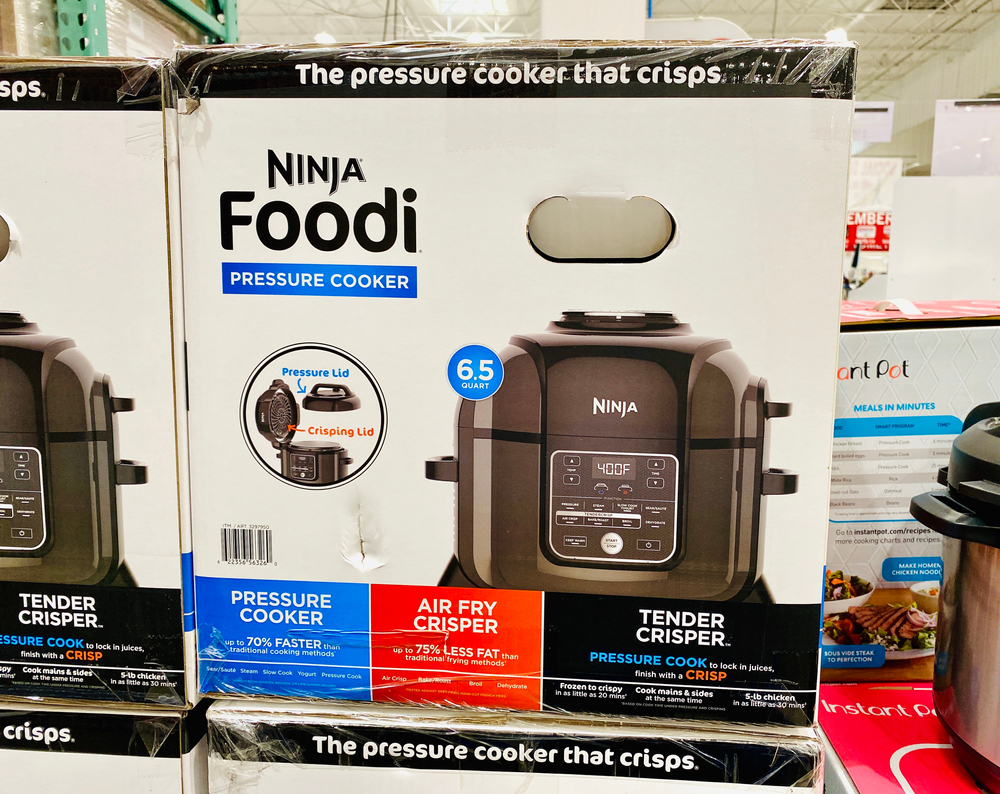
Credit: www.aboutlawsuits.com

Credit: www.reddit.com
Frequently Asked Questions
Why Do Pressure Cookers Explode?
Pressure cookers can explode due to faulty seals, clogged valves, or improper use. Overfilling can cause excess pressure, leading to an explosion. Always follow manufacturer guidelines and regularly check seals and valves to prevent accidents. Proper maintenance and use ensure safety when using a pressure cooker.
How Can I Prevent Pressure Cooker Explosions?
To prevent explosions, regularly check and replace worn-out seals and gaskets. Ensure that valves are not clogged. Do not overfill the cooker and follow manufacturer instructions closely. Regular maintenance and proper usage are key to preventing pressure cooker accidents.
What Are Common Pressure Cooker Safety Tips?
Always inspect the pressure cooker for damage before use. Clean and maintain all parts regularly. Never exceed the recommended fill line. Use the correct heat settings. Follow manufacturer guidelines to ensure safe pressure cooker use. Proper care and adherence to instructions prevent potential hazards.
Are Modern Pressure Cookers Safer?
Yes, modern pressure cookers come with enhanced safety features. These include locking lids, pressure indicators, and automatic pressure release systems. They are designed to prevent accidents. Always follow the manufacturer’s instructions for safe operation. Modern advancements significantly reduce the risk of explosions.
Conclusion
Pressure cookers can explode due to blocked vents or too much pressure. Always check the safety valve and clean the cooker well. Never overfill it with food or liquid. Use the right heat level to avoid extra pressure build-up. Follow the instructions carefully every time you cook.
Taking these steps helps keep you safe in the kitchen. Pressure cookers are great tools when used correctly. Stay alert and treat your cooker with care. Safety matters most to enjoy cooking without worries.