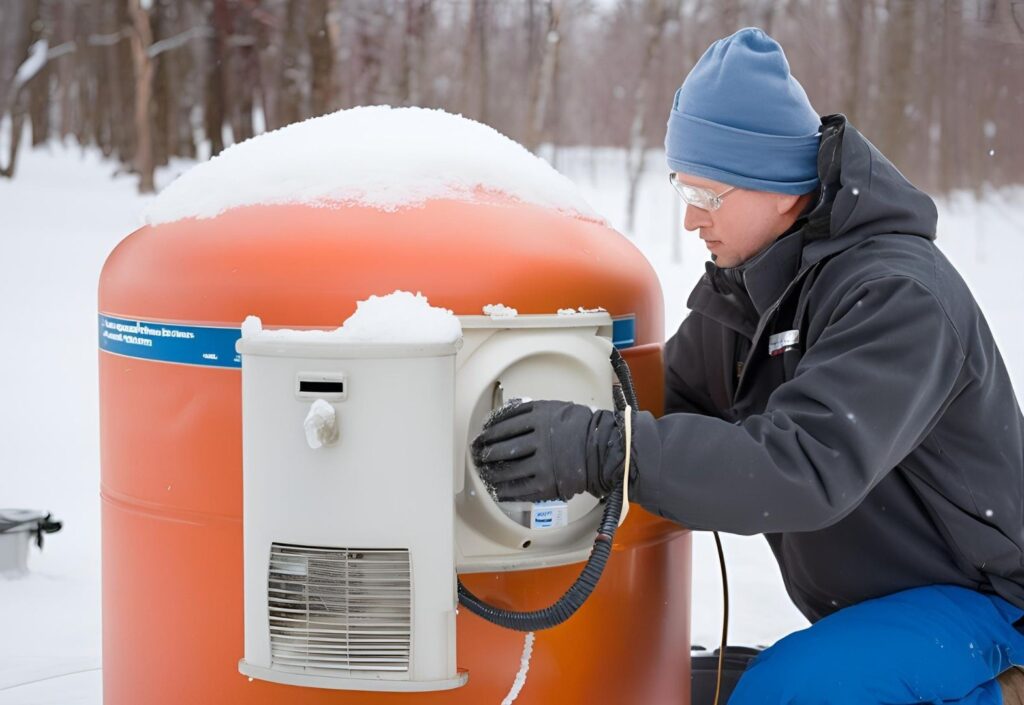
Have you ever found yourself puzzled by the sight of a frost-covered propane tank, wondering why it seems to defy the warmth around it? You’re not alone.
Many people are curious about why propane tanks freeze, especially when they rely on them for heating or cooking. Understanding this phenomenon isn’t just about satisfying your curiosity—it’s crucial for ensuring safety and efficiency in your everyday life. We’ll delve into the reasons behind this chilly mystery, revealing insights that could save you time, money, and unnecessary hassle.
Stick with us, and you’ll discover not only why propane tanks freeze but also how to prevent it from happening to you. So, are you ready to uncover the secrets behind this icy enigma? Let’s dive in!

Credit: centralpennpropane.com
How Propane Tanks Work
Understanding how propane tanks work can help you see why they sometimes freeze up, especially in cold weather. Propane tanks store the fuel under pressure, and this pressure plays a big role in how the propane moves and changes inside the tank. Knowing these basics can help you prevent freezing problems and keep your propane system running smoothly.
How Propane Is Stored Inside The Tank
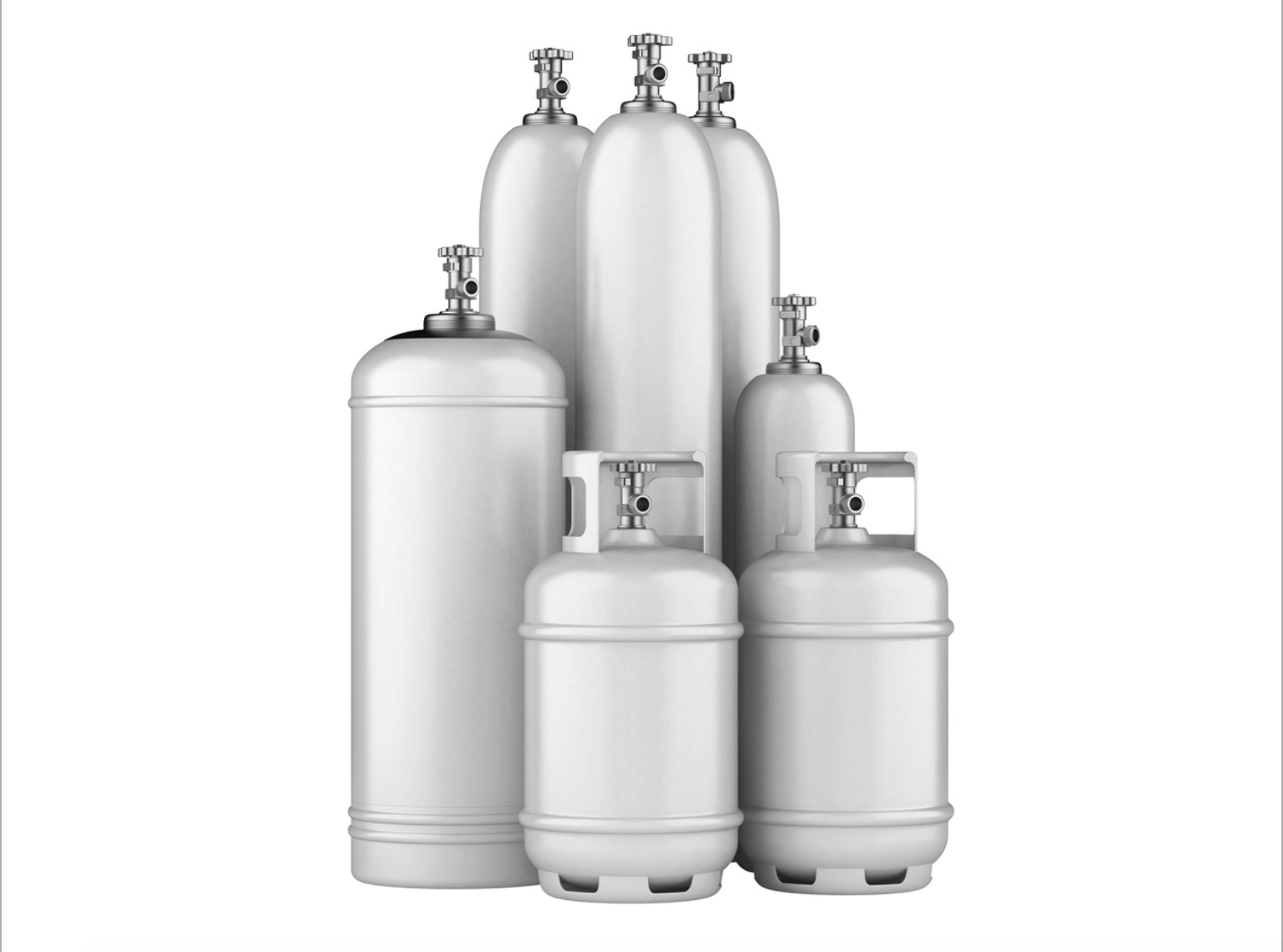
Propane is stored in a tank as both a liquid and a gas. The tank is filled mostly with liquid propane, and above it is propane vapor. This balance between liquid and gas is what lets propane flow out when you open the valve.
The pressure inside the tank keeps the propane in liquid form. When you use propane, liquid turns into gas to fill your appliances. If the pressure drops too low, the liquid won’t evaporate properly, causing problems.
The Role Of Pressure And Temperature
Pressure and temperature inside the tank are closely connected. When the temperature drops, the pressure inside the tank also drops because propane doesn’t evaporate as quickly. This can cause your tank to freeze.
Have you noticed frost forming on your propane tank during cold weather? That frost means the tank is losing heat as propane evaporates. If the tank gets too cold, the pressure falls, and propane stops flowing.
How Propane Leaves The Tank
When you open the valve, propane gas leaves the tank to fuel your appliances. The liquid propane inside evaporates to replace the gas that leaves. This process needs enough pressure and temperature to keep going.
If the pressure is too low, the liquid propane can’t turn into gas fast enough. That slows or stops the flow, making your heater or grill stop working. Understanding this can help you spot problems before they get worse.
Why Tanks Freeze In Cold Weather
Freezing happens because propane evaporation cools the tank’s surface. If it’s cold outside, the tank can’t warm up enough to keep the pressure stable. This causes frost or ice to build up, blocking propane flow.
Have you ever seen ice on your propane tank during winter? That’s a clear sign that your tank’s pressure is dropping. Knowing this helps you take action, like moving the tank to a warmer spot or insulating it.
Why Tanks Freeze
Propane tanks freeze due to a few common causes. Understanding these reasons helps prevent tank freezing and maintain proper function. The freezing issue occurs mostly during use and cold weather conditions. Some hidden factors also contribute.
Pressure Drop During Use
When propane is used, the liquid inside turns to gas. This process lowers the tank’s pressure. A sharp pressure drop causes the tank surface to become very cold. The cold surface then attracts moisture from the air. This moisture freezes, forming ice on the tank.
Cold Weather Effects
Cold weather makes propane tanks more likely to freeze. Low temperatures slow the propane vaporization process. The tank’s outer surface cools down quickly. Ice builds up as moisture freezes on the cold metal. Tanks without proper insulation freeze faster.
Moisture Contamination
Water inside the propane tank causes freezing problems. Moisture may enter during filling or from condensation. This water freezes at low temperatures and blocks the tank valve. Blocked valves stop propane flow and cause freezing on the tank.
Signs Of A Frozen Tank
Recognizing the signs of a frozen propane tank is crucial to avoid unexpected disruptions and potential safety hazards. If your propane-powered appliances suddenly stop working or behave oddly, your tank might be frozen. Knowing the warning signs helps you act quickly and prevent damage.
Visible Frost Or Ice On The Tank
If you notice frost or ice forming on the outside of your propane tank, it’s a clear sign the tank is freezing. This usually happens when moisture in the air condenses and freezes on the cold surface of the tank. Have you checked your tank’s exterior after a cold night?
Reduced Gas Flow And Appliance Performance
When your propane tank freezes, the gas pressure drops, causing your appliances to struggle or fail. You might hear your heater sputtering or see a drop in flame size on your grill. Have you experienced a sudden loss of heat or flame intensity without an obvious cause?
Unusual Hissing Or Whistling Sounds
Frozen tanks can create strange noises as the gas tries to escape through restricted pathways. A high-pitched hiss or whistle could indicate an ice blockage inside the valve or regulator. Listening closely to your tank’s sounds can help you catch problems early.
Difficulty Turning The Valve
If you find it hard to open or close the valve on your propane tank, ice might be jamming the mechanism. This physical resistance often points to freezing inside or around the valve components. Have you ever struggled to adjust the valve during cold weather?
Condensation Or Water Droplets Near Connections
Water buildup around the tank’s fittings and connections can signal freezing issues. As ice forms and melts, it leaves behind moisture that can cause rust or leaks. Checking these spots regularly helps you spot trouble before it worsens.
Credit: bryansfuel.on.ca
Simple Ways To Prevent Freezing
Preventing propane tanks from freezing is easier than you might think. Simple actions can keep your tank functioning properly, even in cold weather. Let’s look at some practical ways you can protect your propane tank from freezing.
Proper Storage Tips
Keep your propane tank in a well-ventilated, sheltered area away from direct exposure to snow and ice. Avoid placing it directly on cold surfaces like concrete; use a wooden pallet or platform instead. Positioning your tank where it can get some sunlight during the day can also help maintain a stable temperature.
Regular Maintenance
Check your tank for any signs of damage or corrosion regularly. Make sure the valves and regulators are clean and working properly to prevent leaks or blockages. Have a professional inspect your system annually to catch issues early before they lead to freezing problems.
Using Insulation
Wrap your propane tank with specially designed insulation blankets to help retain heat. Avoid using plastic covers that can trap moisture and cause more harm than good. You can also add wind barriers around the tank to reduce cold air exposure, which helps maintain the tank’s temperature.
Quick Fixes For Frozen Tanks
Frozen propane tanks can stop your appliances from working. Quick fixes help restore flow and keep your tank safe. Use gentle methods to warm the tank. Check for leaks before doing anything else. Refilling the tank properly also prevents freezing issues.
Warming Techniques
Move the tank to a warmer spot, away from wind. Use warm water to pour over the frozen area. Avoid hot water; it can damage the tank. A warm cloth wrapped around the valve helps melt ice slowly. Never use an open flame or direct heat. Allow the tank to warm naturally if possible.
Checking For Leaks
Leaks can cause freezing and safety risks. Mix soap and water in a spray bottle. Spray the solution on the valve and connections. Look for bubbles forming, which means a leak. Tighten loose connections carefully to stop leaks. Replace damaged parts before warming the tank.
Refilling Safely
Refill propane tanks at certified stations only. Ensure the tank is not overfilled to prevent freezing. Keep the tank upright during transport and filling. Store the tank in a cool, dry place after refilling. Regularly inspect the tank for rust or damage.
When To Call A Professional
Knowing when to call a professional for a frozen propane tank can prevent safety risks and costly damage. Propane tanks freezing is a serious issue that requires careful handling. Professionals have the right tools and knowledge to fix the problem safely.
Attempting repairs without experience might cause leaks or accidents. A trained technician can diagnose the cause of freezing and suggest the best solution. They ensure your propane system works properly and safely after the fix.
Signs Your Propane Tank Needs Professional Help
- The tank feels unusually cold or icy to touch.
- Propane flow stops even when the tank is not empty.
- Visible frost or ice buildup on the tank surface.
- Unusual hissing sounds or gas odors near the tank.
- Problems persist after trying basic thawing methods.
Risks Of Diy Repairs On Frozen Propane Tanks
- Risk of gas leaks or explosions due to improper handling.
- Damage to the tank valves or regulators.
- Incorrect thawing can worsen freezing or cause pressure issues.
- Potential harm from using unsafe heat sources.
How Professionals Fix Frozen Propane Tanks
- Use safe heating techniques to thaw the tank evenly.
- Inspect tanks and valves for damage or leaks.
- Check and adjust regulators to maintain proper pressure.
- Provide advice on preventing future freezing problems.

Credit: www.adamsgas.co.uk
Frequently Asked Questions
Why Do Propane Tanks Freeze In Cold Weather?
Propane tanks freeze due to rapid fuel evaporation, causing heat loss. Cold temperatures slow vaporization, making ice form on tank surfaces, blocking gas flow.
How Does Propane Pressure Affect Tank Freezing?
Low propane pressure reduces vaporization rate, increasing freezing risk. Proper tank pressure ensures smooth gas flow and prevents ice buildup on tanks.
Can Overfilled Propane Tanks Freeze Faster?
Yes, overfilled tanks leave less space for vapor, causing quick cooling. This rapid temperature drop increases the chance of tank freezing during use.
How To Prevent Propane Tanks From Freezing?
Keep tanks at least half full, store in warm areas, and avoid rapid gas withdrawal. Proper maintenance and usage reduce freezing chances effectively.
Conclusion
Propane tanks freeze because of cold weather and high gas use. Cold slows propane pressure inside the tank. This can stop gas flow and cause freezing. Keep tanks full to reduce freezing risk. Store tanks in warmer spots if possible.
Regular checks help catch problems early. Knowing why tanks freeze helps you stay safe and warm. Stay prepared and avoid propane issues this winter. Simple care keeps your propane working well.