Have you ever wondered why sheep need to be sheared? It’s not just about collecting wool for your cozy sweater or warm blanket.
Shearing is actually essential for the health and comfort of the sheep themselves. If you care about animals or are curious about farming, understanding this simple yet important process will change the way you see those fluffy creatures. Keep reading to discover why shearing isn’t just a routine task—it’s a vital part of keeping sheep happy and healthy.
Credit: www.youtube.com
Sheep Wool Growth
Sheep grow wool to keep warm during cold weather. Wool grows continuously and needs care.
Shearing removes the wool safely. It helps sheep stay healthy and comfortable.
How Wool Grows
Wool grows from tiny follicles in the sheep’s skin. Each follicle produces fibers that form wool.
The wool grows in layers and keeps getting longer until it is sheared. The growth depends on the sheep’s breed and diet.
Wool Types And Variations
Different sheep produce different wool types. The wool varies in thickness, length, and softness.
- Fine wool is soft and used for clothing.
- Medium wool is stronger and used for blankets.
- Coarse wool is thick and used for carpets.
Risks Of Not Shearing
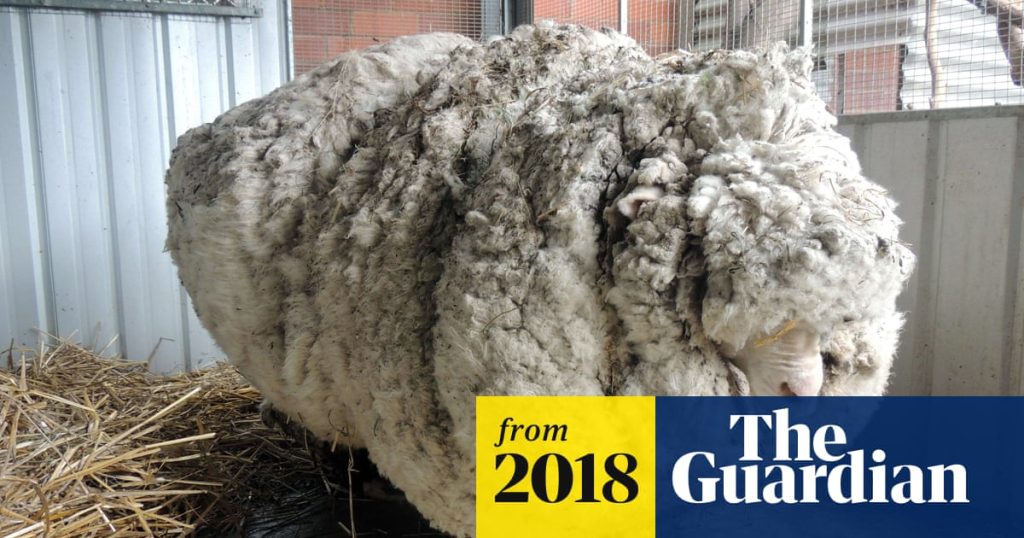
Sheep grow thick wool that needs regular cutting. If they are not sheared, problems can happen. These problems can hurt the sheep’s health and comfort.
Shearing helps keep sheep clean and healthy. Without it, wool can cause many serious issues.
Health Issues
When sheep are not sheared, wool grows too long. This can trap dirt, moisture, and pests. These cause infections and skin diseases.
Heavy wool can also make sheep very hot. Overheating can lead to heat stress or even death in warm weather.
- Skin infections from trapped dirt and moisture
- Flystrike caused by flies laying eggs in wool
- Heat stress from thick, heavy wool
- Increased risk of parasites and lice
Mobility Problems
Too much wool makes sheep heavy and hard to move. This can slow them down and cause pain.
Long wool can also block their vision and make walking difficult. This increases the risk of injury.
- Extra weight from thick wool strains muscles
- Wool covering eyes blocks sight
- Movement becomes slow and awkward
- Higher chance of tripping or falling
Benefits Of Shearing
Shearing sheep is essential for their health and comfort. It involves removing their wool, which grows continuously.
Shearing offers numerous benefits to sheep, including improved hygiene and efficient wool harvesting.
Comfort And Hygiene
Shearing keeps sheep comfortable in warm weather. It prevents overheating by removing heavy wool.
It also reduces the risk of parasites and infections. Clean skin is less likely to harbor pests.
- Shearing keeps sheep cool
- Reduces parasite risks
- Improves skin health
Wool Harvesting
Shearing is crucial for collecting wool. Wool is a valuable resource used in clothing and textiles.
Regular shearing ensures high-quality wool. It keeps the fibers clean and untangled.
- Enables wool collection
- Maintains wool quality
- Supports textile industries
Credit: www.surgesanctuary.org
Shearing Frequency
Sheep need to be sheared regularly to stay healthy and comfortable. The frequency of shearing depends on several factors. These include the season and the breed of the sheep.
Shearing removes the wool that can become too thick. If left too long, wool can cause problems like overheating and skin diseases.
Seasonal Timing
Shearing usually happens once or twice a year. The best time depends on the climate and weather.
- Spring shearing helps sheep stay cool in summer.
- Autumn shearing prepares sheep for cold winter weather.
- Some farmers shear twice to manage wool growth better.
Breed Differences
Different breeds grow wool at different rates. This affects how often they need shearing.
| Breed | Shearing Frequency | Wool Growth Rate |
| Merino | Twice a year | Fast |
| Romney | Once a year | Moderate |
| Lincoln | Once a year | Slow |
Shearing Techniques
Shearing sheep is important to keep them healthy and comfortable. The wool grows thick and heavy, which can cause problems if not removed.
There are different ways to shear sheep. Each way has its own tools and skills.
Manual Vs. Machine Shearing
Manual shearing uses hand tools like blades. It takes more time and skill. Many farmers still use it for small flocks.
Machine shearing uses electric clippers. It is faster and easier for large numbers of sheep. Machines need power and good maintenance.
- Manual shearing is quiet and low-cost
- Machine shearing is quick and efficient
- Manual needs careful handling to avoid cuts
- Machine shearing requires skill to control speed
Safety Measures
Safety is important during shearing to protect the sheep and the shearer. Proper care helps avoid injuries and stress.
Keep tools sharp and clean. Dull tools can hurt the sheep. Handle the sheep gently to keep it calm.
- Wear gloves to protect hands
- Keep the sheep steady but comfortable
- Check tools before use for damage
- Shear in a clean, dry area
- Stop if the sheep shows signs of stress
Aftercare For Sheep
Shearing sheep is important to keep them healthy. After shearing, sheep need special care.
Good aftercare helps sheep stay safe and recover well. It protects them from problems.
Wound Care
Shearing can sometimes cause small cuts or wounds. It is important to check sheep for any injuries.
Clean wounds quickly with mild disinfectant. This stops infections and helps healing.
- Look for bleeding or swelling
- Apply antiseptic to cuts
- Keep sheep in clean areas
- Watch for signs of infection
Protection From Weather
Sheared sheep lose their thick wool coat. They need protection from sun, wind, and rain.
Provide shelter and dry bedding to keep sheep comfortable. This prevents chills and stress.
- Use windbreaks or shelters
- Keep sheep indoors during bad weather
- Provide dry and warm bedding
- Check weather often and adjust care

Credit: www.reddit.com
Frequently Asked Questions
Why Do Sheep Need Regular Shearing?
Sheep need regular shearing to remove excess wool. This prevents overheating and skin infections. Shearing also keeps sheep healthy and comfortable throughout the year.
How Often Should Sheep Be Sheared?
Sheep are typically sheared once a year, usually in spring. This timing helps them stay cool in summer and regrow wool before winter.
Can Sheep Survive Without Being Sheared?
Sheep can survive without shearing but face health risks. Overgrown wool can cause overheating, mobility problems, and attract parasites.
What Happens If Sheep Are Not Sheared?
If not sheared, sheep’s wool becomes heavy and dirty. This can lead to skin diseases, heat stress, and difficulty moving.
Conclusion
Shearing keeps sheep healthy and comfortable. Their wool can grow very thick and heavy. Without shearing, sheep may feel hot and stressed. Wool also traps dirt and insects, which harms sheep. Regular shearing helps prevent skin problems and overheating. Farmers shear sheep to protect their well-being.
It also helps produce wool for clothing and other uses. Caring for sheep means shearing them on time. This simple task supports both the animals and people who rely on them. Safe, regular shearing benefits everyone involved.