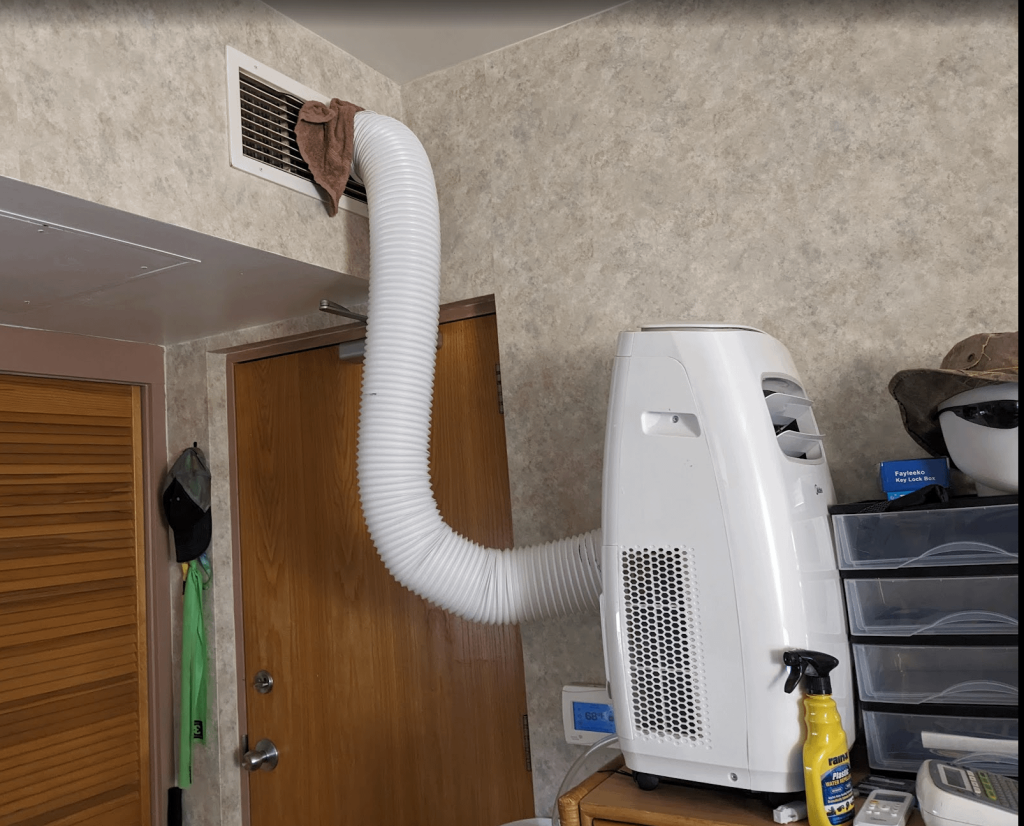
Have you ever wondered why your portable air conditioner needs to be vented? You might think it’s just an extra step, but venting is actually crucial for your unit to work properly.
Without venting, your room might stay warm, your energy bills could rise, and your air conditioner might even get damaged. You’ll discover exactly why venting matters and how it can make a big difference in keeping your space cool and comfortable.
Keep reading to learn the simple reason behind this important step—and how skipping it could cost you more than you think.

Credit: www.cnet.com
Purpose Of Venting
Venting a portable air conditioner is necessary to remove hot air from the room. This process keeps the space cool and comfortable. Without venting, the air conditioner cannot work properly.
Understanding why venting is important helps you use your portable AC better. It also prevents damage and keeps your energy bills lower.
Heat Removal Process
The portable air conditioner pulls warm air from the room and cools it inside the unit. It then pushes the heat outside through a vent hose. This keeps the room temperature down.
- Warm air enters the AC unit.
- The AC cools the air and removes heat.
- Heat is sent outside through the vent hose.
- Cooled air is released back into the room.
Maintaining Cooling Efficiency
Proper venting helps the air conditioner work at full power. Without a vent, heat stays inside and reduces cooling. This makes the unit work harder and wastes energy.
| Venting Condition | Cooling Efficiency | Energy Use |
|---|---|---|
| With Proper Venting | High | Low |
| Without Venting | Low | High |
How Portable Ac Units Work
Portable air conditioners cool rooms by removing heat and humidity. They are self-contained units that can be moved easily.
These units need to vent hot air outside to function properly. Venting is crucial to maintain efficient cooling.
Internal Components
Portable AC units have key parts inside. These include the compressor, condenser, and evaporator.
The compressor compresses the refrigerant. The condenser releases heat outside. The evaporator absorbs heat from the room.
- Compressor: Moves refrigerant through the system
- Condenser: Releases absorbed heat outdoors
- Evaporator: Absorbs heat from indoor air
Airflow Mechanism
Airflow is essential for cooling. The unit draws in warm air, cools it, and releases it back into the room.
Hot air generated by the condenser needs venting. This is done through a hose connected to a window or a vent hole.
- Inlet: Takes in warm room air
- Cooling: Air passes over the evaporator coil
- Outlet: Cools air returned to the room
- Exhaust: Hot air vented outside
Consequences Of Not Venting
Venting a portable air conditioner is very important. Without venting, the unit cannot remove hot air properly.
Not venting causes problems that affect how well the air conditioner works and its lifespan.
Reduced Cooling Performance
When you do not vent the portable air conditioner, hot air stays inside the room. This makes the unit work less effectively.
The unit struggles to cool the room because it keeps reusing warm air. This lowers the overall cooling power.
Increased Energy Consumption
The air conditioner uses more electricity if it is not vented. It works harder to cool the space.
Higher energy use means bigger electricity bills. This wastes money and energy.
- Unit runs longer to reach the set temperature
- More power is needed for less cooling
- Electricity costs increase
Potential Damage To Unit
Not venting can cause the air conditioner to overheat. This leads to damage inside the unit.
Over time, parts may wear out faster or break. This reduces the lifespan of the air conditioner.
- Overheating can damage the compressor
- Internal parts may fail early
- Unit may stop working and need repair
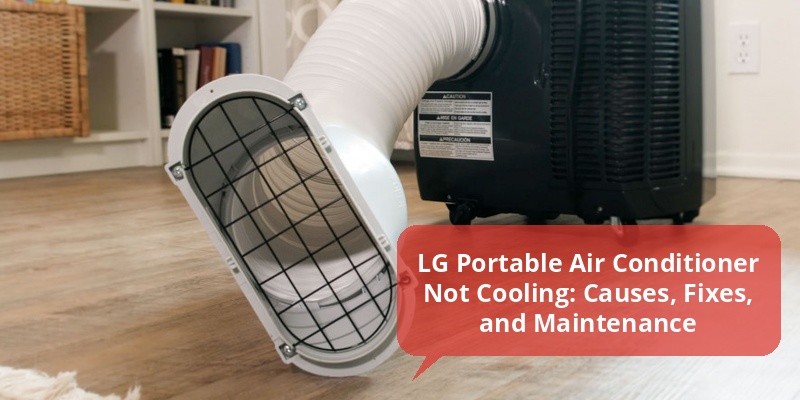
Credit: northnjhvac.com
Common Venting Methods
Portable air conditioners need venting to remove hot air. Without venting, the unit cannot cool a room properly.
Different venting options fit different rooms and setups. Choose the one that works best for your space.
Window Venting Kits
Window venting kits come with the portable AC. They fit into open windows to push hot air outside.
The kits usually include a hose and a window panel. The panel blocks the open space and holds the hose in place.
- Easy to install and remove
- Works with sliding or sash windows
- Helps keep bugs and dust out
Through-the-wall Venting
Through-the-wall venting sends hot air outside through a hole in the wall. It is a more permanent solution.
This method needs cutting a hole and installing a vent cover. It keeps the room sealed and stops air leaks.
- Good for rooms without windows
- Reduces noise from outside
- Needs tools and some work to install
Using Venting Hose Extensions
Venting hose extensions add length to the exhaust hose. This helps reach windows or vents that are farther away.
Extensions are flexible tubes that connect easily. Make sure to keep the hose straight to avoid blockages.
- Allows more placement options
- Can connect to window kits or wall vents
- Longer hoses may reduce cooling efficiency
Installation Tips For Proper Venting
Venting a portable air conditioner correctly is important. It helps remove hot air outside. This makes your room cooler and the unit work well.
Use these tips to install your air conditioner vent properly. It will keep your space comfortable and save energy.
Choosing The Right Location
Select a spot near a window or door for the vent hose. This lets hot air leave your room easily. Avoid placing the unit in direct sunlight or near heat sources.
Make sure the surface is flat and strong. The air conditioner will work best on stable ground. Keep it close to a power outlet to avoid long cords.
Sealing Gaps And Leaks
Seal all gaps around the vent hose. This stops hot air from coming back inside. Use weather stripping or foam sealant for a tight fit. Check seals regularly for damage.
- Measure the window opening carefully
- Use a window vent kit designed for your model
- Apply foam tape to fill small gaps
- Seal edges with silicone caulk for a strong seal
Avoiding Obstructions
Keep the vent hose straight and free from bends. Obstructions reduce airflow and lower cooling power. Do not place furniture or curtains near the hose outlet.
| Common Obstruction | Effect on Airflow |
| Sharp bends in hose | Blocks air, reduces efficiency |
| Furniture blocking vent | Traps hot air inside room |
| Dirty vent filter | Limits air movement |
Alternatives And Innovations
Portable air conditioners need venting to remove hot air. This keeps rooms cool and comfortable.
New designs offer different ways to vent or avoid venting. These help users find the best option.
Dual Hose Systems
Dual hose portable ACs use two hoses. One pulls in fresh air from outside. The other pushes hot air out.
- Improves cooling efficiency
- Prevents negative air pressure
- Reduces warm air from leaking inside
- Works well in larger rooms
Ventless Portable Ac Options
Ventless ACs do not need a hose to vent air outside. They use water evaporation to cool the air.
| Type | How It Works | Best Use |
| Evaporative Cooler | Water absorbs heat and cools air | Dry climates |
| Thermoelectric Cooler | Uses electric plates to cool air | Small spaces |
| Dehumidifier AC | Removes moisture to reduce heat | Humid areas |

Credit: www.amazon.com
Frequently Asked Questions
Why Is Venting Necessary For Portable Air Conditioners?
Venting removes hot air produced during cooling. Without venting, heat stays indoors, reducing efficiency. Proper venting ensures the unit cools your space effectively.
Can A Portable Ac Work Without Venting?
No, portable ACs need venting to expel hot air. Operating without venting causes heat buildup, making cooling ineffective. Always use the exhaust hose for optimal performance.
Where Should You Vent A Portable Air Conditioner?
Vent portable ACs through a window, sliding door, or wall. The vent hose must lead outside to release hot air properly. Ensure the vent is secure and airtight.
What Happens If The Vent Hose Is Blocked?
Blocking the vent hose traps hot air inside. This causes overheating, reduced cooling efficiency, and potential damage to the unit. Keep the vent hose clear and unobstructed.
Conclusion
Venting a portable air conditioner keeps your room cool and fresh. It removes hot air and moisture outside. Without venting, the unit works harder and wastes energy. This can raise your electricity bills. Proper venting also helps the air conditioner last longer.
It stops damage and keeps it running well. Always follow the venting instructions for best results. A well-vented air conditioner makes your space more comfortable. Small effort, big difference. Don’t skip venting—it really matters.