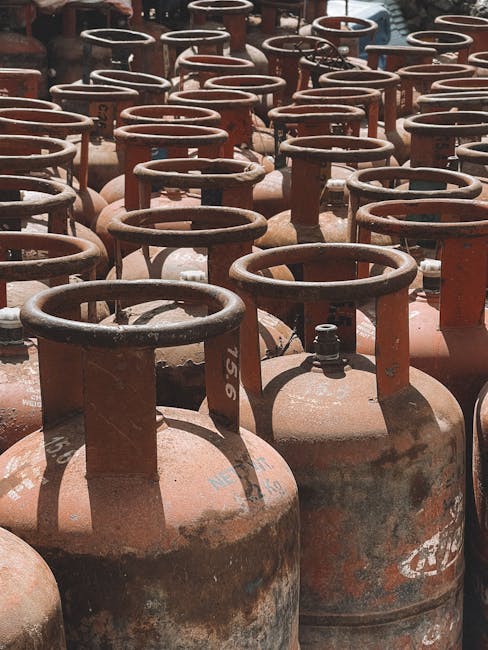
Have you ever found yourself staring at a frosty propane tank, wondering why it’s covered in ice? It might be surprising to see something that’s supposed to produce heat looking like it’s been through a snowstorm.
You’re not alone in this puzzlement. Understanding why a propane tank freezes is crucial, especially if you’re relying on it to keep your grill sizzling or your home warm. We’ll unravel the mystery behind this chilly phenomenon, helping you avoid unexpected interruptions and ensuring your propane system works flawlessly.
Stay with us, as discovering these insights could save you time and prevent potential mishaps in your daily routine.
How Propane Tanks Work
Understanding how propane tanks work is key to knowing why they sometimes freeze. These tanks store propane in liquid form under pressure, allowing it to vaporize and power your appliances. But the process inside the tank isn’t as simple as it seems—pressure, temperature, and physical changes all play a role.
Propane Pressure Basics
Propane is stored in a tank as a liquid under high pressure. This pressure keeps the propane in liquid form until you open a valve. Once the valve opens, the pressure drops, and propane changes from liquid to gas to fuel your stove, heater, or grill.
Think of it like a soda bottle. When sealed, the soda stays fizzy because of the pressure inside. Once opened, the pressure drops, and bubbles form. In propane tanks, pressure controls the liquid-to-gas change.
Maintaining the right pressure inside your propane tank is crucial. If the pressure is too low, propane won’t vaporize properly, leading to poor appliance performance. If it’s too high, safety valves kick in to prevent accidents.
Temperature Effects On Propane
Temperature heavily influences propane pressure. When it’s cold, propane pressure inside the tank drops because the liquid contracts. Lower pressure means less propane vapor is available to flow out.
This is why propane tanks can freeze in cold weather. The liquid propane evaporates to create gas, but if the temperature is too low, the evaporation rate slows. The tank surface can even feel icy because of this cooling effect.
Have you noticed your propane grill acting up on chilly mornings? It’s likely because the pressure inside the tank isn’t high enough to release enough gas. Warmer temperatures restore pressure and improve flow.
To keep your propane tank working well, store it in a warmer spot or insulate it during cold months. This simple step can prevent freezing and keep your appliances running smoothly.

Credit: centralpennpropane.com
Common Causes Of Freezing
Freezing of propane tanks can cause serious problems during cold weather. Understanding the common causes helps prevent this issue. Several factors contribute to the freezing of propane tanks, often related to how the tank is used and maintained. Identifying these causes allows for better care and safer operation.
Overfilling The Tank
Overfilling a propane tank leaves little room for gas expansion. This causes excessive pressure and liquid propane to enter the vapor space. The liquid propane absorbs heat from the tank, lowering its temperature. The cold temperature leads to ice formation on the tank surface. Proper filling levels prevent this dangerous condition and maintain tank safety.
High Demand And Rapid Gas Use
Using propane quickly causes the liquid to vaporize faster. This rapid vaporization cools the tank and surrounding areas. The temperature can drop below freezing, causing moisture in the air to freeze on the tank. High-demand appliances or multiple appliances running at once increase this risk. Managing gas use helps avoid freezing problems.
Poor Ventilation And Airflow
Poor airflow around the propane tank traps cold air and moisture. This trapped cold air lowers the temperature of the tank surface. Moisture in the air condenses and freezes, forming ice. Proper ventilation allows warm air to circulate and prevents ice buildup. Positioning the tank in an open, ventilated area reduces freezing risk.
Environmental Factors
Environmental factors play a major role in why propane tanks freeze. Understanding these helps prevent freezing and keep propane flowing smoothly. Two key factors stand out: cold weather and moisture in the air.
Cold Weather Impact
Low temperatures cause propane to lose pressure inside the tank. Propane must stay above -44°F (-42°C) to remain a gas. When it gets too cold, propane turns liquid, reducing pressure. This drop can stop gas flow and cause freezing issues. Cold weather also slows down the evaporation process, making the tank feel colder. The colder the air, the harder it is for the propane to vaporize properly.
Humidity And Moisture Role
Moisture in the air can build up inside the propane tank. When temperatures drop, this moisture freezes and forms ice. Ice blocks the valve or regulator, stopping propane flow. High humidity increases the chance of moisture build-up. If water gets inside the tank, it can mix with propane and freeze. Keeping tanks dry and sealed helps reduce freezing caused by moisture.
Safety Risks Of Frozen Tanks
Frozen propane tanks pose serious safety risks. Cold temperatures affect the tank’s performance and can lead to dangerous situations. Understanding these risks helps prevent accidents and ensures safe use of propane tanks during winter.
Pressure Drop Issues
Freezing causes a sharp drop in pressure inside the tank. Lower pressure makes it hard for propane to flow properly. Appliances may not work right or might stop altogether. Sudden pressure changes can also stress the tank’s valves and regulators.
Reduced pressure can cause your heater or stove to malfunction. This can leave you without heat or cooking fuel during cold weather. Pressure drops may also trigger safety devices, causing unexpected shut-offs.
Potential For Leaks Or Damage
Ice buildup can damage the tank’s surface and components. Cracks or dents may develop from freezing and thawing cycles. Damaged tanks increase the chance of propane leaks, which are highly flammable and dangerous.
Leaking propane can cause fires or explosions if exposed to sparks or open flames. Regular inspection is crucial after cold spells. Look for frost, rust, or unusual smells near the tank.
Preventing Propane Tank Freezing
Preventing propane tank freezing is essential to ensure a steady fuel supply and avoid unexpected interruptions. Freezing happens when liquid propane evaporates too quickly or when moisture builds up around the tank’s valve. Understanding how to protect your tank can save you time, money, and frustration during cold weather.
Proper Filling Techniques
Filling your propane tank correctly plays a big role in preventing freezing. Avoid topping off the tank completely; leave some space for propane to expand. Overfilling can cause liquid propane to leak into the valve area, which increases the risk of freezing.
Check the fill level sticker on your tank or ask your supplier to fill only up to 80%. This ensures there’s enough vapor space inside the tank, reducing pressure build-up and frost formation. Have you noticed your tank feels colder than usual after a fill? That’s a sign of rapid evaporation, so paying attention to fill levels matters.
Maintaining Adequate Ventilation
Proper airflow around your propane tank helps prevent moisture buildup that leads to freezing. Place your tank in a well-ventilated area away from snow piles and tight enclosures. When air circulates freely, condensation is less likely to form on or near the valve.
If your tank sits in a shed or garage, consider adding vents or leaving the door slightly open. Even simple changes can stop moisture from accumulating. Ask yourself: Is your tank location allowing enough airflow? Small adjustments here can keep your propane flowing smoothly.
Using Heat Sources Safely
Applying gentle heat can thaw a frozen propane tank valve, but safety must come first. Never use open flames or high-heat devices directly on the tank. Instead, try warm towels or a space heater set to low, placed at a safe distance.
Be cautious about heat sources near propane tanks; they should never create excessive heat or sparks. If you’re unsure, contacting a professional for help is always a smart choice. What safe warming methods have worked for you when dealing with freezing tanks?

Credit: centralpennpropane.com
When To Call A Professional
Knowing when to call a professional for a propane tank issue can save you from costly repairs and safety hazards. Propane tanks freezing is not just an inconvenience; it can signal underlying problems that need expert attention. Understanding the warning signs and the importance of regular check-ups helps you act before the situation worsens.
Signs Of Tank Malfunction
Watch out for frost buildup on the tank surface beyond normal cold weather effects. If you notice your propane supply running out faster than usual or inconsistent flame performance, these are red flags. Strange smells or hissing sounds near the tank can indicate leaks, which require immediate professional inspection.
Have you ever felt unsure about a strange noise or unusual frost on your tank? That’s a clear sign to stop guessing and contact a certified technician. These experts have the tools to diagnose and fix issues safely, preventing accidents.
Routine Inspections And Maintenance
Regular inspections by a professional can catch problems before they cause the tank to freeze or malfunction. Scheduling annual maintenance helps keep valves, regulators, and pressure levels in check. Professionals also clean filters and check for corrosion that can affect tank efficiency.
Consider this: skipping routine checks might save time now but often leads to bigger problems later. A professional’s routine service ensures your propane tank stays reliable through winter and beyond. Don’t wait for a freeze-up to remind you that maintenance is essential.

Credit: www.reddit.com
Frequently Asked Questions
Why Does My Propane Tank Freeze In Cold Weather?
Propane tanks freeze due to rapid gas withdrawal, causing pressure and temperature to drop. Cold weather worsens this, leading to ice buildup on the tank’s surface.
Can A Frozen Propane Tank Be Dangerous?
Yes, a frozen propane tank can reduce gas flow, causing appliance malfunctions or shutdowns. It’s important to thaw it safely to avoid pressure issues or leaks.
How Can I Prevent My Propane Tank From Freezing?
Keep the tank in a warmer area or shield it from wind. Avoid rapid gas use, and consider using a larger tank for steady pressure in cold weather.
What Causes Ice To Form On A Propane Tank?
Ice forms when propane vaporizes rapidly, pulling heat from the tank’s surface. Moisture in the air then freezes on the cold tank, creating visible ice patches.
Conclusion
A propane tank can freeze because of low temperatures and moisture. This happens when propane changes from liquid to gas, causing cold spots. Keeping the tank dry and using it properly helps prevent freezing. Check your tank regularly during cold weather.
Understanding why tanks freeze keeps your propane use safe and steady. Stay aware, take simple steps, and avoid problems. Safe propane use means better heating and cooking in winter.