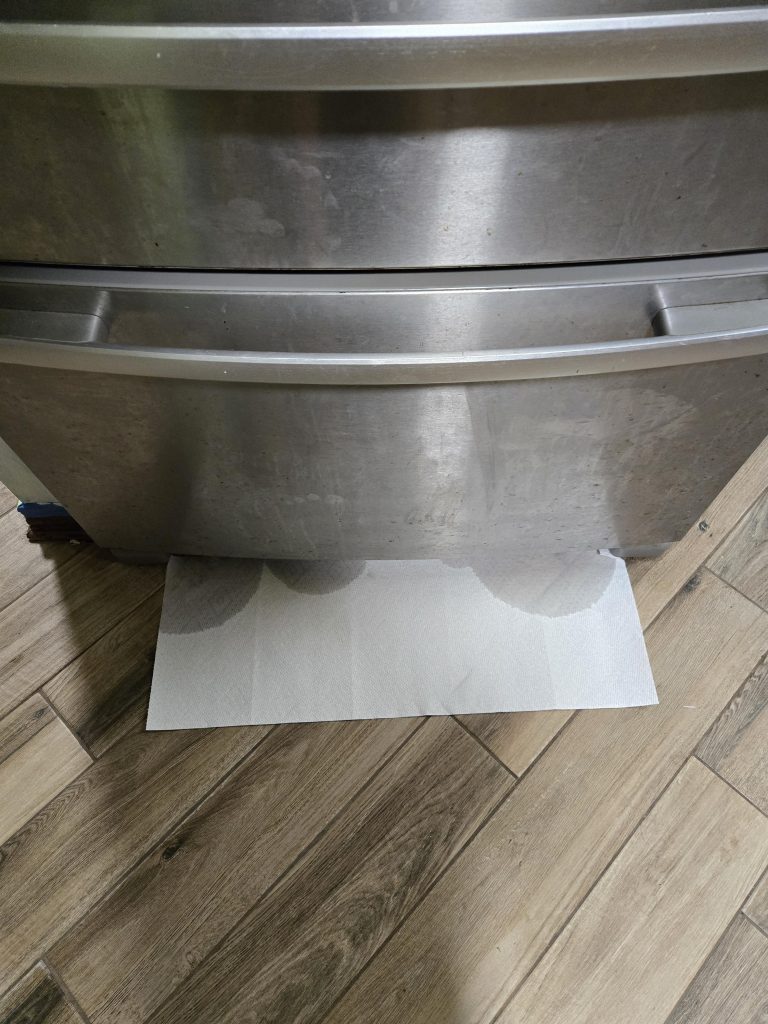
Have you ever walked into your kitchen, only to be greeted by an unexpected puddle of water near your refrigerator? If so, you’re not alone.
A leaking refrigerator can be more than just a minor annoyance; it can lead to potential damage to your kitchen floor and even affect your appliance’s performance. You might be wondering, “Why does my refrigerator leak, and how can I fix it?
” Understanding the root causes of this common issue can save you time, stress, and money. We’ll delve into the various reasons behind a leaky refrigerator, providing you with practical solutions to resolve the issue quickly and efficiently. So, keep reading to uncover how you can ensure your kitchen stays dry and your fridge operates at its best.
Common Causes Of Refrigerator Leaks
Noticing water pooling around your refrigerator can be frustrating and confusing. Understanding the common causes of leaks helps you act quickly to prevent bigger issues. Let’s break down the usual suspects behind those annoying refrigerator leaks.
Clogged Defrost Drain
The defrost drain clears excess water during the fridge’s defrost cycle. If this drain gets clogged with food particles or ice, water starts to back up and leak inside or underneath your fridge. Have you ever found a little puddle near the back? That’s often the defrost drain’s way of telling you it needs a clean.
Damaged Door Seal
A door seal that’s cracked or torn lets warm air sneak inside. This causes condensation to build up, which can drip as water around your fridge. You can test your seal by closing the door on a dollar bill—if it slips out easily, it’s time to replace the seal to stop leaks.
Leaking Water Filter
If your refrigerator has a water dispenser or ice maker, the water filter is a key player. A loose or damaged filter can drip water inside the fridge or on the floor. Have you checked if your filter is properly installed or due for a replacement? It’s a simple fix that often solves the leak problem.
Cracked Drain Pan
The drain pan collects water that drips from the defrost cycle and evaporates it. Over time, this pan can crack or become misaligned, leading to water pooling beneath your fridge. If you spot water under your appliance, inspecting the drain pan could save you from a costly repair.
Faulty Ice Maker
Ice makers have several parts that handle water flow, and any malfunction can cause leaks. A broken water inlet valve or a cracked ice mold might drip water inside the fridge. If your ice maker is producing smaller or no ice, or if you see water pooling nearby, it’s worth checking this component.
Blocked Or Frozen Drain Tube
The drain tube carries water from the defrost drain to the drain pan. When it freezes or gets blocked, water can’t flow properly and leaks inside your fridge. Have you ever noticed your fridge leaking after a power outage or temperature change? That could be the drain tube freezing up.

Credit: www.townappliance.com
Identifying The Leak Source
Finding the source of a refrigerator leak is key to stopping water damage and saving your appliance. Leaks can come from several places, and pinpointing the exact spot takes a careful look at different parts of your fridge. Let’s break down how you can inspect these areas yourself and catch the problem early.
Checking The Drainage System
The drainage system often causes leaks when it gets clogged or frozen. Check the drain hole inside the fridge, usually at the back or bottom of the main compartment. If it’s blocked, water can’t flow properly and starts to pool inside or underneath.
Try flushing the drain hole with warm water to clear any debris. I once ignored a slow drip, only to find that clearing the drain hole stopped the leak completely. Could a simple blockage be the reason your fridge is leaking?
Inspecting Door Seals
Door seals keep cold air in and moisture out. If they’re cracked, dirty, or loose, condensation can form and drip. Run your hand along the seal; if you feel cold air escaping or see gaps, the seal needs attention.
Clean the seals with warm, soapy water and check for damage. Sometimes, just realigning the door fixes the leak. Have you checked your door seals recently?
Examining Water Supply Lines
If your fridge has a water dispenser or ice maker, the water supply lines might be leaking. Inspect these lines at the back of the fridge for cracks or loose connections. Even a small drip here can cause puddles on the floor.
Make sure the water valve is fully closed when you’re not using the dispenser. Tighten any loose fittings carefully—too tight can cause damage. Have you noticed any wet spots near the water connection?
Looking Underneath The Fridge
Leaks sometimes come from underneath, where the drain pan or compressor sits. Pull your fridge out and check for water in the drain pan—it collects condensation but should not be overflowing. An overflowing pan often means a clogged drain or a defrosting issue.
Also, inspect the compressor area for signs of leaks or damage. A wet floor here could mean a bigger problem. Have you ever lifted your fridge to check beneath it?
Simple Fixes For Refrigerator Leaks
Refrigerator leaks can cause frustration and damage. Simple fixes often solve these leaks without calling a technician. Many leaks happen due to blocked drains, worn seals, or faulty parts. These issues are common and easy to handle with basic tools. Understanding these fixes saves time and money.
Clearing The Defrost Drain
The defrost drain can get blocked by ice or debris. This blockage causes water to pool inside the fridge. Use warm water or a pipe cleaner to clear the drain. This helps water flow out properly and stops leaks.
Replacing Door Seals
Worn or damaged door seals let warm air in. This causes condensation and water leaks. Check seals for cracks or gaps. Replace them with new ones to keep the fridge airtight and dry.
Changing The Water Filter
A clogged or old water filter can cause leaks under the fridge. Replace the water filter every six months or as recommended. This keeps water flowing correctly and prevents leaks.
Fixing Or Replacing The Drain Pan
The drain pan collects water from defrost cycles. Cracks or holes in the pan cause leaks on the floor. Inspect the pan for damage and clean it regularly. Replace the pan if it is broken.
Repairing The Ice Maker
Ice makers can leak if connections are loose or damaged. Check the water line and ice maker parts for leaks. Tighten or replace parts to stop water from dripping.
Unblocking The Drain Tube
The drain tube moves water from the fridge to the drain pan. It can get clogged with dirt or ice. Use a pipe cleaner or warm water to clear the tube. This stops water from backing up and leaking.

Credit: www.reddit.com
Preventing Future Leaks
Preventing future leaks in your refrigerator starts with simple, consistent habits. Small actions can stop minor issues before they become costly repairs. Let’s explore some practical steps you can take to keep your fridge leak-free and running smoothly.
Regular Cleaning Tips
Clean your fridge’s drip pan and drain hole regularly to avoid clogs that cause leaks. Wipe spills immediately to prevent moisture buildup. Don’t forget to check the door seals for dirt or mold, which can lead to condensation and leaks.
I once ignored cleaning the drip pan, and water pooled under my fridge. A quick clean fixed the leak, saving me a service call. Wouldn’t you agree that a little effort now beats a big problem later?
Proper Maintenance Schedule
Set reminders to inspect your fridge every few months. Look for signs like frost buildup or unusual noises, which can hint at issues causing leaks. Replace worn-out parts such as door gaskets or water filters promptly to maintain a tight seal and proper function.
Have you ever skipped maintenance and noticed a sudden leak? Staying on top of upkeep avoids surprises and keeps your fridge efficient.
Avoiding Overloading
Don’t cram your fridge too full. Overloading blocks air vents and prevents proper cooling, which can cause excess condensation. Organize items to allow good airflow inside your fridge and freezer compartments.
Think about the last time you stuffed your fridge before a big party. Did you notice water pooling afterward? Managing space well helps prevent leaks and keeps food fresh longer.
Ensuring Level Placement
Check that your refrigerator sits evenly on the floor. An uneven fridge can cause water to collect in the wrong places and overflow. Use a level tool and adjust the feet or place shims under the fridge if needed.
Have you ever moved a fridge and noticed water pooling afterward? Proper leveling is a small fix that makes a big difference in preventing leaks.

Credit: www.searshomeservices.com
Frequently Asked Questions
Why Is My Refrigerator Leaking Water Inside?
A leaking refrigerator often means a clogged or frozen defrost drain. Water can’t drain properly and pools inside. Regularly clean the drain to prevent blockages and leaks.
Can A Faulty Door Seal Cause Refrigerator Leaks?
Yes, a damaged door seal lets warm air in, causing condensation. This moisture can drip and create leaks. Inspect and replace faulty seals promptly.
How Does A Blocked Drain Pan Cause Leaks?
The drain pan collects excess water from defrost cycles. If blocked or cracked, water overflows, causing leaks. Clean and check the pan regularly to avoid spills.
Does Temperature Setting Affect Refrigerator Leaking?
Incorrect temperature settings can cause excessive frost buildup. When it melts, water may leak. Maintain recommended fridge and freezer temperatures for optimal performance.
Conclusion
A leaking refrigerator can cause many problems at home. It often means something inside needs cleaning or fixing. Small leaks may come from blocked drains or worn seals. Ignoring leaks can lead to bigger damage and higher bills. Checking your fridge regularly helps catch issues early.
Simple care keeps your fridge working well and your food safe. Don’t wait until the leak gets worse. A little attention now saves trouble later. Stay aware and keep your fridge dry and fresh.