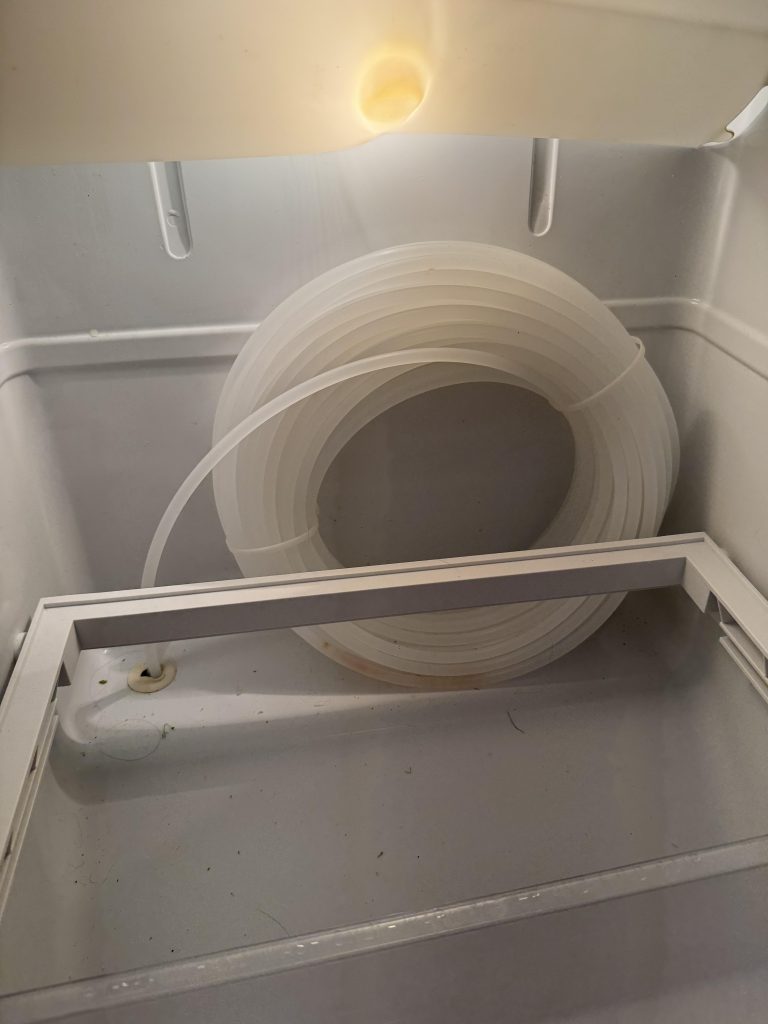
Have you ever opened your refrigerator only to find a puddle of water lurking inside? It’s frustrating, isn’t it?
Not only does it create a mess, but it also raises concerns about the well-being of your much-loved appliance. You might wonder why this is happening and how to fix it. Understanding the reasons behind a leaking refrigerator can save you time and prevent further damage.
You’ll discover the common causes of water leaks inside your fridge and learn practical solutions to keep your kitchen dry and your refrigerator functioning efficiently. Stick around, because a dry kitchen floor and a well-maintained fridge are just a few minutes away!
Common Causes Of Water Leaks
Water leaking inside your refrigerator can be frustrating, especially when you don’t know why it’s happening. Understanding the common causes of these leaks can help you fix the problem quickly and prevent damage to your food and appliance. Let’s look at some typical reasons your fridge might be leaking water inside.
Clogged Defrost Drain
The defrost drain is designed to carry melted frost away from the freezer compartment. If this drain gets clogged with food particles or ice, water starts to pool inside the fridge instead of draining properly.
Have you ever noticed water collecting at the bottom of your fridge right after a defrost cycle? That’s often a sign of a blocked defrost drain that needs cleaning to restore normal water flow.
Damaged Door Seals
Door seals keep cold air in and warm air out. When these seals wear out or get damaged, warm air enters, causing condensation inside the fridge.
This moisture can drip down and create puddles. Check your seals for cracks or gaps—sometimes a simple replacement can stop the leak entirely.
Improper Leveling
If your refrigerator isn’t level, water won’t flow to the drain pan as it should. Instead, it pools inside the fridge, often near the back or bottom.
Try placing a level on top of your fridge to see if it’s balanced. Adjust the feet or wheels until it’s even to help water drain properly.
Blocked Drain Pan
The drain pan collects water that drips off during defrost cycles. If it’s blocked or cracked, water can spill over and cause leaks inside your fridge.
Cleaning the drain pan regularly and checking for damage can prevent leaks and keep your fridge running smoothly.
Faulty Water Filter
A poorly installed or damaged water filter can cause leaks inside your fridge. Water may drip or pool around the filter area if it isn’t sealed correctly.
Have you changed your water filter recently? Make sure it’s the right model and installed tightly to avoid unnecessary leaks.

Credit: www.angi.com
Identifying The Leak Source
Identifying the source of water leaking inside your refrigerator is crucial before attempting any fixes. Pinpointing the exact cause saves you time and prevents unnecessary repairs. Let’s look closely at common areas where leaks often start and how you can check them yourself.
Checking The Drainage System
The drainage system collects and channels away excess moisture inside the fridge. If the drain hole or drip pan is clogged, water can pool and leak inside.
Look for tiny blockages in the drain hole, often located at the back or bottom of the fridge compartment. Use a pipe cleaner or a small brush to clear any debris gently.
Have you noticed water pooling right after defrosting? That’s a strong sign your drainage system needs attention.
Inspecting Door Gaskets
Door gaskets seal the fridge and keep cold air inside. When they wear out or tear, warm air can enter, causing condensation and water leaks.
Run your fingers along the gasket edges to feel for cracks or sticky spots. Also, try closing the door on a dollar bill—if it slips out easily, the gasket may not seal well.
Replacing a faulty gasket can stop leaks and improve your fridge’s efficiency instantly.
Examining Water Supply Lines
If your refrigerator has a water dispenser or ice maker, the water supply lines might be leaking.
Check the lines behind the fridge for cracks, loose connections, or worn-out parts. You might need a flashlight to get a clear look.
Even a small drip can cause water inside the fridge, so don’t overlook this area. Have you checked your supply lines recently?
Quick Fixes For Water Leaks
Water leaking inside your refrigerator can be annoying and might lead to food spoilage or damage to the appliance. Luckily, some quick fixes can help you tackle this problem without calling a repair service. These solutions are straightforward and can save you both time and money.
Clearing The Defrost Drain
One common cause of leaks is a clogged defrost drain. Over time, food particles and debris can block this drain, causing water to pool inside.
To clear it, locate the drain hole at the back or bottom of the fridge compartment. Use warm water and a small pipe cleaner or a turkey baster to flush out the blockage gently.
Have you noticed water pooling after the fridge defrosts? Clearing the drain might be the simple fix you need.
Replacing Door Seals
Damaged or worn-out door seals let warm air inside, causing excess condensation and leaks. Check your refrigerator’s door gaskets for cracks, tears, or gaps.
If the seals feel sticky or brittle, replacing them can restore a tight seal. This prevents moisture buildup and keeps your fridge running efficiently.
Think about the last time you felt warm air entering your fridge—could your door seals be the culprit?
Leveling The Refrigerator
An unlevel fridge can cause water to pool and leak inside. If the appliance tilts forward or sideways, water might not flow correctly to the drain pan.
Use a spirit level to check your fridge’s alignment. Adjust the front or rear feet to ensure it sits evenly on the floor.
Sometimes, a simple adjustment like leveling can stop leaks without any complicated repairs.
Cleaning The Drain Pan
The drain pan collects excess water that evaporates over time. If it’s dirty or cracked, water may overflow and leak inside your kitchen.
Pull out the drain pan (usually located underneath the fridge) and clean it with warm soapy water. Inspect it for any cracks and replace if necessary.
Ever found puddles under your fridge? A dirty or damaged drain pan might be why.
Changing The Water Filter
A clogged or old water filter can cause leaks in fridges with ice makers or water dispensers. It restricts water flow, leading to pressure buildup and leaks.
Replace the filter according to the manufacturer’s instructions—usually every six months. This keeps water flowing smoothly and prevents leaks.
Have you checked your water filter lately? Changing it might stop unexpected drips inside your fridge.
Preventive Maintenance Tips
Preventive maintenance helps stop water leaks inside refrigerators. Small actions keep your fridge working well and dry. Follow these simple tips to avoid common problems that cause leaks. Regular care saves money and keeps food fresh.
Regular Cleaning Schedule
Clean the fridge regularly to prevent blockages. Wipe spills and crumbs from shelves and drawers. Check the drain hole and drip pan for dirt. Clear any clogs to allow water to flow properly. A clean fridge reduces moisture buildup and leaks.
Proper Door Usage
Close fridge doors gently and fully every time. Avoid leaving doors open for long periods. Check the door seals for cracks or damage. Replace worn seals to keep cold air inside. Proper door use stops warm air from causing condensation and leaks.
Monitoring Temperature Settings
Set the fridge temperature between 37-40°F (3-4°C). Too cold causes frost buildup; too warm creates excess moisture. Use a fridge thermometer for accuracy. Adjust settings if you notice frost or water inside. Correct temperature keeps the fridge dry and efficient.
Routine Inspection Of Components
Check key parts like the drain tube and defrost system often. Look for cracks, blockages, or ice buildup. Test the defrost heater and thermostat for proper function. Fix or replace faulty parts quickly. Routine inspections prevent leaks and extend fridge life.
When To Call A Professional
Knowing when to call a professional for a leaking refrigerator saves time and prevents damage. Some problems need expert skills and tools. Understanding these signs helps you decide quickly.
Persistent Leaks After Diy Fixes
Try simple fixes first, like clearing blocked drains or checking door seals. If water still leaks, it means the problem is deeper. A professional can find hidden causes that are hard to spot.
Complex Mechanical Issues
Leaks can come from broken parts like defrost drains, water lines, or compressors. These need special tools and knowledge to repair. DIY attempts may cause more damage or safety risks.
Warranty And Safety Considerations
Working on your own can void the refrigerator’s warranty. Professionals keep your warranty safe by following proper repair steps. They also ensure all repairs meet safety standards to protect your home and family.

Credit: www.reddit.com

Credit: www.reddit.com
Frequently Asked Questions
Why Is My Refrigerator Leaking Water Inside?
Water leaks inside a refrigerator mainly due to clogged or frozen defrost drain tubes. This stops water from draining properly, causing leaks inside. Regular cleaning and ensuring proper temperature can prevent this issue.
How To Fix A Leaking Refrigerator Drain Tube?
Unclog the drain tube using warm water or a pipe cleaner. Make sure the freezer is defrosted completely. This restores water flow and stops leaks inside the fridge.
Can A Faulty Door Seal Cause Water Leaks?
Yes, a damaged or loose door seal lets warm air enter. This causes condensation and water to leak inside the refrigerator. Replace or repair the seal to fix leaks.
Does Refrigerator Temperature Affect Water Leakage?
Improper temperature settings cause excess condensation or ice buildup. This leads to water leaking inside. Keep the fridge between 37-40°F (3-4°C) for optimal performance.
Conclusion
A refrigerator leaking water inside can cause damage and waste food. Common causes include clogged drain holes, frozen defrost drains, or door seal problems. Regular cleaning and simple repairs often fix these issues quickly. Paying attention to small leaks helps prevent bigger problems later.
Keep your fridge dry and clean to ensure it works well. Fix leaks early to save money and avoid frustration. A little care goes a long way in keeping your fridge running smoothly.