Have you ever noticed your air conditioner looking like it’s covered in ice? It’s not just unusual—it’s a sign something is wrong.
When your AC freezes up, it can stop cooling your home and even cause damage. Understanding why your air conditioner ice up is the first step to fixing it fast and keeping your home comfortable. You’ll discover the common reasons behind this icy problem and how you can prevent it from happening again.
Keep reading to protect your AC and avoid costly repairs.

Credit: www.advantageairtech.com
Common Causes Of Ac Icing
Air conditioners can freeze up and stop working properly. Icing happens when parts get too cold or airflow is blocked.
Knowing the common causes of AC icing helps to fix the problem fast and keep the unit running smoothly.
Low Refrigerant Levels
Refrigerant moves heat out of your home. If levels are low, the AC can get too cold and ice forms on the coils.
Leaks or improper charging often cause low refrigerant. A technician must find and fix leaks to restore correct levels.
Dirty Air Filters
Dirty filters block airflow. When air cannot flow freely, the coils get too cold and cause ice build-up.
- Check filters every month
- Replace or clean filters regularly
- Use the right filter size for your unit
Blocked Airflow
Obstructions like closed vents or dirty ducts limit airflow. This makes the evaporator coil too cold and causes icing.
| Cause | Effect on Airflow |
| Closed Vents | Reduces air moving through system |
| Dirty Ducts | Blocks air passages |
| Furniture Blocking Vents | Stops air from circulating |
Thermostat Issues
A faulty thermostat can cause the AC to run too long or not enough. This imbalance may lead to ice forming on the coils.
Check if the thermostat reads the temperature correctly. Replace batteries or the unit if needed to keep the system balanced.
Fan Motor Problems
The fan moves air over the coils. If the fan motor fails, air does not circulate well, causing the coils to freeze.
Signs of fan motor problems include:
- Unusual noises from the unit
- Weak or no airflow
- Frequent cycling of the AC
Credit: www.thervgeeks.com
How Ice Formation Affects Your Ac
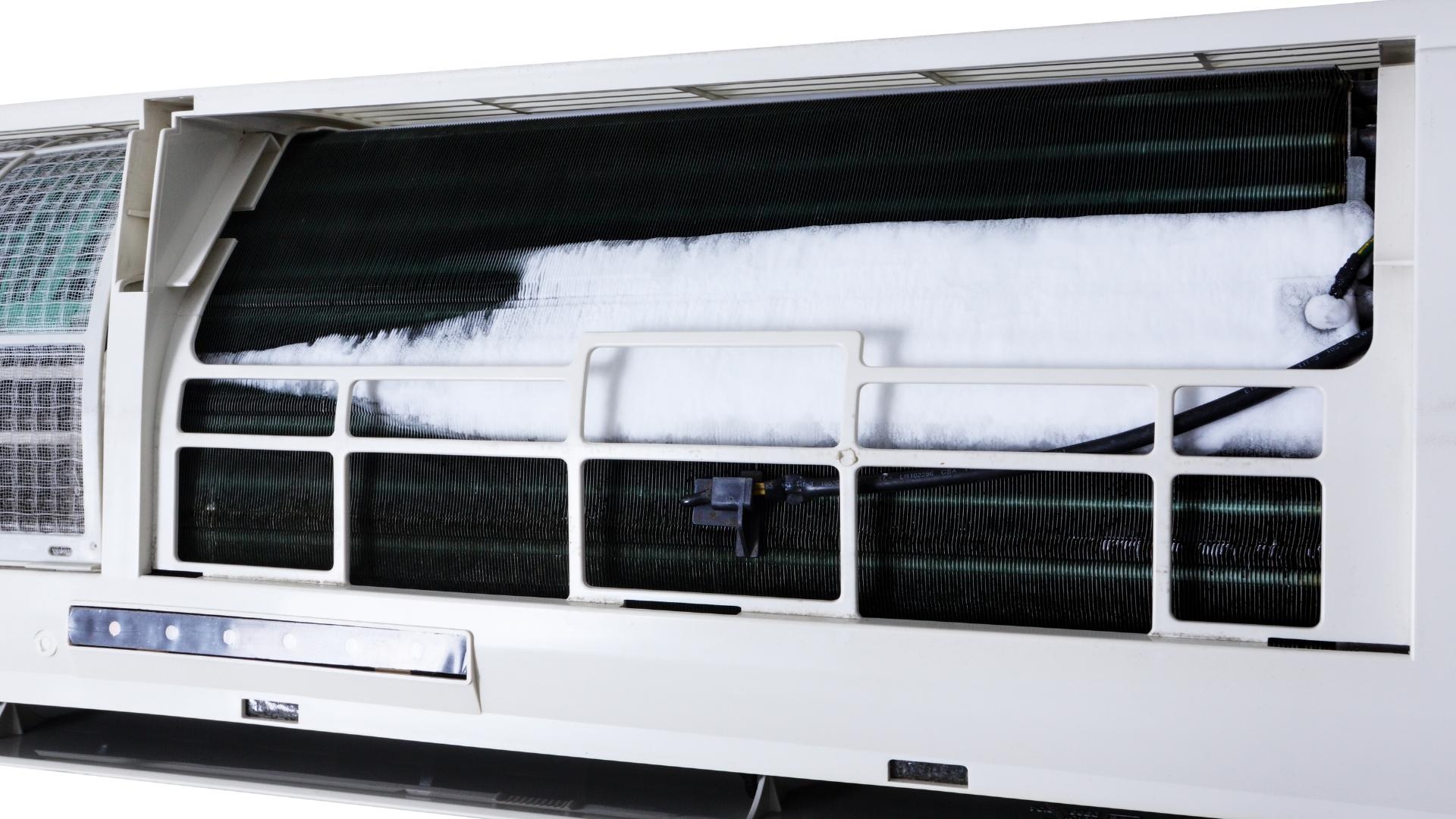
When ice forms on your air conditioner, it can cause several problems. Ice blocks airflow and stops your AC from working right.
This ice build-up lowers the comfort level inside your home. It also puts extra stress on the system, leading to more issues.
Reduced Cooling Efficiency
Ice on the coils slows down the cooling process. The AC cannot absorb heat from the air well. This makes the room feel warmer than usual.
The cold air flow also becomes weak. Your AC takes longer to cool the space, making it less effective.
Increased Energy Consumption
Ice forces your AC to work harder to keep the room cool. This uses more electricity than normal. Your energy bills will go up.
Running the system for longer times wastes power. It also wears out parts faster, causing more repairs.
Potential System Damage
Ice can damage important AC parts like the compressor and coils. This can cause leaks or breakdowns. Repairs can be costly and take time.
Ignoring ice build-up may lead to full system failure. Fixing this early saves money and keeps your AC working well.
Steps To Fix An Iced-up Ac
An air conditioner can ice up for many reasons. Fixing it quickly helps your AC work well again.
Here are simple steps to fix an iced-up air conditioner at home.
Turn Off The Unit And Let Ice Melt
Turn off your AC to stop more ice from forming. Let the ice melt naturally to avoid damage.
Do not use sharp objects to remove ice. This can harm the unit’s parts.
Check And Replace Air Filters
Dirty air filters reduce airflow and cause ice buildup. Check filters every month.
Replace old or clogged filters with new ones to keep air flowing well.
- Locate the air filter in your AC unit
- Remove and inspect it for dirt
- Replace if it looks dirty or damaged
Clear Blocked Vents And Registers
Blocked vents stop cool air from moving. This makes the AC work harder and ice up.
Check all vents and remove any objects blocking them. Clean dust and debris regularly.
- Look for furniture or curtains blocking vents
- Vacuum dust from vents and registers
- Keep vents open for good airflow
Inspect Refrigerant Levels
Low refrigerant causes the AC to freeze. It needs a professional to check and refill it.
If you see ice again after melting, call a technician to inspect refrigerant levels.
Examine The Fan And Motor
The fan moves air over the coils. If the fan or motor stops, ice can form quickly.
Check if the fan is running smoothly. Listen for strange noises or vibrations.
- Turn off power before inspecting the fan
- Look for dirt or damage on the blades
- Make sure the motor runs without noise

Credit: serviceplusheatingcooling.ca
Preventing Ac Ice Build-up
Air conditioners can ice up when cold air meets poor airflow or dirt. Ice build-up reduces cooling and can damage your unit.
Following simple steps helps keep your AC running well and stops ice formation.
Regular Maintenance Schedule
Regular maintenance keeps your AC clean and efficient. Change or clean filters every 1 to 3 months. Remove debris around the outdoor unit.
- Replace air filters regularly
- Clean evaporator and condenser coils
- Clear leaves and dirt near the outdoor unit
- Check refrigerant levels with a technician
Proper Thermostat Settings
Set your thermostat to a comfortable temperature without going too low. Avoid sudden temperature drops that strain the AC. Use a programmable thermostat to keep steady settings.
Ensuring Adequate Airflow
Good airflow stops ice build-up by keeping cold air moving. Keep vents open and unobstructed. Use fans to help circulate air inside your rooms.
| Cause | Effect on Airflow | Action |
| Closed vents | Blocks air movement | Keep all vents open |
| Dirty filters | Reduces airflow | Replace filters often |
| Blocked outdoor unit | Limits air intake | Clear debris around unit |
Professional Inspections
Have a professional check your AC at least once a year. They find issues that cause ice build-up. Professionals can fix leaks, clean parts, and ensure proper refrigerant levels.
- Schedule yearly inspections
- Ask for coil cleaning
- Request refrigerant checks
- Get electrical system tests
When To Call A Professional
Air conditioners can ice up for many reasons. Some problems are easy to fix. Others need a professional’s help. Knowing when to call can save you time and money.
If your AC shows persistent ice or strange noises, it is best to get expert advice. Professionals can spot hidden issues and fix them safely.
Persistent Icing Issues
Sometimes ice builds up again and again on your AC unit. This can cause damage and reduce cooling. A professional can check the airflow and clean blocked parts.
- Dirty air filters
- Blocked vents
- Frozen evaporator coils
- Low outdoor temperatures
Refrigerant Leaks
Refrigerant keeps your AC cool. A leak lowers its level and causes icing. Only a trained technician can find and fix these leaks safely.
| Signs of Refrigerant Leak | What a Professional Does |
| Ice forming on coils | Inspect and repair leaks |
| Reduced cooling | Recharge refrigerant |
| Hissing sounds | Test system pressure |
Electrical Component Failures
Electrical parts control many AC functions. If these fail, ice can form due to poor system operation. This needs expert diagnosis and repair.
Common electrical issues include:
- Faulty thermostats
- Broken fans or motors
- Wiring problems
- Control board failures
Frequently Asked Questions
Why Does My Air Conditioner Freeze Up?
Air conditioners freeze when airflow is restricted or refrigerant is low. Dirty filters, blocked vents, or low refrigerant cause ice buildup on coils. This reduces cooling efficiency and can damage the system if not fixed promptly.
How Does Low Refrigerant Cause Ac Icing?
Low refrigerant lowers pressure in AC coils, causing them to get too cold. This leads to moisture freezing on the coils, resulting in ice formation. Recharging refrigerant and fixing leaks can prevent this issue.
Can Dirty Filters Cause Ac To Ice Up?
Yes, dirty filters block airflow, reducing heat exchange in the AC. This causes coils to become too cold and ice to form. Regularly cleaning or replacing filters helps maintain proper airflow and prevents icing.
What Happens If An Air Conditioner Freezes Over?
When an AC freezes, cooling stops, and the system may get damaged. Ice buildup blocks airflow and strains components like the compressor. Timely troubleshooting and repair are essential to avoid costly damage.
Conclusion
Understanding why air conditioners ice up is essential for their efficiency. Regular maintenance helps prevent this issue. Check filters and coils frequently. Clean them to avoid blockage. Ensure the thermostat is set correctly. Monitor refrigerant levels as well. Low refrigerant can cause freezing.
Be aware of airflow restrictions. Blocked vents lead to ice formation. Address these problems promptly. This prolongs the life of your air conditioner. Keep it running smoothly. Enjoy a comfortable, cool home environment. A little care goes a long way.
Stay proactive to ensure optimal performance. Happy cooling!