Have you ever noticed water dripping from your air conditioner and wondered why it’s leaking? A leaking AC isn’t just annoying—it can cause damage to your home and drive up your energy bills.
Understanding why your air conditioner leaks is the first step to fixing the problem quickly and avoiding costly repairs. You’ll discover the common reasons behind AC leaks and learn simple ways to keep your unit running smoothly and dry. Keep reading to protect your comfort and your wallet.

Credit: honorservices.com
Common Causes Of Ac Leaks
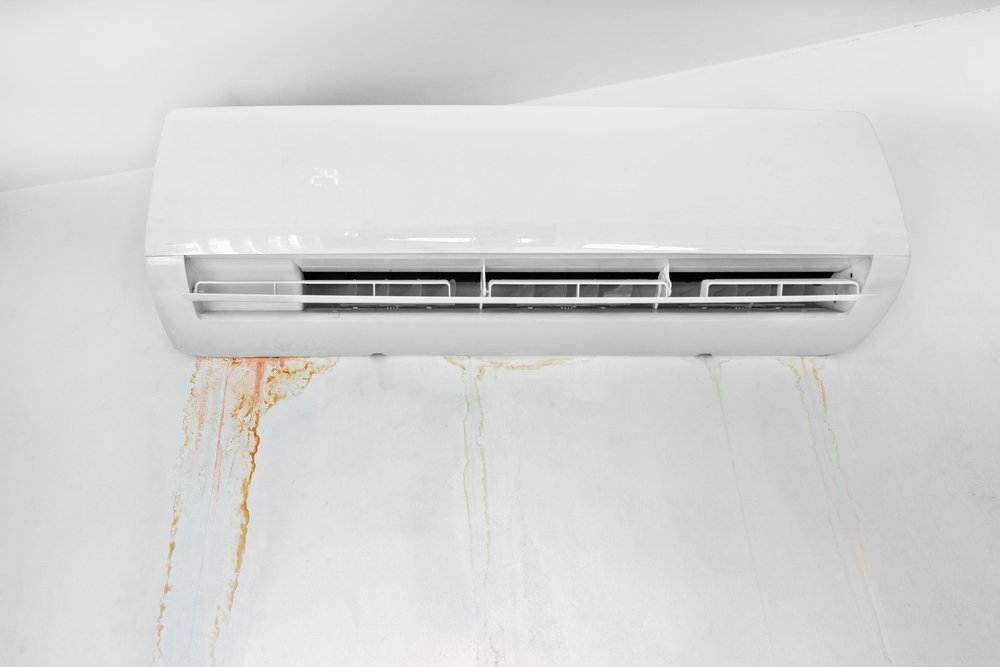
Air conditioners sometimes leak water. This can cause damage to your home.
Understanding why your AC leaks helps you fix the problem fast.
Clogged Drain Line
A clogged drain line stops water from draining out. Water then backs up and leaks.
- Dirt and dust block the drain pipe
- Mold growth can cause clogs
- Leaves or debris may enter the drain
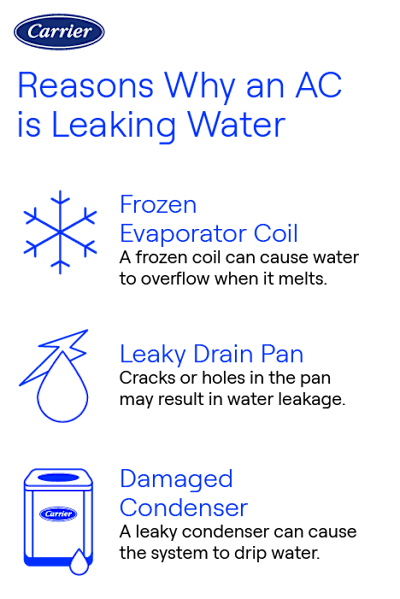
Frozen Evaporator Coil
The evaporator coil can freeze if airflow is low. When it melts, water may leak.
Damaged Drain Pan
The drain pan holds water from the evaporator coil. If it cracks, water leaks out.
| Reason | Effect |
|---|---|
| Rust or corrosion | Creates holes in the pan |
| Physical damage | Cracks or bends the pan |
| Old age | Weakens the pan material |
Low Refrigerant Levels
Low refrigerant causes the coil to get too cold and freeze. Melting ice leads to leaks.
Loose Or Disconnected Drain Line
If the drain line is loose or disconnected, water spills out. This causes leaks around the unit.
Improper Installation
Wrong installation can cause water to flow incorrectly. This leads to leaks inside the home.
Credit: www.austingsmechanical.com
Identifying The Leak Source
Air conditioners can leak water for several reasons. Finding the exact source helps fix the problem quickly.
Leaks often start inside the unit. Check parts carefully to spot where water escapes.
Checking The Drain Line
The drain line removes water from the air conditioner. If it clogs, water backs up and leaks.
Look for dirt or mold blocking the drain line. Cleaning it may stop the leak.
- Locate the drain line outside or near the unit
- Use a wet-dry vacuum to clear clogs
- Check for cracks or damage in the pipe
Inspecting The Evaporator Coil
The evaporator coil cools the air inside the unit. Ice can form on it if airflow is low.
When ice melts, it can drip and cause leaks. Check the coil for ice buildup or dirt.
- Turn off the unit and look at the coil
- Clean dirt gently with a soft brush
- Check if the coil is frozen or wet
Examining The Drain Pan
The drain pan catches water from the evaporator coil. It can rust or crack over time.
Check the pan for holes or standing water. Replace it if damaged to stop leaks.
- Look under the coil for the drain pan
- Check if water is pooling or dripping
- Inspect pan for rust or cracks
Monitoring Refrigerant Pressure
Low refrigerant pressure can cause the coil to freeze. This leads to water leaks when ice melts.
Use a gauge to check pressure levels. Call a technician if pressure is too low.
- Attach refrigerant gauges to the service ports
- Compare pressure readings to manufacturer specs
- Look for signs of leaks or damage in refrigerant lines
Simple Diy Fixes
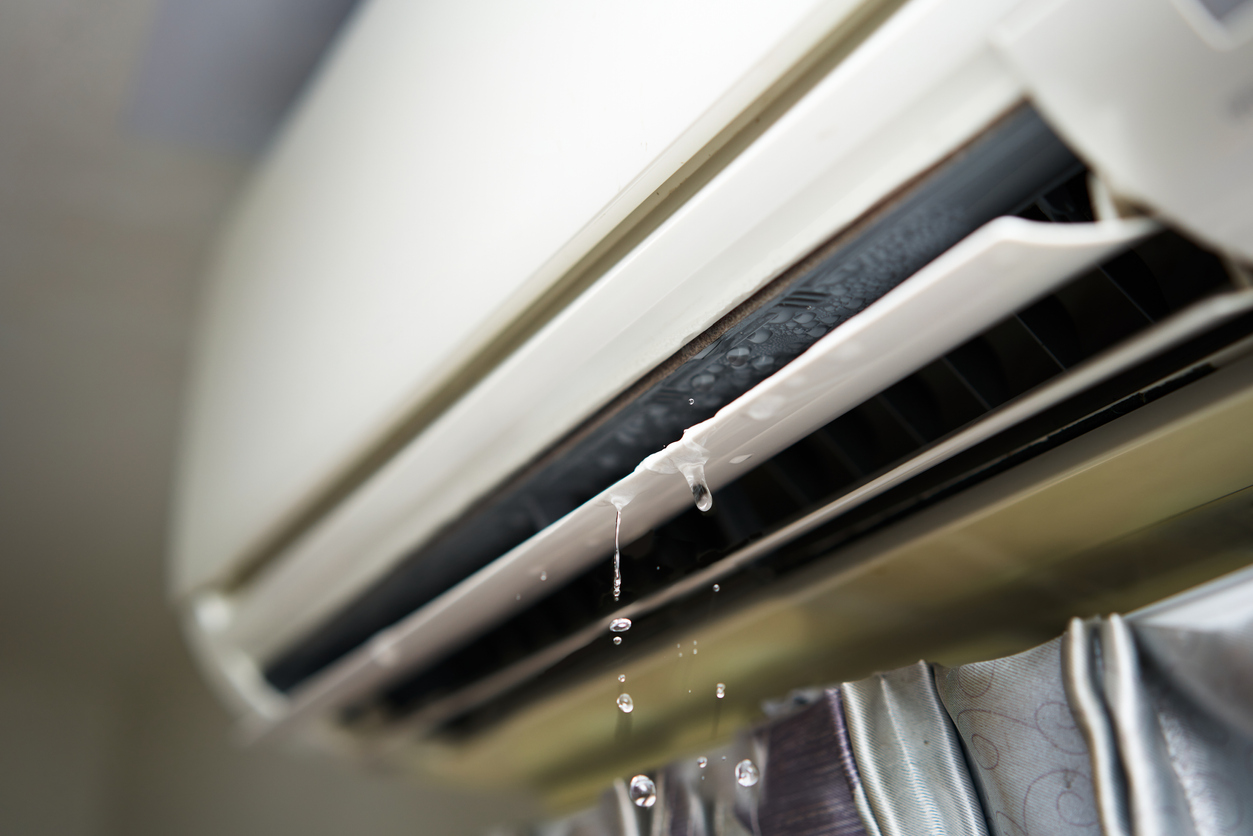
Air conditioners sometimes leak water. This can cause damage if not fixed quickly. Many leaks come from simple problems you can fix yourself.
Here are easy ways to stop your air conditioner from leaking. You do not need special tools or skills.
Clearing The Drain Line
The drain line can get clogged with dirt and mold. This stops water from flowing out. Water then leaks inside your home.
Use a wet/dry vacuum to suck out the clog at the drain line’s end. You can also pour a cup of white vinegar down the line to clean it.
- Turn off the AC unit before cleaning
- Locate the drain line outside your house
- Use vacuum or vinegar to clear blockages
- Run the AC and check for leaks
Thawing Frozen Coils
Frozen coils stop the AC from working well. Ice can melt and cause leaks. Frozen coils happen when airflow is poor or refrigerant is low.
Turn off the AC and let the ice melt. Use a fan to speed up thawing. Check and replace dirty air filters to improve airflow.
- Switch off the air conditioner
- Let ice melt naturally or use a fan
- Clean or replace air filters
- Turn AC back on and watch for leaks
Replacing The Drain Pan
The drain pan catches water from the AC. If it cracks or rusts, water leaks out. Replacing a bad pan can stop leaks.
Turn off the power. Remove the old drain pan carefully. Fit a new pan that matches the size. Check for leaks after installation.
- Power off the AC unit
- Locate and remove damaged drain pan
- Buy a matching replacement pan
- Install and secure the new pan
- Turn on AC and check for leaks
Tightening Connections
Loose connections in the AC can cause leaks. Water hoses and pipes might be loose or cracked. Tightening them stops leaks quickly.
Inspect all water lines and fittings. Use a wrench to tighten loose parts. Replace any cracked hoses to avoid future leaks.
- Turn off the air conditioner
- Check all water connections and pipes
- Tighten loose fittings with a wrench
- Replace damaged hoses or parts
- Test AC for leaks after fixes
Credit: www.schaafsma.com
When To Call A Professional
Air conditioners can leak water for many reasons. Sometimes, the problem is simple to fix. Other times, you need expert help.
Knowing when to call a professional can save you time and avoid damage. Here are key signs to watch for.
Handling Refrigerant Issues
Low or leaking refrigerant causes the AC to freeze and drip water. Handling refrigerant needs special tools and skills.
Only licensed technicians should check or refill refrigerant. Incorrect handling can harm the environment or your AC.
- Call a professional if your AC freezes often.
- Seek help when you smell a chemical odor near the unit.
- Have experts check refrigerant levels yearly.
Repairing Complex Components
Some AC parts like the drain pan, pump, or coils can cause leaks. Fixing these parts is not easy for most people.
A professional can spot hidden issues and safely repair or replace broken parts. This prevents bigger problems later.
- Call for help if water pools around your AC unit.
- Get repairs if you see rust or cracks on AC parts.
- Contact a technician for strange noises or smells.
Routine Maintenance Tips
Regular maintenance helps keep your AC running well and stops leaks before they start. Some jobs need a pro.
Professionals can clean coils, check drainage, and inspect electrical parts. This keeps your system healthy and efficient.
- Schedule yearly AC tune-ups with a trusted technician.
- Ask for a full system check to prevent leaks.
- Replace filters regularly to avoid clogs.
Preventing Future Leaks
Air conditioner leaks cause water damage and reduce cooling. Preventing leaks saves money and keeps your home safe.
Simple habits and regular care help stop leaks. Follow these tips to keep your AC running smoothly.
Regular Cleaning
Cleaning your air conditioner often removes dust and dirt. This stops blockages that cause leaks.
Focus on cleaning the filters, drain line, and coils. Clean parts help water flow correctly and prevent buildup.
- Wash or replace air filters every 1-2 months
- Clear debris from the drain pan and drain line
- Clean evaporator and condenser coils yearly
Scheduled Inspections
Check your air conditioner regularly to find problems early. Inspections help catch leaks before they get worse.
Look for signs like water around the unit, unusual noises, or weak cooling. Fix issues quickly to avoid leaks.
- Inspect drain lines for cracks or clogs every 3-6 months
- Check seals and insulation for damage
- Hire a professional for a yearly maintenance check
Proper Usage Habits
Use your air conditioner correctly to prevent leaks. Avoid settings that strain the system and cause water buildup.
Keep windows and doors closed when the AC runs. This reduces moisture and helps the system work well.
- Set temperature to a comfortable level, not too low
- Run the AC regularly during hot months
- Do not block vents or airflow around the unit
Frequently Asked Questions
Why Does My Air Conditioner Leak Water?
An air conditioner leaks water due to several reasons. Common causes include a clogged drain line, dirty air filters, or low refrigerant levels. Regular maintenance can help prevent these issues. If your unit leaks, inspect and clean components or contact a professional for assistance.
How Can I Fix A Leaking Air Conditioner?
Fixing a leaking air conditioner involves checking the drain line for clogs. Clean or replace dirty air filters and ensure the refrigerant level is adequate. If these steps don’t resolve the issue, consult a professional technician. Regular maintenance can prevent future leaks and prolong your unit’s lifespan.
Is A Leaking Air Conditioner Dangerous?
A leaking air conditioner isn’t usually dangerous but can cause damage. Water leaks can lead to mold growth, structural damage, or electrical issues. Address leaks promptly to avoid further problems. Regular maintenance and inspections can help prevent leaks and ensure your unit operates safely.
Can A Dirty Filter Cause Ac Leaks?
Yes, a dirty filter can cause AC leaks. When filters are clogged, airflow is restricted, leading to frozen coils. As the ice melts, excess water may leak from the unit. Regularly cleaning or replacing air filters can prevent this issue and keep your air conditioner running efficiently.
Conclusion
Air conditioner leaks can cause many problems in your home. Clogged drains, frozen coils, or broken parts often cause leaks. Regular cleaning and maintenance help stop leaks early. Watching for signs like water drops or musty smells saves money. Fixing small issues prevents bigger damage later.
Stay alert to keep your AC running smoothly and dry. Taking care of your air conditioner keeps your home comfortable and safe. Don’t ignore leaks—they need quick attention to avoid trouble.