
Have you ever noticed that after spending time in an air-conditioned room, you start feeling tired, stuffy, or even sick? You’re not alone.
Many people wonder why their air conditioner seems to make them feel worse instead of better. Is it just a coincidence, or is there something about the cool air that’s affecting your health? You’ll discover the surprising reasons behind this common problem and learn what you can do to stay comfortable without compromising your well-being.
Keep reading—you’ll want to know how to protect yourself and enjoy fresh, cool air without the unwanted side effects.
Credit: theconversation.com
Air Conditioner And Health Issues
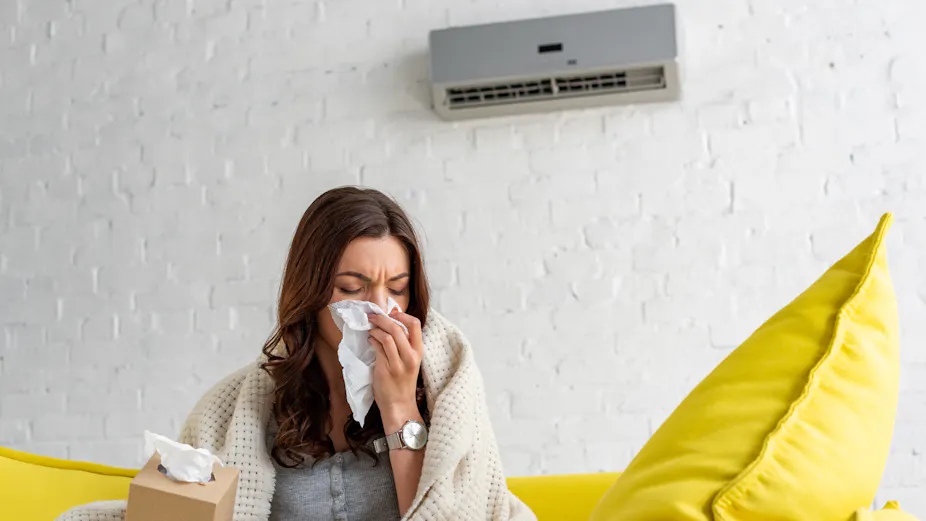
Many people use air conditioners to stay cool. Sometimes, they feel sick after using them.
This happens because air conditioners can affect your health in different ways.
Dry Air And Skin Problems
Air conditioners remove moisture from the air. This dry air can cause dry skin and irritation.
Dry skin can become itchy and uncomfortable, especially for people with sensitive skin.
Poor Air Quality And Allergies
Air conditioners can collect dust and mold inside. These can spread through the air and cause allergies.
Allergy symptoms include sneezing, runny nose, and itchy eyes.
- Dust and pollen build up inside the AC
- Mold grows in damp parts of the unit
- Dirty filters release allergens into the room
Cold Air And Respiratory Issues
Cold air from air conditioners can irritate your throat and nose. It may cause coughing or a sore throat.
People with asthma or other lung problems may find it harder to breathe.
Spread Of Germs And Infections
Air conditioners can spread germs if not cleaned well. This can cause infections like colds or flu.
Regular cleaning of AC units helps stop the spread of bacteria and viruses.
Temperature Changes And Body Stress
Moving between hot and cold air causes stress to the body. It can lower your immune system.
This makes it easier to catch colds and feel tired.
Common Symptoms Linked To Ac Use
Air conditioners help cool rooms but can also cause health problems. Many people feel sick after using AC for a long time.
These problems happen because of cold air, dust, or dry conditions inside the AC environment.
Respiratory Problems
Air conditioners can spread germs and dust that harm the lungs. This may cause coughing, sneezing, or trouble breathing.
- Dry throat
- Wheezing or shortness of breath
- Chest tightness
- Increased risk of colds and flu
Allergic Reactions
Many AC units have dust and mold inside. These can trigger allergies like sneezing and itchy skin.
| Symptom | Cause |
| Sneezing | Dust mites in AC filters |
| Runny nose | Mold spores |
| Itchy eyes | Airborne allergens |
| Skin rash | Contact with contaminated surfaces |
Dry Skin And Eyes
AC removes moisture from the air. This dry air causes skin and eyes to lose water and feel irritated.
- Flaky or cracked skin
- Red or itchy eyes
- Burning sensation in eyes
- Chapped lips
How Ac Systems Spread Germs
Air conditioners cool the air but can also spread germs. The system moves air through ducts and vents. This movement can carry harmful particles.
Understanding how AC systems spread germs helps keep you healthy. Three main ways are mold growth, bacteria circulation, and dust allergens.
Mold And Mildew Growth
Air conditioners create moisture. Moist areas in ducts or filters let mold grow. Mold spores then spread through the air you breathe.
- Mold grows in damp AC parts
- Spores spread in cooled air
- Causes allergies and breathing problems
- Needs regular cleaning to stop growth
Bacteria Circulation
Air conditioners can spread bacteria from dirty filters or coils. Bacteria enter your home air and cause sickness. Poor maintenance increases this risk.
| Source | Effect |
| Dirty filters | Spread bacteria causing infections |
| Wet coils | Help bacteria grow quickly |
| Unclean ducts | Circulate germs in rooms |
Dust And Allergens
Dust and allergens stick to AC filters and parts. When the AC runs, it blows these particles back into the air. This can trigger allergies or asthma.
- Dust collects in filters and vents
- AC spreads pollen and pet dander
- Triggers sneezing and coughing
- Regular filter changes reduce allergens
Impact Of Poor Ventilation
Poor ventilation in air-conditioned rooms can cause health problems. It lowers air quality and traps harmful particles inside.
When air does not circulate well, dust, allergens, and germs build up. This can make you feel sick after using the air conditioner.
Stale Air And Germ Growth
Poor ventilation leads to stale air inside your room. This air holds moisture and creates a place for germs to grow.
Bacteria and mold spread in damp, poorly ventilated spaces. Breathing this air can cause cough, sore throat, and allergies.
Increased Allergens And Dust
Without good ventilation, dust and allergens stay in the air longer. The air conditioner may blow these particles around.
This can trigger sneezing, runny nose, and itchy eyes. People with asthma or allergies feel worse in these conditions.
- Dust mites collect in vents and filters
- Pollen enters through open windows and doors
- Pet dander circulates without fresh air
Dry Air And Respiratory Issues
Air conditioners remove moisture from the air. Poor ventilation makes the air too dry inside rooms.
Dry air irritates your nose, throat, and skin. It can cause a dry cough and worsen breathing problems.
Build-up Of Indoor Pollutants
Indoor pollutants like smoke, chemicals, and odors get trapped without fresh air. Air conditioners recycle the same polluted air.
These pollutants harm your lungs and cause headaches or dizziness. Proper ventilation helps remove harmful gases from your space.
Role Of Temperature And Humidity
Air conditioners change the air temperature and humidity inside a room. These changes can affect your health and comfort. Understanding how cold air and low humidity impact your body helps explain why you might feel sick.
Temperature and humidity levels influence your breathing and skin. If they are too low or too high, they can cause problems. This is common when using air conditioning for long periods.
Cold Air Effects
Cold air from an air conditioner can irritate your respiratory system. It may cause your nose and throat to feel dry or sore. This can lead to coughing, sneezing, or a runny nose.
When the air is too cold, your body tries to warm the air before it reaches your lungs. This can strain your breathing and make you feel tired or weak. People with asthma or allergies often feel worse in cold air.
Low Humidity Consequences
Air conditioners reduce humidity, making the air dry. Low humidity can dry out your skin and mucous membranes. This dryness causes irritation and can make you more likely to catch colds or infections.
Dry air also affects your eyes, causing redness and itchiness. It can make breathing uncomfortable, especially for people with respiratory problems. Keeping humidity balanced helps prevent these issues.

Credit: www.1news.co.nz
Maintenance Mistakes That Harm Health
Air conditioners can make you sick if they are not cared for properly. Bad maintenance causes health problems.
Knowing common mistakes helps keep your AC safe and healthy to use.
Dirty Filters
Dirty filters block airflow and trap dust and germs. This spreads bad air inside your home.
Breathing dirty air causes allergies and lung problems. Change or clean filters often.
- Filters catch dust, pollen, and bacteria
- Dirty filters reduce air quality
- Clean filters improve breathing comfort
Neglected Cleaning
Not cleaning the AC parts allows mold and bacteria to grow. This causes bad smells and sickness.
Mold spores cause coughs and skin irritation. Clean your AC coils and vents regularly.
- Dirty coils lower cooling power
- Mold grows in wet, dirty areas
- Regular cleaning stops germs spreading
Improper Installation
Wrong AC installation causes leaks and poor airflow. It makes rooms damp and uncomfortable.
Dampness leads to mold growth, which harms health. Have a professional install your AC correctly.
- Check seals to avoid water leaks
- Proper airflow stops damp spots
- Good installation extends AC life
Preventing Ac-related Illnesses
Air conditioners can sometimes cause health problems. Poor maintenance or dry air may make you feel sick. Taking simple steps can help keep you healthy.
Proper care of your AC and the air it circulates is important. Here are ways to prevent AC-related illnesses and improve indoor air quality.
Regular Cleaning
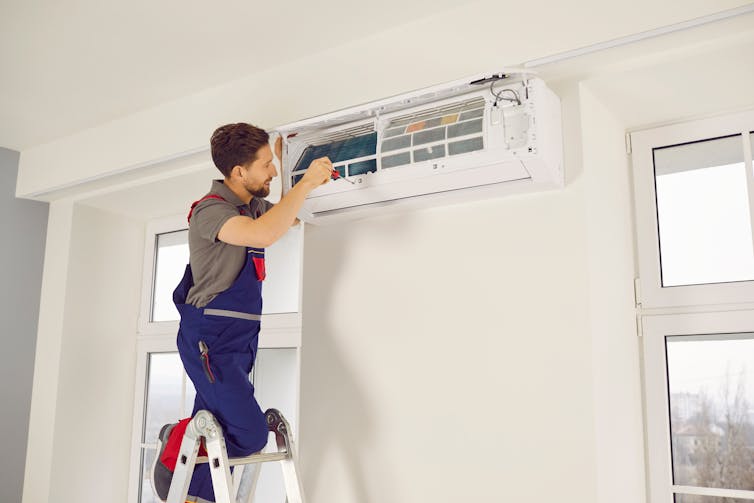
Cleaning your air conditioner often stops dust and mold buildup. Dirty filters and coils spread germs and allergens. This can cause cough, cold, and allergies.
Change or clean filters every month during heavy use. Clean the AC vents and ducts to keep air fresh and safe.
- Clean or replace filters regularly
- Remove dust from vents and ducts
- Check for mold and clean it immediately
Using Humidifiers
Air conditioners can make the air too dry. Dry air irritates your skin, throat, and nose. Using a humidifier adds moisture back into the room.
Keep humidity levels between 30% and 50%. This helps reduce irritation and stops viruses from spreading easily.
- Use a humidifier in dry rooms
- Monitor humidity with a hygrometer
- Keep humidifiers clean to avoid germs
Improving Airflow
Good airflow helps remove stale air and brings in fresh air. Poor airflow traps dust and germs inside your home. This can cause headaches and breathing problems.
Open windows when possible and use fans to move air. Make sure air vents are not blocked by furniture or curtains.
- Open windows for fresh air
- Use fans to improve circulation
- Keep vents and registers clear
Credit: theconversation.com
Frequently Asked Questions
Why Does Air Conditioning Cause Respiratory Issues?
Air conditioning can circulate dust and allergens. Poorly maintained units breed bacteria and mold. This worsens respiratory problems and allergies.
Can Cold Air From Ac Weaken My Immune System?
Exposure to cold air may lower nasal defense. This can increase susceptibility to infections. Maintaining moderate temperatures helps prevent immune stress.
How Does Ac Contribute To Dry Skin And Throat?
Air conditioners reduce indoor humidity. Dry air causes skin and throat irritation. Using a humidifier can restore moisture and comfort.
What Maintenance Prevents Ac-related Health Problems?
Regular cleaning of filters and ducts removes contaminants. Timely servicing prevents mold and bacteria growth. Clean AC units ensure healthier air quality.
Conclusion
Air conditioners can cause sickness by spreading germs and drying air. Poor maintenance lets dust and mold build up inside. Cold air may also irritate your throat and nose. Regular cleaning and proper use help reduce these problems. Keep the room ventilated and avoid very low temperatures.
Pay attention to how your body feels around AC units. Small changes can make a big difference in comfort and health. Stay aware and take care to enjoy cool air safely.